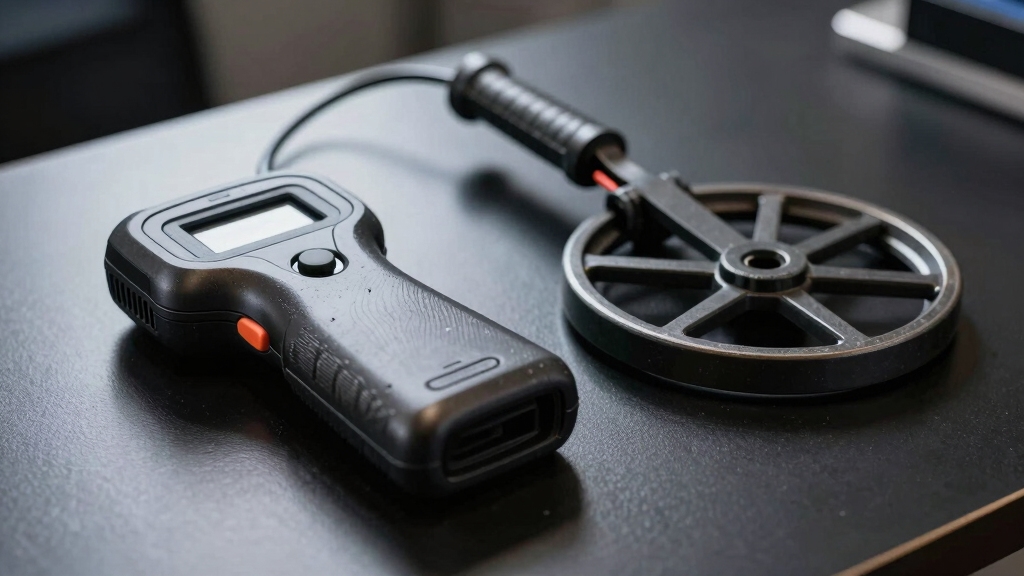

You rely on metal detectors to sense metal but they can’t distinguish harmless items from weapons. This causes frequent false alarms and slowdowns.
Weapon detectors use AI, sensor fusion, and real-time analysis to identify metallic and non-metallic threats accurately. This reduces false positives and speeds security checks without requiring item removal.
They also extend surveillance beyond entry points with continuous monitoring and automated alerts. Understanding these differences reveals how AI transforms threat detection and operational efficiency.
Key Takeaways
- Weapon detectors use AI and sensor fusion to identify both metallic and non-metallic threats, unlike metal detectors which only sense metal.
- Metal detectors produce high false alarm rates, while weapon detectors reduce false positives to 10–25% through advanced analytics.
- Weapon detectors allow continuous scanning without removing belongings, speeding throughput and reducing bottlenecks compared to metal detectors.
- Metal detectors require additional staffing for frequent secondary searches, whereas weapon detectors minimize operator intervention and associated costs.
- Weapon detectors integrate with video analytics for real-time, on-site threat identification beyond entry points, unlike static metal detectors.
Metal Detector vs Weapon Detector: Key Differences at a Glance
| Feature | Weapon Detector | Metal Detector |
|---|---|---|
| Detection Technology | Uses AI, machine learning, and sensor fusion to analyze threats | Uses electromagnetic fields to detect metal objects |
| Threat Identification | Identifies specific weapons including firearms and certain non-metallic threats | Detects any metal object without distinguishing harmless items |
| False Alarm Rate | Lower false alarms due to advanced analytics and threat filtering | Higher false alarm rates triggered by keys, phones, and accessories |
| Scanning Process | Allows walk-through scanning without removing belongings | Often requires removal of metal items before scanning |
| Operational Speed | Faster throughput with minimal manual intervention | Slower screening due to frequent secondary checks |
| Security Coverage | Can integrate with AI cameras and real-time monitoring systems | Usually limited to static entry-point screening |
| Staff Requirements | Reduced staffing needs due to automation | Requires more personnel for inspections and pat-downs |
| Detection Scope | Detects metallic and some non-metallic threats | Detects metal objects only |
Key Technology Differences Between Metal and Weapon Detectors
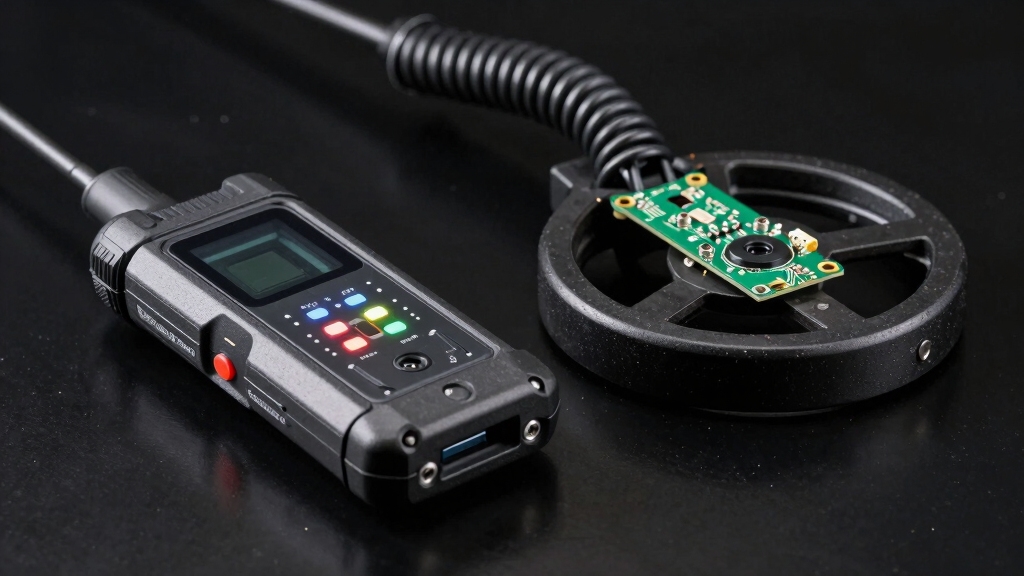
While metal detectors rely primarily on electromagnetic fields to sense metal disruptions, weapon detectors use advanced AI, machine learning, and sensor fusion to analyze both shape and material characteristics.
You’ll notice metal detectors detect any metal presence, unable to differentiate keys from weapons, causing frequent false alarms. In contrast, weapon detectors identify specific threats, including firearms and explosives, regardless of metallic content.
They analyze geometric features, distinguishing handgun profiles from laptops or phones. This capability stems from real-time algorithms that interpret sensor data beyond simple metal detection, enhancing threat accuracy.
You’ll find weapon detectors superior in pinpointing concealed or disguised threats, whereas metal detectors can miss non-metallic weapons entirely. This technological divergence materially impacts detection reliability and operational efficiency in security environments.
Additionally, integrating these systems with advanced analytics can further improve accuracy and reduce false alarms.
How False Alarms Affect Metal Detector Performance?
The inability of metal detectors to distinguish harmless metal objects from weapons directly impacts their performance through frequent false alarms.
These false positives cause significant operational inefficiencies and reduce overall security effectiveness. When you rely on metal detectors, expect:
- Up to 60-80% false alarm rates in office environments due to common devices like phones and laptops.
- Increased secondary searches, which slow down throughput and create bottlenecks.
- Elevated staffing needs to manage frequent manual inspections, raising operational costs.
- User frustration from repeated alarms, leading to reduced compliance and potential security lapses.
These challenges highlight that metal detectors’ lack of discriminative capability not only burdens personnel but also compromises the smooth flow of people, undermining their intended security function. Incorporating motion detection technology with AI-based filtering could significantly reduce false alarms and improve operational efficiency.
How AI Boosts Weapon Detector Accuracy Over Metal Detectors?
Because AI leverages advanced algorithms and machine learning, weapon detectors can analyze shapes, materials, and contextual threat indicators with far greater precision than traditional metal detectors.
AI systems evaluate object geometry, distinguishing handguns from everyday items like laptops or keys, which metal detectors cannot. This shape and material recognition reduces false positives drastically, improving accuracy from 60–80% false alarms down to 10–25%.
You also benefit from AI’s ability to detect non-metallic threats and concealed weapons, which standard metal detectors miss entirely. The real-time processing of multiple sensor inputs guarantees precise threat classification, enabling you to respond swiftly and accurately.
In contrast, metal detectors rely solely on electromagnetic disruption, lacking the nuanced analysis AI provides to enhance detection reliability and operational efficiency.
Moreover, integrating AI with advanced video processing enables weapon detectors to achieve higher accuracy and scalability in diverse environments.
Why Weapon Detectors Offer Superior Detection Accuracy?
You know why weapon detectors are a game-changer? They really nail down identifying threats by looking at the shape and material of objects. Unlike metal detectors, which just go off at any metal, weapon detectors are much more precise.
This precision means they can significantly reduce false alarms. Imagine cutting unnecessary alerts from 80% down to as low as 10%! That’s a big deal.
By zeroing in on actual threats, weapon detectors not only boost accuracy but also improve operational efficiency in security settings. This aligns well with the principle of continuous monitoring to ensure reliable detection without manual input.
Precision In Threat Identification
When evaluating threat detection technologies, you’ll find weapon detectors outperform traditional metal detectors by employing AI-driven analysis that distinguishes actual weapons from benign metal objects. This precision hinges on several technical capabilities:
- Shape Recognition: AI algorithms analyze item geometry, differentiating handgun profiles from harmless shapes like keys or phones.
- Material Analysis: Advanced sensors detect both metallic and non-metallic threats, surpassing metal detectors’ metal-only scope.
- Contextual Assessment: Machine learning evaluates object placement and concealment to identify disguised weapons effectively.
- Real-Time Processing: Continuous data analysis enables immediate, accurate threat identification without manual intervention.
Additionally, integrating real-time spectrum monitoring can enhance detection accuracy by identifying concealed electronic components associated with advanced weaponry.
Reduction In False Alarms
Building on the enhanced precision in threat identification, weapon detectors markedly reduce false alarms by filtering out non-threatening metal objects that typically trigger traditional metal detectors. You’ll see fewer unnecessary alerts because weapon detectors analyze shape and material, distinguishing weapons from phones or keys.
This reduces secondary searches and operational delays, improving throughput and security efficiency.
| Feature | Metal Detector | Weapon Detector |
|---|---|---|
| False Alarm Rate | 60-80% | 10-25% |
| Detection Scope | Metal presence only | Shape, material, threat type |
| Secondary Searches | Frequent | Minimal |
| Non-Metallic Threats | Undetected | Detected |
| Operator Intervention | High | Low |
You benefit from streamlined security and accuracy, minimizing disruptions without sacrificing safety. Advanced metal detectors offer multi-zone detection capabilities that further enhance precision and reduce blind spots during screening.
How Metal Detectors Slow Down Security Lines?
Frequently, metal detectors become a bottleneck in security screening due to their operational requirements. When you use metal detectors, you face these constraints:
- You must remove metal items like keys and phones, which slows individual throughput.
- False alarms occur frequently, triggering secondary manual searches that delay lines.
- Metal detectors require operators to manage alerts and conduct pat-downs, adding staffing overhead.
- Single checkpoint setups concentrate screening, creating congestion during peak entry times.
Each factor compounds, resulting in slower processing and longer wait times.
You experience reduced efficiency because metal detectors can’t distinguish harmless metal objects from threats. This forces exhaustive checks.
This operational rigidity limits your capacity to maintain smooth and rapid security flow, unlike more advanced systems designed for higher throughput and minimal interference. Additionally, the presence of false alarms caused by non-threatening metal items exacerbates delays and resource allocation challenges in screening areas.
How Weapon Detectors Speed Up Security Checks?
You’ll notice that weapon detectors scan individuals without needing you to take out your belongings. This really speeds things up!
By cutting down on false alarms, they also reduce those annoying secondary checks that usually slow everything down.
Their effectiveness is enhanced by combining different detection methods, similar to how a combined sweep methodology improves locating hidden devices.
Faster Scanning Process
Weapon detectors cut down scanning times by eliminating the need for individuals to empty their pockets or remove belongings during security checks.
This streamlined process reduces manual handling and allows you to move through checkpoints more swiftly.
Here’s how weapon detectors speed up scanning:
- AI algorithms analyze threat profiles in real time, minimizing false alarms.
- No requirement to pause for secondary searches on benign metal items.
- Automated detection decreases operator interventions and manual pat-downs.
- Continuous scanning through integrated cameras covers multiple subjects simultaneously.
Unlike metal detectors, which rely on electromagnetic disruption and require slow, methodical scans, weapon detectors use advanced sensors and machine learning to quickly identify genuine threats.
This efficiency not only accelerates your passage but also enhances overall throughput without sacrificing security accuracy.
Regular firmware and software updates ensure the system maintains security and performance by patching vulnerabilities and improving detection capabilities.
Reduced Queue Times
By streamlining the scanning process, weapon detectors directly reduce bottlenecks that typically form at security checkpoints. You won’t need to empty your pockets or slow your pace, as AI-driven detection swiftly analyzes threats without manual intervention.
This efficiency drastically cuts wait times compared to metal detectors, which rely on slower, intrusive procedures causing long queues.
| Metal Detectors | Weapon Detectors |
|---|---|
| Slow, pocket emptying | Fast, no removal needed |
| High false alarms | Precise threat filtering |
| Requires multiple staff | Automated operation |
| Long queues | Minimal wait times |
With weapon detectors, you experience seamless, rapid security checks that maintain flow and reduce frustration. However, it is important to maintain precautions and safety measures when operating any detection technology to ensure reliable and safe use.
How Metal and Weapon Detectors Compare in Cost?
Although initial expenses for walk-through metal detectors typically range between $4,000 and $5,000, ongoing costs such as staff training and deployment markedly increase total expenditure.
Walk-through metal detectors cost $4,000–$5,000 upfront, with ongoing staff training and deployment expenses adding significantly.
You’ll find weapon detectors leverage AI and existing camera infrastructure, minimizing hardware investments.
Consider these key cost factors:
- Metal detectors require additional personnel for operation and secondary screening, driving up labor costs.
- High false alarm rates with metal detectors cause frequent, costly secondary searches.
- Weapon detectors reduce staff needs through automated threat analysis, lowering operational expenses.
- Handheld metal wands add to ongoing costs due to extra staffing requirements.
How Weapon Detectors Extend Surveillance Beyond Entry Points?
Beyond single entry points, advanced detection systems leverage AI-powered cameras to monitor entire campuses continuously.
You gain real-time threat identification anywhere on-site, not just at doors. This continuous surveillance detects concealed, shielded, or non-metallic weapons missed by metal detectors.
AI analyzes shapes and materials, providing precise alerts with location, shooter description, and movement direction. Your security team can respond faster and more effectively.
| Surveillance Area | Detection Capability | Response Enhancement |
|---|---|---|
| Entry Points | Concealed weapon detection | Immediate alerts |
| Common Areas | Visible firearm identification | Location tracking |
| Corridors & Hallways | Suspicious object analysis | Movement prediction |
| Parking Lots | Unattended object detection | Early threat recognition |
| Perimeter Surveillance | Intrusion detection | Thorough situational awareness |
Why Weapon Detectors Provide a Better User Experience?
When you implement weapon detectors, you markedly enhance the user experience by eliminating the invasive and time-consuming procedures typical of metal detectors.
Weapon detectors operate invisibly, avoiding physical searches and pocket emptying, which speeds up entry and maintains a welcoming atmosphere.
You’ll notice these key improvements:
- Reduced wait times due to swift scanning without removing belongings.
- Fewer false alarms, minimizing secondary checks and frustration.
- Lower personnel requirements as AI automates threat detection.
- Continuous, non-intrusive monitoring beyond entry points.
Frequently Asked Questions
Can Weapon Detectors Identify Threats in Real-Time During Emergencies?
Yes, weapon detectors identify threats in real-time during emergencies by leveraging AI and machine learning algorithms.
You can rely on these systems to analyze shapes, materials, and threat profiles instantly through advanced sensors and cameras.
They provide continuous monitoring, detecting concealed, disguised, or non-metallic weapons quickly.
This enables you to respond faster and more accurately, reducing false alarms and improving overall security efficiency during critical situations.
Are Weapon Detectors Effective in Outdoor or Open Environments?
Like a lighthouse cutting through fog, weapon detectors remain effective outdoors by leveraging AI-driven cameras and sensors to analyze threats in real time.
You can rely on their advanced algorithms to monitor wide open spaces, identifying concealed or visible weapons despite environmental challenges.
While factors like lighting or weather may slightly impact performance, these systems adapt dynamically.
This ensures you maintain high situational awareness and rapid threat detection beyond confined indoor areas.
How Do Weapon Detectors Handle Non-Metallic Explosive Detection?
You’ll find weapon detectors handle non-metallic explosive detection by leveraging AI-powered sensors that analyze shape, texture, and chemical signatures rather than relying solely on metal presence.
These systems use advanced algorithms to detect concealed threats like plastic explosives through real-time image and spectral data analysis.
This lets you identify disguised or shielded explosives with higher accuracy, reducing false negatives and enhancing security beyond traditional metal-based detection methods.
What Maintenance Is Required for Ai-Based Weapon Detectors?
You’ll need to regularly update the AI software to maintain detection accuracy and incorporate new threat profiles.
Routine sensor calibration guarantees reliable data capture, while periodic hardware inspections prevent malfunctions.
Cleaning camera lenses and sensor surfaces is essential to avoid image degradation.
Additionally, reviewing system logs helps identify anomalies or performance drops.
Can Weapon Detectors Integrate With Existing Security Systems and Protocols?
You can think of weapon detectors as the missing puzzle piece that fits seamlessly into your existing security framework.
They’re designed to integrate smoothly with current systems and protocols, leveraging AI to enhance overall threat detection.
By connecting with cameras, access controls, and alarm systems, they provide real-time alerts and actionable intelligence.
This interoperability boosts efficiency, reduces false alarms, and allows you to maintain a cohesive, layered security posture without overhauling your infrastructure.
Making the Smart Choice Between Weapon Detectors and Metal Detectors
When you choose between metal and weapon detectors, think of finding your way through a labyrinth. Metal detectors, like outdated maps, often lead to false alarms and delays.
Weapon detectors, powered by AI, act as a precise compass, cutting through noise with accuracy and speed. They don’t just detect; they anticipate threats, streamlining security while extending vigilance beyond entry points.
For a seamless, efficient security process, weapon detectors clearly outmatch their metal predecessors.