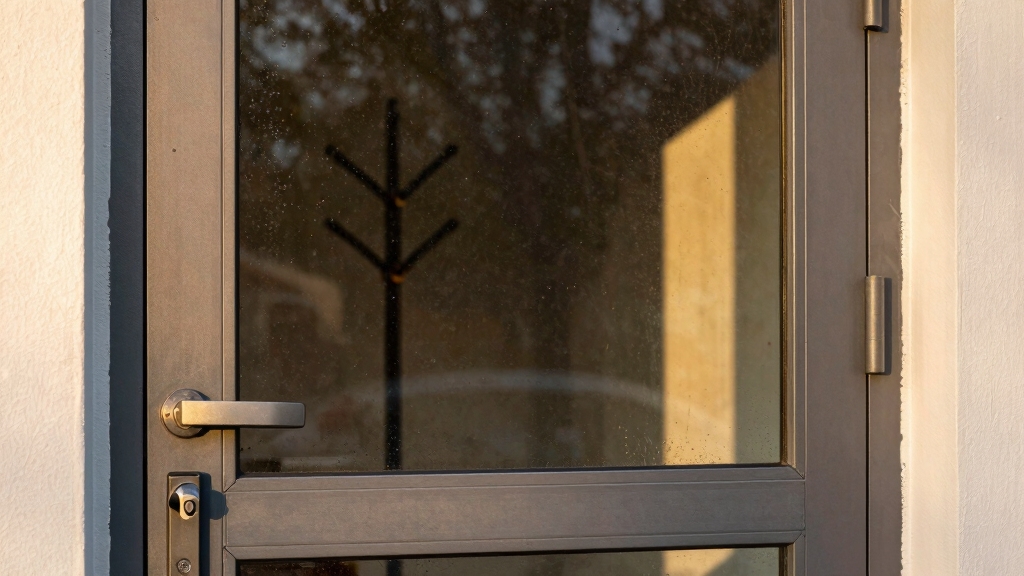

You can keep front doors with glass safe by using strong multipoint locks, reinforced frames, and safety glass like tempered or laminated types that resist shattering.
Avoid placing glass near locks to prevent easy tampering. Add security films or break sensors for extra protection.
While glass doors aren’t inherently riskier, combining quality hardware and proper installation dramatically reduces burglary and injury risks.
Learn practical ways to strengthen your glass door security and safety measures.
Key Takeaways
- Front doors with glass are not inherently less safe if properly installed with strong frames and quality hardware.
- Burglars rarely break front door glass due to noise and visibility; unlatched doors pose greater risk.
- Multipoint locks and reinforced frames significantly enhance security for glass-front doors.
- Tempered or laminated glass reduces injury risks by safely crumbling or holding shards together.
- Adding security films and glass break sensors further strengthens glass door protection against break-ins.
Do Glass Front Doors Increase Burglary Risk?
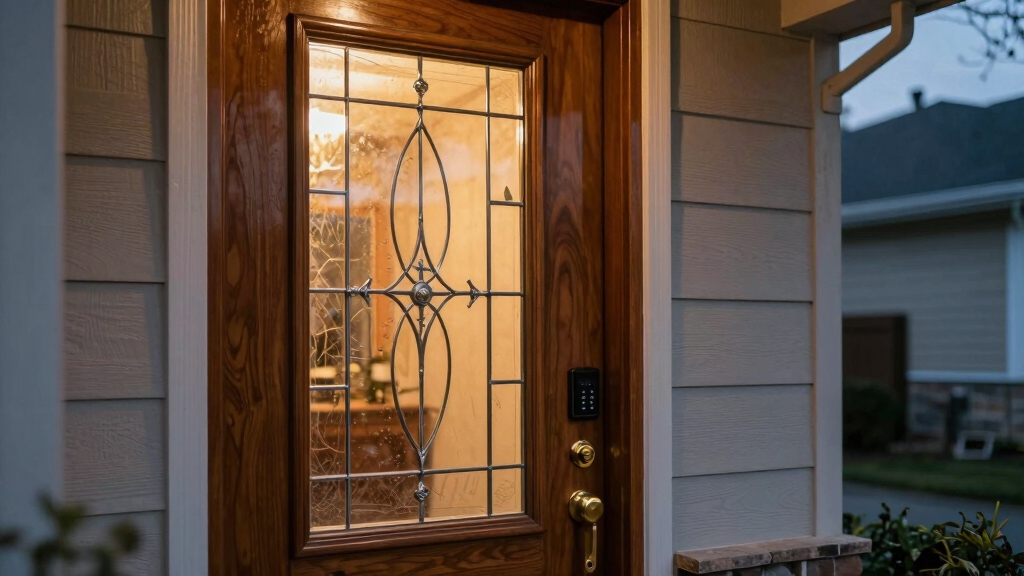
Although you might worry that glass front doors make your home an easier target, they don’t actually increase burglary risk based on door type alone.
Glass front doors don’t inherently raise burglary risk despite common concerns.
Burglars rarely smash front door glass because it’s noisy and highly visible, deterring break-ins.
In fact, 34% of burglaries happen through unlatched front doors, not shattered glass.
Instead, first-floor windows and back doors are more commonly exploited, accounting for nearly half of break-ins.
Garage and basement entries also present more frequent vulnerabilities than glass doors.
To protect your home effectively, focus on securing doors with quality locks and maintaining solid doorframes.
Understanding that glass alone isn’t the weak point helps you prioritize practical security measures without unnecessary worry about the presence of glass in your front door.
Incorporating reinforced frames can significantly enhance the structural integrity of doors, including those with glass panels, making forced entry much more difficult.
Factors Affecting Glass Door Security and Vulnerability
When evaluating glass door security and vulnerability, you need to take into account multiple factors beyond the glass itself. The door’s locking system plays a critical role. Multipoint locks securing top, center, and bottom points dramatically reduce forced entry risks.
The type of glass matters too. Tempered and laminated glass offer superior resistance, with laminated glass holding shards together and tempered glass crumbling into blunt pieces on impact.
You should also consider door frame strength and installation quality. Weak frames or poor fitting compromise security regardless of glass strength.
Avoid placing glass near locks to prevent easy access. Finally, adding security films or glazing solutions can further reinforce the door’s resistance to breakage, making your front entrance more secure without sacrificing aesthetic appeal.
For enhanced protection, installing glass break sensors can provide immediate detection of breakage attempts and trigger alarms to deter intruders.
Glass Front Door Injuries and Safety Hazards
Understanding the security features and vulnerabilities of glass front doors sets the stage for addressing their safety hazards and injury risks. Each year, around 40,000 glass door injuries occur nationally, with children especially vulnerable. Over 20,000 children require treatment annually.
Injuries often result from impact or accidental walk-through, making visible markers essential. Tempered glass, which crumbles into blunt pieces, and laminated glass, which holds shards together, reduce injury severity. However, nearly half of reported facility vulnerabilities stem from glass doors or windows, emphasizing the need for safer designs.
You can minimize risks by choosing safety-rated glass, applying security films, and ensuring proper installation. Prioritize glass quality and visibility features to protect household members and visitors from cuts, falls, and other hazards inherent to glass front doors.
Additionally, incorporating peepholes can enhance security by allowing occupants to identify visitors without opening the door.
Key Security Features for Glass Front Doors
Enhance your glass front door’s security by focusing on robust locking mechanisms, reinforced glass types, and strategic hardware placement. Use multipoint locks that secure the door at top, center, and bottom to resist forced entry.
Opt for tempered or laminated glass. Tempered crumbles safely, while laminated holds shards together, deterring break-ins. Position locks away from glass panels to reduce vulnerability. Prioritize quality hardware and professional installation for maximum efficacy.
For additional protection, consider incorporating reinforced steel plates behind lock installations to resist pry attacks and enhance durability.
| Feature | Benefit |
|---|---|
| Multipoint Locking | Secures multiple door points |
| Tempered Glass | Six times harder to break |
| Laminated Glass | Holds shards, resists impact |
| Hardware Placement | Minimizes glass near locks |
| Professional Install | Guarantees peak security setup |
Tips to Enhance Glass Door Safety Without Replacement
Although replacing glass doors can boost security, you don’t always have to invest in new installations to improve safety.
Start by applying security films designed to reinforce glass, making it harder to shatter.
Apply security films to strengthen glass and increase resistance to shattering.
Install visible stickers or decals at eye level to prevent accidental walk-through injuries.
Upgrade your locking system to a multipoint lock that secures the door at various points, reducing vulnerability if the glass is compromised.
Avoid placing locks directly on glass panels to minimize break-in risks.
Regularly inspect and maintain door hardware and frames to guarantee structural integrity.
Adding a security bar or door jammer offers an extra layer of physical protection.
These practical steps enhance safety effectively without the cost and hassle of full door replacement.
For additional security, consider installing a peephole designed for metal doors to identify visitors without opening the door.
Frequently Asked Questions
How Does Tempered Glass Compare to Laminated Glass in Durability?
Tempered glass is six times harder to break than regular window glass. It crumbles into small blunt pieces, reducing injury risks.
Laminated glass, on the other hand, holds together with a plastic interlayer when shattered. This provides better resistance to forced entry and debris.
If you want durability and security, laminated glass offers superior impact resistance. Tempered glass excels in strength but can break more completely under severe impact.
What Types of Locks Best Complement Glass Front Doors?
Locks that best complement glass front doors are multipoint lock systems, securing your door at the top, center, and bottom.
This locks down every potential weak spot like a fortress.
You’ll want to avoid non-reinforced glass near your locks to reduce vulnerabilities.
Pair these locks with high-quality hardware and proper installation to guarantee your door’s security isn’t just skin-deep.
This ensures your home stays safe without sacrificing style or convenience.
Are Security Films Effective Against Forced Entry?
Yes, security films are effective against forced entry because they strengthen glass by holding shattered pieces together, delaying break-in attempts.
You’ll find these films especially useful when combined with tempered or laminated glass, enhancing resistance to impact and intrusion.
They don’t make glass unbreakable, but they increase the time and effort burglars need, giving you vital extra seconds to react or alert authorities.
Always pair films with quality locks for best security.
How Often Should Glass Door Safety Features Be Inspected?
You should inspect glass door safety features at least twice a year. No less, or you might as well leave your front door wide open to trouble!
Check multipoint locks, glass integrity, and any security films for cracks or wear. Don’t forget visible markers to prevent injuries.
Regular inspections catch vulnerabilities early, ensuring your door remains a fortress, not a fragile invitation.
Stay proactive, or risk paying dearly later.
What Legal Regulations Govern Glass Door Safety Standards?
You’ll find glass door safety standards governed mainly by the International Building Code (IBC) and ANSI Z97.1. These codes specify safety glazing requirements to prevent injuries.
The Americans with Disabilities Act (ADA) also influences door design for accessibility. Local jurisdictions may have additional codes.
To stay compliant, make certain your glass meets impact resistance and marking standards. Regularly check for updates in regulations that affect residential or commercial installations.
Upgrade Security Without Losing the Glass Door Appeal
While glass front doors might seem like a security risk compared to solid doors, they also offer unmatched aesthetic appeal and natural light.
You can’t ignore the vulnerability glass introduces. Yet with reinforced materials, smart locks, and protective films, you can markedly boost safety without losing style.
Don’t trade beauty for security; use practical upgrades to enjoy both. Your front door can be both inviting and secure with the right approach.