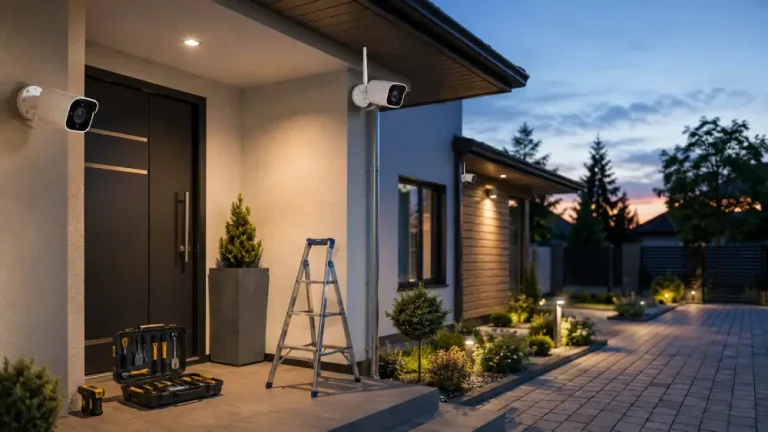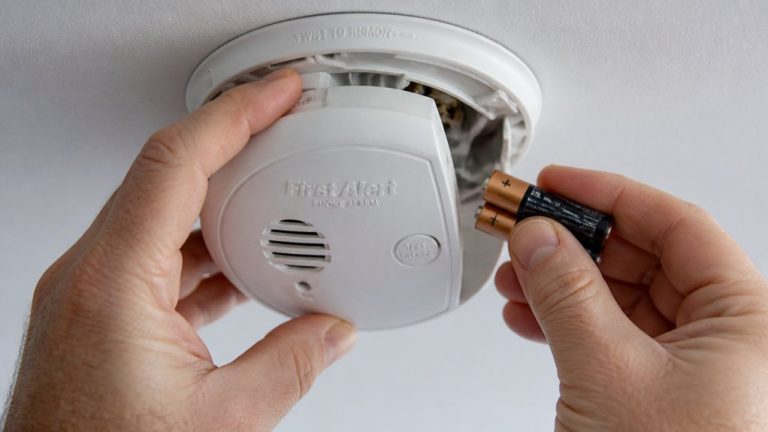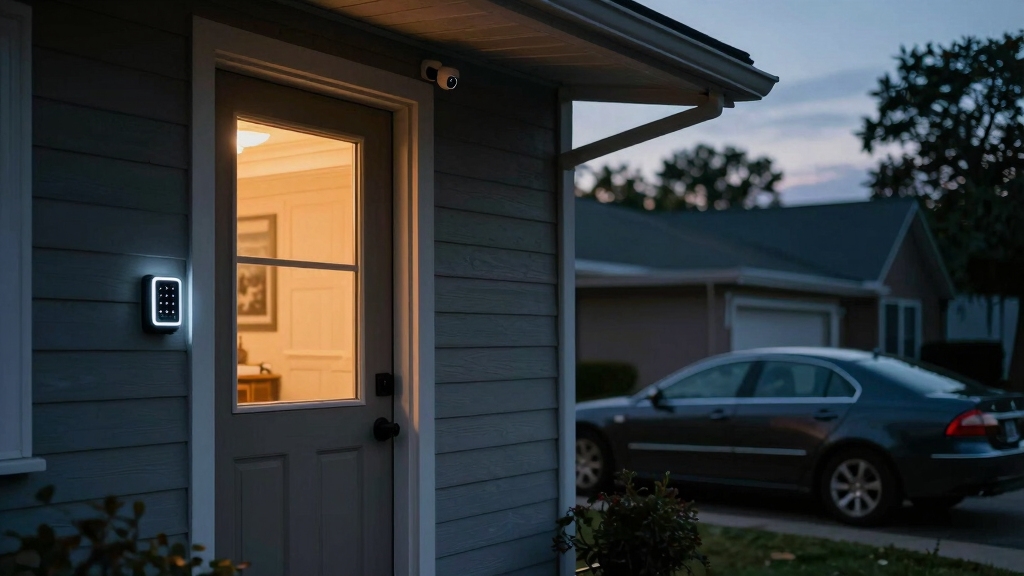

You’ll find alarm systems worth it because they markedly deter burglars. 83% check for alarms, and 60% back off if detected. Alarms also cut fire fatalities by up to 90% when integrated with advanced features.
Their smart sensors and real-time alerts enhance security while minimizing false alarms. Plus, neighborhoods with many alarmed homes see fewer break-ins.
Understanding key features, community impact, and adoption trends will further clarify their value for your home.
Key Takeaways
- Alarm systems deter burglars, with 60% avoiding homes that have alarms, reducing burglary rates significantly.
- Integration with smart home technology and real-time alerts enhances security and quick emergency response.
- Smoke and fire alarms cut fire death rates by up to 90% when equipped with advanced features like automatic emergency signaling.
- Proper maintenance and optimized sensor settings minimize false alarms, ensuring reliable protection without unnecessary disruptions.
- High neighborhood alarm adoption creates collective deterrence, lowering crime rates without displacing burglaries to nearby areas.
Why Alarm Systems Matter for Home Security?
Many burglars actively avoid homes equipped with alarm systems, making these devices a critical component of effective home security.
Burglars often steer clear of homes with alarm systems, highlighting their vital role in security.
You should understand that 83% of intruders scan for alarms before attempting a break-in, and 60% will seek another target if they detect one.
Alarm systems employ motion sensors and glass break detectors to identify unauthorized entry, triggering immediate alerts.
This detection capability forces about half of burglars to abandon their attempt upon activation.
Furthermore, neighborhoods dense with alarm installations report markedly fewer residential burglaries, indicating collective deterrence benefits.
By installing a reliable alarm system, you actively reduce your home’s vulnerability.
You leverage both technological precision and behavioral insights into criminal decision-making, which together enhance your property’s overall security posture effectively.
Passive alarm systems provide continuous security coverage without requiring manual activation, reducing the risk of human error through automatic sensor triggers.
What Crime Statistics Reveal About Alarm Effectiveness?
You know, it’s interesting to see how burglary rates really plummet in areas where alarms are commonly installed. A lot of burglars actually tend to steer clear or give up on their targets once they spot an alarm.
In fact, statistics reveal that a whopping 83% of intruders check for alarms before they strike. And get this—60% of them will look for easier targets if they find an alarm in place. Enabling smart alerts can further enhance security by providing real-time notifications of suspicious activity, increasing the chances of preventing a break-in.
Burglary Reduction Impact
Although no security measure guarantees complete protection, alarm systems demonstrably reduce burglary rates by deterring potential intruders and interrupting attempts in progress.
Data shows 83% of burglars check for alarms before targeting a home, with 60% abandoning the attempt if an alarm is present. Additionally, 50% of offenders cease their efforts once an alarm activates, limiting property loss and damage.
Neighborhoods with high alarm density report fewer residential burglaries, supported by studies like Rutgers’ Newark analysis (2001-2005) linking alarm prevalence to burglary declines.
Importantly, alarms reduce burglary without displacing crime to nearby areas. This evidence confirms that installing an alarm system markedly shifts risk calculations for burglars, enhancing your home’s security through both prevention and immediate response mechanisms.
Regular inspection to check for signs of tampering complements alarm systems by providing early detection of attempted break-ins.
Alarm Influence On Criminals
Understanding how alarms influence criminal behavior sharpens the picture of their effectiveness beyond burglary statistics alone.
Data shows 83% of burglars actively check for alarm systems before attempting a break-in. If an alarm is present, 60% opt to seek an alternative target, while 50% abandon the attempt upon discovering an active alarm during the burglary.
Only 13% persist despite detection. This deterrence effect markedly lowers burglary risks in neighborhoods with dense alarm installations.
The behavioral impact explains part of the 56% drop in household burglary rates between 1994 and 2011.
By directly influencing offender decision-making, alarm systems reduce crime without merely displacing it to nearby homes.
Consequently, alarms offer a proactive crime prevention tool by altering criminal choices before and during break-in attempts.
In cases of lockouts or security breaches, professional locksmiths provide emergency lockout response to restore security quickly and non-destructively.
How Alarm Systems Help Prevent Fires and Save Lives?
You know how important smoke alarms are, right? They play a crucial role in detecting fires early, and they’ve been shown to cut the fire death rate by at least 30%. That’s pretty significant!
But wait, there’s more. When you look at advanced systems, like those with hardwired connections and AES technology, the numbers get even better. These systems can reduce fatalities by up to 90%! Isn’t that amazing?
Understanding these advancements is key to really appreciating how alarms not only save lives but also help to mitigate fire risks. It’s all about being informed and making the best choices for safety.
To ensure continuous protection, it is essential that hardwired smoke detectors always have a reliable battery backup to function during power outages.
Smoke Alarm Effectiveness
Frequently, smoke alarms play a critical role in reducing fire-related fatalities by providing early warnings that enable timely evacuation and emergency response.
You rely on these devices to detect smoke particles early, triggering alarms that alert occupants before fires escalate.
Studies show that homes without functioning smoke alarms account for 59% of fire deaths, underscoring their life-saving value.
Hardwired smoke alarms with battery backup cut death rates by 71%. Those integrated with automatic emergency signaling (AES) reduce fatalities by up to 90%.
For peak effectiveness, you must install alarms in key areas, maintain batteries, and test devices regularly.
Smoke alarms primarily provide local alerts and do not identify fire location or type, making early detection and prompt evacuation crucial for safety early evacuation.
Advanced Alarm Technologies
Building on the proven effectiveness of smoke alarms in reducing fire fatalities, advanced alarm technologies enhance detection accuracy and response speed. This markedly improves your home’s fire safety.
These systems integrate multiple sensors and intelligent algorithms to minimize false alarms while ensuring rapid fire detection. You benefit from real-time alerts and automated emergency notifications that accelerate response times.
Key features include:
- Multi-sensor detectors combining smoke, heat, and carbon monoxide sensing
- Adaptive sensitivity settings to reduce false alarms from non-fire sources
- Integration with smart home systems for centralized monitoring and control
- Automated emergency services notification for immediate intervention
Photoelectric smoke alarms, which detect smoke through light scattering, are especially effective in providing early warnings for smoldering fires.
Fire Death Reduction
While no safety measure can eliminate fire risks entirely, alarm systems play a critical role in markedly reducing fire-related fatalities.
Smoke alarms lower the fire death rate by at least 30%, with hardwired models featuring battery backups increasing this reduction to 71%.
Advanced systems incorporating Automatic Emergency Signaling (AES) can cut deaths by up to 90%.
Alarm systems detect smoke early, giving you essential time to evacuate and alert emergency responders.
Given that 59% of fire deaths occur in homes without functioning alarms, installing and maintaining reliable devices greatly improves survival outcomes.
With fires causing injuries every 53 minutes and deaths every three hours, your investment in alarm technology is imperative for proactive fire safety and life preservation.
Regular fire drills and proper training ensure that occupants respond quickly and safely when alarms sound, further enhancing the effectiveness of alarm systems.
Key Alarm Features That Boost Your Home’s Security
Enhance your home’s security by integrating alarm features designed to detect and deter intrusions effectively. You want a system that not only alerts you but actively discourages burglars.
83% check for alarms before attempting a break-in, and 60% will seek easier targets if alarms are present. Key features you should prioritize include:
- Motion sensors: Detect unauthorized movement, triggering immediate alerts.
- Glass break detectors: Identify shattered windows faster than visible signs.
- Floodlights and motion-activated lights: Illuminate potential entry points, increasing visibility.
- Adjustable sensitivity settings: Reduce false alarms caused by pets or environmental factors.
Optimizing your system with motion zones and sensitivity adjustments can significantly improve detection accuracy and minimize false alarms.
How False Alarms Impact Your Security Experience?
Integrating advanced alarm features markedly strengthens your home’s defense, but managing false alarms remains a key challenge that can undermine your security experience.
Advanced alarm integration boosts home security but requires careful false alarm management to maintain effectiveness.
Frequent false alarms triggered by pets, environmental factors, or sensor malfunctions can desensitize you and emergency responders. This reduces the urgency of real threats.
These incidents not only cause unnecessary stress but also risk fines from local authorities due to repeated false dispatches.
To mitigate this, you need to optimize sensor sensitivity and utilize adjustable settings. Technical studies show this can materially lower false alarm rates.
Employing multi-factor verification, such as combining motion detection with glass break sensors, enhances accuracy.
Regular maintenance and proper placement are essential to reduce false alarm causes and ensure reliable operation.
What Burglars Think About Alarm Systems?
Because burglars actively appraise alarm systems before targeting a home, understanding their behavior is crucial for evaluating alarm effectiveness.
You should recognize that alarm presence markedly influences their decision-making process, often deterring attempts or prompting retreat.
When you install an alarm, you’re directly affecting how burglars evaluate risk.
Consider these insights:
- 83% of burglars check for alarms prior to entry, appraising vulnerability.
- 60% seek alternative targets if an alarm is detected, avoiding confrontation.
- 50% abandon their burglary attempt once an alarm activates.
- Only 13% proceed despite alarm presence, indicating alarms’ strong deterrent effect.
How Neighborhood Alarm Systems Reduce Residential Crime?
Understanding how individual burglars react to alarm systems sets the stage for evaluating the broader impact when multiple homes in a neighborhood install alarms.
Since 83% of burglars check for alarms beforehand, a high concentration of alarmed homes creates a hostile environment for intruders.
When 60% seek alternative targets upon spotting alarms, neighborhood-wide adoption increases the likelihood burglars will bypass the area altogether.
Studies, such as the Rutgers analysis of Newark, confirm that dense alarm installations correlate with significant reductions in residential burglaries without displacing crime to adjacent blocks.
As a result, your neighborhood benefits from collective deterrence, amplifying security beyond individual properties.
This network effect not only lowers burglary rates but also disrupts criminal patterns, creating safer residential communities through widespread alarm system integration.
How Many Homes Use Alarm Systems and Why Adoption Is Rising?
Alarm systems have become a mainstay in roughly one-third of U.S. households, reflecting a sharp rise in adoption driven by advancing technology and growing awareness of home security benefits.
Alarm systems now protect about one-third of U.S. homes, fueled by tech advances and security awareness.
You’ll find that market growth and consumer preferences fuel this trend markedly.
Consider these key factors behind increasing adoption:
The home security market, valued at $56.1 billion in 2024, is projected to reach $93 billion by 2030, indicating rapid expansion.
About 42% of users integrate video surveillance, while 37% employ video doorbells, enhancing system appeal.
Improved technology reduces false alarms, increasing user confidence in reliability.
Publicized crime statistics and fire safety benefits raise awareness, motivating more homeowners to invest.
Understanding these points clarifies why alarm systems are becoming a standard in residential security.
Factors to Consider Before Installing an Alarm System
With alarm systems becoming more widespread and technologically advanced, selecting the right setup requires careful evaluation of several key factors.
You should assess your property’s vulnerability, the system’s features, installation costs, and potential maintenance.
Consider how motion sensors, glass break detectors, and video surveillance integrate with your lifestyle.
False alarm rates and their causes, like pets or environmental factors, also affect system efficiency.
Evaluate whether you prefer self-monitoring or professional monitoring, as this impacts response times and cost.
Below is a breakdown highlighting critical considerations:
| Factor | Key Consideration |
|---|---|
| Property Type | Size, layout, entry points |
| System Features | Sensors, cameras, alerts |
| Cost | Installation, subscription |
| Monitoring | Self vs. professional |
These elements guarantee you choose a system that maximizes security and fits your needs.
Frequently Asked Questions
How Much Does a Typical Home Alarm System Cost Annually?
You can expect to pay between $300 and $600 annually for a typical home alarm system subscription. This usually covers monitoring services, software updates, and customer support.
Installation fees might be separate, ranging from $100 to $200 upfront. Advanced features like video surveillance or smart home integration can increase costs.
Keep in mind, customizable plans and promotions impact pricing. Evaluating your security needs helps you optimize your budget effectively.
Can Alarm Systems Be Integrated With Smart Home Devices?
Yes, you can integrate alarm systems with smart home devices seamlessly.
Modern alarms often support connectivity with platforms like Alexa, Google Home, and Apple HomeKit. This allows you to control security settings, receive alerts, and automate responses via your smartphone or voice commands.
Integration enhances your system’s functionality by linking sensors, cameras, lights, and locks.
This provides a thorough, real-time security network adaptable to your preferences and daily routines.
Do Alarm Systems Affect Homeowners Insurance Premiums?
Yes, installing alarm systems typically lowers your homeowners insurance premiums.
Insurers recognize that alarms reduce burglary and fire risks, which statistically decreases claim likelihood.
You can expect discounts ranging from 5% to 20%, depending on your provider and system type, especially with integrated smoke detectors, motion sensors, and monitored services.
Always verify with your insurer, as premium reductions vary by coverage terms, system features, and local crime rates.
What Maintenance Is Required to Keep an Alarm System Functional?
You need to test your alarm system monthly, checking sensors, detectors, and control panels to ensure responsiveness.
Replace batteries annually or when low to avoid false alarms or failures. Keep software and firmware updated to maintain security and compatibility.
Clean sensors and cameras regularly to prevent dirt interference. Schedule professional inspections yearly for thorough diagnostics and calibration.
These steps guarantee your system stays reliable, minimizing false alarms and maximizing protection efficiency.
Are DIY Alarm System Installations as Effective as Professional Ones?
DIY alarm systems can be effective if you install and configure them correctly.
However, professional installations often provide superior reliability and coverage.
Professionals guarantee sensors and cameras are ideally placed, reducing blind spots and false alarms.
They also integrate with monitoring services, improving response times.
If you’re confident in technical setup and maintenance, DIY works.
Otherwise, professional installation offers a more thorough, tested security solution that minimizes vulnerabilities and maximizes protection.
Protect What Matters Most with Modern Alarm Technology
Alarm systems markedly enhance your home security, with studies showing they reduce burglary risk by up to 60%.
This statistic underscores their effectiveness in deterring intruders and protecting your property. By integrating features like fire detection and neighborhood alerts, alarm systems offer all-encompassing safety.
While false alarms can be a nuisance, the overall benefits far outweigh these drawbacks. Considering crime data and technological advances, investing in an alarm system is a smart, evidence-based decision for your home’s security.