
Yes, alarm systems do deter burglars effectively. By displaying visible signs, you cut burglary risk by 25%. About 60% of burglars avoid homes with alarms or cameras altogether.
Loud, audible alarms trigger immediate flight in 87% of cases, shortening intrusion attempts drastically. Though not foolproof, since 10% might still proceed, alarms shift criminals’ risk-reward calculations.
They create a hostile environment for crime. You can explore how these systems influence burglar behavior and security beyond just the alarms themselves.
Key Takeaways
- Alarm systems reduce burglary risk by 25%, with visible alarms prompting 60% of burglars to avoid properties.
- 83% of burglars check for alarms and 60% walk away if alarms are detected.
- Audible alarms cause 87% of burglars to flee immediately, often shortening break-ins to under 10 minutes.
- Visible signs and cameras deter 53% to 60% of burglars by increasing perceived risk.
- Alarms are effective deterrents but work best combined with cameras, monitoring, reinforced entry points, and neighborhood vigilance.
What Statistics Reveal About Alarm Effectiveness?
Statistically, alarm systems consistently demonstrate significant deterrent effects against burglaries.
Alarm systems reliably reduce burglary risks by deterring potential intruders.
You’ll find that homes with visible alarm signs reduce burglary risk by 25%.
Approximately 60% of burglars avoid properties displaying alarms.
Without security systems, burglary likelihood jumps 300%, highlighting the protective value you gain by installing alarms.
Research from Rutgers University confirms a steady drop in burglaries correlating with increased alarm registrations over five years, reinforcing their preventive impact.
Additionally, an audible alarm prompts 87% of intruders to flee immediately, drastically shortening intrusion attempts.
This data reveals that alarm systems don’t just signal danger; they actively disrupt criminal activity, shaping burglar behavior through heightened perceived risk.
Understanding these statistics helps you appreciate how alarms serve as a powerful, evidence-backed tool in your crime prevention arsenal.
Moreover, combining alarm systems with complementary measures such as lighting and signage can significantly increase overall deterrence.
How Alarm Systems Affect Burglars’ Target Selection?
When burglars scope out potential targets, the presence of alarm systems plays a pivotal role in their decision-making process. You’ll find that 83% of convicted burglars actively check for alarms before attempting entry.
If they detect an alarm, 60% will simply walk away and choose a softer target. This behavior reflects a calculated risk assessment: the potential reward doesn’t justify the increased chance of being caught.
Only about 10% say they’d proceed regardless, while 40% might even abandon a break-in mid-act upon discovering an alarm. Visible systems, including cameras, further influence this selection by signaling heightened risk.
Additionally, neighborhoods with high alarm adoption create a hostile environment that amplifies collective deterrence and lowers overall crime rates.
Why Loud Alarms Make Burglars Run?
Although burglars often plan their actions carefully, the sudden blare of a loud alarm system disrupts their calculations and triggers an immediate flight response.
This abrupt noise sharply elevates perceived risk, forcing intruders to reassess the cost-benefit balance.
Studies show 87% of burglars flee right after an audible alarm triggers, indicating its effectiveness in shortening the window of opportunity.
The loud alarm compromises their stealth, increasing the likelihood of detection by neighbors or law enforcement.
This rapid amplification of risk reduces the time burglars feel secure inside your property, often cutting burglary attempts to under 10 minutes.
You can rely on loud alarms as a critical deterrent that exploits burglars’ need for quiet and speed, making your property a less attractive target.
For maximum deterrent effect, sirens should be mounted in high, hard-to-reach locations to ensure wide audible coverage and resistance to tampering.
Why Visible Alarm Signs and Cameras Boost Security?
The immediate flight response triggered by loud alarms highlights how quickly burglars react to heightened risk.
Preventing a break-in often starts even before an intruder attempts entry. Visible alarm signs alone reduce burglary risk by 25%, signaling to potential intruders that your property isn’t an easy target.
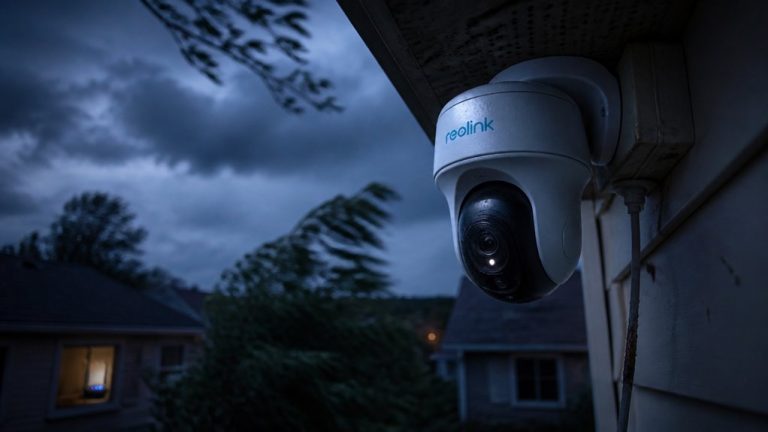
When combined with security cameras, the deterrent effect intensifies. 53% of burglars report avoiding homes with visible cameras.
These signs and cameras manipulate criminals’ risk-reward calculations, prompting 60% to select alternate targets. By clearly displaying alarm system presence, you create psychological barriers that discourage attempts.
This proactive visibility reduces burglary likelihood by up to 300% compared to unprotected homes. It makes your property less attractive and increases the chances that would-be burglars move on quickly without testing your defenses.
For optimal effectiveness, cameras should be placed at primary entry points such as front doors and ground-floor windows to maximize deterrence and coverage.
Limitations of Alarm Systems and What Else to Consider
Since alarm systems influence but don’t guarantee burglary prevention, you need to understand their limitations alongside their benefits.
Alarms primarily manipulate criminal risk perception; they don’t physically block entry. Some studies even associate alarms with increased burglary risk, likely due to false confidence or system misuse.
Alarm effectiveness depends on prompt response. Without rapid verification and dispatch, deterrence weakens. Also, 10% of burglars still attempt break-ins despite alarms, indicating no system is foolproof.
To optimize security, combine alarms with visible signs, quality cameras, and professional monitoring. This creates layered defenses.
Don’t rely solely on technology; reinforce doors and windows, maintain good neighborhood vigilance, and employ behavioral deterrents.
Recognizing alarms as one component of a broader strategy guarantees you address vulnerabilities and maximize protection.
Additionally, regular maintenance and testing of alarm components are essential to avoid false alerts that could reduce system reliability and response effectiveness.
Frequently Asked Questions
How Do Alarm Monitoring Services Impact Insurance Premiums?
Alarm monitoring services typically lower your insurance premiums by reducing the risk of theft or damage to your property. Insurers recognize that monitored alarms prompt faster responses, decreasing potential losses and claim severity.
You can expect discounts ranging from 5% to 20%, depending on your provider and coverage. Make sure your monitoring service is professionally managed and linked to emergency responders to maximize these financial benefits on your insurance policy.
Can Alarm Systems Be Integrated With Smart Home Technology?
Imagine your lights dimming as your alarm arms itself. Yes, you can integrate alarm systems with smart home technology.
This fusion lets you control security, lighting, and climate from one app, enhancing convenience and safety. You’ll benefit from real-time alerts and automation, tailoring responses to specific triggers.
Integration also supports voice commands and remote monitoring, making your home smarter and more secure through seamless, interconnected systems.
What Maintenance Is Required to Keep Alarm Systems Effective?
You need to regularly test your alarm system to make certain sensors and alarms function properly.
Replace batteries promptly to avoid downtime and update software or firmware to maintain security against vulnerabilities.
Clean sensors and cameras to prevent false alarms and ensure clear footage.
Schedule professional inspections annually for all-inclusive system checks.
Staying proactive with maintenance preserves the system’s reliability, maximizing its deterrent effect and minimizing burglary risks effectively.
How Do Alarm Systems Perform in Commercial Versus Residential Settings?
You’ll find alarm systems perform strongly in both commercial and residential settings, but effectiveness varies.
Commercial sites often benefit from integrated monitoring and coverage, deterring sophisticated attempts.
Residential alarms rely heavily on visibility and audible alerts, reducing burglaries by up to 60%.
In either case, alarms influence criminal risk assessment, prompting 83% of burglars to avoid targets with alarms.
Your choice should match property type and threat level for peak protection.
Are There Privacy Concerns Related to Security Cameras and Alarms?
You should be aware that 53% of burglars are deterred by visible security cameras.
However, this raises privacy concerns. Cameras often capture images beyond your property, potentially infringing on neighbors’ privacy or public spaces.
You must balance effective surveillance with legal restrictions and ethical considerations.
Also, alarm sounds can disturb privacy by broadcasting alerts publicly.
Final Thoughts on Alarm Systems and Burglary Risk
You can’t ignore the hard facts: alarm systems act like a lighthouse, steering burglars away from your home’s rocky shores.
Statistics prove they reduce break-ins, while loud sirens and visible cameras increase the risk for intruders. This pushes them to seek easier targets.
However, alarms aren’t foolproof shields. You’ll need layered security measures to truly fortify your defenses.
In the end, alarms are an essential piece, but not the entire puzzle, of home protection.