
You can secure your home without an alarm by keeping all doors and windows locked with quality deadbolts and reinforced frames.
Add bars or locking pins to sliding doors and windows to block forced entry. Use motion-activated exterior lighting and keep landscaping trimmed for clear sightlines.
Store valuables out of sight and secure outdoor tools to prevent misuse. Enlist trusted neighbors to watch your home and simulate occupancy with timed lights.
Here’s how to layer simple, effective barriers for stronger security.
Key Takeaways
- Keep all exterior doors locked with quality deadbolts and reinforce frames, hinges, and strike plates to prevent forced entry.
- Secure sliding doors and windows with locking bars, secondary locks, or security film to block common break-in points.
- Install motion-activated and timer-controlled exterior lights to increase visibility and simulate occupancy.
- Maintain clear sightlines by trimming landscaping and use visible security cameras or neighborhood watch for informal surveillance.
- Store valuables securely out of sight and lock outdoor tools and ladders to prevent their misuse in break-ins.
Lock Doors and Windows to Secure Your Home
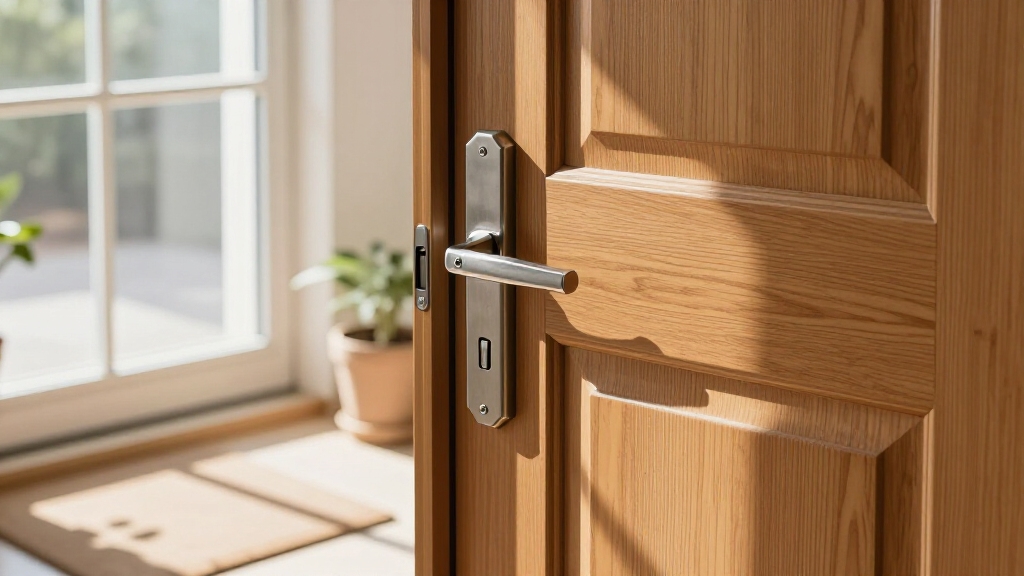
Start by locking every possible entry point to make your home a tough target for intruders.
Keep all exterior doors locked at all times, including side, back, and garage doors. Use quality deadbolts rather than standard knob locks to maximize security.
Don’t overlook windows. Secure every one, especially on the first floor and basement, since unsecured windows are common access points.
For sliding glass doors, install locking pins, bars, or blocking devices to prevent forced or lifted entry.
Regularly inspect and reinforce weak frames, hinges, and strike plates. Even the best locks fail if these components are vulnerable.
Consider installing security doors with reinforced steel frames to significantly improve your home’s resistance to forced entry.
Strengthen Doors and Windows to Resist Forced Entry
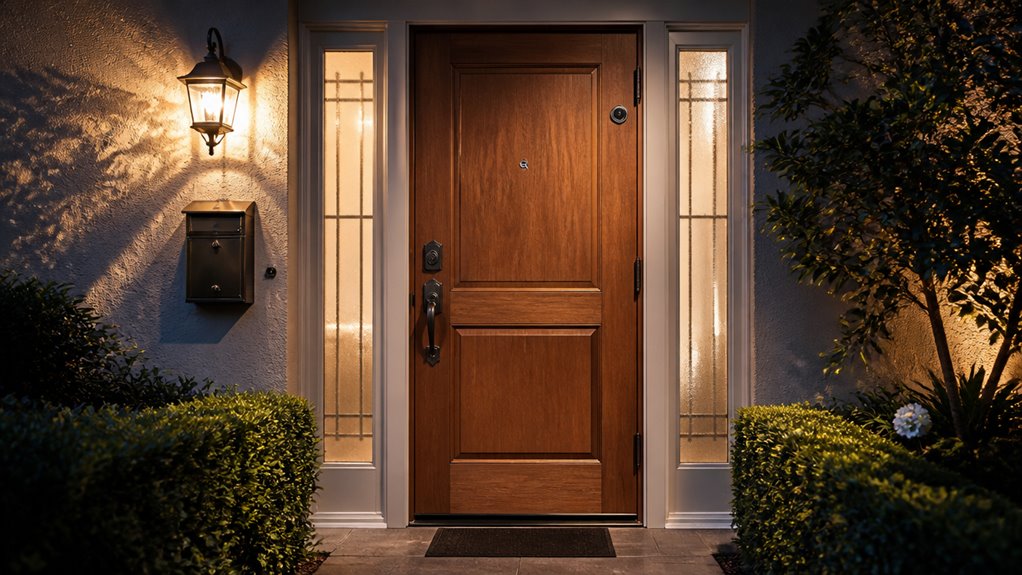
You know, one of the best ways to boost your home’s security is by installing solid-core exterior doors. They really stand up to kicks and prying much better than those hollow ones. It’s a simple change that can make a big difference!
Now, let’s talk about your windows. Upgrading the locks is a smart move, but you might also want to consider adding some secondary devices or even security film. These additions can really help delay break-ins and lower your vulnerability.
In the end, these enhancements work together to create strong barriers. They make it much tougher for intruders to get in, giving you that extra peace of mind.
For added protection, consider installing laminated, impact-resistant glass to reduce breakage risk and delay forced entry attempts.
Solid-Core Door Benefits
Many homeowners overlook the significant security boost that solid-core doors provide compared to hollow-core alternatives.
By installing solid-core doors on all exterior entry points, you create a strong physical barrier that resists forced entry attempts far better than lightweight doors.
These doors withstand kicking, prying, and battering, making it markedly harder for intruders to break in.
Additionally, solid-core doors improve lock effectiveness since deadbolts engage more securely with a dense door structure.
When paired with reinforced frames and high-quality strike plates, they form a robust defense layer.
Unlike hollow-core doors, solid-core models also reduce noise transmission and improve insulation.
Upgrading to solid-core doors is a practical, cost-effective step to strengthen your home’s security without relying on alarms or electronic systems.
For added security and longevity, incorporating reinforced mounting hardware and hardened steel anti-drill plates can significantly enhance door strength.
Window Security Enhancements
Window security enhancements play a crucial role in preventing unauthorized access. Windows are frequent targets for intruders seeking easy entry. You should lock all windows, including basement and first-floor units, and install secondary locks for added protection.
Reinforce weak frames, hinges, and strike plates to resist prying. Adding security film or upgrading to safety glass can slow break-ins markedly.
| Security Measure | Purpose | Recommended Use |
|---|---|---|
| Window Locks | Secure window sashes | All accessible windows |
| Security Film | Slow glass breakage | Sliding and ground-floor glass |
| Reinforced Frames | Resist forced entry | Older or damaged window frames |
| Window Bars or Covers | Block entry through basement | Basement and vulnerable windows |
Implement these enhancements to make forced entry through windows far more difficult. Additionally, monitoring ground-level windows with security cameras can further deter break-in attempts by providing real-time surveillance and evidence if needed.
Use Lighting and Visibility to Deter Intruders
Frequent use of well-placed lighting can markedly reduce the risk of intrusions by eliminating dark areas where trespassers might hide.
Install motion-activated lights near doors, garages, walkways, and any shadowy corners to expose movement immediately.
Use exterior lights on timers to simulate occupancy during nighttime and when you’re away.
Inside, set interior lights on timers to create a lived-in appearance.
Keep landscaping trimmed to maintain clear sightlines to windows and entry points, removing potential hiding spots.
Avoid dense shrubbery and clutter near fences, side yards, or paths that could shield an intruder.
By strategically increasing visibility and deterring concealment, you make your home appear actively monitored and less vulnerable.
This discourages opportunistic break-ins without relying on alarm systems.
For enhanced protection, combining lighting with strategically positioned security cameras can provide continuous surveillance and improve deterrence.
Secure Valuables and Remove Easy Targets
You know, it’s really important to keep your valuables—like cash, jewelry, and important documents—out of sight from windows and doors. This way, you won’t be tempting any thieves who might be passing by.
And don’t forget about your outdoor tools and ladders! It’s a good idea to secure those in locked sheds or garages. That way, they can’t be used as a way to break in.
Oh, and let’s talk about spare keys for a moment. It’s best to remove them from those obvious hiding spots like under doormats or flowerpots. You’d be surprised how easy those access points can be for someone looking to get in.
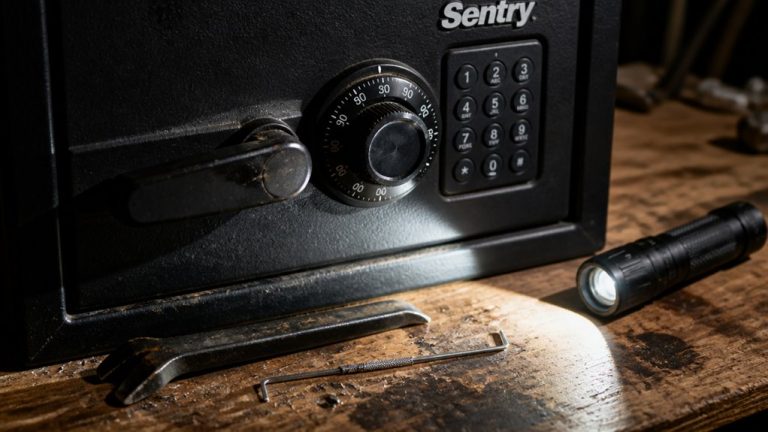
Also, storing important documents in a fireproof, lockable safe adds an extra layer of protection against theft and damage.
Hide Valuables From View
Keep valuables out of sight to cut down on temptation and reduce the risk of break-ins. Thieves often target homes where they spot easy rewards through windows or open doors.
You can deter them effectively by taking these focused steps:
- Store cash, jewelry, and sensitive documents in a secure, concealed safe or hidden compartment, away from windows.
- Always close curtains or blinds, especially at night or when you’re away, to block views into your home.
- Remove or lock away small electronics and valuables that could be quickly grabbed. Ensure they don’t catch a passerby’s eye.
Regularly monitor your property for visible vulnerabilities that might attract unwanted attention and increase risk.
Secure Outdoor Tools
Securing outdoor tools stops them from becoming easy aids for burglars trying to break into your home.
Don’t leave ladders, gardening tools, or power equipment out in the open; these can help thieves access upper windows or force entry points.
Store all tools in a locked shed or garage with sturdy doors and reliable locks.
If you don’t have a shed, consider installing secure outdoor storage boxes designed to resist tampering.
Regularly check that locks are intact and replace any weak or broken hardware immediately.
Ensure that any garage or shed sensor lights are properly maintained to enhance security by deterring unauthorized access through sensor light malfunction prevention.
Remove Obvious Spare Keys
After securing outdoor tools to prevent their misuse, it’s important to address another common vulnerability: spare keys left in obvious locations.
Burglars often check typical hiding spots first, so you must remove any spare keys from places like doormats, flowerpots, and mailboxes.
Instead, consider these safer alternatives to protect your home:
- Give a trusted neighbor or nearby family member a spare key; this keeps access controlled and discreet.
- Use a secure lockbox with a combination code installed in an inconspicuous spot.
- Opt for smart locks or keypad entry systems that eliminate the need for hidden physical keys altogether.
In case of lockouts, professional locksmiths can provide non-destructive entry to regain access without damaging your locks or doors.
Show Your Home Is Occupied and Get Neighbors Involved
Regularly showing signs of occupancy is one of the most effective ways to deter potential intruders.
Keep interior lights on timers, especially in rooms visible from the street, to create a lived-in look even when you’re away.
Arrange for mail and package pickups so they don’t pile up, signaling absence.
Ask trusted neighbors to park on your driveway occasionally or check the property for unusual activity.
Joining or starting a neighborhood watch increases informal surveillance and fosters collective vigilance.
If you have outdoor cameras, share access with neighbors so they can alert you to suspicious behavior.
These simple, coordinated steps make your home appear active and monitored, markedly reducing the risk of break-ins without investing in a security alarm system.
Studies show that neighborhoods with high alarm adoption amplify collective deterrence and lower overall crime rates.
Add Simple Barriers to Boost Your Home’s Security
While showing your home is occupied helps deter intruders, adding physical barriers creates tangible obstacles that increase the effort needed to gain entry.
You can markedly strengthen your home’s security by focusing on simple, cost-effective barriers. Start by reinforcing all entry points. Use solid-core doors, quality deadbolts, and secure window locks.
Next, install secondary locking devices or bars on vulnerable windows and sliding doors to block forced entry.
Finally, control access to your yard and basement with lockable gates and covers.
- Reinforce doors and windows with strong locks and materials to resist prying.
- Block sliding doors with pins or bars to prevent lifting or forced entry.
- Secure gates and basement windows to limit hidden access points.
Layering these barriers discourages intruders and protects your home effectively.
Frequently Asked Questions
How Can Landscaping Affect My Home’s Security?
Landscaping can either enhance or weaken your home’s security.
You should trim shrubs and trees near windows and entryways to maintain clear sightlines, eliminating hiding spots for intruders.
Avoid dense or tall plants close to doors and fences that could conceal someone.
Keep walkways and yards well-lit, using motion-activated lights to deter trespassers.
Proper landscaping creates natural surveillance opportunities, making your home less inviting to burglars and improving overall safety.
What Are the Best Materials for Reinforcing Door Frames?
Think of your door frame as the fortress walls of your home. To reinforce it, use solid steel or heavy-gauge metal strike plates. They withstand prying like a knight’s armor.
Hardwood frames, like oak or mahogany, offer strong resistance against kicks or forceful entry.
Also, replace standard screws with 3-inch steel screws to firmly anchor hinges and strike plates into the wall studs.
These materials and techniques build a barrier burglars struggle to breach.
How Often Should I Check and Maintain Locks and Barriers?
You should check and maintain your locks and barriers at least every three months to ensure they function properly.
Inspect deadbolts, hinges, and strike plates for wear or damage.
Lubricate locks with graphite or silicone spray to prevent sticking.
After storms or heavy weather, do an additional inspection.
Promptly repair or replace any compromised hardware.
Regular maintenance keeps your security measures reliable and deters potential intruders effectively.
Can Pets or Dogs Help Deter Burglars Effectively?
Can any burglar ignore a loud, alert dog?
Yes, pets, especially dogs, can effectively deter burglars by barking loudly and drawing attention to intruders.
Their presence signals that the home is occupied and monitored, making break-ins riskier.
You should choose a dog breed known for protective instincts and keep them visible from entry points.
Even smaller pets can serve as an early warning system, giving you extra security without expensive equipment.
Are There Smartphone Apps to Monitor Home Security Without Alarms?
Yes, you can use smartphone apps like Ring, Arlo, and Nest to monitor your home security without traditional alarms.
These apps connect to cameras and sensors, letting you view live feeds and receive motion alerts.
You can also control settings remotely.
You don’t need a full alarm system; just install compatible devices.
The apps provide real-time monitoring and notifications, helping you stay informed and respond quickly to suspicious activity.
Simple Ways to Keep Your Home Safe Without an Alarm
By locking and reinforcing your doors and windows, using strategic lighting, and securing valuables, you’re already ahead of the game in protecting your home.
Don’t forget to make it look lived-in and involve your neighbors. They can be your eyes when you’re not around.
Adding simple barriers adds another layer of defense.
Remember, an ounce of prevention is worth a pound of cure. Take these practical steps now to keep your home safe without relying on a security alarm.