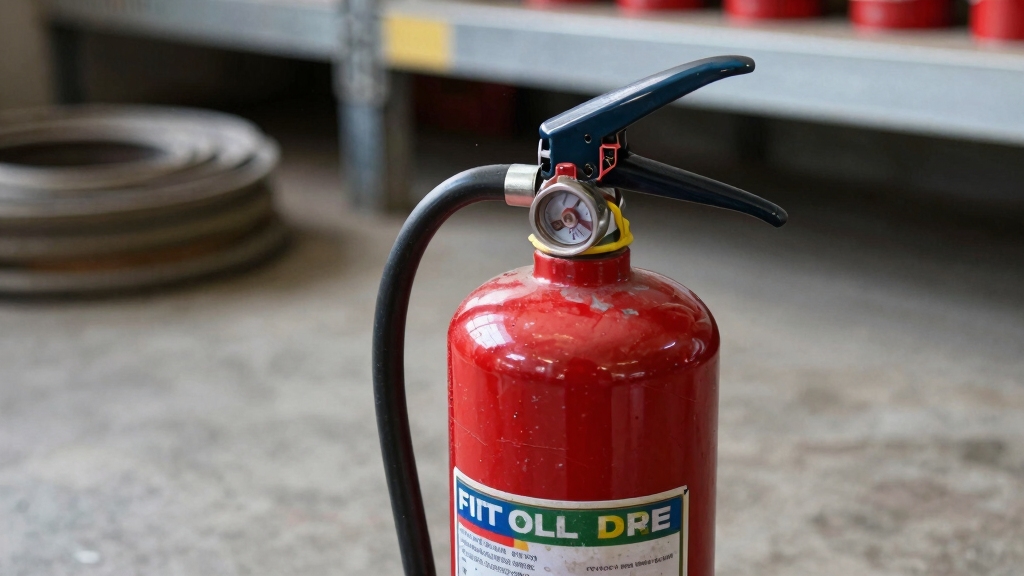

You can reuse a fire extinguisher only if it’s rechargeable and passes professional inspection, servicing, and pressure testing.
Look for metal valves and a pressure gauge; disposable units with plastic parts cannot be refilled. Always verify the gauge is in the green zone, check for damage or expiration, and never attempt DIY refills.
Certified technicians must perform hydrostatic tests and recharge with the correct agent. Understanding proper reuse guarantees your extinguisher remains reliable and safe for emergencies.
Key Takeaways
- Rechargeable fire extinguishers with metal valves and gauges can be professionally refilled and reused after proper inspection and servicing.
- Disposable extinguishers with plastic components cannot be refilled or reused and must be replaced after discharge.
- Reuse requires a certified technician to perform inspection, hydrostatic testing, agent removal, refilling, repressurization, and resealing.
- Partial discharge units pose risks and must be fully serviced before reuse to ensure pressure accuracy and extinguisher effectiveness.
- Regular inspections and adherence to safety standards are essential to confirm extinguisher integrity before reuse.
Types of Fire Extinguishers: Reusable vs Disposable
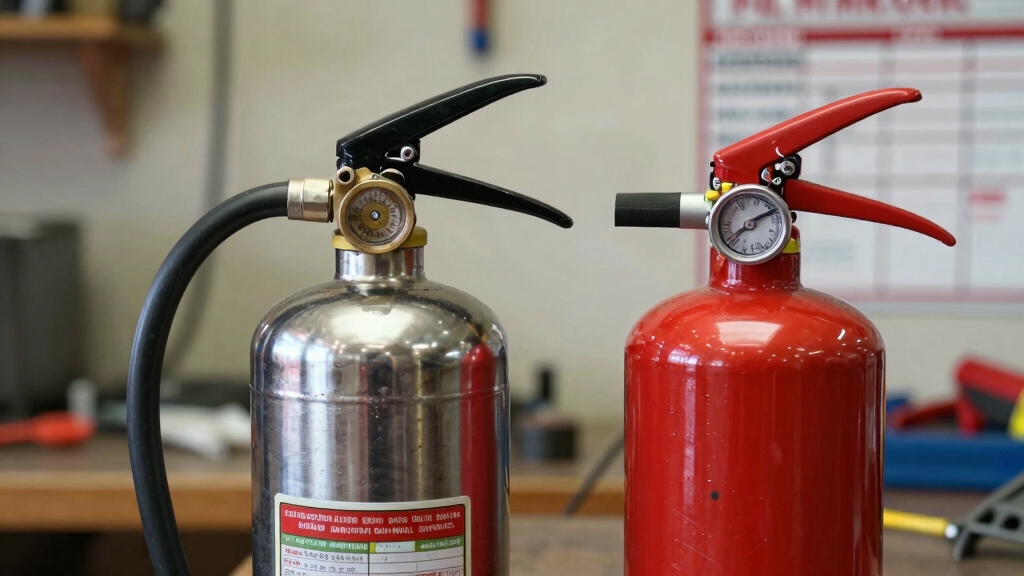
Although fire extinguishers serve the same fundamental purpose, their design determines whether they can be reused or must be replaced after discharge.
Rechargeable extinguishers incorporate durable metal valves and pressure gauges, enabling multiple uses following professional inspection and servicing.
Rechargeable extinguishers feature sturdy metal valves and gauges for safe, repeated use after professional servicing.
In contrast, disposable models use plastic components and lack refill ports, necessitating full replacement once discharged.
You’ll typically find rechargeable units in commercial settings like factories and ships, where repeated use and maintenance are viable.
Conversely, small extinguishers designed for homes or vehicles are usually disposable, intended for single use only.
It’s critical you recognize that disposable extinguishers can’t be refilled or reused under any condition.
Regular maintenance including hydrostatic testing is essential to ensure the safety and functionality of rechargeable extinguishers.
How to Identify Reusable Fire Extinguishers?
Start by examining the pressure gauge to guarantee the needle rests within the green zone, indicating proper pressurization.
Next, inspect the extinguisher body for any rust, dents, or visible damage that could compromise integrity.
Confirm the tamper seal and pin remain intact if the unit hasn’t been used.
Verify the label and instructions are legible, ensuring safety information is accessible.
Determine the extinguisher type: rechargeable models have metal valves and pressure gauges, while disposable ones typically incorporate plastic parts and lack refill ports.
Finally, check for the most recent professional inspection tag documenting successful certification.
Also, be aware that an outdated inspection tag or manufacture date older than 15 years means the extinguisher needs replacement due to chemical degradation.
Safety Checks to Confirm Fire Extinguisher Reusability
First things first, check the pressure gauge. You want to make sure it’s reading within the green zone to confirm that it’s properly pressurized.
After that, take a good look at the extinguisher itself. Look for any dents, rust, or other signs of structural damage on the outside. These visual checks are super important to ensure the unit is still in good shape before you think about reusing it.
Additionally, ensure the extinguisher passes a thorough inspection including hydrostatic testing to confirm its structural integrity before reuse.
Pressure Gauge Verification
Regularly verifying the pressure gauge is essential to confirm a fire extinguisher’s reusability and operational readiness. You need to check that the gauge needle rests firmly within the green zone, indicating correct internal pressure and sufficient agent volume.
A reading outside this range signals under- or over-pressurization, compromising effectiveness and requiring professional servicing before reuse. Make certain the gauge itself is undamaged, free from cracks or corrosion, which can cause false readings.
If the gauge shows any irregularities or the needle is stuck, don’t attempt to reuse the extinguisher. Instead, have a certified technician evaluate and recharge the unit.
Accurate gauge verification is your first line of defense against malfunction, assuring the extinguisher will perform reliably during emergencies. Regular inspection and servicing are recommended to guarantee optimal spray performance and prevent failures.
Visual Damage Inspection
After confirming that the pressure gauge displays a proper reading, inspecting the extinguisher’s exterior for visual damage becomes the next step to guarantee safe reuse.
You need to examine the canister thoroughly for dents, corrosion, cracks, or rust, any of which could compromise structural integrity.
Check the metal valve and nozzle for deformation or blockages that could impede discharge.
Make certain the tamper seal and safety pin remain intact, indicating the unit hasn’t been previously discharged.
Inspect the label and instructions to confirm they’re legible for proper operation.
Avoid reusing extinguishers with visible damage or missing components, as these present safety risks.
Only units in pristine condition, combined with a valid pressure gauge reading, qualify for professional recharge and reuse according to safety standards.
Additionally, ensure the extinguisher has been stored within the manufacturer’s recommended temperature range to maintain reliable operation.
Professional Servicing for Fire Extinguisher Recharge
Before you recharge your fire extinguisher, it’s important to have a certified technician take a look at it. They’ll check for any leaks, corrosion, and overall structural integrity. This step is crucial to ensure the extinguisher is safe to use.
Once that inspection is complete, the professional service kicks in. They’ll remove any leftover agent, refill it with the right suppressant, and make sure it’s pressurized to the manufacturer’s specifications. It’s all about getting it back to peak performance.
After everything’s done, the unit goes through some final safety checks. Once it passes, it gets sealed up and receives a new inspection tag. This tag confirms that it’s ready for reuse, giving you peace of mind.
Regular servicing by certified technicians not only ensures safety but also helps maintain compliance with OSHA standards for fire extinguisher readiness.
Inspection Before Recharging
Conducting a thorough inspection is essential to make certain your fire extinguisher is safe and functional prior to recharging. You need a certified technician to assess the unit meticulously for any leaks, corrosion, or structural damage that could compromise performance.
The extinguisher’s pressure gauge must register within the green zone, confirming adequate pressurization. Additionally, verify that seals and pins are intact to assure the unit hasn’t been tampered with or partially discharged.
Key inspection checkpoints include:
- Confirming absence of dents, rust, or physical damage on the canister
- Validating legibility of labels and operational instructions
- Reviewing the latest professional inspection documentation for compliance
This rigorous evaluation guarantees your extinguisher meets safety standards before proceeding to recharging. Regular maintenance and inspection are critical since most extinguishers discharge in about 10 seconds, emphasizing the need for reliable readiness.
Recharging Process Steps
Begin the recharging process by having a certified professional carefully remove any remaining extinguishing agent and thoroughly clean the canister to guarantee no contaminants compromise performance.
Next, the technician refills the extinguisher with the exact suppressant type specified by the manufacturer, whether water, foam, CO₂, or dry chemical.
Following refill, they repressurize the unit to the precise PSI level required for peak function, utilizing calibrated equipment.
Once pressurization is confirmed, the professional seals the valve assembly and replaces the tamper seal.
Finally, the extinguisher is relabeled with a new inspection tag reflecting the service date and technician credentials.
Throughout these steps, strict adherence to industry standards secures the extinguisher’s reliability and safety for subsequent use in emergencies.
Regular hydrostatic testing and maintenance ensure the structural integrity and proper functionality of the extinguisher’s relief systems.
Post-Service Safety Checks
After completing the recharging process, you must verify the extinguisher’s integrity and readiness through a series of post-service safety checks.
These checks confirm the unit operates reliably during an emergency and meets all regulatory standards. Focus on confirming the pressure gauge reads within the green zone, indicating proper repressurization.
Inspect the canister for any signs of damage, corrosion, or leaks that could compromise functionality.
Finally, confirm the tamper seal and inspection tag are intact and correctly updated, signifying professional servicing.
- Confirm pressure gauge stability and accuracy
- Examine physical condition for structural integrity
- Verify tamper seal and inspection documentation presence
Adhering strictly to these checks guarantees the extinguisher’s safe reuse and compliance with safety protocols. Additionally, incorporating regular maintenance similar to how door hardware and frames are inspected ensures ongoing reliability and safety.
Risks of Reusing Partially Discharged Fire Extinguishers
Although you might think a partially discharged fire extinguisher is still reliable, it poses significant risks if reused without professional servicing.
The pressure inside may be unstable or insufficient, impairing effective discharge during an emergency.
You can’t accurately determine the remaining extinguishing agent’s quantity or quality, which compromises suppression capability.
Partial use often depletes the unit below operational thresholds, making it functionally unreliable without proper refilling and repressurization.
Additionally, reusing without inspection risks hidden damage or leaks, further jeopardizing safety.
The high-pressure release mechanism requires precise calibration; any deviation can cause inconsistent discharge rates or premature failure.
To guarantee safe operation, you must have certified technicians perform a full service, including agent removal, cleaning, refilling, and pressure testing, before reuse.
Skipping this process endangers both you and those relying on the extinguisher.
Regular monthly inspection and maintenance are crucial to ensure the extinguisher remains operable and safe for use.
Signs You Need to Replace Your Fire Extinguisher
Understanding when to replace your fire extinguisher is just as important as knowing the risks of reusing a partially discharged unit.
Fire extinguishers that show specific signs of deterioration or malfunction compromise safety and must be replaced immediately.
You should inspect your extinguisher regularly to identify these critical indicators. Watch for these warning signs that signal replacement is necessary:
- Pressure gauge reads outside the green zone, indicating loss of proper pressurization.
- Visible damage such as dents, rust, corrosion, or compromised structural integrity.
- Expired inspection tags or missing tamper seals, indicating potential internal faults or prior use.
Ignoring these signs puts you at risk of extinguisher failure during emergencies. Always prioritize safety by replacing units that fail any of these criteria.
Safe and Responsible Fire Extinguisher Disposal
When disposing of a fire extinguisher, you must follow strict safety protocols to prevent hazards and environmental damage.
Never discard extinguishers in general waste or skips due to their pressurized, chemical contents.
These units qualify as hazardous waste; improper disposal risks explosion or leakage.
First, verify the extinguisher is fully discharged and depressurized by a certified professional.
Afterward, separate recyclable components—metal, plastics, and rubber—for appropriate recycling streams.
Contact local hazardous waste disposal facilities or authorized recycling centers to handle collection and processing.
Avoid attempts to dismantle or puncture the unit yourself, as this can cause injury.
Following these precise disposal guidelines helps you comply with environmental regulations while minimizing safety risks associated with fire extinguisher waste.
Frequently Asked Questions
How Often Should I Schedule Professional Fire Extinguisher Servicing?
You should schedule professional fire extinguisher servicing annually to guarantee safety and compliance.
After every discharge, even partial use, have a certified technician inspect, recharge, and test the unit.
Regular hydrostatic testing, typically every 5 to 12 years depending on type, is essential to maintain integrity.
Adhering to manufacturer guidelines during storage and maintenance also plays a vital role in extending your extinguisher’s lifespan and reliability.
Can Different Types of Extinguishing Agents Be Mixed During Recharge?
Mixing different extinguishing agents during recharge is an absolute firestorm of a mistake you must avoid.
Each fire extinguisher is designed for a specific agent: water, foam, CO₂, or dry chemical.
Mixing them compromises effectiveness and safety.
Certified professionals strictly follow manufacturer specs, removing old agents entirely before refilling with the correct suppressant.
Never attempt to blend agents yourself; it risks pressure instability, malfunction, and nullifies safety certifications.
Always use dedicated recharging services.
What Happens if a Fire Extinguisher Is Stored in Extreme Temperatures?
If you store a fire extinguisher in extreme temperatures, its pressure can fluctuate, risking malfunction.
High heat may cause over-pressurization, leading to leaks or rupture.
Freezing temperatures can reduce pressure and cause the extinguishing agent to thicken or separate.
Both conditions compromise performance during emergencies.
You should always follow manufacturer storage guidelines and keep extinguishers in temperature-controlled environments to guarantee reliability and safety when needed.
Are There Legal Requirements for Fire Extinguisher Maintenance in Homes?
In most regions, you won’t find strict legal requirements mandating fire extinguisher maintenance in private homes.
However, you must make certain your extinguisher is in good working order by checking pressure gauges, seals, and expiration dates regularly.
Professional inspections and servicing are typically required only for commercial properties.
Still, following manufacturer guidelines for storage and periodic checks is vital for your safety and compliance with local fire codes, if applicable.
How Long Does the Professional Recharging Process Typically Take?
Wondering how long professional fire extinguisher recharging takes? Typically, it takes about 30 to 60 minutes.
During this time, certified technicians inspect for damage, remove old suppressant, clean the canister, refill with the correct agent, repressurize, and seal the unit with updated labels.
This precise process guarantees your extinguisher meets safety standards and functions effectively when you need it most.
Can you afford to skip this thorough service?
Ready for Emergencies: Maintain Your Extinguisher the Right Way
You can reuse fire extinguishers if you identify them as rechargeable, perform safety checks, and seek professional servicing for recharging.
Don’t risk relying on partially discharged units or ignoring signs of damage. Replace extinguishers that fail inspection, lose pressure, or show corrosion. Dispose of old units responsibly to protect safety and the environment.
By inspecting, servicing, replacing, and disposing properly, you make certain your fire extinguisher remains reliable when you need it most.