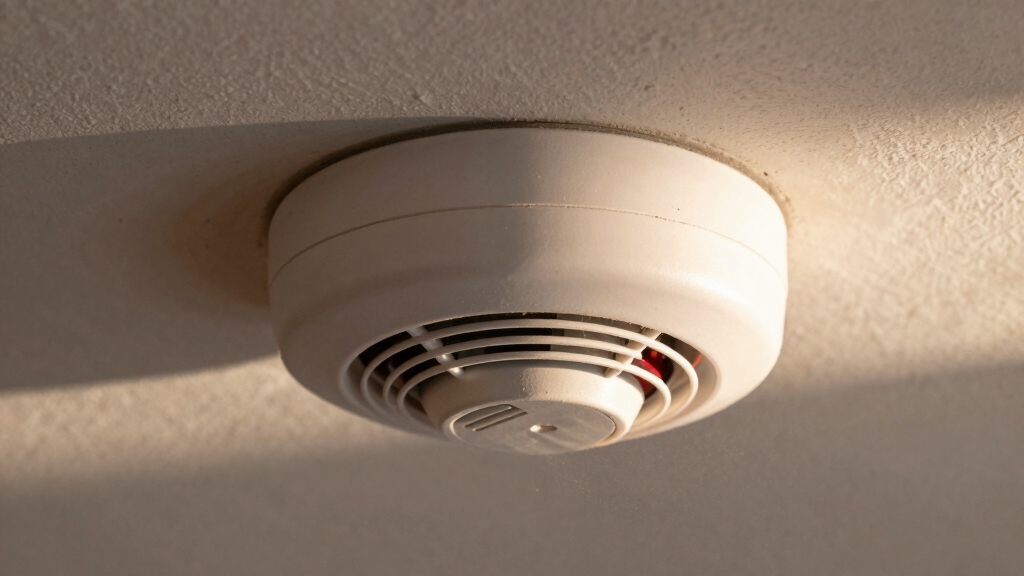

Yes, heat can make your smoke detector go off by altering its internal sensor environments.
Elevated temperatures change air density and affect ion flow in ionization detectors. They can also warp components in photoelectric sensors, causing false alarms.
Heat accelerates chemical reactions and introduces dust or steam into chambers, compromising reliability.
Positioning detectors near heat sources or in environments with rapid temperature changes increases this risk.
Understanding these heat effects helps you manage and reduce false alarms effectively.
Key Takeaways
- Elevated temperatures can alter smoke detector components, causing false alarms without the presence of smoke.
- Heat near detectors, especially ionization types, affects air density and ion flow, triggering alarms mistakenly.
- Placement close to ovens or heaters increases thermal interference, leading to heat-induced false activations.
- Rapid temperature changes combined with humidity can affect battery performance, causing chirping or false alerts.
- Dual smoke and heat detectors reduce false alarms by requiring both smoke and heat signals for activation.
How Heat Influences Smoke Detector Performance?
While smoke detectors primarily respond to airborne particles, heat can still influence their performance by altering sensor conditions or triggering false alarms.
Smoke detectors mainly react to airborne particles, but heat can affect their function and cause false alarms.
You should know that elevated temperatures affect the internal environment of photoelectric and ionization chambers, potentially changing their sensitivity. For instance, heat may cause expansion or deformation of components, leading to altered light scattering or ion flow.
Additionally, increased temperature can accelerate chemical reactions on sensor surfaces, impacting response thresholds. You must also consider that heat-induced air currents can carry dust or steam into the sensing chamber, contaminating it and causing erroneous alarms.
Although heat alone doesn’t directly activate smoke detectors, it modifies the conditions under which sensors operate, potentially compromising reliability. Understanding these influences helps you maintain detector accuracy and mitigate false positive risks effectively.
Moreover, heat combined with high humidity levels can significantly increase the likelihood of false alarms by exacerbating sensor confusion caused by moisture droplets.
When Heat Alone Can Trigger a Smoke Detector Alarm?
Experiencing heat alone can sometimes cause a smoke detector to alarm, particularly under specific environmental conditions or detector malfunctions.
For instance, when ambient temperatures approach or exceed the detector’s operational limits, internal components may react unpredictably, triggering false alarms.
Additionally, smoke detectors installed near heat sources like ovens or furnaces may sense thermal interference affecting their sensor chambers.
Dust accumulation or sensor contamination combined with heat can also disrupt ionization or photoelectric processes, leading to erroneous activation.
While smoke detectors primarily detect particles, extreme heat can indirectly alter sensor behavior.
It is crucial to ensure proper placement away from excessive heat and perform regular maintenance to prevent heat-induced false alarms.
Understanding these factors helps maintain accurate smoke detection and reduces unnecessary alarm incidents.
Rapid temperature fluctuations linked to humidity changes can interfere with battery performance, causing intermittent chirping and false alerts in affected detectors, highlighting the importance of maintaining stable environmental conditions around the unit to avoid false alerts.
Why Ionization Detectors Are Heat Sensitive?
Because ionization detectors rely on a delicate balance of ion flow between charged plates, even slight temperature fluctuations can alter the air density and ionization rate within the sensing chamber.
When heat increases, the air becomes less dense, which reduces ion mobility and current flow. This shift can mimic the effect of smoke particles disrupting ion flow, potentially causing a false alarm.
Furthermore, elevated temperatures accelerate the ionization process, causing instability in current measurement. You must understand that ionization detectors lack intrinsic compensation for thermal variations, making them vulnerable to heat-induced sensitivity changes.
Consequently, environments with fluctuating or high ambient temperatures can inadvertently trigger these detectors. Their sensing mechanism is directly influenced by temperature-dependent ion behavior rather than solely by smoke presence.
Additionally, older ionization detectors are particularly sensitive to environmental factors such as heat and steam, increasing the risk of false alarms due to their reliance on ionized-air current disruptions.
How Dual Smoke and Heat Detectors Reduce False Alarms?
Dual smoke and heat detectors combine the strengths of photoelectric or ionization smoke sensing with temperature-based triggers to cut down on false alarms markedly. By requiring concurrent smoke and heat signals before activation, these devices improve detection accuracy.
You’ll benefit from:
- Reduced nuisance alarms in steamy or dusty environments by cross-verifying signals.
- Enhanced sensitivity to genuine fire conditions through integrated algorithms.
- Lower maintenance since heat sensors are less prone to particulate contamination.
- Adaptability across varied spaces like kitchens and mechanical rooms where single-sensor alarms often err.
This dual approach guarantees that transient particles or minor temperature fluctuations don’t trigger false alerts. Instead, only conditions consistent with actual fires prompt alarms, giving you reliable protection without unnecessary disturbances.
This method leverages the complementary strengths of photoelectric and heat detection to ensure early and accurate warnings.
How to Prevent Heat-Related Smoke Detector Problems?
In environments where temperature fluctuations are common, maintaining smoke detector reliability requires careful attention to heat-related factors.
You should position detectors away from direct heat sources like ovens, heaters, or sunlight to prevent false alarms caused by high ambient temperatures.
Place detectors away from ovens, heaters, and sunlight to avoid false alarms from heat.
Regularly inspect and clean detectors to remove dust and debris, which can exacerbate heat sensitivity in ionization sensors.
Consider installing dual smoke and heat detectors, as their algorithms reduce false triggers by cross-verifying signals.
Make certain heat detectors have appropriate activation thresholds for your setting, especially in workshops or garages prone to temperature spikes.
Finally, calibrate or replace detectors periodically to maintain sensor accuracy, preventing delayed or premature alarms linked to thermal stress.
Additionally, ensure that hardwired smoke detectors have functioning battery backups to maintain protection during power outages, which can coincide with heat-related electrical issues.
These measures collectively optimize detection reliability under varying thermal conditions.
Frequently Asked Questions
Can Heat Detectors Replace Smoke Detectors in Residential Homes?
You shouldn’t replace smoke detectors with heat detectors in residential homes.
Heat detectors activate only when temperatures reach a set threshold or rise rapidly, delaying fire detection.
Smoke detectors sense particles earlier, providing critical first warnings for smoldering fires common in homes.
For effective safety, use smoke detectors as your primary defense.
Supplement with heat detectors only in specific areas like kitchens or garages where smoke alarms might cause frequent false alarms.
How Do Heat Detectors Work in Extreme Cold Environments?
Imagine a remote arctic research station relying on heat detectors.
In extreme cold, fixed temperature detectors must have lower activation thresholds or insulated housings to avoid delays.
Rate-of-rise sensors remain effective since they detect rapid temperature increases regardless of ambient cold.
You’ll need specialized models designed for subzero conditions, ensuring reliable fire detection without false alarms caused by freezing temperatures or frost buildup on sensor elements.
Are There Smoke Detectors That Detect Both Smoke and Carbon Monoxide?
Yes, you can get combination smoke and carbon monoxide detectors that use integrated sensors to monitor both threats simultaneously.
These devices employ photoelectric or ionization smoke sensing paired with electrochemical CO detection, ensuring all-encompassing safety.
You’ll benefit from fewer devices and streamlined alerts.
When smoke or CO levels rise, the alarm triggers, giving you early warning to evacuate or ventilate.
Installing one enhances protection in residential or commercial spaces efficiently.
What Maintenance Is Required for Pneumatic Heat Detectors?
You need to regularly inspect pneumatic heat detectors for tubing integrity, ensuring no leaks or blockages are present.
Test the diaphragm and pressure systems periodically to confirm proper sensitivity to air expansion.
Keep the tubing free from dust and debris to prevent false readings.
Calibration checks and functional tests should follow manufacturer guidelines, maintaining responsiveness.
Proper maintenance guarantees reliable activation during temperature changes without false alarms or system failures.
Can Cooking Fumes Trigger Photoelectric Smoke Detectors?
Picture sizzling oil sending wisps of smoke curling into the air. Yes, cooking fumes can trigger photoelectric smoke detectors.
These detectors sense light disruption caused by airborne particles. Even non-harmful cooking smoke can scatter light inside their chamber, causing false alarms.
To avoid this, position detectors away from kitchens or use heat detectors instead. Heat detectors respond to temperature changes rather than particles, ensuring reliable alerts without nuisance triggers from everyday cooking.
Heat and Smoke Detectors: Finding the Right Balance
So, can heat alone really set off your smoke detector? Yes, especially with ionization types that respond to rapid temperature changes.
But don’t worry; dual smoke and heat detectors help minimize false alarms by distinguishing smoke from just heat. To keep your system reliable, place detectors away from heat sources and maintain them regularly.
Understanding how heat affects your smoke detector guarantees your safety without unnecessary disruptions. Are you ready to optimize your detector’s performance?