
Yes, you can use saltwater to extinguish a fire, but it’s less efficient than freshwater.
Saltwater cools and smothers flames like freshwater but needs larger volumes due to lower heat absorption. It also causes faster corrosion to firefighting gear.
It’s mainly a last-resort option in coastal areas or emergencies when freshwater isn’t available. Using saltwater also poses environmental risks, such as soil and water contamination.
Understanding the full impact and challenges helps you evaluate its use better.
Key Takeaways
- Saltwater extinguishes fires by cooling materials and producing steam that smothers flames, similar to freshwater mechanisms.
- Due to salinity, saltwater absorbs less heat per volume, requiring larger amounts than freshwater for effective fire suppression.
- Saltwater is a practical emergency resource for firefighting when freshwater is unavailable, especially in coastal regions.
- Using saltwater can cause corrosion in firefighting equipment, necessitating specialized gear and maintenance.
- Environmental risks from saltwater use include soil salinization and harm to vegetation and aquatic ecosystems.
How Saltwater Extinguishes Fires?
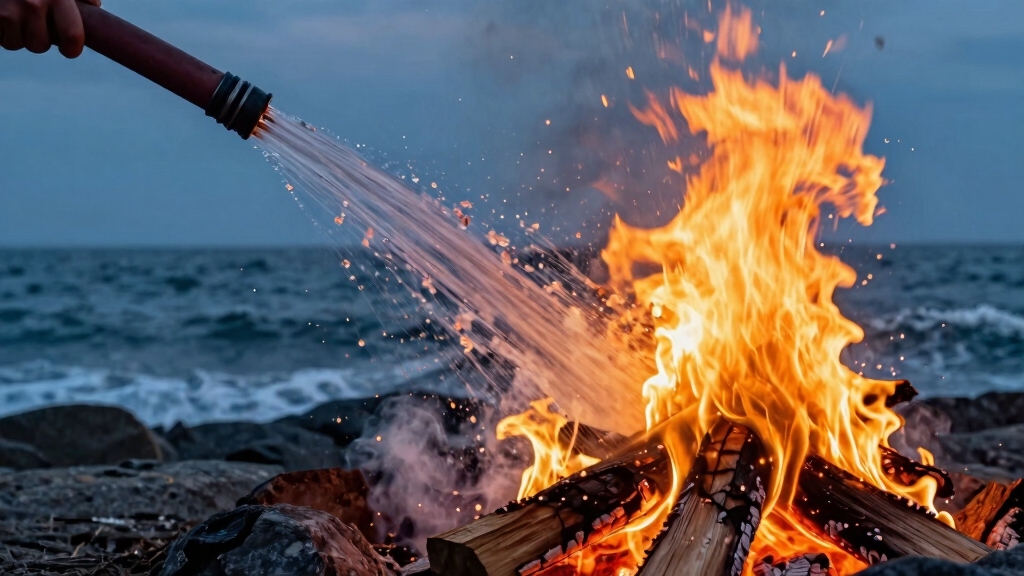
Saltwater extinguishes fires by cooling the flames and cutting off their oxygen supply.
When you apply saltwater, its liquid cools the burning material, lowering the temperature below what’s needed to sustain combustion.
At the same time, the water vapor created smothers the fire, reducing oxygen exposure.
However, you should know saltwater doesn’t absorb heat as efficiently as freshwater because of its salinity.
This means you’ll need a larger volume of saltwater to achieve the same cooling effect.
Despite this, saltwater can be an effective emergency resource when freshwater isn’t available, as seen in wildfire responses like those in Southern California.
Its effectiveness relies on the same core mechanisms as freshwater, including cooling and steam production that reduce heat and oxygen around the fire.
Why Saltwater Needs More Volume?
Because of its salinity, you’ll need a larger volume of saltwater to cool fires effectively compared to freshwater.
Salt ions reduce water’s heat absorption capacity, meaning saltwater can’t absorb as much heat per gallon as freshwater.
Salt ions lessen water’s ability to absorb heat, making saltwater less effective per gallon than freshwater.
When you apply saltwater to a fire, it takes more to lower the temperature sufficiently to extinguish flames.
This lower efficiency demands increased quantities to achieve the same cooling effect.
You should also consider that saltwater’s higher density affects how it spreads over surfaces, sometimes limiting coverage.
While saltwater remains a viable option when freshwater isn’t available, its need for greater volume can strain logistics.
Understanding this helps you plan fire suppression strategies realistically, ensuring you allocate enough saltwater to combat fires effectively despite its inherent limitations.
However, it is important to note that water cooling alone will not stop the internal oxygen-driven combustion of lithium battery fires, so containment and cooling remain primary objectives.
Equipment for Saltwater Firefighting
Handling saltwater for firefighting demands specialized equipment designed to withstand its corrosive nature and unique properties. You can’t use standard freshwater gear without risking rapid deterioration from salt’s aggressive corrosion. Instead, you’ll need corrosion-resistant materials and components engineered for saltwater exposure.
Key equipment considerations include:
Saltwater-resistant hoses and pumps made from corrosion-inhibiting alloys or composites.
Specialized intake systems for safely drawing ocean water without clogging or damage.
Protective coatings and frequent maintenance protocols to prevent salt buildup and prolong gear lifespan.
Using this equipment guarantees your firefighting efforts remain effective and your tools last longer. Without these adaptations, saltwater’s salinity will quickly wear down standard firefighting gear, compromising your operation’s success.
Additionally, regular maintenance is essential to preserve peak engine efficiency and prevent unexpected failures in saltwater-exposed equipment.
How Saltwater Wears Down Firefighting Gear?
When you use saltwater in firefighting, it really accelerates corrosion on metal parts. This can quickly wear down hoses, pumps, and engines. So, it’s essential to stay on top of maintenance.
After every use, you need to thoroughly flush everything out to prevent costly damage.
If you ignore these challenges, you’re not just risking your gear—you’re also shortening its lifespan. And trust me, that can drive up repair expenses in no time. Keeping up with proper care makes all the difference! Additionally, using saltwater can affect the structural integrity of firefighting equipment due to accelerated wear and tear.
Corrosion Effects On Equipment
Saltwater accelerates corrosion, aggressively wearing down firefighting equipment every time it’s used. When you rely on saltwater, the metal components in hoses, pumps, and engines face rapid rusting due to salt acting as an electrolyte.
This speeds up electron loss in iron, leading to structural weakening. You’ll notice seals and joints degrade faster, increasing failure risks during critical moments. To protect your gear’s longevity, you must understand these effects clearly.
Saltwater promotes electrochemical reactions that erode metals swiftly. Non-metal parts like rubber and plastic also suffer from salt-induced brittleness. Repeated exposure without thorough cleaning compounds wear and reduces reliability.
Unlike specialized agents like Purple K fire extinguisher, saltwater lacks non-corrosive properties, making it less suitable for protecting sensitive equipment.
Maintenance Challenges And Costs
Although saltwater is a valuable resource in emergencies, it substantially increases maintenance demands on firefighting gear. When you use saltwater, metal parts like pumps, hoses, and engines corrode faster due to accelerated rust and electrochemical reactions.
This means you’ll need to flush and clean your equipment thoroughly after every deployment to prevent damage. Over time, repeated exposure wears down seals, clogs pipes, and forces more frequent replacements.
These maintenance challenges raise operational costs and cause downtime. Plus, specialized gear designed to handle saltwater is often more expensive and less common.
If you rely on saltwater regularly, plan for higher upkeep expenses and make certain your crews have the resources and time to maintain equipment properly. You risk compromising firefighting effectiveness and safety.
Professional maintenance often includes inspection, testing, and safe depressurizing to ensure equipment reliability after exposure to harsh conditions.
Real Fire Emergencies Using Saltwater
In emergencies where freshwater runs dry, firefighters have successfully turned to saltwater to control flames, especially in coastal regions like Southern California. When you face limited freshwater supplies, saltwater becomes a practical alternative despite its drawbacks. It cools and smothers fires, allowing you to contain blazes effectively when time is critical.
Keep in mind these key points when saltwater is used in real fire emergencies:
Saltwater requires larger volumes for the same cooling effect, so plan accordingly. Equipment suffers corrosion and demands thorough cleaning post-use to stay operational. Not all firefighting aircraft or pumps can handle saltwater, limiting deployment options.
Understanding these facts prepares you to rely on saltwater safely and efficiently when freshwater isn’t an option. Always ensure you follow proper fire safety practices to avoid reignition after extinguishing fires with saltwater.
Environmental Impacts of Saltwater Firefighting
When you use saltwater to fight fires, you mightn’t realize the potential risks involved. It can actually damage soil and vegetation, which can throw local ecosystems into disarray.
Not to mention, the high salinity can lead to long-term environmental effects that stick around even after the fire’s been put out. However, it is important to note that water, including saltwater, should never be used on grease fires as it can cause explosive spreading due to instant vaporization, making water dangerous for grease fires.
Soil and Vegetation Damage
Understanding the impact of saltwater on soil and vegetation is crucial when considering its use in firefighting.
When saltwater soaks the ground, it alters soil chemistry, making it less fertile and disrupting water absorption. This can stunt plant growth or even kill vegetation, especially in sensitive or already stressed areas.
You should recognize these effects can persist long after the fire is out, affecting recovery efforts.
Key concerns include:
- Salt accumulation leading to soil compaction and reduced aeration
- Toxicity to plants from high salinity levels
- Inhibited seed germination and root development
Managing these impacts often requires consultation with environmental professionals to assess and mitigate long-term damage.
Ecosystem Disruption Risks
Although saltwater can extinguish fires effectively, its use poses significant risks to local ecosystems that you can’t overlook. When saltwater seeps into soil and waterways, it disrupts the delicate balance of flora and fauna.
This harms plants that aren’t salt-tolerant and alters microbial communities essential for soil health. You may see vegetation struggle to recover after exposure, impacting habitats and food sources for wildlife.
Aquatic life also suffers as increased salinity changes water chemistry, stressing or killing sensitive species. Additionally, saltwater runoff can spread beyond the fire site, contaminating surrounding areas and compounding ecological damage.
While saltwater firefighting is sometimes necessary, you must weigh its environmental disruption risks carefully. Consider alternatives to protect ecosystem integrity during fire suppression efforts. Water mist fire extinguishers, for example, use de-ionized water that minimizes damage to sensitive environments while effectively controlling fires.
Long-Term Environmental Effects
Because saltwater contains high salinity, it can cause lasting damage to soil and vegetation long after a fire is extinguished.
When you use saltwater for firefighting, the residual salt alters soil chemistry, reducing fertility and hindering plant regrowth.
This can disrupt local ecosystems and threaten biodiversity over time.
You need to take into account these long-term environmental effects before opting for saltwater in fire suppression.
Key concerns include:
- Salt accumulation that impairs soil structure and water retention
- Toxicity to sensitive plant species and microorganisms
- Increased salinity runoff affecting nearby freshwater bodies
While saltwater can be a last-resort option, its ecological consequences mean you should prioritize freshwater or sustainable alternatives whenever possible.
This approach helps protect the environment in the aftermath of firefighting efforts.
Advantages of Freshwater Over Saltwater
Freshwater outperforms saltwater in firefighting because it cools fires more efficiently and causes no corrosion to equipment.
When you use freshwater, it absorbs heat faster, requiring less volume to control flames effectively.
You won’t worry about damage to hoses, pumps, or engines since freshwater doesn’t accelerate rust or degrade materials.
This means your firefighting gear lasts longer and requires less maintenance.
Additionally, freshwater minimizes downtime, allowing you to focus on extinguishing fires instead of equipment repairs.
Unlike saltwater, freshwater won’t introduce harmful salts into the environment, reducing ecological risks around the fire site.
When you prioritize efficiency, equipment longevity, and environmental safety, freshwater clearly stands out as the superior firefighting agent.
Logistical Challenges of Using Saltwater
When you rely on saltwater for firefighting, you face significant logistical hurdles that complicate operations. Transporting large volumes from the ocean to inland fire sites demands specialized equipment and coordination, often causing delays.
Relying on saltwater firefighting involves complex logistics and delays due to specialized transport needs.
The corrosive nature of saltwater accelerates wear on hoses, pumps, and engines. This forces frequent maintenance and increases costs. You also need thorough flushing after each use to prevent damage, which eats up valuable time during emergencies.
Key logistical challenges include:
- Limited availability of aircraft and equipment designed to handle saltwater
- Increased maintenance and shorter lifespan of firefighting gear
- Time-consuming decontamination processes that slow response
These factors make saltwater a challenging resource, especially for sustained, large-scale firefighting efforts.
Alternatives to Saltwater in Firefighting
The challenges of using saltwater push firefighters to seek more reliable and less damaging options.
Freshwater remains the primary choice due to its availability, effectiveness, and minimal equipment corrosion.
When freshwater supplies run low, recycled wastewater and advanced firefighting foams provide promising alternatives.
These options offer efficient fire suppression without the damaging salinity.
Some aircraft and ground units now use retardants and gels that improve fire control while protecting ecosystems and gear.
In coastal areas, seawater is considered a last resort only when freshwater is unavailable, given its environmental and mechanical drawbacks.
By prioritizing sustainable, less corrosive methods, you protect both firefighting equipment and the environment.
This ensures safer, more effective responses to wildfires and structural fires alike.
Frequently Asked Questions
Can Saltwater Be Combined With Chemical Retardants Safely?
You shouldn’t combine saltwater with chemical retardants without caution.
Saltwater’s corrosive nature damages equipment, and mixing it with retardants can alter their effectiveness and chemical stability.
You’ll face accelerated rust, clogged pumps, and unpredictable fire suppression results.
Instead, use freshwater when mixing retardants to guarantee safety and efficiency.
If you must use saltwater, flush and maintain equipment rigorously to avoid rapid deterioration and compromised firefighting performance.
How Does Saltwater Affect Firefighter Health During Exposure?
You face risks when exposed to saltwater during firefighting.
Saltwater can irritate your skin and eyes, especially with prolonged contact. Inhalation of mist or vapors might aggravate respiratory issues.
Salt’s corrosive nature means your gear could degrade faster, potentially compromising your safety.
Always wear protective equipment and thoroughly clean off salt residues after exposure to reduce health risks and prevent long-term damage to both you and your tools.
What Maintenance Routines Extend Gear Life After Saltwater Use?
Think of your gear as a ship steering through salty seas. Without proper care, it’ll corrode and sink fast.
After saltwater use, you should flush all equipment thoroughly with freshwater to remove salt residue.
Inspect hoses, pumps, and metal parts for rust or damage regularly. Dry everything completely before storage to prevent corrosion.
Routine lubrication and timely repairs help maintain performance, extending your gear’s lifespan despite saltwater’s harsh effects.
Are There Specific Fire Types Saltwater Cannot Extinguish?
You can’t rely on saltwater for fires involving certain chemicals, like oil or electrical fires, because it may spread flammable liquids or conduct electricity, increasing risks.
Also, fires fueled by metals (Class D) resist saltwater since it doesn’t neutralize those reactions.
Stick to freshwater or specialized agents for those types.
Saltwater’s cooling effect won’t safely handle all fire classes, so know when it’s inappropriate to use.
How Do Insurance Policies Address Saltwater Firefighting Equipment Damage?
Insurance policies typically exclude or limit coverage for damage caused by saltwater corrosion on firefighting equipment.
You’ll find that insurers require rigorous maintenance and flushing protocols to minimize risks.
Since saltwater accelerates rust and degrades hoses and pumps, policies often demand detailed documentation of upkeep.
You might need specialized endorsements or higher premiums to cover saltwater-related wear, reflecting its known impact on equipment longevity and increased replacement costs.
Saltwater Firefighting: Balancing Power, Cost, and Consequences
When you fight fire with saltwater, you’ll see it can work, but it demands more volume and wears down your gear faster than a knight’s armor in battle.
While saltwater offers some advantages, its environmental impact and logistical challenges mean freshwater often remains the better choice.
Understanding these trade-offs helps you prepare smarter, ensuring you choose the right weapon against the flames every time.