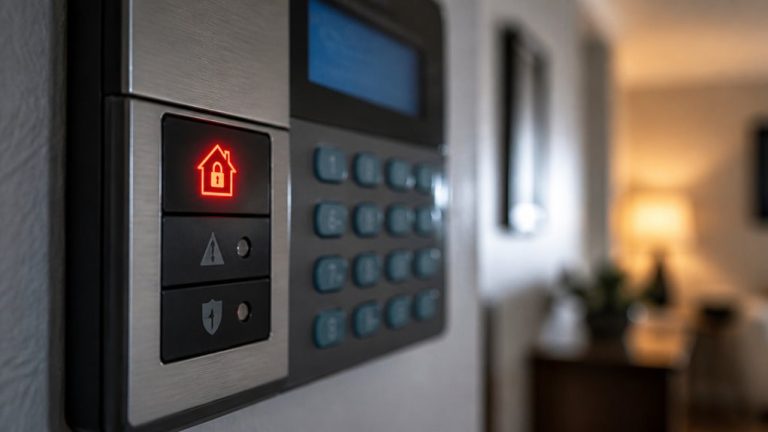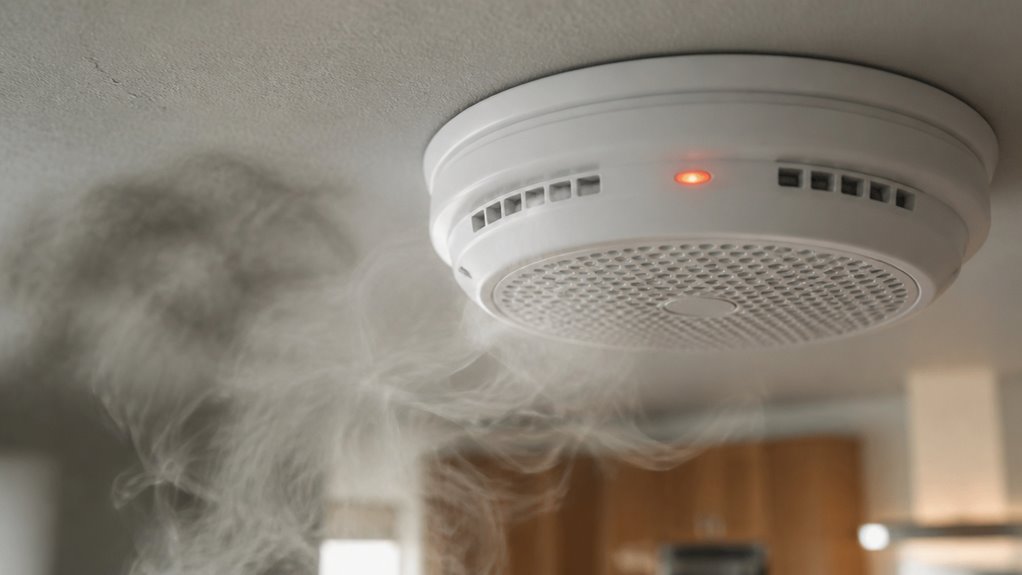

You can’t rely on smoke alarms to detect gas because they only sense combustion particles, not invisible gases like carbon monoxide or natural gas.
Smoke alarms use optical or ionization sensors to spot smoke, not gas molecules. For gas hazards, you need specialized alarms: carbon monoxide detectors for odorless CO and natural gas detectors for methane or propane leaks.
Proper alarms and placement guarantee all-around protection from fire and gas dangers in your home.
Key Takeaways
- Smoke alarms detect combustion particles but do not sense hazardous gases like carbon monoxide or natural gas leaks.
- Smoke alarms use optical or ionization sensors to detect smoke particles, not gas molecules.
- Natural gas and propane do not produce smoke particles until combustion, so smoke alarms cannot detect their presence.
- Separate gas detectors with specialized sensors are required to identify natural gas or propane leaks.
- Relying solely on smoke alarms leaves occupants vulnerable to invisible, toxic, or explosive gases.
Why You Need Different Alarms for Smoke, Carbon Monoxide, and Gas?
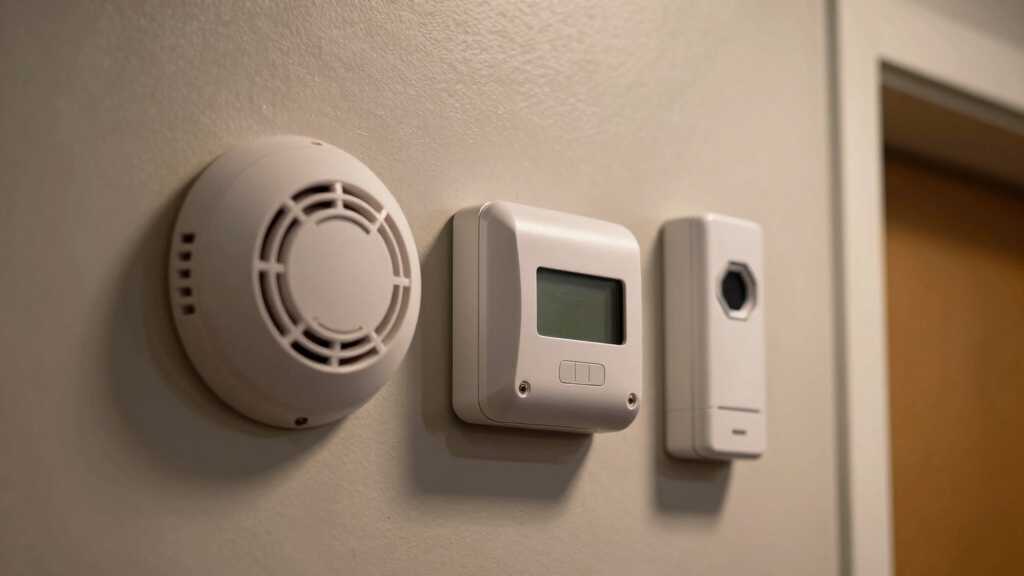
Although smoke alarms effectively detect particles from combustion, they don’t sense dangerous gases like carbon monoxide or natural gas leaks.
Smoke alarms detect combustion particles but cannot identify hazardous gases like carbon monoxide or natural gas leaks.
You need separate alarms because each hazard requires a specialized sensor: smoke alarms detect airborne particulates, CO alarms measure carbon monoxide concentration, and gas detectors sense combustible gases like methane or propane.
Carbon monoxide is odorless and colorless, produced by incomplete combustion, so only CO alarms can reliably detect it.
Natural gas detectors monitor specific fuel gases and activate alarms when concentrations reach unsafe levels.
Relying solely on smoke alarms leaves you vulnerable to invisible, toxic, or explosive gases.
Using distinct, dedicated alarms guarantees thorough protection by addressing different physical and chemical properties of smoke, CO, and combustible gases.
This enhances overall safety in your home or workplace.
Regular maintenance and correct placement of carbon monoxide detectors are essential to avoid false alarms and ensure reliable alerts, as improper installation or sensor degradation can reduce detector effectiveness and cause nuisance warnings, as explained in detector placement and sensitivity.
How Smoke Alarms Detect Fire: And Why They Don’t Sense Gas?
When a fire starts, smoke alarms detect tiny particles suspended in the air using optical or ionization sensors, triggering an alert before flames spread.
Optical sensors use a light beam that scatters when smoke particles enter the sensing chamber. Ionization sensors measure changes in electrical current caused by ionized smoke particles.
These mechanisms respond specifically to particulate matter produced by combustion. However, smoke alarms don’t detect gases like natural gas or propane because these fuels don’t generate smoke particles until combustion occurs.
Gas molecules are chemically distinct and require specialized sensors to identify their presence. Consequently, while smoke alarms are vital for early fire detection, they aren’t designed to sense combustible gas leaks.
This means you need dedicated gas detectors for thorough safety. Photoelectric smoke alarms, for example, rely on light scattering by smoke particles to trigger an alarm, which does not occur with invisible gases.
What Carbon Monoxide Alarms Do: And Don’t Do?
Because carbon monoxide (CO) is an odorless, colorless gas that you can’t detect without equipment, CO alarms play a critical role in monitoring indoor air quality.
These devices specifically sense elevated CO levels produced by incomplete combustion from fuel-burning appliances. When CO concentrations reach unsafe thresholds, the alarm alerts you to prevent poisoning.
However, CO alarms don’t detect natural gas leaks, smoke, or other combustible gases. They’re distinct from smoke alarms and natural gas detectors, each designed for their respective hazards.
You should install CO alarms near sleeping areas and fuel-burning appliances to guarantee timely warnings.
It is essential to evacuate immediately when the CO alarm sounds to ensure safety and prevent poisoning.
Why Your Home Needs a Natural Gas Detector?
You really should consider getting a natural gas detector for your home. It’s essential for spotting leaks that regular smoke or carbon monoxide alarms just won’t pick up.
Now, when it comes to placement, it’s super important. Methane detectors should be installed near the ceiling because that gas rises, while propane detectors need to be closer to the floor since it’s heavier.
Using detectors with catalytic bead or infrared sensors ensures accurate detection of natural gas leaks for safety.
Gas Leak Detection
For effective home safety, installing a natural gas detector is essential to identify leaks of methane or propane before they reach dangerous levels.
These detectors use sensors calibrated to detect specific combustible gases, triggering alarms when concentrations approach hazardous thresholds.
Unlike smoke alarms, which sense smoke particles, natural gas detectors monitor the presence of fuel gases that are colorless and often odorless.
Early detection prevents potential explosions and health hazards by alerting occupants promptly.
You should place detectors near gas appliances or fuel-burning equipment to monitor leaks effectively.
Regular testing and maintenance guarantee reliable operation.
Integrating natural gas detectors with smoke and carbon monoxide alarms creates a thorough safety network, addressing different but equally critical airborne threats in your home environment.
For additional safety, always eliminate ignition sources and evacuate immediately if a gas leak is suspected.
Proper Detector Placement
When installing a natural gas detector, understanding the proper placement is essential to guarantee timely and accurate detection of leaks.
Since methane is lighter than air, place detectors near the ceiling or high on walls to monitor accumulating gas.
Conversely, for propane, which is heavier than air, install detectors low to the floor or near the ground.
Position detectors close to fuel-burning appliances, such as furnaces, stoves, and water heaters, where leaks are most likely.
Avoid placing detectors near vents, windows, or fans that could disperse gas, causing false readings or delayed alerts.
Make sure detectors are unobstructed by furniture or curtains to maintain sensor exposure.
Proper placement enhances the detector’s responsiveness, providing critical early warning to protect you and your household from potentially hazardous natural gas leaks.
Additionally, it is important to avoid placing detectors in dead-air spots or near sources of drafts to ensure reliable sensor performance.
Best Places to Install Smoke, CO, and Gas Alarms for Safety
Although each alarm type serves a distinct purpose, placing smoke, carbon monoxide, and gas detectors strategically throughout your home is vital for maximizing safety.
Install smoke alarms inside every bedroom, outside sleeping areas, and on each level, including basements.
Position CO alarms near sleeping spaces and close to fuel-burning appliances, but avoid direct airflow from vents.
For natural gas detectors, place methane sensors near ceilings since methane rises.
Propane alarms should be near the floor as propane is heavier than air.
Always situate gas detectors close to gas appliances or furnace rooms to catch leaks early.
Avoid placing any alarms in dead air spaces or humid areas that could impair detection.
This strategic placement guarantees timely alerts and comprehensive protection against fire, carbon monoxide poisoning, and gas leaks.
For optimal early warnings, smoke detectors should be installed on ceilings away from corners, vents, and drafts to ensure maximum sensitivity.
How to Test and Maintain Your Smoke, CO, and Gas Alarms?
It’s really important to test your smoke, CO, and gas alarms every month. Just press the test button on each device to make sure they’re working properly. It’s a quick check that can give you peace of mind!
And don’t forget about the batteries! You should replace them at least once a year. If you hear that low-battery warning chirping, it’s time to change them out immediately. Keeping those batteries fresh is key to making sure your alarms operate reliably.
Also, regular maintenance is a must. Take some time to clean the sensors and follow the manufacturer’s guidelines. This not only helps your alarms work better but also keeps you and your home safer. So, a little effort goes a long way!
Make sure to replace your carbon monoxide detectors every 5 to 7 years to ensure sensor accuracy and reliable protection.
Alarm Testing Procedures
Regularly testing and maintaining your smoke, carbon monoxide, and gas alarms guarantees they function correctly and provide reliable protection.
To test smoke and CO alarms, press and hold the test button until the alarm sounds, verifying the horn and indicator lights work.
For natural gas detectors, follow the manufacturer’s instructions, which may include test gas sprays or built-in test functions.
Perform these tests monthly.
Clean alarms gently with a vacuum or soft brush to remove dust and debris that can interfere with sensors.
Avoid harsh chemicals.
Never disable alarms during testing.
Replace any alarm that fails to sound or shows irregularities promptly.
Keep a maintenance log to track testing dates and results, ensuring timely upkeep and compliance with safety recommendations.
After testing, it is important to reset the alarm properly to prevent continued noise and ensure it returns to standby mode.
Battery Replacement Tips
Always replacing batteries on schedule guarantees your smoke, carbon monoxide, and gas alarms maintain peak functionality.
Check manufacturer guidelines for battery types and replacement intervals, typically once a year or when low-battery signals sound.
Use fresh, high-quality batteries to ensure reliable power.
When replacing batteries, clean the battery contacts with a dry cloth to prevent corrosion.
Test each alarm immediately after battery installation by pressing the test button to verify audible alerts.
For alarms with sealed lithium batteries, follow manufacturer instructions for device replacement instead of battery swaps.
Avoid mixing old and new batteries or different brands, as this can impair performance.
Consistent battery maintenance minimizes false alarms and ensures your detection systems operate effectively, providing critical early warnings for fire, carbon monoxide, and gas hazards.
Additionally, many hardwired detectors include battery backup systems that seamlessly provide uninterrupted protection during power outages.
Frequently Asked Questions
Can a Smoke Alarm Detect Other Harmful Gases Besides Smoke and CO?
No, a smoke alarm can’t detect harmful gases beyond smoke and, if it’s a combination unit, carbon monoxide.
It’s built specifically to identify smoke particles or CO levels, not other gases like natural gas or propane.
To protect yourself from those, you’ll need dedicated gas detectors designed for explosive or fuel gases.
Relying solely on smoke or CO alarms won’t alert you to many dangerous gas leaks in your home.
How Quickly Do Gas Detectors Respond to a Natural Gas Leak?
When a gas leak sneaks into your home, gas detectors spring into action within seconds to minutes, depending on the device’s sensitivity and placement.
These detectors continuously “sniff” the air for methane or propane, triggering alarms almost instantly once dangerous concentrations appear.
To guarantee swift response, install detectors near gas sources and follow manufacturer guidelines.
Proper placement and maintenance keep you safe by catching leaks early, before they escalate into hazards.
Are Battery-Powered Gas Detectors as Reliable as Wired Models?
Battery-powered gas detectors can be as reliable as wired models if they use quality sensors and receive proper maintenance.
However, wired detectors offer continuous power, reducing the risk of dead batteries causing failure.
You should make certain battery-powered units have fresh batteries and test them regularly.
For critical safety, wired models with battery backup provide more consistent operation.
Still, well-maintained battery-powered detectors deliver effective gas leak detection when installed correctly.
What Are the Signs of a Malfunctioning Smoke or Gas Alarm?
If your smoke or gas alarm starts screeching nonstop or refuses to chirp when batteries run low, it’s practically screaming malfunction.
Other signs include frequent false alarms, no response to test buttons, or physical damage like cracks or corrosion.
If you notice these, don’t ignore them; your safety depends on proper function. Replace batteries regularly, test alarms monthly, and swap out units every 5–10 years to make certain reliable detection.
Can Pets or Cooking Fumes Cause False Alarms on Gas Detectors?
Yes, pets and cooking fumes can sometimes trigger false alarms on gas detectors, especially if the detector is highly sensitive or poorly placed.
Cooking fumes like smoke, steam, or aerosols might interfere with sensor readings.
Pets themselves don’t emit gases detected by these alarms, but their movement or proximity to the detector could disturb airflow.
To reduce false alarms, install detectors away from kitchens and areas where pets frequently roam.
Stay Safe With the Right Detection Devices
While smoke alarms are your first line of defense against fire, they aren’t equipped to sense the silent threats of carbon monoxide or natural gas.
To truly safeguard your home, you’ll want dedicated detectors for each hazard: smoke, CO, and gas.
Think of them as your home’s quiet guardians, each specialized to alert you before danger arises.
Regular testing and maintenance guarantee these protectors stay vigilant, giving you peace of mind every day.