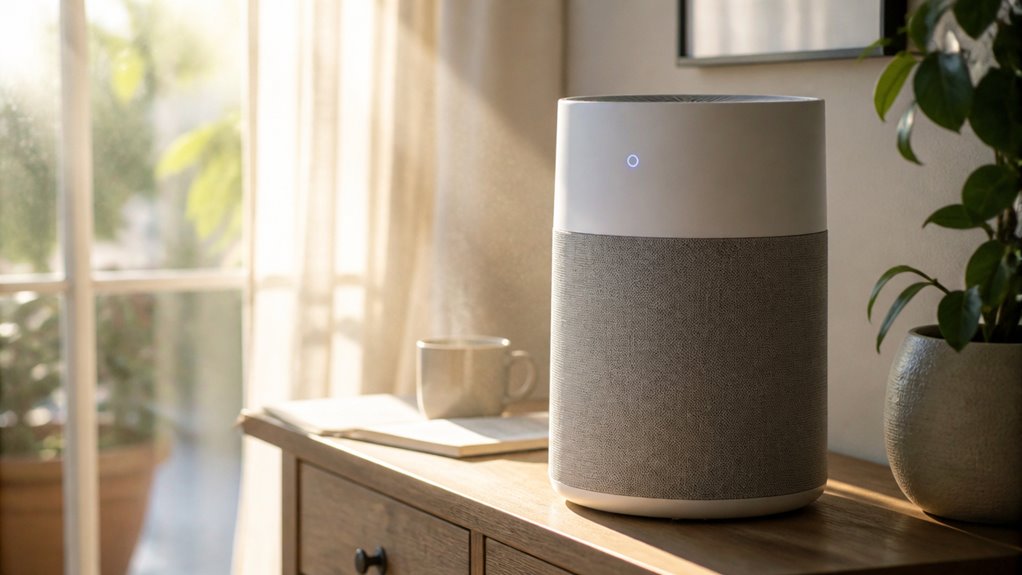

You should run your air purifier continuously or at least 8 to 12 hours daily, especially overnight, to maintain clean air and effectively remove allergens, dust, smoke, and VOCs.
Smaller rooms may need less time, while larger or more polluted spaces require longer operation or higher fan speeds.
Adjust runtime based on activities like cooking or pets.
Balancing fan speed with noise and energy use also matters.
Keep your device well-maintained to maximize performance and safety.
For detailed tips on optimizing use, keep exploring.
Key Takeaways
- Continuous operation (8–24 hours) provides optimal air quality by steadily removing allergens, dust, and pollutants throughout the day or night.
- Bedrooms benefit from 8 to 12 hours of overnight purifier use for cleaner air during sleep and reduced allergen buildup.
- Small, low-pollution rooms may only need 4 to 6 hours daily, while larger or high-pollution areas require longer runtimes or higher fan speeds.
- Use higher fan speeds and longer runtimes during activities like cooking, cleaning, or around pets to quickly reduce airborne contaminants.
- Regular filter maintenance and adjusting runtimes based on room size, pollution levels, and noise tolerance ensure effective and safe purifier operation.
Benefits of Running Your Air Purifier Continuously
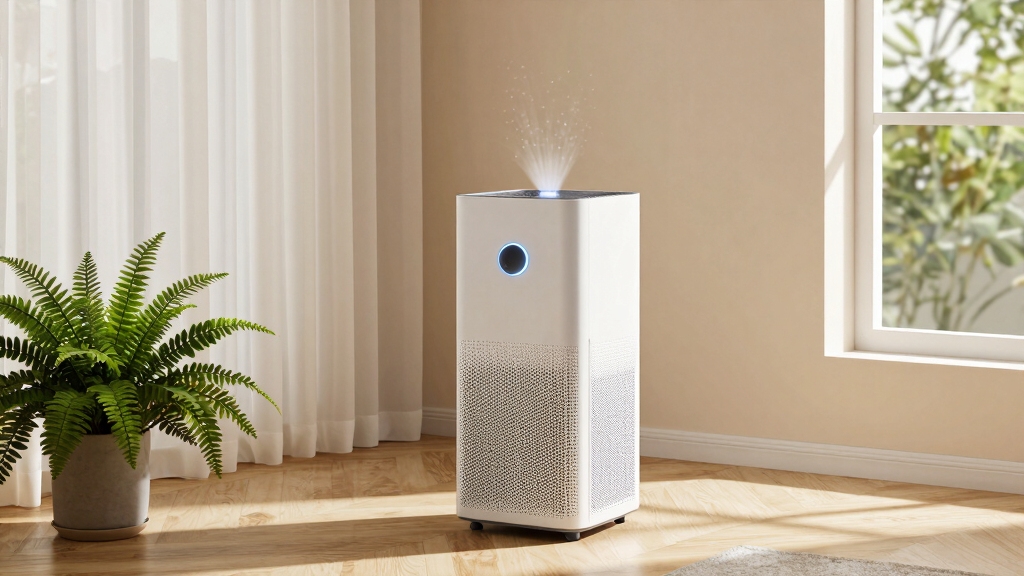
Running your air purifier continuously usually offers the best protection against indoor air pollutants. When you run it nonstop, you maintain consistent air quality by filtering out allergens, pet dander, smoke particles, and VOCs generated throughout the day.
Running your air purifier nonstop ensures consistent removal of allergens, pet dander, smoke, and VOCs throughout the day.
This is especially important during allergy season or if you live near traffic or construction, where pollution levels remain high. Continuous use also helps in homes with pets or frequent cooking, since these activities produce ongoing airborne contaminants.
Many manufacturers and industry experts recommend 24/7 operation for optimal results. Modern purifiers are designed for energy-efficient long-term use, often running quietly at lower speeds.
While short bursts can reduce pollutants temporarily, only continuous operation guarantees steady removal, keeping your indoor air cleaner and healthier over time. Monitoring performance metrics can help ensure your air purifier is functioning effectively during continuous use.
How Long to Run an Air Purifier in Different Rooms?
Although continuous operation is ideal for maintaining clean air, the amount of time you should run an air purifier varies depending on the room’s size, use, and pollution sources.
In smaller, low-pollution rooms, running your purifier 4 to 6 hours daily often suffices. Bedrooms benefit from 8 to 12 hours of use, especially overnight, to improve air quality during sleep.
Living rooms and larger spaces usually require 12 to 24 hours of operation, particularly if pets, cooking, or outdoor pollution increase airborne particles. Adjust runtime based on activity levels and pollution load.
Higher fan speeds or longer run times help clean bigger or more polluted rooms faster. Following these guidelines guarantees your purifier effectively reduces pollutants while balancing energy use and noise.
To ensure optimal performance and avoid system stress, it is important to maintain proper airflow by keeping vents and filters clean.
Using Your Air Purifier for Shorter Periods
If you can’t keep your air purifier running all day, using it for shorter periods still offers benefits.
Even a few hours of operation can noticeably reduce airborne particles and improve air quality. This is especially true when timed around activities like cooking, cleaning, or after exposure to allergens.
For example, running your purifier for 4–6 hours in smaller, low-pollution spaces can effectively refresh the air. While shorter runtimes won’t maintain consistent air quality like continuous use, they still help lower pollutant levels and reduce irritants.
To maximize effectiveness, run the purifier at a higher fan speed during these periods. Consider using timers or automatic modes.
Regular filter maintenance remains essential, regardless of runtime. This ensures peak performance whenever you use the device.
Additionally, controlling humidity levels can prevent false alarms and improve overall indoor air quality when using air purifiers.
How Room Size and Purifier Power Affect Runtime?
Because room size and purifier power directly influence how quickly the air gets cleaned, understanding their impact helps you set the right runtime.
Larger rooms naturally require longer operation or higher fan speeds to reach similar air quality levels as smaller spaces.
For instance, a purifier sized for 200 sq. ft. may clean the air about five times per hour, but the same device will take longer in a 400 sq. ft. room.
Air purifier power, measured by CADR and coverage rating, determines the cleaning speed. Higher CADR means faster purification.
If your purifier is underpowered for the room size, you’ll need to run it longer.
Matching purifier capacity to your room guarantees efficient runtime and better air quality without wasting energy or effort.
For optimal operation, regularly verify device settings and adjust based on room changes or purifier performance.
How Pollution and Indoor Activities Affect Air Purifier Runtime?
Room size and purifier power set the baseline for how long your air purifier needs to run. However, pollution sources and indoor activities often change that requirement.
If you have pets, cook frequently, or smoke indoors, you’ll need longer runtimes. These activities continuously add particles and VOCs to the air.
During high pollen seasons or wildfire smoke events, extended use helps maintain cleaner air. Urban locations near traffic or construction also increase indoor pollution levels.
This pushes you to run the purifier more often or at higher fan speeds. Even routine cleaning or painting raises airborne contaminants temporarily.
Running the purifier for several hours afterward is wise. Adjusting runtime based on these factors guarantees your air stays consistently fresh and reduces health risks from indoor pollutants.
Using an air purifier near windows can help reduce indoor pollution by filtering incoming outdoor contaminants and improving air quality.
Why Overnight Use Is Best for Bedrooms?
Running your air purifier overnight is a great way to keep the air in your bedroom consistently clean while you sleep. You know how important it’s to get those 8–12 hours of solid filtration for the best results, right?
Modern purifiers are designed to work quietly and efficiently, even at lower fan speeds. That means you won’t be disturbed by noise, and you won’t be racking up a huge electricity bill either. Positioning devices thoughtfully to avoid privacy intrusion ensures your rest is uninterrupted and your space remains secure.
Benefits Of Overnight Filtration
Overnight filtration consistently offers significant benefits for maintaining clean air in bedrooms.
When you run your air purifier while sleeping, it continuously removes allergens, dust, and airborne pollutants that accumulate throughout the day.
This uninterrupted filtration helps reduce irritants that can disturb your sleep, such as pet dander or pollen, especially during allergy season.
Additionally, since bedrooms are typically closed spaces, pollutants tend to build up overnight, making continuous air cleaning essential.
Running your purifier overnight also takes advantage of lower noise settings, which balances quiet operation with effective air cleaning.
By maintaining cleaner air while you rest, you’re likely to experience better sleep quality and respiratory comfort.
This evidence-based approach makes overnight use the most practical and health-supportive choice for bedroom air purification.
For optimal safety in your home environment, it is also important to be aware of how to handle emergencies like grease fires effectively.
Optimal Bedroom Runtime
Since bedrooms are typically closed environments where pollutants accumulate during the night, using your air purifier for extended hours while you sleep offers the most consistent air cleaning. Running your purifier overnight guarantees continuous removal of allergens, dust, and airborne particles when ventilation is minimal.
Most manufacturers recommend 8–12 hours of operation in bedrooms to maintain peak air quality.
| Runtime Duration | Benefit |
|---|---|
| 4 hours | Partial pollutant removal |
| 8 hours | Effective overnight cleaning |
| 12 hours | Near-continuous filtration |
| 24 hours | Maximum air quality |
To ensure safety and optimal performance, it is important to use certified products and follow manufacturer guidelines during extended runtime.
Noise And Energy Considerations
Although air purifiers operate best with continuous use, their noise and energy consumption can raise concerns, especially in living spaces.
Running your purifier overnight in the bedroom minimizes disturbance since ambient noise is lower, and you’re less likely to notice its sound. Many models feature quiet modes designed for sleep, reducing noise without sacrificing air cleaning.
Energy-wise, modern purifiers use efficient motors. Operating at lower fan speeds overnight conserves power while maintaining effective filtration.
This balance makes overnight use ideal for bedrooms, where you spend extended, uninterrupted time. Additionally, using timers or automatic modes can optimize runtime, cutting energy waste.
Prioritizing overnight use helps you avoid noise disruptions and excessive energy use while still improving your bedroom’s air quality effectively. Proper maintenance and regular inspection help ensure continuous operation without performance loss or safety risks.
How Pets, Cooking, and Smoke Affect Your Air Purifier Runtime?
If you’ve got pets, you’ll find yourself running your air purifier pretty much all the time. Why? Well, pet dander is constantly being released into the air. It’s just a part of having furry friends around!
And then there’s cooking and smoke. These activities bring in a whole new batch of airborne particles and VOCs. So, during and after whipping up a meal or dealing with smoke, your air purifier will need to work overtime. Adjusting how long you run it based on these sources can really help keep the air in your home cleaner and healthier. It’s all about staying on top of it for a fresher living space!
Using an air purifier with multi-technology sensors can enhance detection of airborne contaminants and optimize runtime accordingly.
Pet Dander Runtime Needs
When you have pets at home, your air purifier will need to run almost continuously to keep up with the constant release of dander and hair.
Pet dander is a persistent indoor pollutant that accumulates quickly, especially in rooms where pets spend most of their time.
To maintain good air quality, aim for 12 to 24 hours of daily operation depending on your pet’s activity level and room size.
Running the purifier on a lower fan speed overnight can balance noise and energy use while still filtering allergens effectively.
Regular filter maintenance is essential, as pet hair and dander can clog pre-filters faster.
This continuous use helps reduce allergy symptoms and keeps your indoor environment healthier for both you and your pets.
Smoke And Cooking Runtime
Just as pet dander demands nearly constant filtration, smoke and cooking activities substantially increase indoor air pollutants. This requires extended air purifier runtime.
Smoke, especially from wildfires or indoor smoking, introduces fine particles and harmful VOCs that linger. Running your purifier continuously or for at least 12 hours daily helps maintain clean air.
Cooking releases grease, odors, and combustion byproducts. You should operate your purifier during and at least 1–2 hours after cooking to clear airborne contaminants effectively.
Use higher fan speeds to accelerate cleaning in larger or more polluted spaces. If you live in urban areas or frequently cook, continuous or near-continuous operation balances air quality improvements with energy efficiency.
Regular filter maintenance guarantees your purifier functions at its best under these heavier pollutant loads.
Balancing Air Purifier Fan Speed, Noise, and Energy Use
Although higher fan speeds can boost your air purifier’s cleaning efficiency, they often come with increased noise and energy consumption that might disrupt your comfort or daily routines.
To balance these factors, consider running your purifier at a lower or medium fan speed for longer periods. This approach maintains steady air cleaning while minimizing noise and power use.
Many modern models feature automatic modes or timers that adjust fan speed based on air quality or occupancy, helping you optimize performance without manual intervention.
Remember, using the purifier continuously at a moderate speed often provides effective air purification with manageable noise and energy costs.
Choosing the right fan speed depends on your environment, pollutant levels, and tolerance for noise. Adjust accordingly for the best balance.
Maintenance Tips for Optimal Air Purifier Performance
Keeping your air purifier running efficiently depends substantially on routine maintenance. You should check and replace filters according to the manufacturer’s schedule, typically every 3 to 6 months for HEPA filters.
Pre-filters often need monthly cleaning if the purifier runs continuously, as they capture larger particles and help extend HEPA filter life. Regularly inspecting the unit for dust buildup on vents and fan blades guarantees airflow isn’t obstructed, maintaining peak performance.
Using automatic modes and timers can reduce unnecessary runtime, lessening wear. If your purifier has washable filters or sensors, clean them carefully as instructed.
Neglecting maintenance reduces filtration efficiency and may increase energy use. Staying on top of these tasks keeps your air purifier working effectively and prolongs its lifespan.
Frequently Asked Questions
Can Running an Air Purifier Continuously Damage the Unit?
Running your air purifier continuously won’t damage it if you follow the manufacturer’s guidelines.
Most modern purifiers are designed for 24/7 operation and use energy-efficient parts to handle nonstop use.
However, you’ll need to perform regular maintenance, like cleaning pre-filters and replacing main filters on schedule, to keep it running smoothly.
Ignoring upkeep can reduce efficiency or strain components, but continuous use itself isn’t harmful to the unit.
How Do Air Purifiers Affect Humidity Levels in a Room?
Air purifiers generally don’t affect humidity levels because they filter particles without removing moisture.
You won’t notice significant changes in room humidity just by running one.
However, some purifiers with added functions, like ionizers or combined humidifiers, can influence moisture.
If maintaining humidity is a concern, you should use a separate humidifier or dehumidifier alongside your air purifier to control the room’s moisture levels effectively.
Are There Health Risks From Using Air Purifiers Too Much?
Think of running an air purifier like watering a plant: too little, and it wilts; too much, and you risk overwatering.
Using an air purifier continuously is generally safe, especially modern, energy-efficient models.
However, some ozone-generating purifiers can pose health risks if overused.
Stick to HEPA or activated carbon filters, follow manufacturer guidelines, and replace filters regularly to avoid issues like indoor dryness or irritants buildup.
This keeps your air clean without harming your health.
Can Air Purifiers Remove Viruses and Bacteria Effectively?
Yes, air purifiers can effectively reduce viruses and bacteria in the air, especially those with HEPA filters.
They trap particles that carry pathogens, improving indoor air quality.
However, they don’t eliminate all germs instantly or on surfaces.
You should run your purifier continuously or during high-risk times, like flu season, to maintain cleaner air.
How Do Different Air Purifier Filter Types Impact Runtime?
Different filter types impact your air purifier’s runtime because they clean air at varying speeds.
HEPA filters capture fine particles effectively but may need longer or higher fan speeds in larger rooms.
Activated carbon filters target odors and VOCs but don’t remove particles as fast. You might run the purifier longer during cooking or painting.
Pre-filters catch larger debris, extending main filter life. This lets you use lower speeds for longer, energy-efficient operation.
Adjust Air Purifier Runtime Based on Your Needs
You might think running your air purifier all day uses too much energy. Yet it’s often the most effective way to keep your air clean, especially if you’ve got pets or cook frequently.
Continuous use not only improves air quality but also extends your purifier’s life by preventing overwork. Balancing runtime with room size, pollution levels, and noise guarantees you breathe easier without wasting energy.
This makes consistent use both smart and practical.