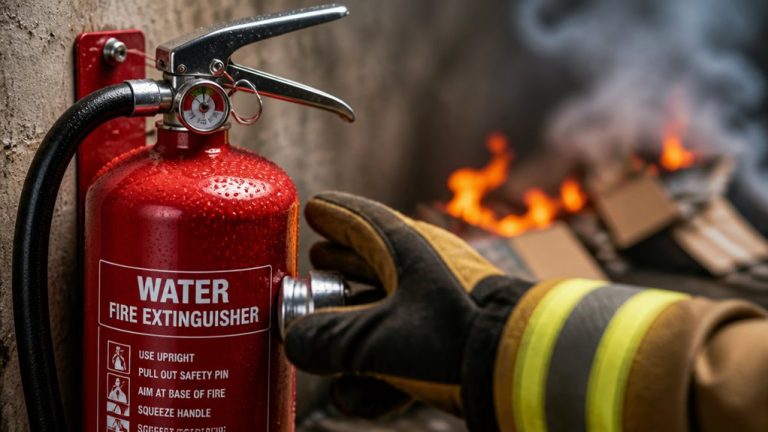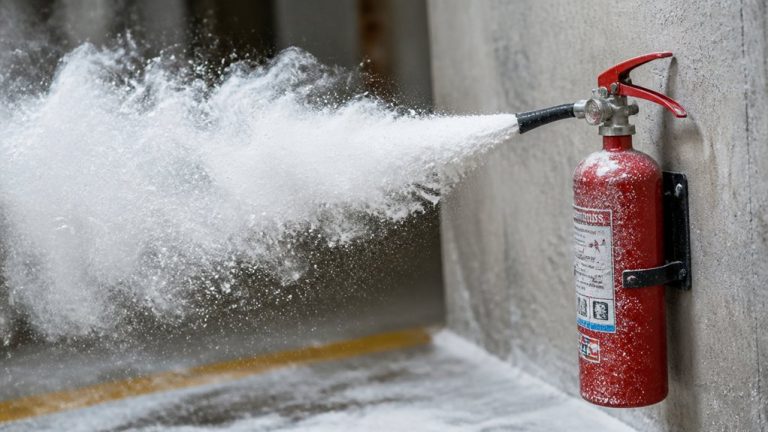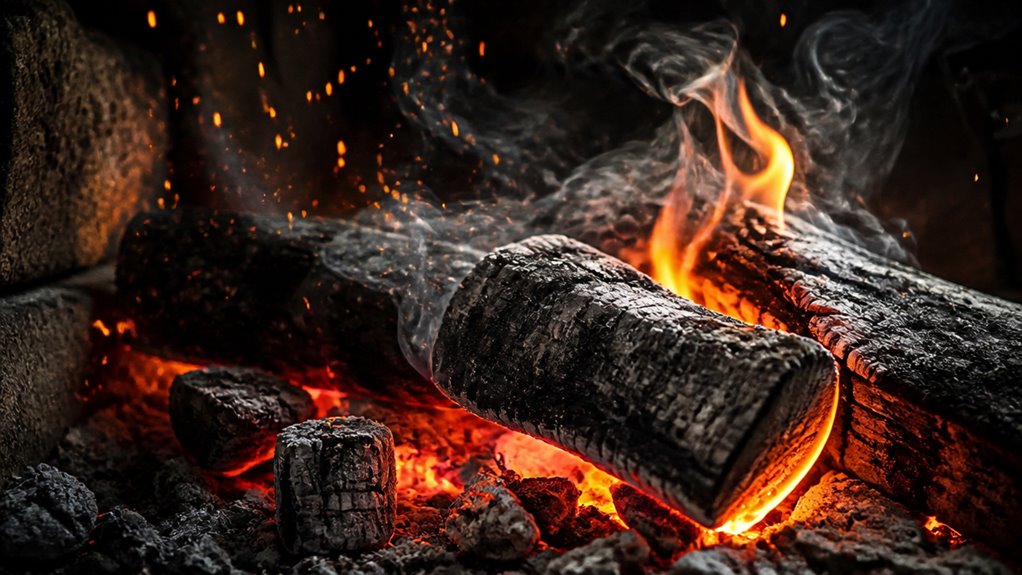

Yes, a fire can reignite after being extinguished if embers or smoldering materials still hold heat and oxygen returns.
Even when flames fade, hidden hot spots or flammable debris can flare up with a breeze or fresh fuel.
You’ll need to cool, stir, and remove all potential ignition sources to prevent flare-ups.
Understanding how heat, fuel, and oxygen interact is key to stopping fires from restarting.
Discover practical steps to keep your space safe from rekindling risks.
Key Takeaways
- Fires can reignite due to residual heat and smoldering embers even after visible flames are extinguished.
- Wind and oxygen introduction can revive hidden embers, causing flare-ups or new flames.
- Incomplete extinguishment leaves unburned fuel and hot spots that may reignite when oxygen returns.
- Thorough cooling, stirring, and soaking of ashes are essential to prevent rekindling.
- Detecting signs like smoke, heat, or smoldering odors indicates potential fire reignition risks.
Why Fires Can Reignite After Extinguishing?
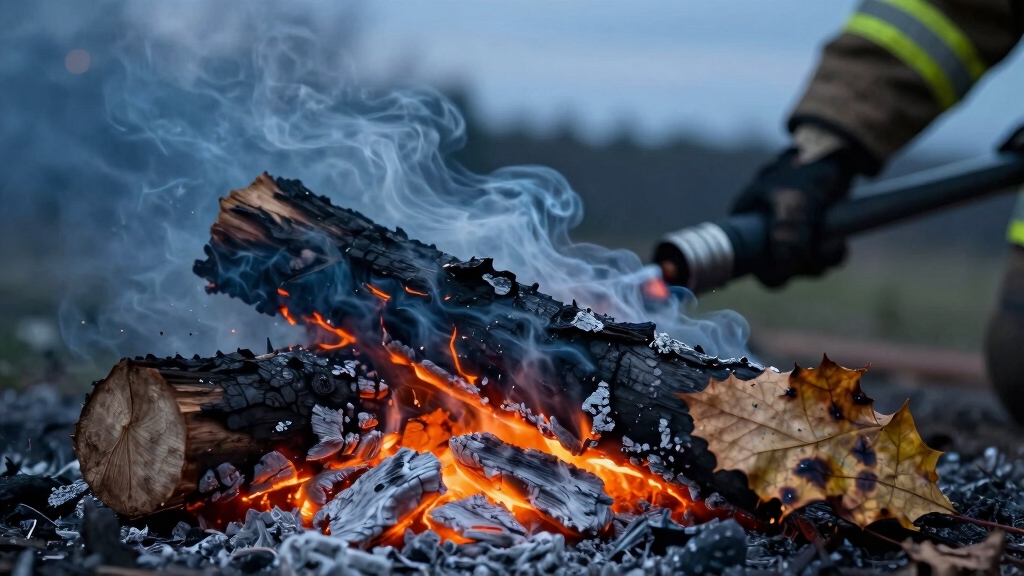
Because embers and smoldering materials can hold heat long after flames vanish, a fire can reignite even when it seems fully extinguished.
Embers can retain heat well after flames disappear, causing fires to unexpectedly reignite.
You need to understand that hidden hot spots beneath the surface can continue smoldering unnoticed.
If any residual heat remains, it can ignite nearby fuel once oxygen or fresh material becomes available.
Incomplete cooling leaves enough warmth to restart combustion.
Poor ventilation can trap heat and smoke, creating conditions that favor rekindling.
Flammable debris or partially burned fuel can silently smolder and flare up later.
To prevent reignition, you must guarantee thorough extinguishment, cooling, and removal of unburned fuel.
Recognizing these factors helps you address risks and maintain safety after putting out a fire.
Regular inspection and maintenance of heating equipment can reduce the risk of hidden smoldering sources that might cause fire to reignite.
How Heat, Oxygen, and Fuel Cause Reignition?
When heat remains trapped in embers or smoldering material, it can reignite a fire if oxygen and fuel are present. You need all three elements: heat, oxygen, and fuel to sustain combustion.
Heat provides the energy to ignite fuel, while oxygen supports the chemical reaction. If embers or smoldering spots hold enough heat and come into contact with fresh fuel, the fire can quickly flare up again once oxygen reaches it.
Even a small breeze can introduce enough oxygen to restart combustion. Without any one of these components, reignition won’t occur.
Understanding the fire triangle is essential to prevent and control reignition effectively.
How Hot Embers and Smoldering Materials Restart Fires?
You really need to keep an eye out for those hot embers. They can linger long after the flames have gone out.
It’s surprising how long they can stay alive!
And then there are smoldering materials. They might look harmless, but they can hide some serious heat.
If they get a little fuel or oxygen, they can flare back up into flames in no time.
So, understanding how these hidden risks work is super important. It can help you prevent a fire from unexpectedly restarting.
Always better to be safe than sorry, right?
Keeping the damper open during extinguishing ensures smoke and gases exit safely, reducing the chance of indoor hazards during this critical time.
Persistent Heat Sources
Understanding how hot embers and smoldering materials act as persistent heat sources is crucial to preventing fire reignition. Even after flames die down, these heat pockets can stay dangerously hot, ready to ignite new flames. You need to focus on fully cooling these sources to stop a fire from restarting.
Here are three key points to contemplate:
- Hot embers can retain heat for hours or even days, especially if buried under ashes or debris.
- Smoldering materials continue to burn slowly beneath the surface, producing enough heat to flare up again.
- Residual heat trapped in structures or fire debris can ignite nearby fuels when oxygen returns.
Properly stirring the ashes and confirming the fire pit is cold to touch before leaving unattended is essential to ensure complete extinguishment and prevent reignition from residual heat.
Smoldering Material Risks
Smoldering materials pose a hidden but serious risk because they can maintain enough heat to reignite fires long after visible flames vanish.
When embers or debris continue to smolder, they store heat that may ignite nearby fuel if disturbed or exposed to oxygen.
You need to treat these materials carefully, ensuring they’re fully cooled and extinguished.
Simply dousing visible flames isn’t enough; stirring ashes and soaking them with water or sand helps eliminate hidden hot spots.
Leaving smoldering materials unattended can allow fires to rekindle unexpectedly, especially if fresh fuel or wind supplies oxygen.
To reduce risk, always check thoroughly for residual heat and cover or spread ashes to speed cooling.
Managing smoldering materials properly is critical to preventing fire reignition and ensuring safety.
Using water effectively targets heat removal through cooling and evaporation, which helps fully extinguish smoldering embers and prevent reignition.
Common Examples of Fire Reignition
You might be surprised to learn that fire pits can hold onto embers that stay hot enough to reignite long after the flames have died down. It’s a real risk!
And when it comes to structure fires, there’s a chance that hidden hot spots can flare up again, even after the fire crews have packed up and left the scene.
Oh, and don’t forget about wood fires! They can reignite pretty quickly if the wind blows embers onto fresh fuel. So, it’s essential to stay cautious!
Proper fire detection wiring and interconnected alarms can help ensure early warning in case of fire reignition.
Fire Pit Ember Hazards
Fire pits often harbor embers that stay dangerously hot long after the visible flames have died down. These embers can easily reignite a fire if you’re not careful.
To prevent hazards, you should:
- Extinguish thoroughly: Use plenty of water or sand to soak embers fully. Stir ashes to reach hidden hot spots.
- Limit oxygen: Cover the fire pit with a fire-safe lid to cut off air supply and starve embers of oxygen.
- Monitor closely: Check the pit for lingering heat before leaving it unattended. Embers can stay hot for over 24 hours.
Using water effectively cools the material and produces steam that helps smother embers, which is why thorough soaking is critical in preventing reignition of fires involving embers, especially in outdoor settings where steam production plays a key role.
Structure Fire Rekindling
Although firefighters may declare a structure fire extinguished, hidden hot spots can still ignite and cause the fire to rekindle after crews leave. These hot spots often smolder inside walls, ceilings, or insulation, escaping detection during overhaul.
If residual heat, oxygen, or unburned fuel remains, the fire can flare back. You need to understand common reignition scenarios to stay safe and prevent damage.
| Common Cause | Location | Risk Factor |
|---|---|---|
| Smoldering Debris | Walls, Ceilings | Hidden heat reignites fuel |
| Unextinguished Ash | Fireplaces, Floors | Embers exposed to oxygen |
| Residual Heat | Insulation, Voids | Delayed ignition after cooling |
Recognizing these risks helps ensure thorough extinguishment and safer fire management. Proper fire alarm system testing is essential to detect and alert occupants to any signs of fire rekindling promptly.
Wood Fire Wind Effects
Hidden hot spots in structures pose a serious reignition risk. Outdoor wood fires bring their own challenges, especially when wind enters the equation.
Wind can easily stir embers and residual heat, causing a fire to reignite even after you think it’s fully out. To manage this risk, keep these points in mind:
- Wind can blow hidden embers onto fresh fuel, sparking new flames.
- Gusts increase oxygen flow, feeding smoldering material and encouraging flare-ups.
- Sudden changes in wind direction may expose hot spots you’ve missed, reigniting the fire.
Always extinguish wood fires thoroughly by soaking embers and stirring ashes. Monitor the area closely, especially on windy days, to prevent unexpected rekindling. Electrical surges and faults in nearby circuits can also pose a fire risk by causing erratic ignition behavior in connected devices.
How to Spot Signs of Fire Reignition?
You’ll often notice subtle cues before a fire reignites. Being able to spot them early is essential for safety. Watch for signs like smoke, unusual heat, or small flames that may signal hidden embers still burning. Checking these indicators helps you act before the fire spreads again.
| Sign | What to Look For | Action Needed |
|---|---|---|
| Smoke | Thin wisps or dense smoke | Investigate and cool area |
| Heat | Hot surfaces or rising warmth | Use protective gear; douse |
| Flames | Small flickers or sparks | Extinguish immediately |
| Smoldering | Odors or glowing embers | Stir and soak thoroughly |
Always monitor extinguished fires carefully to catch these signs early and prevent dangerous rekindling. After using an extinguisher, it is crucial to watch the area closely for signs of reignition while moving toward safety.
How Firefighters Prevent Fires From Rekindling?
Firefighters routinely take thorough steps to prevent fires from rekindling after the main flames have been extinguished.
They know that hidden hot spots and residual heat can reignite a fire if left unchecked. To guarantee safety, you can expect them to:
- Conduct an overhaul by searching for and dousing any smoldering embers or hot spots beneath debris or structures.
- Cool the affected area thoroughly, removing residual heat that could reignite combustion.
- Use ventilation techniques to clear trapped heat and smoke, reducing the risk of flare-ups.
These practices help firefighters confirm the fire is fully out before they leave. This minimizes the chance of a dangerous rekindle and protects property and lives.
Fire Reignition Prevention Tips for Homeowners
Taking steps to thoroughly extinguish embers and cool ashes is essential for preventing fire reignition at home. You should soak embers with water or sand, stir ashes to expose hidden hot spots, and spread ashes to cool quickly. Always confirm no heat remains before leaving the area unattended. Use fire-safe lids to cut oxygen when appropriate.
| Prevention Step | How to Do It | Why It Helps |
|---|---|---|
| Extinguish embers | Douse thoroughly with water | Removes residual heat |
| Stir ashes | Mix ashes while wetting | Exposes hidden embers |
| Spread ashes | Thin layer on firepit floor | Speeds cooling |
| Use fire-safe lids | Cover fire area securely | Cuts oxygen, prevents flare-ups |
Following these tips reduces reignition risk and keeps your home safe.
Why Fully Extinguishing Fires Is Crucial for Safety?
Because even a small ember can reignite a seemingly out fire, fully extinguishing fires is essential for your safety and property protection.
Leaving any hot spots or smoldering material can quickly cause the fire to flare up again, risking injury and damage.
You should focus on these key reasons why full extinguishment matters:
- Prevent rekindling by eliminating residual heat and embers that could ignite nearby fuel.
- Avoid property damage from unexpected flare-ups after you think the fire is out.
- Reduce hazards to yourself and firefighters by ensuring no hidden hot spots remain.
Taking thorough extinguishing steps helps you control fire risks effectively and keeps your environment safe.
Don’t underestimate the potential danger of incomplete fire suppression.
Frequently Asked Questions
How Long Can Embers Stay Hot Enough to Reignite a Fire?
Embers can stay hot enough to reignite a fire for more than a day, sometimes even longer depending on conditions.
If you don’t fully extinguish and cool them, they can smolder beneath ashes or debris, waiting for oxygen or fresh fuel to flare up again.
Always soak embers thoroughly with water or sand, stir ashes, and check for hidden hot spots before leaving a fire unattended to prevent unexpected reignition.
Are Certain Types of Fuel More Likely to Cause Fire Reignition?
Of course, dry, porous fuels love to surprise you by reigniting fires, like wood, leaves, and paper.
These materials hold embers well, keeping heat smoldering beneath the surface, ready to roar back.
On the other hand, fuels like damp or less-flammable substances rarely cause reignition.
So, if you want to avoid a fiery encore, focus on fully extinguishing dry, organic fuels.
They’re the usual suspects for reigniting trouble.
Can Weather Conditions Influence the Likelihood of Fire Rekindling?
Yes, weather conditions can strongly influence fire rekindling.
If you’re dealing with windy, dry, or hot weather, embers can ignite new fires by spreading to fresh fuel.
Dry air dries out materials, making them more flammable, while wind supplies oxygen and moves embers around.
You should always consider weather when managing a fire’s aftermath and make certain complete extinguishment, especially in risky weather, to prevent reignition.
What Tools Do Firefighters Use to Detect Hidden Hot Spots?
You can’t judge a book by its cover, and firefighters know this when hunting hidden hot spots.
They use thermal imaging cameras to detect heat beneath debris and walls, revealing smoldering areas invisible to the naked eye.
They also rely on hand tools like probes and axes to physically check for embers.
Combined, these tools help find and extinguish lingering heat before it sparks trouble again.
How Often Do Rekindle Incidents Occur in Residential Fires?
Rekindle incidents happen more often than you might think in residential fires. Studies show they occur in about 10-20% of cases. If firefighters miss hot spots or smoldering debris, the fire can flare up hours or even days later.
You need to ensure thorough extinguishment and proper overhaul to reduce this risk. Always monitor a fire area carefully before leaving to prevent dangerous reignition events.
Stop Smoldering Materials From Starting Again
You must stay vigilant, extinguish every ember, and remove all fuel to prevent fires from reigniting.
You need to cool hot spots, deny oxygen, and monitor the area closely to guarantee safety.
You should act quickly, follow proven prevention tips, and understand the risks to protect your home and loved ones.
Fully putting out a fire isn’t just important; it’s essential for your peace of mind and everyone’s well-being.