
If your breaker feels hot, it likely means it’s under sustained overload or has increased resistance from loose connections.
Breakers naturally warm near 110% load, but excess heat, discoloration, or buzzing signals hazardous conditions like arcing or faulty contacts.
High-load appliances and ambient temperatures can push breakers beyond safe limits, causing damage or fire risk.
You should promptly measure current, inspect connections, and reduce loads to protect the circuit. Understanding these causes helps you address breaker heating effectively.
Key Takeaways
- Breakers naturally warm under loads near or above 110% of rated capacity without immediate tripping.
- Excessive heat, discoloration, buzzing, or burning odors indicate dangerous overheating and potential faults.
- Loose connections or corroded terminals cause resistance, localized heat, and can damage breakers or wiring.
- High-load appliances and ambient heat increase breaker temperature, risking premature failure or nuisance trips.
- Measure current to confirm overload, inspect connections, and reduce load or replace breakers if overheating persists.
Understanding Why Breakers Get Hot (Normal vs. Problem)?
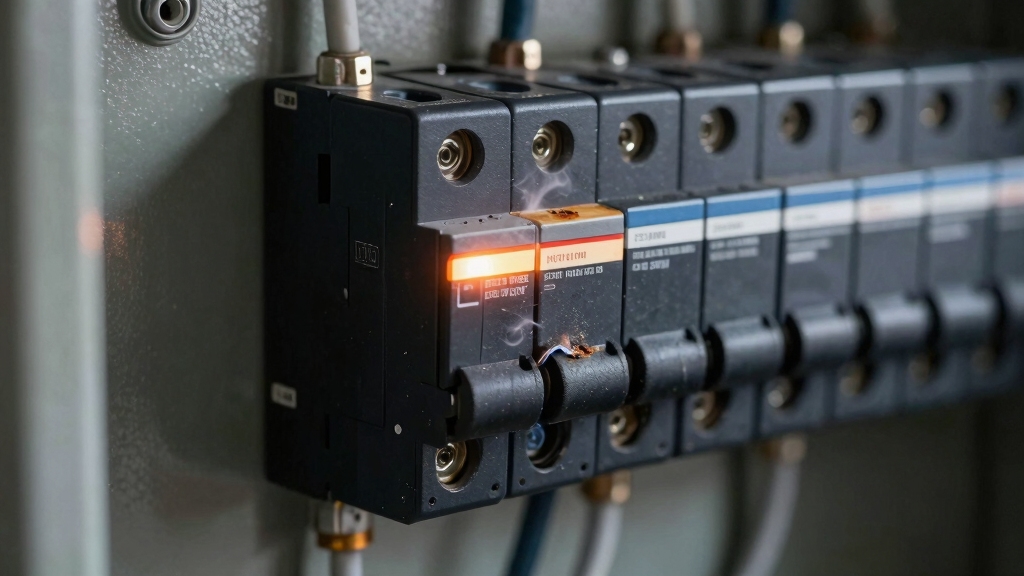
Although breakers naturally warm when carrying heavy loads near their rated capacity, you should distinguish between normal temperature rises and signs of trouble. A temperature increase is expected when current approaches the breaker’s rating, especially around 110%.
Breakers warm near capacity; expect normal heat rises when current nears or slightly exceeds rated limits.
Ambient heat, like hot weather, adds to this effect, reducing trip margins. You’ll find breakers that are warm to the touch may still operate correctly if the load is appropriate.
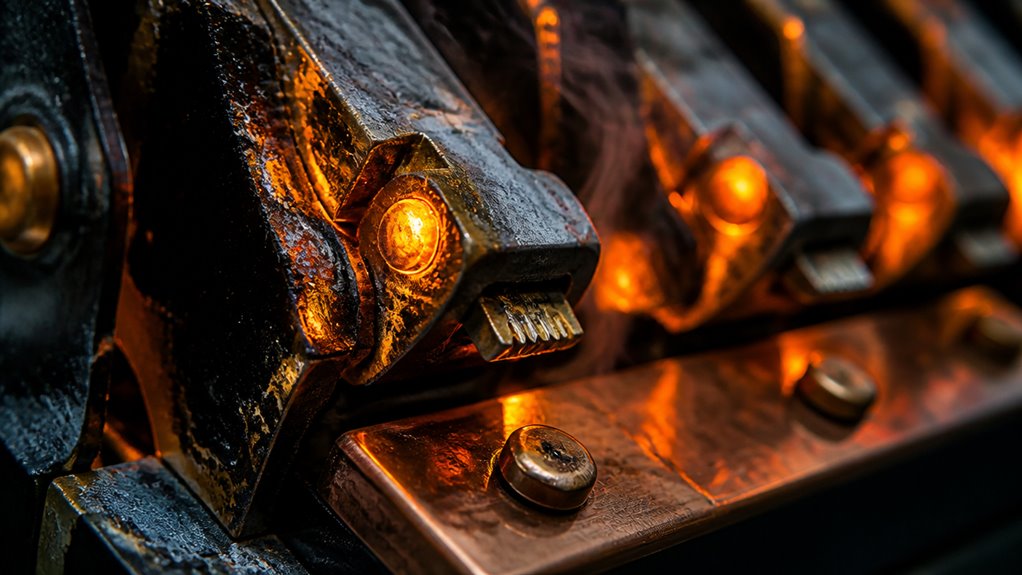
However, if the breaker’s plastic surface becomes too hot to touch or if you notice discoloration, buzzing, or burning odors, these indicate abnormal conditions.
Identifying whether heat results from legitimate load demands or poor connections and internal faults is vital to prevent hazardous failures and guarantee reliable operation under expected electrical stress.
Proper identification and handling of load wires connected to the breaker help ensure electrical safety and prevent overheating issues.
How Circuit Overloads Cause Breaker Heating?
When your circuit draws more current than it’s designed to handle, things can get a bit dicey. The breaker starts generating heat because of increased electrical resistance and stress on its internal components. You mightn’t think about it, but this heat buildup can really ramp up, especially when the surrounding temperatures rise. Proper breaker sizing and adherence to current limitations are essential to prevent overheating and ensure safety.
Overload Effects On Breakers
Because circuit breakers carry current near their rated capacity, they generate heat as electrical resistance causes energy dissipation within their components.
When your circuit consistently draws slightly above its rating, about 110%, the breaker warms without tripping immediately, risking damage.
Overloads cause these effects:
- Sustained overload currents raise internal temperatures, stressing breaker materials.
- Ambient heat from weather or nearby equipment compounds heating, reducing trip margins.
- High-demand appliances push circuits close to limits, increasing thermal stress.
- Repeated heating cycles accelerate wear, potentially leading to premature failure.
You need to monitor these conditions carefully, as heat buildup signals the breaker is under stress.
Ignoring sustained overloads can compromise safety and reliability.
Measure loads and adjust usage to keep breaker temperatures within design parameters.
Prolonged or intense sparking at outlets is a common symptom of overloaded circuits, which can contribute to increased breaker heating and fire risks.
Heat Generation Mechanisms
Circuit overloads generate heat primarily through increased electrical resistance within breaker components and connections.
When current exceeds the breaker’s rating, resistance at contact points rises, converting electrical energy into heat.
This thermal buildup is particularly acute at loose or corroded connections, where small contact areas concentrate current flow, intensifying localized heating.
Additionally, sustained overloads push conductors and internal breaker elements beyond their thermal limits, accelerating temperature rise.
The breaker’s metal contacts and bimetallic strips respond to this heat, eventually triggering a trip if the overload persists.
However, before tripping, the elevated resistance can create dangerous hot spots.
Understanding these mechanisms helps you identify when a breaker’s warmth signals a normal load versus a hazardous condition requiring immediate attention and potential corrective action.
Excessive heat generation may also indicate overloaded circuits, which often necessitate load redistribution or professional inspection to prevent safety hazards.
Impact Of Ambient Temperature
Amid elevated ambient temperatures, breakers experience compounded heating effects that reduce their thermal margin before tripping. When the surrounding temperature rises, the breaker’s internal components start hotter, leaving less headroom for overload conditions. You’ll notice this especially when circuits draw sustained currents near or above their ratings.
Consider these critical impacts:
- Ambient heat adds to resistive losses, accelerating internal temperature rise.
- Breakers can sustain 110% rated current longer without tripping, increasing thermal stress.
- High-load devices like air conditioners elevate baseline temperature, pushing breakers closer to trip thresholds.
- Reduced thermal margin leads to earlier trips or nuisance tripping during moderate overloads.
Understanding ambient temperature’s role helps you accurately assess breaker performance under real-world conditions and avoid unexpected failures. Additionally, voltage fluctuations or wiring issues can exacerbate thermal stress and may require professional inspection to prevent breaker damage.
How Loose Connections Increase Breaker Temperature?
When conductors aren’t properly tightened, they create resistance at the connection point that generates localized heating. This resistance concentrates current flow through smaller contact areas, amplifying heat production.
Loose bus or breaker contact points exacerbate this effect, causing arcing that further elevates temperature and risks damage. You’ll notice that poor electrical connections increase the breaker’s internal temperature even without an overload condition.
This heat transfer can degrade insulation, leading to charring or melting around the connection. Because the breaker’s thermal sensors respond to the overall heat, these loose connections can cause nuisance trips or premature failure.
To prevent this, you must make certain all conductor terminations meet proper torque specifications and remain secure. This minimizes resistance and maintains stable thermal conditions within the breaker assembly. Additionally, it is important to inspect the fire alarm control panel for visible damage and ensure wiring connections are tight before proceeding with further troubleshooting.
Which Appliances Commonly Overload Breakers?
You know how it goes—some appliances in our homes really like to push the limits. Take air conditioners, stoves, and dryers, for example. These high-load appliances can really strain circuits, often heating them up to the point where breakers trip. It’s not just a random occurrence; these devices pull a steady, high current, which makes overloads more likely. Using surge protection can help prevent damage caused by frequent breaker trips and power surges.
High-Load Household Appliances
Among the common causes of breaker overheating, high-load household appliances frequently push circuits close to or beyond their designed limits. When you use these devices, the current draw can approach or exceed the breaker’s rating. This generates heat and risks trips.
Consider these high-load appliances:
- Air conditioners: They demand significant current, especially during startup.
- Electric ovens and stoves: Continuous high current for heating elements stresses circuits.
- Clothes dryers: Motor and heating elements combine to create heavy loads.
- Water heaters: Large resistive loads increase current draw substantially.
You should monitor these appliances’ usage patterns and circuit ratings. Overloading leads to thermal buildup inside breakers, increasing trip risk and potential damage.
Proper load management and periodic inspection help prevent breaker overheating and maintain electrical safety. It is also important to have a properly sized fire extinguisher nearby to handle any electrical fires that may result from breaker or wiring issues.
Common Overload Culprits
In analyzing breaker overloads, certain appliances stand out as frequent culprits due to their high current demands and operational characteristics.
Air conditioners, clothes dryers, and electric stoves typically push circuits near or beyond rated limits, especially during startup when inrush currents spike.
Motors within these devices draw elevated current if mechanical resistance or internal faults arise, further stressing the breaker.
Microwaves and space heaters also contribute to overloads when used simultaneously on shared circuits.
You should recognize that sustained loads above 110% of the breaker rating generate heat that compromises breaker integrity.
Additionally, devices with variable speed drives or harmonic-producing electronics can exacerbate heating effects.
Identifying these common overload sources helps you prioritize load management and circuit balancing to prevent nuisance trips and potential breaker damage.
Proper electrical safety practices including turning off power and verifying de-energized wires before working on circuits are essential to prevent accidents during troubleshooting or repairs related to breaker overloads and smoke detectors. electrical safety
Warning Signs Your Breaker Is Too Hot
When a breaker gets too hot, it often shows clear warning signs that you can detect without specialized tools. Recognizing these signs early helps you address potential hazards before they escalate.
1. Excessive heat to touch
If you can’t keep your finger on the breaker’s surface due to heat, it’s likely operating beyond safe temperature limits.
2. Visible discoloration or melting
Darkened plastic, scorch marks, or melted insulation indicate dangerous overheating or arcing.
3. Audible buzzing or humming
These sounds suggest electrical arcing or loose contacts generating excess heat.
4. Burning odor
A smell of burning plastic signals an urgent fault condition requiring immediate attention.
Monitoring these indicators helps you pinpoint abnormal thermal conditions. This ensures timely intervention to prevent breaker failure or fire risk. Additionally, scheduling professional inspection annually can help identify underlying electrical issues before they become hazardous.
How to Test if Your Breaker Is Overloaded?
To accurately determine if your breaker is overloaded, you’ll need to measure the current flowing through the circuit using a clamp meter or similar device.
Begin by identifying the circuit breaker feeding the load and safely clamping the meter around one conductor.
Start by locating the breaker powering the load and carefully clamp the meter on a single conductor.
Compare the measured current to the breaker’s rated capacity. If the current consistently exceeds about 110% of the breaker’s rating, it indicates a sustained overload condition generating excess heat.
Remember, brief spikes won’t necessarily trip the breaker but can contribute to warming. Also, factor in ambient temperature, as high heat reduces the breaker’s margin before tripping.
If your readings confirm overload, further inspection of connected appliances and load distribution is necessary. This precise measurement helps distinguish between normal load heating and dangerous overloads.
What to Do When Your Breaker Feels Too Hot?
After confirming an overload or identifying abnormal current levels, addressing a breaker that feels too hot becomes your next step. You need to act methodically to avoid damage or hazards.
- Turn off connected loads: Reduce current flow by unplugging or switching off major appliances to lower breaker temperature before resetting.
- Inspect for loose connections: Check breaker terminals and bus bars for signs of poor contact, discoloration, or arcing. These issues increase resistance and heat.
- Measure circuit current precisely: Use a clamp meter to confirm whether the load exceeds the breaker rating, indicating sustained overload.
- Avoid repeated resets: Frequent tripping or persistent heat signals underlying electrical faults requiring professional inspection and repair.
This analytical approach ensures you address the root causes without risking further damage or unsafe conditions.
How to Prevent Breaker Overheating With Maintenance?
Regularly inspecting and maintaining your electrical panel markedly reduces the risk of breaker overheating.
Begin by verifying all connections are properly torqued to prevent resistance heating caused by loose or poor contacts.
Ensure all connections are securely torqued to avoid resistance heating from loose or faulty contacts.
Use a clamp ammeter to measure circuit amperage, ensuring loads don’t consistently exceed 110% of the breaker’s rating, which can generate excessive heat without immediate tripping.
Inspect breakers and bus bars for discoloration, charring, or melted insulation that indicate arcing or bad connections.
Schedule periodic load calculations and redistribute or upgrade circuits feeding high-demand appliances to avoid sustained overload.
Replace damaged breakers promptly, as internal faults can cause heat buildup.
While cooling fans may lower surface temperature temporarily, only correcting overloads and connection issues prevents recurring overheating and enhances panel safety.
Frequently Asked Questions
Can a Hot Breaker Cause Damage to Other Electrical Devices?
Yes, a hot breaker can damage other electrical devices by causing voltage fluctuations or interruptions in power supply.
When a breaker overheats, it may trip unexpectedly or fail to protect circuits properly. This exposes connected devices to potential overloads or surges.
This stress can shorten device lifespan or cause malfunction. To prevent damage, address underlying issues like overloads or poor connections promptly.
Ensure proper breaker and circuit maintenance.
Is It Safe to Touch a Breaker That Feels Warm?
Touching a breaker that feels warm is like walking a tightrope; you can, but caution is key. If it’s just slightly warm, it’s usually safe, especially under heavy load.
However, if it’s hot enough to prevent your finger from staying on it, avoid contact and investigate immediately.
Persistent warmth signals potential overload, loose connections, or faults that could escalate into hazards. Always prioritize safety and consider professional inspection to pinpoint underlying issues.
How Long Can a Breaker Safely Operate While Hot?
You shouldn’t let a breaker operate hot for extended periods.
While a slight temperature rise under load is normal, sustained heat above about 140°F increases trip risk and accelerates wear.
Operating hot breakers continuously can degrade internal components and create safety hazards.
If your breaker stays uncomfortably warm, have an electrician assess the load and connections promptly to prevent damage or failure.
Don’t rely on temporary cooling methods to fix underlying issues.
Do Breaker Brands Differ in Heat Tolerance?
Yes, breaker brands differ in heat tolerance due to variations in materials, design, and manufacturing quality.
You’ll find that some brands use higher-grade components or advanced thermal sensors, allowing their breakers to handle heat better without premature tripping.
However, all breakers must comply with industry standards, so differences are usually subtle.
To guarantee safe operation, you should review manufacturer specifications and select breakers suited for your specific load and environmental conditions.
Can Weather Changes Affect Breaker Temperature?
Imagine your breaker as a kettle on a stove. When the room’s temperature rises, the kettle heats faster.
Yes, weather changes do affect breaker temperature. Hot ambient conditions add to the breaker’s internal heat, reducing its thermal margin and making it trip sooner under the same load.
You should consider this when evaluating breaker performance during heatwaves. Elevated temperatures can mask underlying overload or connection issues.
A Hot Breaker Could Signal Serious Electrical Issues in Your Home
If your breaker feels hotter than the surface of the sun, don’t ignore it. Overheating breakers signal serious electrical issues like overloads or loose connections that can jeopardize your safety and equipment.
You need to test, diagnose, and act swiftly to prevent potential hazards. Regular maintenance and mindful appliance use aren’t optional; they’re essential to keep your system stable and avoid catastrophic failures.
Stay vigilant and protect your home’s electrical integrity.