
When inspecting a fire extinguisher, make certain it’s easily accessible with no obstructions and properly mounted at the correct height.
Check the cylinder and hose for damage, rust, or leaks, and verify the operating instructions are clear.
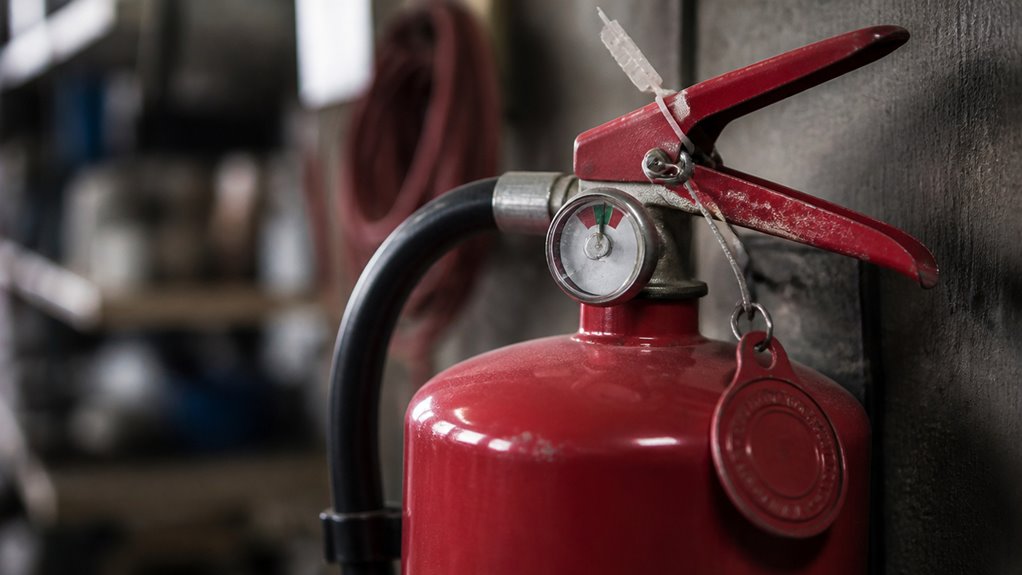
Confirm the pressure gauge needle is in the green zone, the tamper seal is intact, and the locking pin is secure.
Finally, review the inspection tag for a recent service date.
Keep these steps in mind to maintain your extinguisher’s readiness and safety compliance.
Key Takeaways
- Confirm the extinguisher is accessible, unobstructed, properly mounted, and clearly visible with appropriate signage.
- Check the cylinder, hose, and nozzle for any physical damage, corrosion, leaks, or wear.
- Verify the pressure gauge needle is within the green operable range and the extinguisher feels full.
- Ensure the tamper seal and locking pin are intact and hardware is undamaged and securely in place.
- Review inspection tags for current service dates, record the inspection, and report any issues promptly.
Check Fire Extinguisher Accessibility and Placement
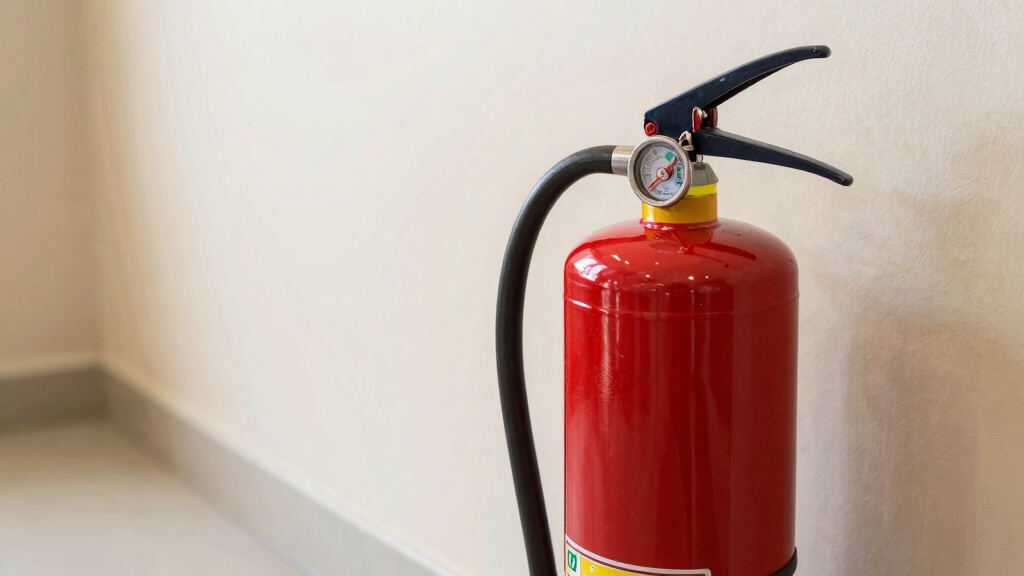
When inspecting a fire extinguisher, start by confirming that it’s located exactly where it’s supposed to be. This ensures quick and easy access in an emergency.
You need to verify that nothing blocks the extinguisher, such as equipment, boxes, or other obstacles. If the extinguisher isn’t immediately visible, check for proper signage that directs you to its location.
Confirm the extinguisher is mounted at the correct height and position, allowing for immediate and safe use without delay. Any deviations from these criteria must be documented and reported promptly for corrective action.
Regular inspections should also include verifying that the Do Not Block Fire Extinguisher sign is clearly visible and unobstructed to maintain compliance and safety.
Inspect Fire Extinguisher Physical Condition
Regularly inspect the fire extinguisher’s physical condition by carefully examining the cylinder for dents, cracks, rust, corrosion, leakage, or any other visible damage.
Regularly check fire extinguishers for dents, cracks, rust, corrosion, leaks, or any visible damage.
Check the hose and nozzle thoroughly for cracks, obstructions, leaks, or signs of wear that could impair function.
Verify that the operating instructions and label are legible and facing outward to guarantee quick reference during emergencies.
Confirm the serial number and identification markings remain readable for proper tracking and maintenance records.
Immediately report any missing, damaged, or used extinguishers to your safety officer or maintenance team.
Additionally, ensure that the valve and hose integrity are maintained through regular inspections to prevent leaks or failures that could compromise extinguisher performance.
Verify Fire Extinguisher Pressure and Charge
After confirming the physical integrity of the fire extinguisher, focus on verifying its pressure and charge to guarantee readiness. This step assures the extinguisher will function properly during an emergency.
First, check the pressure gauge needle: it must rest within the green operable range. A needle in the left red zone means undercharge, signaling the need for a recharge. Conversely, a needle in the right red zone indicates overcharge or unsafe pressure levels.
Next, lift or weigh the extinguisher to confirm it feels full. A noticeably light extinguisher may be partially discharged.
Finally, for non-rechargeable units, verify the push-to-test indicator shows proper pressure. Address any abnormalities immediately to maintain safety and compliance.
Regular professional servicing, including inspections and hydrostatic testing, is essential to ensure ongoing compliance with NFPA standards.
Check Tamper Seals and Hardware on Fire Extinguishers
Because tamper seals and hardware directly impact a fire extinguisher’s reliability, you must inspect them thoroughly.
First, verify the locking pin is securely inserted through the handle and lever, preventing accidental discharge.
Ensure the locking pin is firmly in place through the handle and lever to prevent accidental discharge.
Next, check that the tamper seal remains unbroken and intact; a missing or damaged seal signals potential unauthorized use or tampering.
Examine the handle and lever for any signs of damage, looseness, or corrosion that could impair operation.
Inspect the nozzle, hose, and fittings carefully for blockages, cracks, or deterioration that might hinder discharge.
Note any missing, altered, or faulty hardware immediately as it compromises the extinguisher’s readiness.
Promptly report these issues and arrange professional service to maintain full operational integrity and safety compliance.
Regular inspections and adherence to safety standards are essential to confirm extinguisher integrity before reuse.
Review Inspection Tags and Document Maintenance
Every fire extinguisher must have a visible and current inspection or service tag that documents its maintenance history. This tag is your official record confirming the extinguisher’s readiness and compliance.
When reviewing the tag, you should:
- Verify the last professional service date is within the past 12 months to guarantee proper function.
- Record the current inspection date clearly, adding your initials or inspector ID for accountability.
- Escalate any expired, missing, or incomplete tags immediately for professional review and servicing.
Accurate documentation helps track extinguisher condition over time and supports timely maintenance actions. Always treat inspection tags as critical evidence of safety compliance and operational readiness.
Neglecting this step risks safety violations and could compromise emergency response effectiveness. Regular inspections must also confirm proper mounting, unobstructed access, and compliance with height and clearance requirements.
Frequently Asked Questions
How Do I Choose the Right Type of Fire Extinguisher for My Space?
You choose the right fire extinguisher by assessing the types of fire risks in your space.
For ordinary combustibles like wood or paper, pick a Class A extinguisher.
For flammable liquids, opt for Class B.
Electrical fires require Class C.
Kitchens need Class K for grease fires.
Multi-class extinguishers cover several types, but always make certain it’s rated for your specific hazards.
Check local regulations and space size to confirm compliance and effectiveness.
What Safety Precautions Should I Take When Using a Fire Extinguisher?
Remember, “An ounce of prevention is worth a pound of cure.” When using a fire extinguisher, always make certain your escape route is clear before approaching.
Stand a safe distance, aim at the fire’s base, and use the PASS technique: Pull the pin, Aim low, Squeeze the handle, and Sweep side to side.
Don’t turn your back on the fire. Evacuate immediately if it grows or smoke thickens. Safety comes first; never take unnecessary risks.
How Do I Dispose of an Expired or Used Fire Extinguisher Properly?
You should never throw an expired or used fire extinguisher in the trash.
First, fully discharge it in a safe, open area according to local regulations.
Then, take it to a hazardous waste disposal facility or a fire equipment retailer who accepts old units. Some areas require professional disposal or recycling to prevent environmental hazards.
Always check your local guidelines to make certain proper, legal handling and disposal.
Can I Recharge a Fire Extinguisher Myself at Home?
Recharging a fire extinguisher yourself at home is like trying to fix a ticking bomb. It’s risky and not recommended.
These devices require precise pressure, correct chemicals, and proper sealing, which only certified professionals can guarantee.
Without the right tools and training, you could compromise safety or damage the extinguisher.
Always rely on licensed technicians for recharging to guarantee your extinguisher’s reliability when you need it most.
How Often Should I Receive Professional Fire Extinguisher Training?
You should receive professional fire extinguisher training at least once a year to stay prepared and confident in emergencies.
If your workplace or environment has higher risks, consider more frequent refreshers.
Regular training guarantees you know how to operate extinguishers properly, recognize different types, and understand safety protocols.
Don’t skip ongoing education; it’s essential for your safety and compliance with regulations, keeping your skills sharp and ready when needed.
Fire Extinguisher Inspection Checklist: Essential Steps for Proper Maintenance
To keep your fire extinguisher ready, check its accessibility and placement. Inspect its physical condition carefully and verify pressure and charge regularly.
Don’t forget to examine tamper seals and hardware closely. Review inspection tags to assure timely maintenance.
By staying consistent, thorough, and proactive, you’ll guarantee your fire extinguisher performs perfectly when it matters most.
Remember, your safety depends on your diligence and attention to detail.