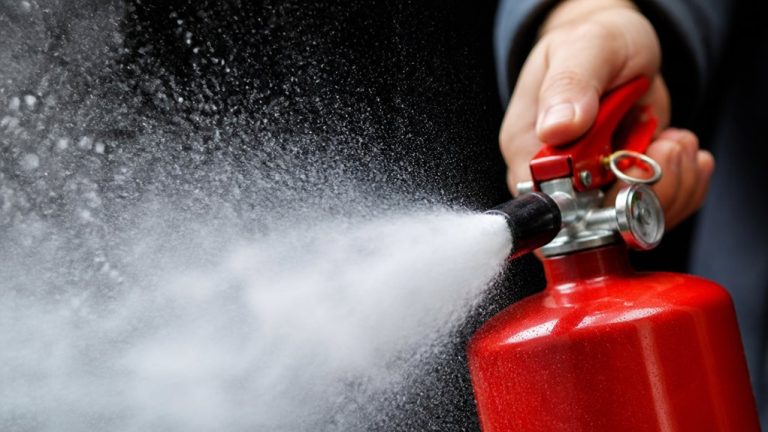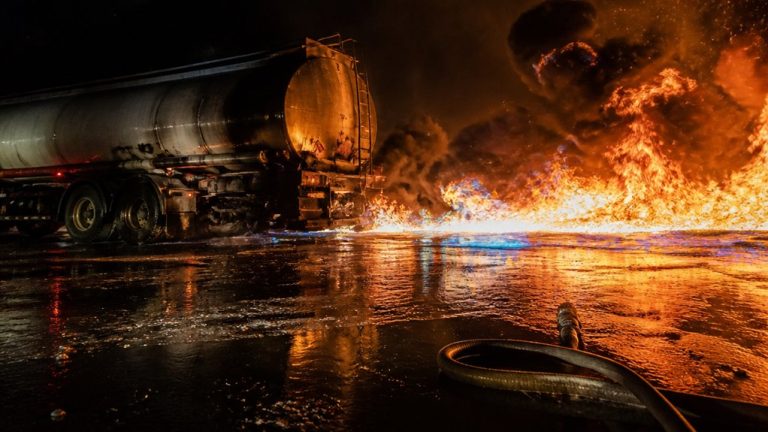

You should never use a fire extinguisher on large, spreading fires or when you don’t have a clear escape route behind you.
Avoid using water-based extinguishers on flammable liquids or grease, as they can spread flames violently.
Never fight electrical fires without an extinguisher rated for energized equipment to prevent shock or worse.
Using the wrong extinguisher on unknown chemicals can trigger explosions.
Understanding these limits can help you stay safe and respond properly when emergencies arise.
Key Takeaways
- Never use water-based extinguishers on flammable liquid or grease fires, as they spread flames and cause violent flare-ups.
- Do not use non-rated extinguishers on electrical fires to avoid electric shock and ineffective suppression.
- Avoid using the wrong extinguisher on unknown chemical fires, which can trigger dangerous reactions or explosions.
- Never fight large or rapidly spreading fires with portable extinguishers, as they will be overwhelmed and ineffective.
- Avoid fighting fires without a clear escape route behind you to prevent entrapment in smoke or flames.
When Is It Safe to Use a Fire Extinguisher?
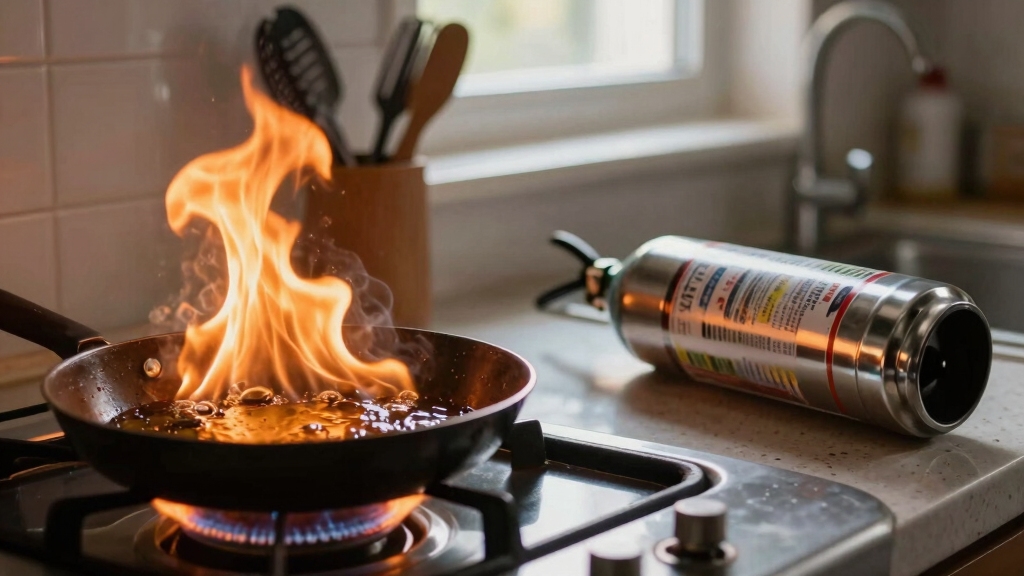
You can safely use a fire extinguisher when the fire is small, contained, and not spreading rapidly. Before you act, make certain your escape route is clear and behind you.
If the fire blocks your exit or grows beyond a small trash-can size, evacuate immediately. Use an extinguisher only if you’re confident it matches the fire type and is fully operational.
Avoid fighting fires in heavy smoke or poor visibility. Don’t attempt extinguishing without recent training. If you’re uncertain about the materials burning or the extinguisher class, it’s safer to leave.
Always follow the PASS technique to operate an extinguisher effectively and safely.
Why Not to Use Fire Extinguishers on Flammable Liquids?
Although it might seem natural to grab a fire extinguisher when a flammable liquid fire breaks out, using the wrong type can worsen the situation dramatically.
Using the wrong fire extinguisher on flammable liquid fires can make the situation much worse.
Water-based or Class A extinguishers are ineffective and can spread the burning liquid, intensifying the fire. You must use a Class B-rated extinguisher designed specifically for flammable liquids to suppress these fires safely.
Avoid using fire extinguishers on flammable liquids because:
- Splashing burning fuel can cause severe burns to you or bystanders.
- The fire can spread rapidly, making escape difficult.
- Incorrect extinguishers may lead to explosive flare-ups, escalating danger.
Always make certain you select the correct extinguisher type. If unsure, prioritize evacuation and call emergency services immediately.
ABC fire extinguishers work effectively on flammable liquids by using a dry chemical powder that smothers flames and interrupts the chemical reaction.
How Using the Wrong Extinguisher Can Make Fires Worse?
You really need to match the extinguisher class to the specific fuel type. Otherwise, you could end up making the fire worse. For example, using the wrong extinguisher might spread burning liquids or even cause electrical fires to intensify.
If you’re not careful and misidentify the fuel, you could put yourself and others in danger. It’s all about applying the right suppression method, and using the wrong one can be both ineffective and hazardous. So, always double-check before you act! Remember, spray duration varies by extinguisher type and affects how effectively you can control a fire.
Extinguisher Class Mismatch
Misapplication of fire extinguisher classes can escalate a small blaze into a dangerous inferno.
When you use the wrong extinguisher type, you risk intensifying the fire instead of putting it out.
For example, applying a water-based extinguisher on flammable liquids can spread burning fuel, causing violent flare-ups.
Similarly, using a non-rated extinguisher on electrical fires can lead to electric shock or failure to suppress the flames.
Always check the extinguisher’s class rating before use. If you’re unsure, evacuate immediately.
Imagine flames spreading faster, fueled by your mistake.
Picture toxic smoke filling the air as the fire grows.
Think about the panic when an extinguisher fails in a critical moment.
Using the correct extinguisher class is essential for your safety and effective fire control.
Dry chemical extinguishers are designed to suppress specific fire types by releasing powders that interrupt combustion, so using one without the proper fire class compatibility can be ineffective or dangerous.
Fuel Type Misidentification
When you mistake the fuel type fueling a fire, using the wrong extinguisher can quickly worsen the situation.
For example, applying water to flammable liquid or grease fires will spread burning fuel, making the fire more dangerous.
Similarly, using a Type A extinguisher on a flammable liquid fire won’t suppress it and may cause splashing that endangers bystanders.
Electrical fires demand a Class C-rated extinguisher; water or incorrect agents risk electrical shock and can intensify the blaze.
If you’re uncertain about the fuel, avoid using an extinguisher altogether and evacuate immediately.
Using mismatched extinguishers not only fails to control the fire but can also escalate hazards, risking injury or property loss.
Always confirm your extinguisher matches the fuel type before engaging a fire.
For grease fires, it is critical to use a Class K fire extinguisher to effectively smother the flames and prevent spreading.
Why Fires With Unknown Chemicals Need Caution?
When it comes to fires fueled by unknown chemicals, it’s really important to exercise caution. You definitely don’t want to jump in and try to put it out without knowing what you’re dealing with.
Using the wrong type of extinguisher can actually make things worse. It might even cause some dangerous reactions. So, always keep safety in mind. If you’re not sure about the fuel involved, it’s best to steer clear of trying to fight the fire. It’s just not worth the risk! Specialized extinguishers, such as those for Class D metal fires, are required because using the wrong agent can increase danger.
Identifying Unknown Fuels
Handling fires fueled by unknown chemicals demands extreme caution. Using the wrong extinguisher can make the situation worse. You must never guess the fuel type; chemicals may react violently to incorrect agents, spreading flames or causing explosions.
Without accurate identification, suppression attempts risk your safety and others’. Before acting, assess the fire’s source carefully. If you can’t determine the fuel, evacuate immediately and call professionals.
Remember these critical points: using the wrong extinguisher can intensify the fire, endangering lives. Some chemical fires need specialized agents only trained responders carry. Uncertain or faulty extinguishers increase the risk of failure and injury.
Your priority should always be safety, not heroics. When in doubt, choose evacuation over engagement. Never use water on flammable liquid fires, as it can spread flames and cause severe burns due to water’s interaction with gasoline.
Risks of Incorrect Extinguishers
Because fires involving unknown chemicals can react unpredictably, using the wrong extinguisher greatly increases the risk of intensifying the blaze or causing dangerous reactions.
You must never apply water-based extinguishers on flammable liquids or grease fires, as this can spread flames. Similarly, electrical fires demand a Class C or approved agent; water risks shock and worsens the situation.
If you can’t identify the fuel, don’t fight the fire. Chemical fires often need specialized suppression. Using an extinguisher not rated for the specific fire class can cause splashing of burning materials or violent eruptions.
Always make certain your extinguisher matches the fire type and is fully functional. When uncertain, prioritize evacuation over attempting suppression. Safety comes first.
Additionally, verifying the extinguisher’s compatibility with electrical fires is crucial to prevent injury and equipment damage.
The Dangers of Using Fire Extinguishers on Electrical Fires
When dealing with electrical fires, selecting the wrong fire extinguisher can create severe hazards. This includes the risk of electric shock.
Choosing the wrong extinguisher for electrical fires can lead to serious hazards, including electric shock.
You must never use water-based extinguishers on live electrical equipment. Water conducts electricity, putting you at immediate risk of electrocution.
Always choose an extinguisher rated for electrical fires, like Class C or one approved for energized equipment. Using an improper extinguisher can worsen the fire and endanger lives.
Consider these dangers seriously:
You risk severe electric shock or fatal injury. The fire might spread uncontrollably if the extinguisher is ineffective. Incorrect extinguishing agents can damage equipment beyond repair.
If you’re unsure about the fire type or extinguisher rating, evacuate immediately and call emergency services.
Ensure the extinguisher you use has a clearly marked Class C label to guarantee it contains a non-conductive agent safe for electrical fires.
Why Water-Based Fire Extinguishers Are Unsafe for Oil Fires?
Although water is a common extinguishing agent, you shouldn’t use water-based fire extinguishers on oil fires. Water spreads burning oil, causing the fire to intensify and potentially erupt violently. Instead, you need a Class B extinguisher designed for flammable liquids to contain the fire safely.
| Risk Factor | Water-Based Extinguishers | Correct Extinguisher Type |
|---|---|---|
| Fire Spread | Spreads burning oil | Suppresses fuel ignition |
| Explosion Hazard | High due to oil splatter | Minimal with proper agent |
| Safety for Users | High risk of burns | Reduced risk with Class B |
| Effectiveness | Ineffective on oil fires | Specifically designed agent |
Using the wrong extinguisher can splash burning fuel onto you or others, increasing injury risk. Always follow the PASS method when using a fire extinguisher to ensure safe and effective operation.
When Fires Are Too Large for Portable Extinguishers?
If a fire grows beyond the size of a small trash can, you shouldn’t try to extinguish it with a portable extinguisher.
These devices are designed for small, contained fires and typically discharge within seconds.
Attempting to fight a big fire puts you at severe risk and can escalate the danger.
Instead, prioritize your safety and evacuate immediately.
Remember, tackling a fire that’s too large can:
- Overwhelm your extinguisher’s capacity, leaving you defenseless.
- Trap you in a rapidly spreading, life-threatening situation.
- Result in injury or loss of life due to underestimating the fire’s intensity.
Always assess fire size carefully and never hesitate to call emergency services for help.
Avoid Fighting Fires That Block Your Escape Route
Large fires demand your full attention on escape and safety, but even smaller fires can become dangerous if they block your exit path.
Never attempt to fight a fire that stands between you and your only way out. Always make sure a clear escape route is behind you before you begin using an extinguisher.
Never fight a fire blocking your only exit; ensure a clear escape route before using an extinguisher.
Standing between the fire and your exit puts you at serious risk of entrapment if the fire spreads unexpectedly. If at any point the fire starts cutting off your path, stop fighting and evacuate immediately.
When your escape route is uncertain or compromised, prioritize your safety by getting away rather than trying to control the fire. Your survival depends on a safe, unobstructed exit, not on extinguishing the fire.
Why Untrained People Should Avoid Using Fire Extinguishers?
When you haven’t been trained to use a fire extinguisher, attempting to fight a fire can quickly become dangerous.
Without proper knowledge, you might choose the wrong extinguisher type, worsening the fire or causing injury.
You may also fail to recognize when a fire is too large or spreading rapidly, putting yourself at risk.
Consider these risks before acting:
Using water on electrical or oil fires can cause shocks or violent flare-ups.
Fighting fires without a clear escape path can trap you in deadly smoke or flames.
Heavy smoke and toxic fumes can incapacitate you quickly, especially if you’re unfamiliar with extinguisher use.
If you’re untrained, evacuate immediately and alert emergency responders instead.
Your safety must come first.
Frequently Asked Questions
Can Fire Extinguishers Be Used on Wildfires or Forest Fires?
You shouldn’t use fire extinguishers on wildfires or forest fires.
These fires are too large and spread too quickly for portable extinguishers to handle effectively.
Instead, you need specialized firefighting equipment and trained personnel.
Trying to fight a wildfire with a handheld extinguisher is dangerous and ineffective.
Your best move is to evacuate immediately and alert emergency services who’ve the proper tools and expertise to manage large-scale fires safely.
Are Fire Extinguishers Effective on Cooking Appliance Fires?
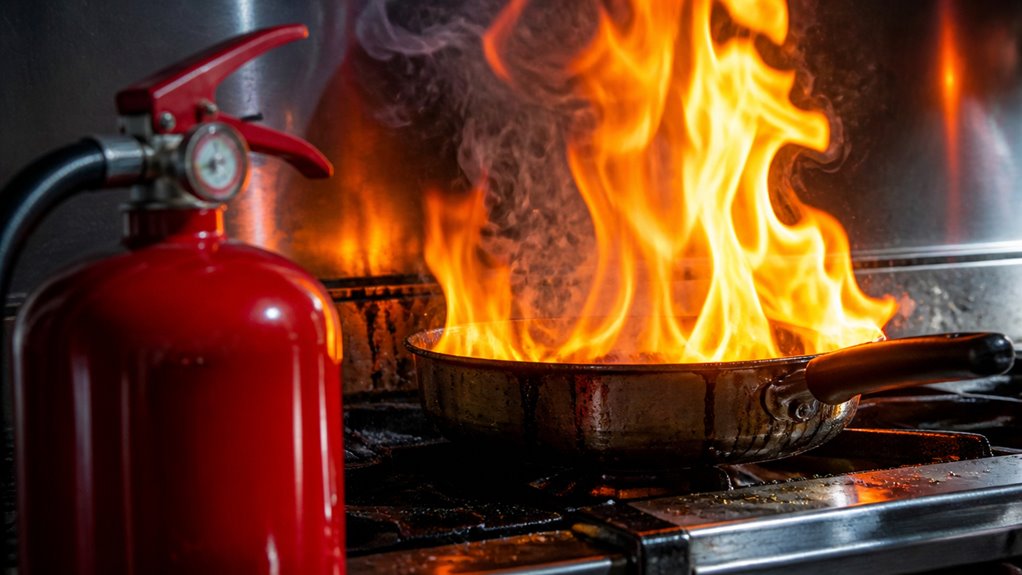
Imagine a flame dancing angrily in your kitchen, fueled by hot oil.
Fire extinguishers aren’t your best ally here; using water or the wrong type can make the blaze explode like a storm.
Instead, grab a Class K extinguisher designed for cooking fires or smother the flames with a lid or baking soda.
Using the wrong extinguisher risks spreading fire and injury, so act wisely and stay safe.
Can Expired Fire Extinguishers Still Be Used Safely?
You shouldn’t use expired fire extinguishers because their chemicals may have degraded, reducing effectiveness.
An expired extinguisher mightn’t discharge fully or suppress the fire properly, putting you at risk.
Always check the pressure gauge and expiration date regularly.
If expired, replace or service the extinguisher immediately to ensure it works reliably in an emergency.
Relying on an expired unit compromises your safety and the safety of others.
Is It Safe to Use a Fire Extinguisher on a Gas Leak Fire?
It’s not safe to use a fire extinguisher on a gas leak fire.
Imagine a kitchen where a gas stove leaks, igniting a flame.
Using a fire extinguisher might temporarily suppress the fire, but the gas continues to escape, risking explosion.
Your best move is to shut off the gas supply and evacuate immediately.
Fire extinguishers don’t solve ongoing gas leaks; they’re for contained fires only.
Always prioritize safety and call professionals.
Are Certain Fire Extinguishers Harmful to the Environment?
Yes, certain fire extinguishers can harm the environment.
For example, dry chemical and halon extinguishers release substances that may contribute to ozone depletion or toxic residue.
You should opt for eco-friendlier options like water mist or clean agent extinguishers when possible.
Always check the environmental impact of the extinguisher type you choose, especially if you’re using it in sensitive areas, to minimize ecological damage.
Know When Not to Use a Fire Extinguisher
You should never use a fire extinguisher on flammable liquids like gasoline or on electrical fires without the right type.
Imagine trying to put out a kitchen grease fire with water. You’d only spread the flames, risking your safety.
Always know the fire type before acting. If the fire grows too large or you’re unsure, prioritize escaping and call professionals.
Your safety comes first; don’t let panic push you into dangerous choices.