
You can’t assume smoke detectors are universal because different regions require specific certifications and installation standards.
Models must comply with varying local codes, like UL 217 or EN 14604, to guarantee proper function and legal approval.
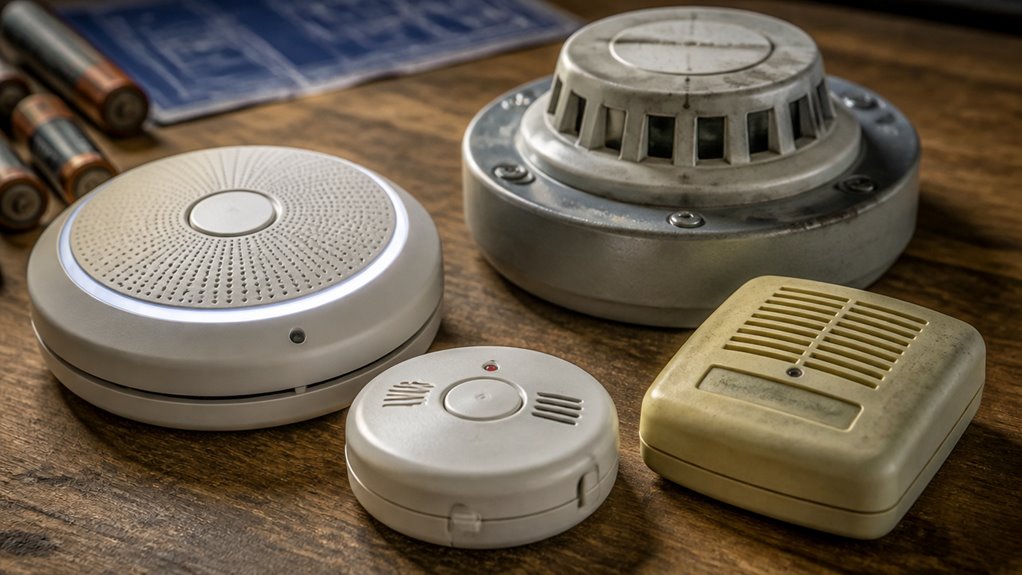
Also, device types vary between standalone alarms and system detectors with different features.
These differences affect compatibility and placement. Understanding these distinctions is essential for choosing the right detector and installing it safely in your space.
Key Takeaways
- Smoke detectors are not universal due to varying regional safety standards and installation regulations.
- Different certification systems like UL 217, UL 268, EN 14604, and EN 54 apply to different markets.
- Local approvals are mandatory before sale or installation in specific jurisdictions, limiting universal use.
- Installation codes differ by region, affecting device type, placement, and interconnection compatibility.
- Product categories vary between standalone smoke alarms and system detectors, impacting cross-compatibility.
What Are Smoke Detectors and Why Are They Important?
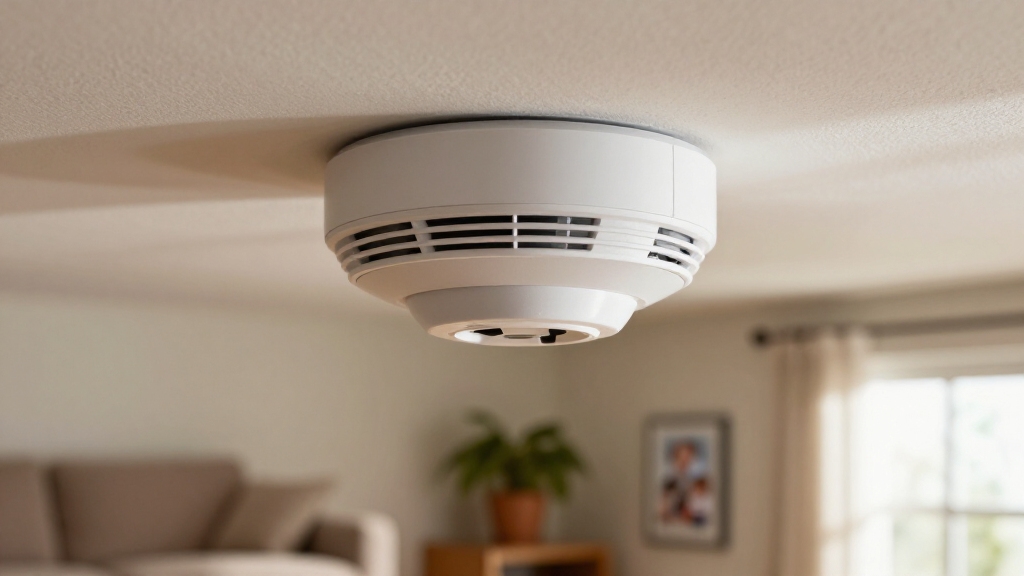
Although you might take them for granted, smoke detectors play a crucial role in fire safety by detecting the earliest signs of fire through the presence of smoke.
Smoke detectors are essential for early fire detection, alerting you to danger before it escalates.
These self-contained devices monitor the air for particles produced by combustion and activate a visual or audible alert when smoke is detected.
Proper placement, high on walls or ceilings and away from corners, is essential for peak performance, as smoke naturally rises.
Smoke detectors target the initial stage of fire development, providing critical early warnings that help prevent injury and property damage.
You should test detectors regularly using their built-in test buttons to confirm functionality.
Many models use either an ionization chamber or photoelectric sensor to detect smoke accurately and reliably.
Why Are Smoke Detectors Not Universal?
Because smoke detectors must comply with different regional safety standards and installation regulations, you won’t find a universal model that works everywhere. Each market demands certification aligned with its specific codes, preventing cross-acceptance of devices. For example, UL standards dominate in North America, while EN standards apply in Europe.
Installation rules also vary, affecting device type and placement requirements.
Consider these factors:
- Different certification systems (UL 217, UL 268 vs. EN 14604, EN 54)
- Mandatory local approvals before product sale or installation
- Varied installation codes specifying placement and interconnection
- Distinct product categories: standalone alarms vs. system detectors
- Absence of mutual recognition between regional standards
Because of these diverse technical and regulatory demands, smoke detectors remain region-specific rather than universal. Additionally, the choice between addressable and conventional fire alarm systems further influences device compatibility and installation requirements.
Differences Between Smoke Alarms and Smoke Detectors
When you compare smoke alarms and smoke detectors, you’ll find they serve related but distinct roles in fire safety.
Smoke alarms are standalone devices, typically used in residential settings, combining smoke detection with an integrated audible alert. They comply with standards like UL 217 in North America and EN 14604 in Europe.
Conversely, smoke detectors are often components of larger fire alarm systems, designed to detect smoke and relay signals to a centralized control panel, following standards such as UL 268 or EN 54.
Unlike alarms, detectors may not have built-in sounders. Understanding this distinction helps you select the right device for your application, ensuring compliance with local regulations and effective early fire warning.
Both require proper installation and maintenance to function reliably. Hardwired smoke detectors often feature interconnected alarms that trigger all units simultaneously for enhanced safety throughout a building.
Where and How Should Smoke Detectors Be Installed Safely?
Since proper placement directly impacts their effectiveness, you should install smoke detectors on every level of your home, including inside each bedroom and outside sleeping areas.
Position detectors high on walls or ceilings, ensuring ceiling units are at least 4 inches from walls. Avoid installation near windows, doors, or ducts that may interfere with smoke flow.
Interconnect alarms so when one triggers, all sound. Hardwired units must be installed by qualified electricians to meet local codes.
Key installation guidelines:
- Place alarms inside every bedroom and outside all sleeping areas.
- Install one on every floor, including basements.
- Mount detectors on ceilings or high on walls, away from air vents.
- Keep detectors at least 10 feet from cooking appliances to reduce false alarms.
- Test alarms monthly using the test button to verify functionality.
Regular maintenance and proper placement together ensure flawless function of your smoke detectors.
Why Certification and Maintenance Matter for Smoke Detectors?
Proper installation guarantees your smoke detectors perform at their best. Ongoing certification and maintenance play a key role in sustaining their reliability over time.
Certification ensures that the device meets stringent regional standards, such as UL 217 in North America or EN 14604 in Europe. This validates its smoke detection sensitivity and alarm response.
Without certification, a detector may not comply with local safety codes or perform accurately under fire conditions. Regular maintenance, including functional testing via the test button and battery replacement, prevents device failure and false alarms.
Neglecting maintenance can degrade sensor sensitivity and compromise early fire detection. By adhering to certification requirements and scheduling routine checks, you maintain the effectiveness of your smoke detectors. This safeguards your property and lives through reliable, standardized fire warning systems. Additionally, replacing the entire smoke alarm every 10 years from the manufacture date ensures ongoing reliable detection and safety compliance.
Frequently Asked Questions
Can Smoke Detectors Work With Smart Home Systems?
Yes, smoke detectors can work with smart home systems if they’re designed with compatible communication protocols like Wi-Fi, Zigbee, or Z-Wave.
You’ll want to choose smart smoke alarms that integrate with your existing smart hub or voice assistants for real-time alerts and remote monitoring.
Make sure the device meets local safety certifications and installation codes while providing functionality like interconnectivity and test alerts through your smart home platform.
How Long Do Smoke Detectors Typically Last Before Replacement?
Smoke detectors typically last about 10 years before you need to replace them. Over time, their sensors degrade and become less reliable.
Manufacturers usually print the manufacture date on the back, so you can check the age. Regular testing guarantees proper function, but even with good maintenance, performance declines after a decade.
Replacing smoke detectors on schedule is critical to maintain effective early fire detection and comply with safety standards.
Are There Smoke Detectors That Detect Carbon Monoxide as Well?
Yes, you can find combination smoke and carbon monoxide detectors designed to detect both hazards.
These devices integrate sensors for smoke and CO, providing dual protection in one unit.
When installing, make certain the model meets relevant safety standards like UL 217 for smoke detection and UL 2034 for carbon monoxide.
Regular testing and maintenance are critical to ensure both sensors work properly and keep you safe from fire and CO poisoning.
What Are Common Causes of False Alarms in Smoke Detectors?
Common causes of false alarms in smoke detectors include cooking smoke or steam, especially from nearby kitchens or bathrooms.
Dust buildup inside the sensing chamber can also trigger alarms, as can strong aerosols or chemicals like sprays.
Insects entering the detector and electrical issues such as low batteries or wiring faults cause false alerts too.
To reduce false alarms, you should regularly clean detectors, place them away from cooking areas, and maintain proper wiring and power sources.
Can I Install a Smoke Detector Myself Without Professional Help?
Yes, you can install a smoke detector yourself if it’s a battery-operated, standalone unit.
Just follow the manufacturer’s instructions carefully for placement, high on walls or ceilings and away from corners.
However, for hardwired or interconnected systems, you should hire a qualified electrician because those installations involve wiring and must comply with local codes.
Always test the detector after installation to make certain it functions properly.
Choose the Right Alarm for Safe Installation
You might think all smoke detectors would be universal by now. After all, they all do the same job: save lives. But they’re not, because technology, standards, and environments vary more than you’d expect.
So, don’t just grab any device off the shelf. Instead, make sure your smoke detector meets certifications, fits your space, and receives regular maintenance. Ironically, the very thing meant to provide universal safety demands your specific attention and care.