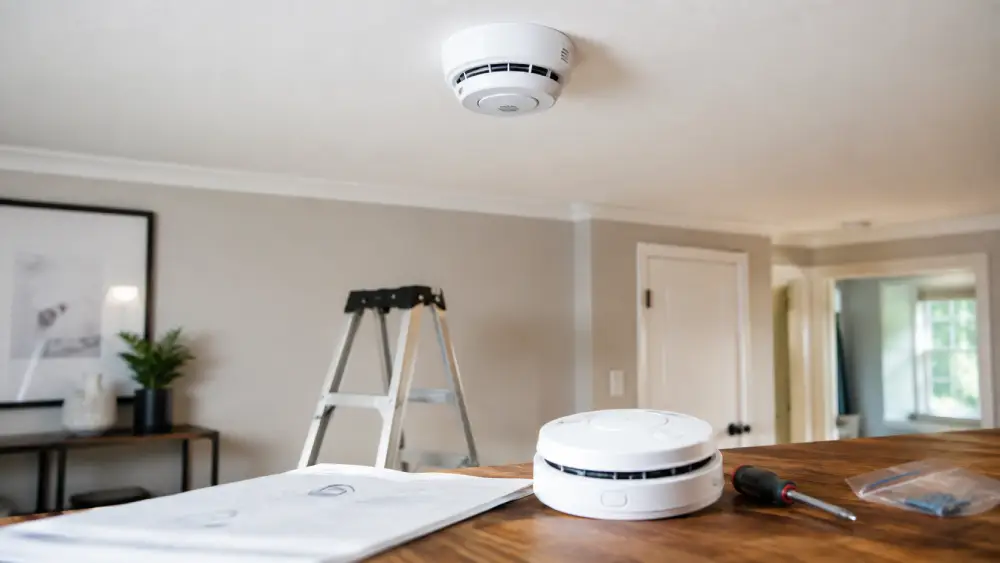

You’re generally responsible for maintaining smoke alarms in your rental, including replacing batteries if your lease or local laws assign that duty to you.
However, landlords must replace smoke alarm units that are faulty, expired (typically after about 10 years), or have wiring and power issues to meet safety codes.
Landlords also handle professional repairs for hardwired systems. Responsibilities can vary based on local laws and lease terms, so understanding these details is key to ensuring compliance and safety.
Key Takeaways
- Landlords must install, maintain, and replace smoke alarms to meet fire and housing codes, especially for expired or defective units.
- Tenants usually replace batteries in standard removable-battery alarms unless the lease or local laws assign this to landlords.
- Hardwired or sealed alarms often require landlord responsibility for battery maintenance and professional repairs due to complexity.
- Lease agreements and local regulations dictate whether landlords or tenants handle battery replacement and alarm maintenance duties.
- Tenants must promptly report malfunctions, but landlords are responsible for repairs related to wiring, power, or full unit replacement.
Who Replaces Smoke Alarms in Rental Properties?
Understanding who replaces smoke alarms in rental properties is vital for both landlords and tenants to guarantee safety and compliance.
Landlords typically install and maintain smoke alarms at the start of a tenancy, ensuring they meet fire and housing codes. When alarms malfunction, become faulty, or reach the end of their service life, it’s usually the landlord’s responsibility to repair or replace them, especially for hardwired systems.
As a tenant, your role focuses more on testing alarms regularly and promptly reporting any issues like low batteries or malfunctions. You’re generally not expected to replace entire units unless your lease or local laws specifically say otherwise.
This clear division helps maintain a safe living environment and assures that legal obligations are met efficiently. Regular monthly testing and maintenance of the alarms, including backup battery replacement, are essential to ensure continued functionality and safety of the system, especially in hardwired setups with backup battery maintenance.
When Must Landlords Replace Smoke Alarms?
You need to replace smoke alarms if they’re not working properly or if they’re defective. After all, keeping your property safe and compliant is super important.
Also, don’t forget that smoke alarms have a shelf life—usually around 10 years. Once they hit that mark, it’s time for a replacement.
And if there are any wiring or power issues impacting how the alarms work, that’s on you to fix. Just keep everything in check, and you’ll help ensure everyone stays safe!
It’s also crucial to maintain the battery backup regularly to ensure alarms remain operational during power outages.
Defective Unit Replacement
Whenever a smoke alarm unit becomes defective or ceases to function properly, landlords must act promptly to replace it to safeguard tenant safety and comply with legal requirements.
You can’t ignore a faulty alarm, as it compromises early fire detection and violates safety codes. If a tenant reports a malfunctioning unit, you’re responsible for arranging repair or replacement without delay.
This includes issues with wiring, power supply, or the unit itself. Battery replacement typically falls to tenants, but replacing the entire defective alarm remains your duty.
Failing to address defective alarms risks legal penalties and endangers occupants. Always make certain alarms remain fully operational throughout the tenancy to meet both safety standards and your landlord obligations effectively.
Prompt action protects everyone involved. Replacement should follow the manufacturer timeframe to ensure alarms remain reliable and effective.
End Of Service Life
Addressing defective smoke alarms promptly keeps your property safe. However, replacement responsibilities don’t end there.
You must replace smoke alarms once they reach their end of service life, typically around 10 years. Even if the unit appears functional, aging components can fail, reducing reliability.
Keeping alarms current guarantees compliance with fire safety codes and protects tenants effectively.
Regular inspections and maintenance are essential to ensure continued functionality and prevent unexpected failures related to end of service life.
| Condition | Replacement Responsibility | Typical Timeframe |
|---|---|---|
| Defective unit | Landlord | Immediately upon report |
| End of service life | Landlord | About every 10 years |
| Battery replacement | Tenant (where permitted) | As needed |
| Hardwired system issues | Landlord | Upon detection |
Wiring And Power Issues
Because smoke alarms rely on proper wiring and power to function, landlords must act quickly when issues arise with these systems.
If you’re a landlord, you’re responsible for ensuring hardwired smoke alarms are correctly installed and maintained.
Electrical faults, wiring damage, or power failures require prompt attention and replacement of defective units.
Tenants should report any malfunctions immediately, but it’s your duty to fix wiring or power issues.
These directly affect alarm reliability and safety compliance.
Unlike battery replacements, which tenants often handle, addressing wiring problems demands professional intervention by you.
Failing to repair or replace faulty wired alarms can lead to legal issues and jeopardize tenant safety.
Stay proactive to maintain a compliant, fully functional smoke alarm system throughout the tenancy.
Always ensure repairs comply with local electrical codes to guarantee safety and legal compliance.
What Are Tenant Responsibilities for Smoke Alarm Maintenance?
Maintaining smoke alarms in your rented property involves a few key responsibilities on your part as a tenant.
You should regularly test the alarms to make certain they’re working properly and never disable, remove, or tamper with them.
If you notice any malfunctions, missing units, or low batteries, report these issues promptly to your landlord to keep the system effective.
While you’re generally not responsible for replacing the entire smoke alarm unit, your lease or local laws might assign some maintenance duties to you.
Always follow any notification requirements before attempting repairs or replacements.
For hardwired smoke alarms, it is important to turn off power at the main breaker panel before attempting any disconnection or battery removal to ensure safety.
Who Should Replace Smoke Alarm Batteries?
When it comes to replacing smoke alarm batteries in your rental, it’s usually on you—especially if the alarm uses standard, removable batteries.
But here’s the catch: if you have sealed or hardwired alarms, your landlord might take care of that for you, depending on local regulations and what your lease says.
So, to be sure about who’s responsible for battery replacements, it’s a good idea to check your lease agreement.
That way, you’ll know exactly what’s expected in your specific situation!
Remember that many hardwired detectors use sealed 10-year lithium batteries for maintenance-free backup power, so battery replacement may not be necessary.
Tenant Battery Replacement
Frequently, tenants are responsible for replacing the batteries in standard smoke alarms during their tenancy.
You should regularly check the alarm’s functionality and swap out batteries as soon as you notice the low-battery warning chirp. This helps safeguard your safety and compliance with lease terms.
If the batteries are sealed or the unit is hardwired, battery replacement usually isn’t your responsibility. Always report any malfunctioning alarms or battery issues promptly to your landlord.
Avoid tampering with or disabling alarms, as this poses serious safety risks. Remember, your role is to keep the smoke alarms operational day-to-day by maintaining battery power, while the landlord handles repairs or full unit replacements.
Check your lease and local laws to confirm specific duties assigned to you regarding battery replacement.
Many hardwired smoke detectors include backup batteries that maintain operation during power outages, which are typically managed by the landlord.
Landlord Battery Responsibilities
While tenants often handle battery replacement for standard smoke alarms, landlords also have important responsibilities regarding battery maintenance.
You, as a landlord, must make certain that all smoke alarms in your rented property are functional and compliant with safety regulations.
This means replacing batteries in alarms with sealed or long-life batteries only when the entire unit requires service or replacement.
In cases where alarms are hardwired or integrated into the building’s electrical system, you’re responsible for maintaining power sources and addressing electrical issues.
If tenants report low batteries or malfunctions, you must act promptly to fix the problem or replace batteries if your lease or local laws assign that duty to you.
Ultimately, you’re responsible for keeping alarms working to protect occupants and meet legal standards.
Following local codes precisely ensures compliance and tenant safety.
Lease Terms Impact
Because lease agreements can vary widely, they play a vital role in determining who’s responsible for replacing smoke alarm batteries.
You should carefully review your lease to see if it specifies whether you or the landlord handles battery replacement.
Many leases assign this routine task to tenants, while landlords retain responsibility for faulty or expired alarms.
If your agreement is silent, local laws and fire codes generally guide responsibility.
Often, tenants replace batteries in standard alarms, and landlords maintain the units.
Always check if your lease requires you to notify the landlord before replacing batteries or making repairs.
Clear lease terms help avoid confusion, guarantee compliance, and promote safety by defining each party’s duties regarding smoke alarm maintenance.
In many jurisdictions, smoke alarm requirements are strictly enforced by local fire departments, which underscores the importance of clear responsibilities in lease agreements.
When Should Smoke Alarms Be Replaced Due to Age or Condition?
If a smoke alarm is outdated or shows signs of malfunction, you need to replace it promptly to guarantee safety and compliance.
Smoke alarms typically have a service life of about 10 years, after which their sensors may become unreliable. You should also replace alarms if they fail regular tests, emit false alarms, or have physical damage.
In rented properties, landlords are generally responsible for replacing alarms due to age or condition, ensuring they meet current fire codes. Tenants must report any issues immediately but usually don’t handle full replacements.
Prompt replacement prevents safety risks and legal violations. Keep in mind that sealed or hardwired alarms might require professional replacement.
Regular maintenance and timely replacement help protect everyone in the property and maintain compliance throughout the tenancy.
How Do Local Laws and Lease Terms Affect Smoke Alarm Rules?
Understanding local laws and lease terms is essential because they directly shape your responsibilities and rights regarding smoke alarm maintenance in rented properties.
Local regulations dictate whether landlords or tenants handle battery replacements, testing, repairs, or full unit swaps.
Local laws determine who is responsible for smoke alarm maintenance tasks like battery changes and testing.
Some jurisdictions require landlords to maintain fully compliant alarms, while others assign tenants routine tasks like testing and battery changes.
Your lease may clarify or adjust these duties, specifying who must notify whom about issues and who bears costs for repairs or replacements.
Since fire and tenancy codes vary widely, reviewing both local laws and lease provisions helps you avoid misunderstandings and guarantees compliance.
Always prioritize safety by promptly addressing alarm issues according to the rules that apply to your rental situation.
What To Do If a Smoke Alarm Is Broken or Not Working?
When you discover a smoke alarm is broken or not working, act promptly to guarantee your safety and compliance with regulations.
First, test the alarm to confirm the issue. If it fails, notify your landlord or property manager immediately, providing clear details about the problem.
Avoid disabling or tampering with the faulty alarm to prevent safety risks and lease violations. While you may be responsible for replacing batteries in some cases, fixing or replacing the entire unit is usually the landlord’s duty.
Keep records of your communications for reference. If the landlord doesn’t address the issue within a reasonable time, check local laws to see if you can arrange repairs yourself.
Always prioritize functioning alarms to maintain a secure living environment.
How Are Hardwired Smoke Alarm Issues Handled by Landlords?
Hardwired smoke alarms require landlords to step in promptly when issues arise, as these systems connect directly to the property’s electrical wiring and often include battery backups.
When a hardwired alarm malfunctions, it usually indicates an electrical fault or a unit failure, both of which fall under the landlord’s responsibility.
You must make certain repairs or replacements comply with local fire safety codes and are performed by qualified professionals, especially for wiring concerns.
Tenants should report any issues immediately, but you’re ultimately accountable for maintaining a fully operational system throughout the tenancy.
Since hardwired alarms are integral to the property’s safety infrastructure, addressing problems swiftly minimizes risk and legal liability, ensuring your rental remains safe and compliant with housing regulations.
How to Communicate Clearly About Smoke Alarm Repairs and Replacements?
Clear communication about smoke alarm repairs and replacements is essential to maintain safety and compliance in your rental property.
Effective communication on smoke alarm maintenance is key to safety and legal compliance in rentals.
You should clearly outline responsibilities in the lease, specifying who tests alarms, replaces batteries, and handles full unit replacements.
Encourage tenants to report issues promptly and provide them with straightforward instructions on how to do so.
Respond quickly to repair requests to prevent safety risks and legal complications.
Use written communication, like emails or texts, to document conversations and agreed actions, ensuring both parties have a record.
When scheduling repairs, give tenants reasonable notice and update them on progress.
By establishing transparent, timely communication channels, you reduce misunderstandings and ensure alarms stay functional.
This demonstrates your commitment to a safe living environment. Clear communication benefits everyone involved.
Frequently Asked Questions
Can Tenants Install Additional Smoke Alarms Without Landlord Approval?
You generally shouldn’t install additional smoke alarms without your landlord’s approval.
Altering the property, including adding devices, often requires consent to guarantee safety and code compliance.
Installing alarms without permission might violate lease terms or local regulations.
Always notify your landlord first, explain your reasons, and get written approval.
This keeps everyone safe, guarantees proper maintenance, and avoids potential disputes over unauthorized modifications.
Are Landlords Required to Provide Carbon Monoxide Detectors With Smoke Alarms?
Yes, landlords are usually required to provide carbon monoxide detectors alongside smoke alarms, especially in properties with fuel-burning appliances or attached garages.
Regulations vary by location, so you should check local laws to confirm specific requirements.
Providing both devices guarantees tenant safety and legal compliance.
You should expect landlords to install and maintain carbon monoxide detectors just like smoke alarms to meet fire and housing codes.
What Penalties Exist for Landlords Ignoring Smoke Alarm Maintenance Laws?
If you’re a landlord ignoring smoke alarm maintenance laws, you could face fines, legal action, or even criminal charges depending on your jurisdiction.
Authorities often impose penalties for non-compliance to protect tenant safety.
You might also be liable if a fire injury or death occurs due to faulty alarms.
Staying proactive and ensuring alarms work properly helps you avoid costly consequences and keeps your tenants safe.
How Often Should Tenants Test Smoke Alarms During Tenancy?
You should test smoke alarms at least once a month during your tenancy to make sure they’re working properly.
Regular testing helps identify battery issues or faults early, allowing you to report problems promptly.
Don’t disable or tamper with alarms. Notify your landlord immediately if an alarm isn’t functioning.
Staying proactive with monthly checks keeps you safe and guarantees compliance with fire safety standards throughout your tenancy.
Can Tenants With Disabilities Request Specialized Smoke Alarms?
Yes, you can request specialized smoke alarms if you have a disability.
Landlords are typically required to provide reasonable accommodations, such as alarms with visual signals, vibrations, or louder alerts, to guarantee your safety.
Make your request in writing, explaining your needs clearly.
Your landlord should work with you to install appropriate devices that comply with local fire safety codes and tenancy laws.
This promotes accessibility and protection for all tenants.
Landlords Must Replace Faulty or Expired Smoke Alarms
When it comes to smoke alarms in your rental, responsibility often feels like a relay race.
Landlords start by installing and replacing alarms, especially when they’re outdated or broken.
You keep batteries fresh and report issues promptly.
Knowing your local laws and lease terms guarantees the baton passes smoothly, keeping safety front and center.
Clear communication between you and your landlord creates a seamless safety net, protecting everyone under the roof.