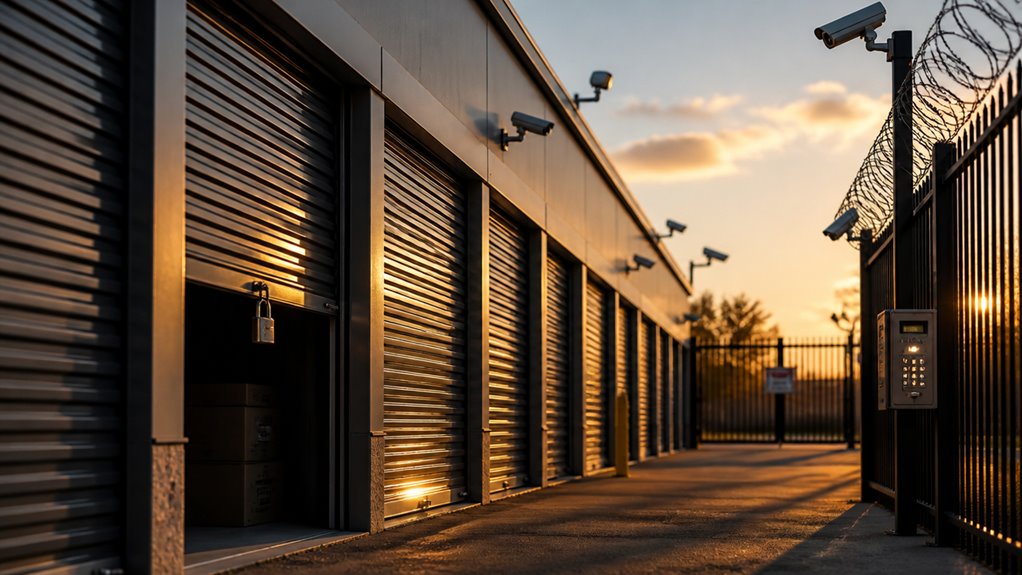

You can’t risk theft, break-ins, or damage at your self storage without strong security. Layered protection, including personalized gate codes, alarms, and surveillance cameras, stops unauthorized access and quickly detects intrusions.
Visible features like bright lighting and controlled gates not only deter criminals but also build tenant trust and protect your facility’s reputation. Solid security also reduces legal exposure and insurance costs.
Understanding these key measures will show you how to keep your storage safe and your business thriving.
Key Takeaways
- Effective security prevents break-ins, protecting tenants’ belongings and the facility’s reputation.
- Layered security systems deter theft and enable quick detection of unauthorized access.
- Personalized access controls ensure accountability and restrict entry to authorized users only.
- Visible safety features like lighting and cameras provide reassurance and deter criminals.
- Strong security reduces legal risks, insurance claims, and supports higher occupancy rates.
Why Theft and Break-Ins Put Your Storage at Risk?
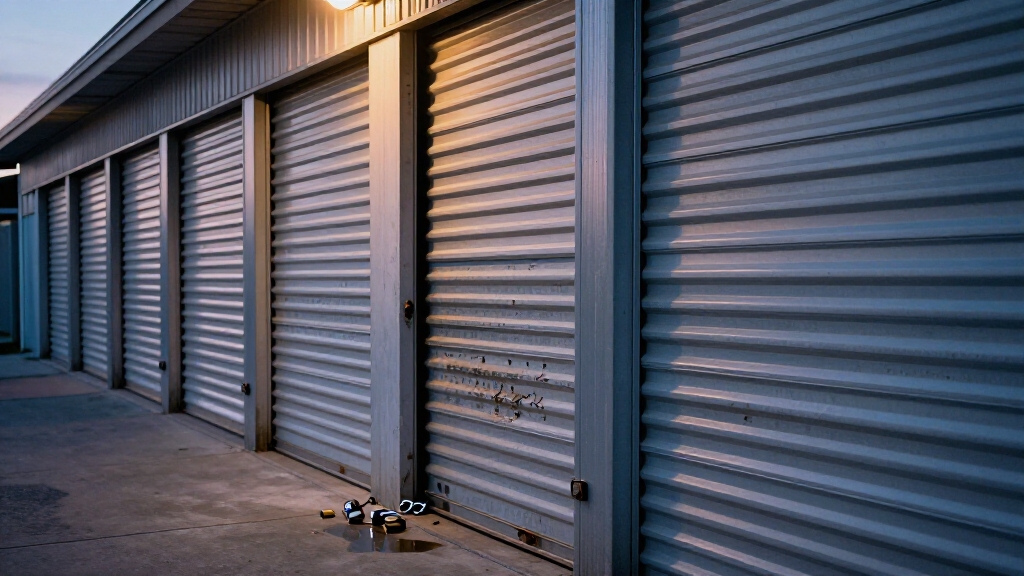
Theft and break-ins regularly shake up self-storage facilities, putting your property and reputation at serious risk.
Theft and break-ins threaten self-storage facilities, risking both property and reputation.
You can’t overlook that 59% of operators report break-ins, with some incidents targeting dozens of units at once.
When you have weak locks, poor access control, or limited surveillance, you’re basically inviting trouble.
These vulnerabilities make your facility an easy target for opportunistic criminals.
You need to recognize that theft isn’t a rare event; it’s an ongoing challenge requiring vigilance.
By understanding these risks, you can proactively assess and address weak points before they lead to loss or damage.
Your facility’s security directly impacts both your customers’ belongings and your business’s credibility, making prevention a critical priority you simply can’t afford to ignore.
Implementing systems with real-time mobile alerts can enhance your ability to respond quickly to unauthorized access.
How Layered Security Protects Your Self Storage Unit?
Layered security combines multiple protective measures to create a robust shield around your self-storage unit. This makes unauthorized access markedly harder.
You’ll benefit from overlapping defenses that deter break-ins and swiftly detect intrusion attempts. Here’s how it works:
- Controlled access points: Personalized gate codes and restricted floor access guarantee only authorized individuals enter your unit’s vicinity.
- Surveillance and lighting: Continuous camera monitoring combined with bright, well-placed lighting eliminates hiding spots and records suspicious activity.
- Unit-specific alarms: Individual alarms alert management instantly if someone tampers with your storage unit. This enables rapid response.
Visible cameras create a psychological barrier, significantly reducing the likelihood of criminal activity by increasing the perceived risk of identification through camera visibility.
Key Security Features That Protect Your Storage
To effectively protect your storage unit, it’s crucial to have essential security components working together. Think of it like building a fortress; you wouldn’t just have one wall.
By combining gates, cameras, lighting, alarms, and personalized access codes, you create a multi-layered defense system that really makes it tough for unauthorized entry.
This all-encompassing approach not only deters potential intruders but also significantly lowers risks. So, you can have peace of mind knowing that your belongings are safe and sound. It’s all about layering those security features to keep everything protected!
Regularly maintaining your security equipment and updating system firmware ensures long-term performance and reliability.
Essential Security Components
When setting up your self-storage facility, locking down essential security components is critical to keeping your tenants’ belongings safe. You need to integrate reliable measures that prevent unauthorized access, deter theft, and enhance overall safety.
Focus on these three key components:
1. Access Control Systems
Use personalized gate codes and restricted entry points to monitor and control who enters your property. This ensures only authorized individuals have access.
2. Surveillance Cameras
Install high-quality cameras covering all critical areas to provide continuous monitoring and evidence in case of incidents.
3. Adequate Lighting
Illuminate all pathways, entrances, and storage units to reduce hiding spots and discourage criminal activity.
Additionally, placing cameras at all primary entry points and mounting them at optimal heights with angled views can effectively minimize blind spots and enhance coverage for better security. This strategy is part of smart placement to maximize surveillance effectiveness.
Multi-Layered Protection
Although no single security measure can guarantee complete protection, combining multiple features creates a robust defense against unauthorized access and theft.
You need layered security elements like gated access with personalized codes, well-placed surveillance cameras, and bright lighting to deter criminals.
Adding alarms to individual units provides immediate alerts if a breach occurs.
Restricting access to certain floors or units further limits unauthorized entry, enhancing control.
This multi-tiered approach not only reduces opportunistic crime but also improves accountability by tracking who enters and exits your facility.
By proactively integrating these key security features, you markedly lower risks of theft, vandalism, and damage while boosting tenant confidence.
Additionally, maintaining continuous monitoring and thermal imaging can enhance early detection of security breaches or hazardous situations.
How Good Security Keeps Your Valuables Safe and Secure?
Because your stored items often hold significant financial and personal value, robust security measures play a critical role in protecting them from theft, vandalism, and damage.
When you choose a self-storage facility with good security, you’re actively safeguarding your belongings.
Here’s how it helps:
- Deterrence: Visible cameras, strong lighting, and secure gates discourage criminals from targeting your unit.
- Access Control: Personalized gate codes and restricted entry prevent unauthorized individuals from reaching your valuables.
- Immediate Alerts: Individually alarmed units notify management instantly if tampering occurs, enabling quick response.
Additionally, facilities often implement motion-triggered recording to efficiently monitor activity while conserving storage space and enabling prompt incident review.
Why Security Lowers Legal Risks and Insurance Costs?
Since break-ins and thefts directly impact facility owners, investing in strong security measures helps you minimize legal liabilities and insurance claims.
Investing in robust security reduces legal risks and lowers insurance claims for facility owners.
Weak security leaves you vulnerable to costly disputes and higher insurance premiums, especially since theft ranks just behind water damage in claim frequency.
By implementing layered security such as personalized gate codes, alarms on individual units, and extensive surveillance, you reduce unauthorized access and deter criminal activity.
This proactive approach not only lowers the probability of theft but also demonstrates due diligence, which insurers and courts recognize favorably.
Ultimately, your facility benefits from fewer damage claims and a stronger defense against liability.
Prioritizing security isn’t just about protecting tenants’ belongings; it’s a strategic move that controls your financial exposure and keeps your insurance costs manageable over time.
Research shows that alarm systems reduce burglary risk by 25%, making them a crucial part of any effective security strategy.
How Security Stops More Than Just Theft in Self Storage?
Beyond just preventing theft, robust security measures in self-storage facilities actively deter vandalism, unauthorized access, and tampering. When you invest in strong security, you’re not just protecting possessions; you’re safeguarding the entire property and its users.
Here’s how security does more than stop theft:
- Controls Access: Personalized gate codes and restricted areas limit who can enter. This reduces trespassing and after-hours vulnerabilities.
- Enhances Visibility: Improved lighting and surveillance cameras eliminate hiding spots. This discourages vandalism and unauthorized behavior.
- Enables Accountability: Monitoring entry and exit points tracks movements. This makes it easier to identify suspicious activity and respond swiftly.
- Proper placement and maintenance of surveillance cameras ensure continuous coverage and reduce blind spots, maximizing security effectiveness.
How Security Boosts Facility Reputation and Occupancy?
You know, tenants really pay attention to visible safety features. Things like well-lit cameras and secure gates can make a big difference in their decision to stay or rent. When they see these elements, it gives them peace of mind.
By preventing damage and unauthorized access, you’re not just protecting your customers’ property; you’re also safeguarding your facility’s reputation. Building that trust is key! It not only helps you retain existing tenants but also attracts new ones.
Integrating security cameras with real-time monitoring enhances the ability to respond quickly to incidents and ensures continuous protection.
Visible Safety Features
Frequently, prospective tenants decide whether to rent based on the visible security features a self-storage facility offers. When you prioritize clear, tangible safety measures, you not only reassure potential renters but also strengthen your property’s reputation. You want your facility to stand out as secure and well-managed.
Here are three visible features that make a strong impression:
- Well-lit premises: Bright, strategically placed lighting deters trespassers and enhances camera effectiveness.
- Surveillance cameras: Visible cameras signal active monitoring, discouraging theft and vandalism.
- Controlled access gates: Secure, personalized entry points show you control who enters your facility.
Additionally, integrating cameras with motion detection capabilities can provide real-time alerts, further enhancing security and response times.
Impact On Tenant Retention
When tenants see a facility equipped with robust security measures like cameras, lighting, and controlled access gates, they feel more confident renting there and staying long-term.
You can leverage this trust to boost tenant retention by consistently maintaining and upgrading these security features.
Strong security signals that you prioritize tenant property protection, making your facility stand out in a competitive market.
This reputation encourages tenants to renew leases and recommend your site to others, increasing occupancy rates.
Neglecting visible security risks damages your facility’s image, leading to tenant turnover and slower rental growth.
By proactively investing in layered security, such as personalized gate codes and well-monitored surveillance, you create a safer environment that tenants rely on.
This directly supports stable occupancy and long-term business success.
Damage Prevention And Trust
Although theft is a primary concern, preventing damage to units and stored property is equally critical for maintaining your facility’s reputation and tenant trust.
When you prioritize security, you show tenants you value their belongings. This builds confidence and encourages occupancy. Here’s how security directly boosts your facility’s status:
- Visible Security Measures: Cameras, lighting, and gated access deter vandals and unauthorized entry. This reduces damage incidents.
- Layered Protection: Combining alarms, access control, and monitoring quickly identifies and stops damage attempts.
- Tenant Assurance: Clear communication about your security protocols strengthens tenant trust and promotes positive word-of-mouth.
Frequently Asked Questions
How Often Should Security Systems at Self-Storage Facilities Be Upgraded?
You should upgrade security systems at self-storage facilities every 3 to 5 years or whenever technology advances markedly.
Regular upgrades ensure gates, cameras, alarms, and access controls remain effective against evolving threats.
Don’t wait for a breach. Proactively enhancing lighting, surveillance, and personalized access reduces risks and liability.
Consistent updates keep your facility safer, protect tenants’ property, and maintain your reputation and occupancy rates.
What Are the Most Common Security Technology Failures in Self-Storage Units?
You might think cameras always catch thieves, but common security tech failures in self-storage units include poor camera placement, weak locks, and outdated access controls.
These flaws create blind spots and easy entry points. Alarms often fail due to bad wiring or lack of maintenance.
To prevent breaches, you need layered, well-maintained security: strong locks, personalized gate codes, reliable cameras, and regular system upgrades to close vulnerabilities proactively.
How Do Weather Conditions Affect Self-Storage Security Measures?
You need to account for weather’s impact on your self-storage security.
Extreme temperatures can damage electronic components like cameras, alarms, and access controls, causing failures.
Heavy rain or snow might obscure cameras and flood key access points, reducing visibility and access reliability.
Wind can disrupt lighting or damage fencing.
To keep your facility secure, choose weather-resistant equipment, schedule regular maintenance, and ensure drainage and shelter protect critical security features.
Can Tenants Add Their Own Security Features to Storage Units?
Yes, you can add your own security features to storage units, but you should first check with the facility’s policies.
Many tenants enhance security by using high-quality padlocks, alarms, or motion sensors inside their units.
Just make sure your additions don’t interfere with the facility’s access or safety rules.
Taking these steps helps you proactively protect your belongings while staying compliant with management’s guidelines.
What Training Do Staff Receive for Handling Security Breaches?
You’ll learn that 59% of operators have faced break-ins, so staff training is essential. Your team gets trained on immediate breach response, including securing the area, notifying management, and documenting incidents thoroughly.
They’ll also learn to monitor cameras actively, manage alarm systems, and coordinate with law enforcement quickly. This proactive, detail-focused training helps you minimize damage, protect tenants’ property, and maintain your facility’s security reputation under pressure.
Why Security at Self Storage Is Important: Final Thoughts?
Think of security as the fortress wall guarding your self storage unit. Without it, you leave your valuables exposed to theft, damage, and legal risks.
By investing in layered security features, you’re not just protecting your belongings. You’re ensuring peace of mind, lowering insurance costs, and boosting the facility’s reputation.
Don’t wait for a breach to act; strong security is your best defense and a smart investment in safeguarding what matters most.