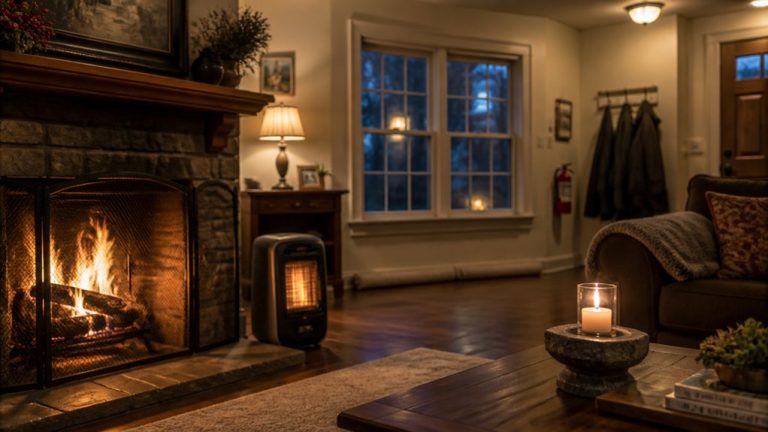

Yes, your gas fireplace can produce carbon monoxide if combustion is incomplete, often due to improper air-fuel mix, poor ventilation, or blocked vents.
This odorless, colorless gas poses serious health risks, so you should rely on carbon monoxide detectors and guarantee proper venting.
Sealed direct-vent models reduce risk by using outdoor air and exhausting gases safely.
Understanding causes, safety measures, and symptoms can help you manage and prevent carbon monoxide hazards effectively.
Key Takeaways
- Gas fireplaces can produce carbon monoxide if combustion is incomplete due to improper fuel oxidation.
- Incomplete combustion results from poor oxygen supply, incorrect gas-air ratio, or damaged burner components.
- Improper venting or blocked exhaust can cause carbon monoxide to enter living spaces from the fireplace.
- Sealed direct-vent gas fireplaces reduce carbon monoxide risks by using outdoor air and safely venting exhaust.
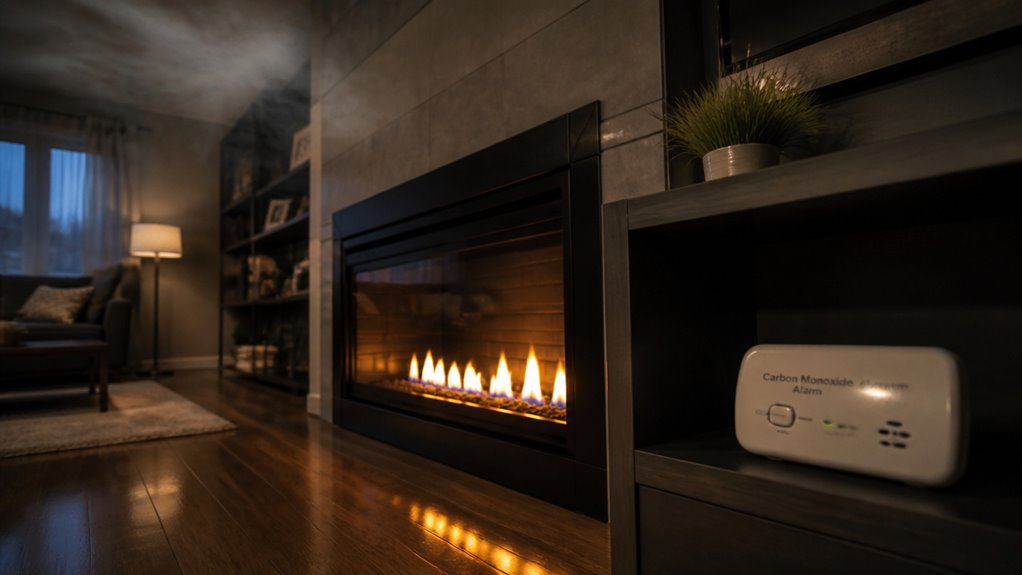
- Carbon monoxide is odorless and undetectable without detectors, so alarms near fireplaces are essential for safety.
Can a Gas Fireplace Produce Carbon Monoxide?
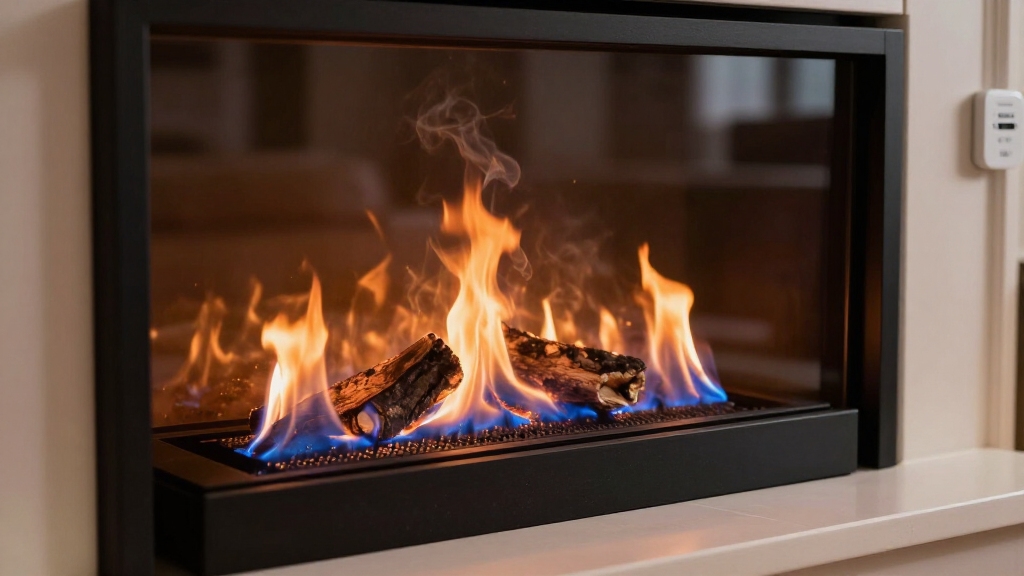
While gas fireplaces are designed to burn fuel efficiently, they can produce carbon monoxide if combustion is incomplete.
Gas fireplaces burn fuel efficiently but may emit carbon monoxide if combustion is incomplete.
Factors like poor adjustment, inadequate maintenance, or ventilation issues increase the risk of carbon monoxide generation.
Since carbon monoxide is odorless and colorless, you can’t detect it by smell or sight.
Improperly installed or unvented gas fireplaces pose significant hazards because they may release combustion gases directly into your living space.
Always make certain your gas fireplace has proper venting to exhaust harmful gases outdoors.
You shouldn’t assume safety without regular inspections and adherence to manufacturer guidelines.
Installing a carbon monoxide detector near sleeping areas is essential to ensure early detection and prevent poisoning.
How Incomplete Combustion Creates Carbon Monoxide?
When your gas fireplace doesn’t get the right mix of gas and air, it can lead to incomplete combustion. That’s when carbon monoxide starts to form.
You see, if the vents or flues are blocked, those harmful gases can’t escape properly. This can really bump up the levels of carbon monoxide indoors.
So, it’s super important to understand what causes this issue. By knowing the factors at play, you can take steps to prevent dangerous carbon monoxide buildup in your home.
Keeping an eye on your fireplace and ensuring proper ventilation can make all the difference!
If you suspect a leak or incomplete combustion, using electronic gas detectors can help identify dangerous gas levels early.
Causes Of Incomplete Combustion
Because carbon monoxide forms during incomplete combustion, understanding what causes this process is essential for gas fireplace safety.
Incomplete combustion occurs when the fuel, natural gas or propane, doesn’t burn fully due to insufficient oxygen supply or poor fuel-air mixing.
If the gas-air ratio is off, combustion becomes inefficient, producing carbon monoxide instead of carbon dioxide.
Blockages in flues or chimneys restrict exhaust flow, disrupting combustion by trapping gases.
Additionally, improper burner adjustments or damaged components can impair flame stability, leading to incomplete combustion.
Ventilation issues, such as back-drafting, also contribute by pulling exhaust gases back indoors.
You must guarantee proper maintenance, ventilation, and correct burner settings to minimize incomplete combustion and reduce carbon monoxide production in your gas fireplace.
Regular inspection of vents and flues ensures they are free of blockages or damage, which is critical to prevent CO buildup.
Effects Of Gas-Air Imbalance
Incomplete combustion, primarily caused by an imbalance between gas and air, directly impacts the production of carbon monoxide in your gas fireplace.
When the gas-to-air ratio is incorrect, either too rich (excess gas) or too lean (insufficient gas), the flame can’t achieve complete oxidation of carbon molecules.
This incomplete combustion generates carbon monoxide (CO), a hazardous, odorless gas.
You must make certain the burner receives the correct amount of oxygen to maintain a stable, blue flame, indicating efficient combustion.
If the mixture skews too rich, the flame turns yellow or orange, signaling CO production.
Regularly check and adjust the gas-air mixture to prevent dangerous CO levels.
Proper calibration and maintenance of your fireplace’s burner assembly are vital to avoid incomplete combustion and the associated risks of carbon monoxide exposure.
Warning signs such as yellow or flickering flames indicate combustion inefficiencies that can increase CO buildup and should prompt immediate inspection.
Impact Of Blocked Venting
If venting pathways become blocked, your gas fireplace can’t expel combustion gases properly. This disrupts the airflow essential for complete fuel burning.
This leads to incomplete combustion, where fuel doesn’t fully oxidize, producing carbon monoxide (CO) instead of carbon dioxide. Blockages in flues, chimneys, or vents reduce oxygen supply and trap exhaust gases, increasing CO accumulation indoors.
Additionally, back-drafting caused by vent obstruction can pull hazardous gases back into your living space. These conditions heighten CO exposure risks, as this odorless, toxic gas accumulates unnoticed.
To prevent this, ensure all venting components remain clear of debris, corrosion, or disconnections. Regular professional inspections and maintenance are critical for safeguarding proper airflow and minimizing carbon monoxide generation from your gas fireplace.
A properly functioning heat exchanger is also essential to prevent CO from leaking into indoor air, as cracks or damage can allow combustion gases to escape.
Warning Signs of Carbon Monoxide Exposure
It’s really important to be aware of the common symptoms of carbon monoxide exposure. You might notice things like headaches, nausea, confusion, or just feeling really tired. If you start experiencing any of these signs—or if your carbon monoxide alarm goes off—it’s crucial to act quickly.
First, shut off your gas fireplace right away and make sure to ventilate the area. Open some windows or doors if you can. After that, don’t stick around; leave your home and seek emergency medical help. Taking these steps can really help prevent serious health issues. Stay safe!
For comprehensive safety, ensure you have a carbon monoxide detector installed near bedroom doors to provide an early warning and help protect your household.
Common Symptoms
Carbon monoxide exposure frequently causes symptoms like headaches, nausea, lethargy, and confusion, which often develop without any obvious warning signs. You may initially attribute these symptoms to common illnesses, but they indicate impaired oxygen delivery at the cellular level caused by carbon monoxide binding to hemoglobin.
As exposure continues, you might experience dizziness, shortness of breath, or impaired judgment. In severe cases, loss of consciousness or even death can occur. Because carbon monoxide is colorless and odorless, you can’t rely on sensory detection.
Recognizing these symptoms early is critical since they reflect harmful internal effects of carbon monoxide poisoning. If you notice these signs while using a gas fireplace, consider the possibility of incomplete combustion or ventilation issues and respond accordingly to protect your health.
Regular maintenance and proper venting of combustion appliances are essential to prevent dangerous carbon monoxide buildup in your home.
Immediate Actions
Whenever a carbon monoxide alarm sounds or symptoms like headache and nausea arise during gas fireplace use, immediate action is essential to prevent serious poisoning.
Shut off the fireplace promptly to stop further carbon monoxide release. Open windows and doors to ventilate the area and reduce indoor gas concentration.
Leave the premises immediately to avoid prolonged exposure. If you or others experience dizziness, confusion, or loss of consciousness, seek emergency medical attention without delay.
Call emergency services from outside the home to report the situation. Don’t re-enter or use the fireplace until a qualified professional inspects and repairs the system.
Acting swiftly and decisively is critical because carbon monoxide is colorless, odorless, and toxic at low concentrations, posing a severe health risk.
It is important to remember that a carbon monoxide detector will not alert you to natural gas leaks, so having a separate natural gas detector is essential for overall safety.
Which Types of Fireplace Venting Are Safer?
Typically, sealed direct-vent fireplaces provide the safest option for venting. They draw combustion air from outdoors and exhaust gases directly outside, minimizing indoor exposure to harmful byproducts like carbon monoxide.
These systems maintain a closed combustion chamber, preventing back-drafting and indoor contamination.
Natural draft venting relies on chimney height and temperature differences to expel gases but can be less reliable if flues are blocked or improperly sized.
Power venting uses a fan to force exhaust outside, improving reliability but requiring electrical components that may fail.
Vent-free fireplaces, by contrast, release combustion gases indoors and markedly increase carbon monoxide risk.
When choosing a venting system, prioritize sealed direct-vent models to ensure combustion air and exhaust remain separate from your living space, reducing potential carbon monoxide hazards.
It is also important to keep the damper open during extinguishing to allow smoke and gases to exit safely, preventing indoor buildup and carbon monoxide accumulation.
How to Prevent Carbon Monoxide in Gas Fireplaces?
Maintaining proper ventilation and regular inspections plays a vital role in preventing carbon monoxide buildup from gas fireplaces. You need to make certain combustion gases exhaust safely outdoors and that air supply is adequate. Follow these critical steps:
- Schedule annual inspections and servicing by a qualified professional to check gas pressure, pilot flame, and vent integrity.
- Keep chimneys, flues, and vents clear of blockages, corrosion, or disconnections to maintain proper exhaust flow.
- Install carbon monoxide detectors near the fireplace and on every home level for early detection of leaks.
- Additionally, using gas leak detectors can provide continuous monitoring and early audible alerts to unsafe gas levels, enhancing overall safety.
How to Respond If You Suspect Carbon Monoxide?
If you suspect carbon monoxide exposure from your gas fireplace, act immediately to minimize risk.
First, turn off the fireplace and open windows and doors to ventilate the area.
Turn off the fireplace immediately and open windows and doors to ensure proper ventilation.
Leave the building promptly to avoid further inhalation of toxic gas.
If anyone shows symptoms such as headache, nausea, confusion, or lethargy, seek medical attention without delay.
From outside, call emergency services or the fire department to report the situation.
Do not re-enter or use the fireplace until a qualified technician inspects the system, identifies the source of carbon monoxide, and makes necessary repairs.
Always treat suspected carbon monoxide presence as a serious hazard to prevent life-threatening outcomes.
Make certain your home’s safety.
Choosing Gas Fireplaces That Minimize Carbon Monoxide Risk
After making sure you know how to respond to suspected carbon monoxide exposure, the next step is selecting a gas fireplace that reduces your risk of producing this dangerous gas.
Prioritize models designed to optimize combustion and vent exhaust safely outdoors.
Consider these key factors:
- Choose sealed direct-vent fireplaces: These use outdoor air for combustion and expel all exhaust outside. This minimizes indoor carbon monoxide buildup.
- Avoid vent-free units: They release combustion gases, including carbon monoxide, directly into your living space. This increases exposure risk.
- Verify professional installation and maintenance: Proper setup ensures a correct gas-air mix and clear venting pathways. This helps prevent incomplete combustion and gas accumulation.
Frequently Asked Questions
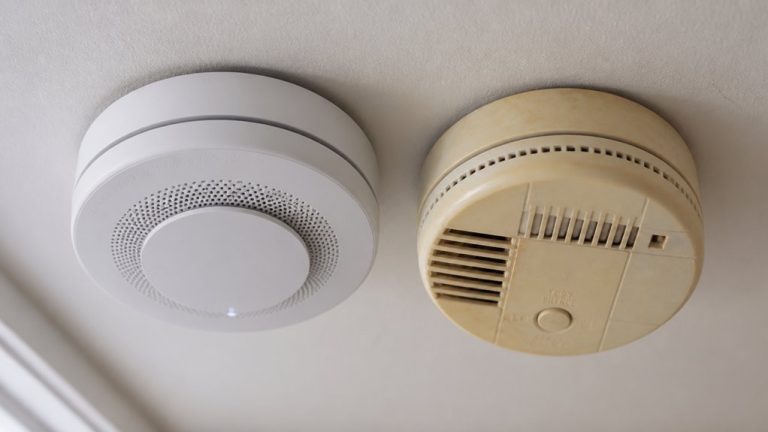
How Often Should Carbon Monoxide Detectors Be Replaced?
You should replace carbon monoxide detectors every 5 to 7 years, depending on the manufacturer’s guidelines.
Over time, sensors degrade and may fail to detect dangerous levels accurately.
Regularly test your alarms monthly to guarantee functionality.
Replace batteries at least once a year or when low battery warnings sound.
Staying proactive with replacements and maintenance keeps your home safer, especially if you use gas fireplaces or other fuel-burning appliances.
Can Pets Show Signs of Carbon Monoxide Poisoning?
Imagine your pet suddenly acting sluggish, stumbling, or breathing heavily. These can be signs of carbon monoxide poisoning.
Yes, pets do show symptoms like lethargy, vomiting, and disorientation, as their bodies respond similarly to humans when exposed to CO.
You need to watch for these subtle signals since pets can’t tell you what’s wrong. If you suspect CO, get them and yourself outside immediately and seek emergency care.
Are There Specific Brands Known for Safer Gas Fireplaces?
You should look at brands like Napoleon, Heat & Glo, and Mendota, which are known for producing gas fireplaces with advanced sealed direct-vent technology.
These models minimize carbon monoxide risk by ensuring combustion gases exhaust outdoors.
Always verify the fireplace meets ANSI and CSA safety standards.
Does Altitude Affect Carbon Monoxide Production in Fireplaces?
Yes, altitude affects carbon monoxide production in fireplaces because thinner air at higher elevations reduces oxygen availability.
This leads to incomplete combustion.
You might notice your gas fireplace producing more carbon monoxide at altitude unless adjustments are made.
To prevent this, you should have your fireplace tuned specifically for your altitude.
This ensures the gas-air mixture is correct and combustion is complete, minimizing carbon monoxide risks and maintaining safe operation.
Can Household Plants Help Detect Carbon Monoxide Levels?
You can’t rely on household plants to detect carbon monoxide levels because they don’t respond specifically to CO exposure.
While some plants might show stress symptoms over time, such signs aren’t immediate or precise enough for safety.
Instead, you should install certified carbon monoxide detectors, which are designed to monitor CO concentrations accurately and alert you to dangerous levels.
This is the only reliable way to guarantee your environment stays safe.
Protect Your Home From Gas Fireplace Carbon Monoxide
You might think a gas fireplace is harmless, but incomplete combustion can quietly produce carbon monoxide, a deadly gas you can’t see or smell.
Without proper venting and maintenance, you risk serious exposure. Don’t wait for warning signs; take action now.
Make sure your fireplace is vented correctly, install detectors, and know how to respond if you suspect carbon monoxide.
Your safety depends on understanding these hidden dangers before it’s too late.