
Setting your home to 66°F is generally energy-efficient and safe for healthy adults, especially if you wear layers and optimize insulation.
However, it may feel a bit cool during sedentary activities or in living rooms.
Vulnerable individuals like older adults, infants, or those with health conditions often need warmer settings around 68°F or above to stay comfortable and safe.
If you want to optimize comfort while keeping energy use low, understanding room-specific strategies and care tips will be helpful.
Key Takeaways
- 66°F is generally safe and energy-efficient for healthy adults but may feel slightly cool during sedentary activities in living areas.
- Vulnerable groups like older adults, infants, and those with health conditions often require warmer temperatures around 68°F–72°F.
- Bedrooms benefit from 66°F as it supports better sleep and energy savings when combined with adequate bedding.
- Enhancing insulation, humidity (40-60%), and wearing layered clothing improves comfort at 66°F.
- Proper thermostat function and system maintenance are essential to avoid energy waste and ensure safety at this temperature.
Is 66°F Too Cold for Your Home?
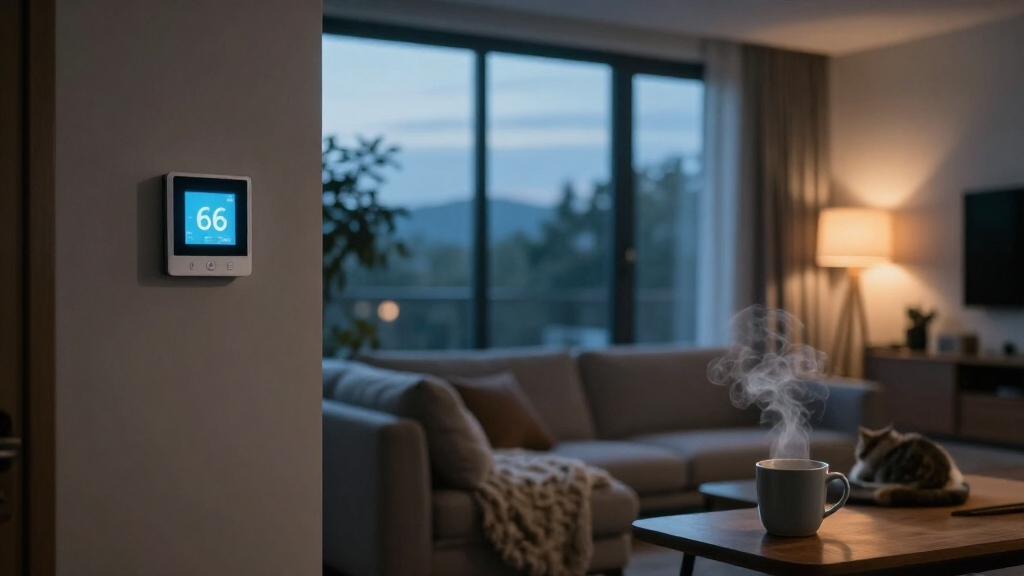
How cold is too cold for your home? At 66°F, your indoor temperature falls slightly below the typical daytime comfort range of 68°F to 72°F.
This temperature aligns closely with health guidelines recommending minimum safe indoor levels around 64.4°F to 68°F, depending on occupant demographics.
For a healthy, active adult wearing suitable clothing, 66°F generally won’t pose health risks or cause discomfort. However, it’s cooler than the usual living room target of approximately 69°F to 72°F, potentially feeling less comfortable during sedentary activities.
You should also consider factors like humidity and airflow, which influence thermal perception. While 66°F can support energy efficiency and sleep quality, your home’s insulation quality and occupant activity levels determine if this temperature is truly suitable for maintaining comfort and safety.
Maintaining proper indoor air quality is also essential to ensure a healthy and comfortable living environment at lower temperatures.
Who Might Find 66°F Too Cold?
So, if you’re older or have heart or lung conditions, you might find 66°F a bit too chilly. It can even pose some health risks for you.
And let’s not forget about young children—they often need warmer indoor temperatures to stay comfy and safe.
Understanding these sensitivities is key. It helps you adjust your home’s temperature to better support those who might feel the cold more acutely.
After all, keeping everyone comfortable is what it’s all about!
In addition, properly maintaining heating systems and scheduling annual inspections can help ensure a safe and warm environment for vulnerable individuals.
Vulnerable Age Groups
Because your body’s ability to regulate temperature declines with age, older adults often find 66°F uncomfortably cool and potentially risky.
You might notice that as you age, maintaining core warmth becomes harder, increasing susceptibility to cold stress.
Besides seniors, other vulnerable age groups include:
- Infants and young children, whose thermoregulation systems are immature, making them prone to heat loss.
- Elderly individuals with reduced circulation and slower metabolic responses.
- People with limited mobility who can’t adjust their environment or clothing easily.
Caregivers should monitor these groups closely, as 66°F may not provide sufficient thermal comfort, raising the risk of hypothermia and related complications.
Adjusting indoor temperatures above 66°F or ensuring proper insulation and clothing is essential to protect vulnerable age groups from cold exposure.
Using electric furnaces can improve indoor air safety by eliminating risks of carbon monoxide exposure common with fuel-burning heating systems.
Health Condition Sensitivities
While 66°F may feel comfortable for many healthy adults, individuals with certain health conditions often experience increased sensitivity to cooler indoor temperatures.
If you have cardiovascular or respiratory illnesses, such as asthma, chronic obstructive pulmonary disease (COPD), or heart failure, 66°F can exacerbate symptoms by promoting vasoconstriction and reducing oxygen availability.
Similarly, if you have hypothyroidism or poor circulation, your body may struggle to maintain core temperature at this level.
For those with compromised immune systems or chronic conditions, cooler air can increase infection risks or induce discomfort.
Consequently, if you fall into these categories, maintaining indoor temperatures closer to 68°F or higher is advisable to support peak physiological function and prevent health deterioration linked to cooler environments.
Monitoring humidity and airflow also helps improve your thermal comfort at this temperature.
Additionally, ensuring your home has functioning smoke alarms and carbon monoxide detectors is vital for safety, especially when using heating systems to maintain warmer indoor temperatures.
Room Comfort Differences at 66°F (Including Sleep)
At 66°F, your living room is just a bit cooler than the usual comfort zone of 68°F to 72°F. This might feel a little chilly if you’re lounging around for a long time.
However, when it comes to bedrooms, 66°F is actually pretty spot on. It falls right within the ideal sleep temperature range of 61°F to 64°F, which can really help you get a good night’s rest.
For optimal safety, it’s important to have smoke detectors installed inside each bedroom to ensure early warning in case of fire.
Living Room Comfort Levels
Living rooms typically demand a warmer temperature range than 66°F to maintain comfort during daytime activities.
At 66°F, you might find the space slightly cool, especially during sedentary moments. This temperature sits below the common comfort target of 68°F to 72°F, impacting your perceived warmth.
Consider these points about living room comfort at 66°F:
- You may feel a chill during prolonged sitting without additional clothing.
- Active movement or wearing layers can mitigate discomfort.
- Vulnerable occupants, like older adults, might find 66°F insufficiently warm.
- Lower humidity or poor insulation can intensify the cool sensation.
Ultimately, 66°F can be borderline for living rooms, needing adjustments to maintain a pleasant, functional environment. Maintaining an indoor relative humidity of 30%–50% can help improve thermal comfort and prevent mold growth.
Ideal Bedroom Temperatures
Comfort expectations shift markedly when moving from active living spaces to bedrooms, where cooler temperatures like 66°F often align better with sleep hygiene recommendations.
You’ll find that 66°F falls within the commonly advised bedroom range of 60.8°F to 64.4°F, slightly above the lower threshold but still conducive to sleep quality.
At this temperature, your body can regulate core temperature efficiently, promoting deeper rest.
However, if you’re older, have respiratory or cardiovascular conditions, or are sensitive to cold, 66°F may feel chilly without adequate bedding or clothing.
While energy savings are notable at this setting, make certain your bedroom humidity and airflow optimize comfort.
Using zone heating can help maintain ideal temperatures in specific rooms without overheating the entire house.
How 66°F Can Help You Save on Heating?
Turning down your thermostat to 66°F can markedly cut heating energy consumption without sacrificing basic indoor comfort. This temperature balances efficiency and safety, especially for healthy adults wearing appropriate clothing. By maintaining 66°F, you optimize energy use while staying within acceptable comfort ranges.
Lowering your thermostat to 66°F effectively reduces energy use while ensuring comfortable, safe indoor temperatures.
Here’s how 66°F helps you save on heating:
1. Reduces energy demand
Lower thermostat settings decrease furnace runtime, cutting utility bills.
2. Minimizes heat loss
Cooler indoor air reduces thermal gradients, slowing heat transfer through walls.
3. Supports night setbacks
Aligns well with recommended sleeping temperatures, maximizing overnight savings.
4. Maintains comfort
Avoids discomfort from overly cold environments, reducing the temptation to increase heat.
Additionally, ensuring your thermostat is functioning properly and not stuck in a compressor protection delay can prevent unnecessary energy use.
Setting your thermostat to 66°F is a practical, evidence-based strategy for efficient heating without compromising health or comfort.
When You Should Set Your Thermostat Warmer Than 66°F?
You should often set your thermostat warmer than 66°F when you have vulnerable occupants such as older adults, young children, or individuals with heart or lung conditions. They require higher indoor temperatures for health and safety.
Maintaining temperatures above 66°F, ideally around 68°F to 72°F, reduces risks of hypothermia, cardiovascular strain, and respiratory complications in these groups.
Additionally, if your home lacks adequate insulation or humidity control, raising the thermostat can prevent cold-related discomfort and health issues.
For sedentary activities in living spaces, temperatures warmer than 66°F improve thermal comfort and prevent prolonged exposure to cooler air that may exacerbate existing conditions.
Cold temperatures slow battery chemistry and reduce current output, which can cause fire alarm malfunctions if your home’s systems are not designed for low temperatures.
Tips for Staying Comfortable at 66°F
Living at 66°F requires smart adjustments to maintain warmth without overusing energy.
You’ll want to optimize insulation and humidity to enhance thermal comfort.
Wearing layered, moisture-wicking clothing helps regulate your body temperature efficiently.
Consider targeted heating in frequently used rooms instead of raising the whole house temperature.
Here are four tips to stay comfortable at 66°F:
- Use programmable thermostats to adjust temperatures based on occupancy and activity.
- Add thermal curtains to reduce heat loss through windows.
- Employ area rugs on cold floors to insulate and retain warmth.
- Increase indoor humidity to around 40-60% to improve perceived warmth and respiratory comfort.
Using an air purifier with continuous operation can also improve indoor air quality and overall comfort in your living space.
These strategies allow you to maintain comfort while benefiting from energy savings at 66°F.
Frequently Asked Questions
How Does Humidity Affect Feeling Cold at 66°F Indoors?
Humidity directly influences how cold you feel at 66°F indoors because moist air conducts heat away from your body faster than dry air.
When humidity is low, you might feel cooler since evaporation of sweat increases, enhancing heat loss.
Conversely, higher humidity can make the air feel warmer by reducing evaporation.
Can Pets Tolerate 66°F Comfortably Inside the House?
You can think of 66°F as a gentle breeze for most pets indoors.
Generally, dogs and cats tolerate this temperature comfortably, especially if they’ve thick fur or access to cozy bedding.
However, smaller or short-haired breeds might feel the chill, so provide warm spots or blankets.
Reptiles and small mammals often need higher temps, so monitor their specific requirements closely.
Always observe your pet’s behavior to make certain they’re not too cold.
What Clothing Materials Keep You Warm at 66°F?
At 66°F, you’ll stay warm best by wearing insulating fabrics like wool, fleece, and down.
Wool traps heat even when damp, while fleece offers lightweight warmth and breathability.
Layering with synthetic materials such as polyester or nylon helps wick moisture away, maintaining thermal comfort.
Avoid cotton, as it retains moisture and chills you.
Combining these materials in base, mid, and outer layers optimizes warmth efficiently at this cooler indoor temperature.
Does 66°F Impact Indoor Air Quality or Mold Growth?
Indoor air quality and mold growth aren’t directly impacted by 66°F itself but by humidity levels.
You should know mold thrives above 60% relative humidity. At 66°F, if your home’s humidity stays below that threshold, mold risk remains low.
Cooler temperatures can sometimes increase condensation on cold surfaces, encouraging mold if ventilation is poor.
How Quickly Does a House Cool Down to 66°F After Heating Stops?
How quickly your house cools to 66°F after heating stops depends on insulation quality, outdoor temperature, air leakage, and thermal mass.
Well-insulated homes may take several hours to drop from typical heating levels (around 68–72°F) down to 66°F.
Poorly insulated or drafty houses can cool much faster, sometimes within an hour.
Factors like wind and humidity also influence cooling rates, so expect variability based on your home’s specific conditions.
Balance Home Comfort, Safety, and Energy Savings
Setting your home to 66°F balances energy savings with comfort, but it might feel chilly if you’re elderly, sick, or prefer warmth.
You’ll notice cooler mornings, crisper evenings, and an invigorating sleep environment.
You can save on heating bills, reduce environmental impact, and maintain consistent temperatures.
However, when guests arrive, during illness, or on particularly cold days, consider raising the thermostat.
Adjust, layer, and monitor to keep your home efficiently comfortable at 66°F.