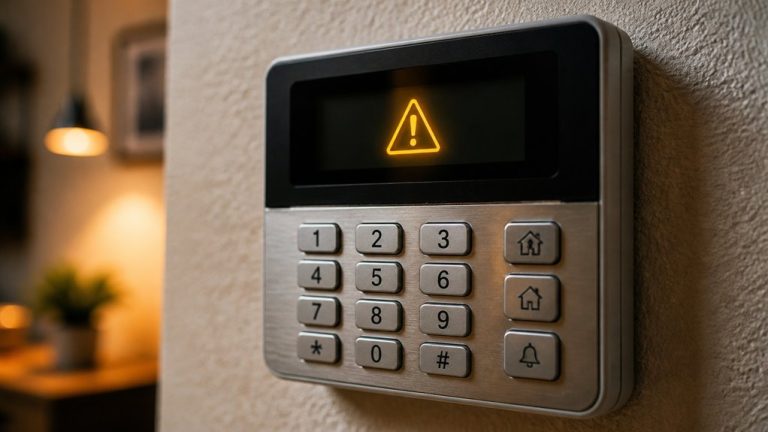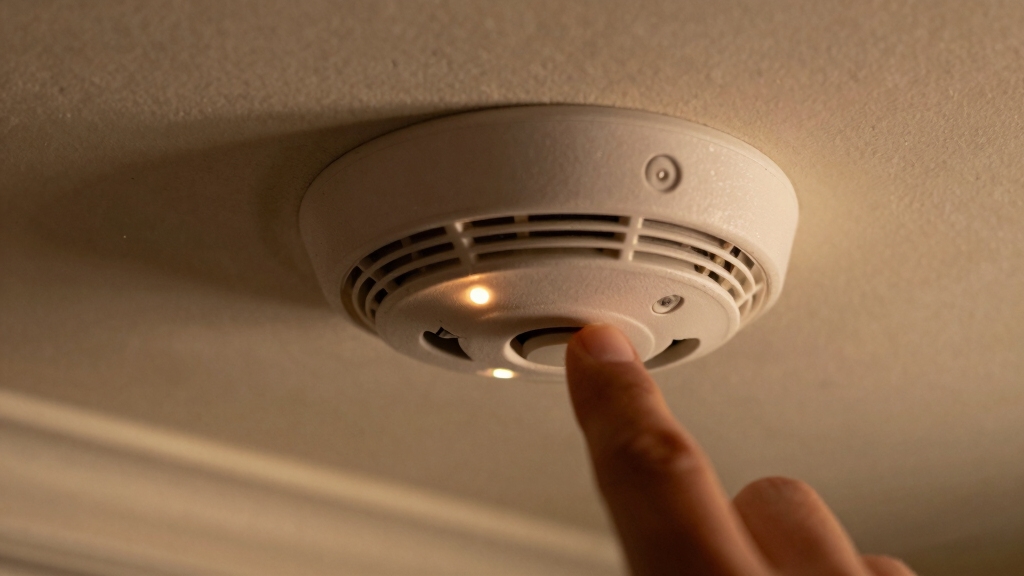

When your smoke detector shows a fault, it means a component is malfunctioning and your fire detection may be compromised.
Faults don’t indicate fire but signal issues like low battery, sensor failure, wiring problems, or physical damage.
You’ll notice alerts such as intermittent chirps or blinking lights prompting you to address the problem quickly.
Proper troubleshooting and maintenance restore safety and reliability. Understanding fault signals and fixes can help you maintain peak detector performance.
Key Takeaways
- A fault on a smoke detector signals a problem compromising its fire detection reliability, not an actual fire.
- Common faults include low battery, sensor malfunctions, wiring issues, or physical damage to the detector.
- Fault alerts use audible chirps and blinking lights to prompt immediate investigation and repair.
- Continuous red flashing often indicates a sensor fault, while intermittent chirping usually signals low battery.
- Promptly addressing faults prevents delayed fire detection and ensures the smoke detector functions properly.
What a Smoke Detector Fault Means?
Although a smoke detector fault doesn’t indicate an actual fire, it signals a problem with the detector’s components that compromises your fire alarm system’s reliability.
When a fault occurs, your detector identifies issues such as low battery voltage, sensor malfunctions, wiring breaks, or physical damage.
These faults trigger specific error codes on the fire alarm control panel, distinguishing them from genuine fire alarms.
You must address the fault promptly because it impairs the device’s ability to detect smoke effectively.
Ignoring faults risks delayed fire detection and jeopardizes safety.
Fault signals are designed to alert you through audible chirps or blinking lights, prompting you to investigate and restore proper function.
Regular maintenance and timely fault resolution guarantee continuous, dependable smoke detection in your environment.
Performing regular checks can help identify faults early and maintain your smoke detector’s reliability.
Identifying Smoke Detector Fault Signals
Understanding how smoke detectors communicate faults helps you respond quickly to maintain system reliability.
Knowing how smoke detectors signal faults enables prompt action to keep your system dependable.
You’ll notice specific fault signals like intermittent chirping combined with a blinking red LED, often indicating a low battery or sensor malfunction.
Continuous red flashing typically signals a sensor fault, requiring immediate attention.
Some units display error codes on the fire alarm panel, helping you pinpoint issues such as wiring faults or communication problems.
When multiple interconnected alarms activate simultaneously without smoke presence, it often indicates a fault in one device affecting the system.
By recognizing these signals—chirps, light patterns, and panel codes—you can swiftly identify faults and initiate troubleshooting steps.
This ensures your smoke detector system remains fully operational and reliable.
Regular testing and maintenance are essential to prevent false alarms and detect faults early, so be sure to test alarm monthly to confirm sensor and battery function.
Common Causes of Smoke Detector Faults
When your smoke detector signals a fault, it’s usually caused by specific issues such as a low or dead battery, sensor malfunctions, or wiring problems. These faults affect the detector’s ability to function reliably and need prompt attention. Below is a concise overview of common causes:
| Cause | Indicator | Description |
|---|---|---|
| Low/Dead Battery | Chirping, blinking red light | Battery power insufficient for operation |
| Sensor Malfunction | Continuous red flash | Sensor fails to detect smoke accurately |
| Dusty Sensors | Sensor fault code | Dirt interferes with sensor function |
| Wiring Issues | Fault code on panel | Broken or loose wiring disrupts signals |
Understanding these causes helps you identify issues quickly and prioritize maintenance. Regular testing and cleaning are essential to maintain sensor reliability and prevent faults caused by dust and debris.
How to Fix Smoke Detector Faults?
Start fixing smoke detector faults by identifying the specific cause through its indicators, such as chirping sounds, blinking lights, or error codes on the fire alarm panel.
First, replace the battery if you hear intermittent chirping or see a blinking red light.
Clean sensors with compressed air to remove dust or debris causing sensor faults.
Inspect wiring connections for looseness or damage, especially if the panel displays communication or ground fault codes.
For hardwired units, reset the device by disconnecting power and holding the test button.
After repairs, press the test button to verify functionality.
If faults persist, consider replacing the detector or consulting the manufacturer’s technical support to restore reliable smoke detection and maintain fire safety compliance.
Before troubleshooting, it is critical to contact authorities and place the system in test mode to prevent false alarms and coordinated responses.
Preventing Smoke Detector Faults
Regular maintenance and proper placement play essential roles in preventing smoke detector faults. You should replace batteries annually, or more frequently in older units, to avoid low battery faults.
Consistent upkeep and correct positioning are key to avoiding smoke detector faults and ensuring reliable operation.
Keep sensors clean by using compressed air to remove dust and debris that can trigger sensor faults. Position detectors at least 10 feet away from cooking appliances to reduce false alarms and sensor contamination.
Inspect detectors regularly for insect intrusion or chemical exposure, which can impair sensor function. Avoid excessive use of the Hush feature, as it may mask genuine faults.
If you detect persistent faults, replace the malfunctioning unit or consult the manufacturer. By adhering to these precise maintenance steps, you guarantee peak detector performance and reduce the likelihood of system faults compromising your fire safety.
Additionally, always test alarms monthly and immediately after any battery replacement to ensure proper functionality and avoid unexpected faults related to battery orientation.
Frequently Asked Questions
Can a Smoke Detector Fault Cause False Fire Alarms?
Yes, a smoke detector fault can cause false fire alarms. When sensors malfunction or wiring issues occur, the detector may mistakenly trigger alarms without actual smoke present.
Low batteries or dirty sensors often lead to these faults, causing intermittent chirping or blinking lights that confuse the system.
To prevent false alarms, you should regularly clean sensors, replace batteries, and inspect wiring. This ensures the detector operates reliably and only signals real fire conditions.
How Long Can a Smoke Detector Operate With a Fault?
You shouldn’t rely on a smoke detector operating with a fault for more than a few days. Faults like low battery or sensor issues compromise its ability to detect smoke accurately.
Continuing to use it risks safety, as it mightn’t alert you during a fire.
You need to address the fault immediately: replace batteries, clean sensors, or repair wiring to restore full functionality and guarantee dependable fire detection.
Are Smoke Detector Faults Covered Under Home Insurance Policies?
Most home insurance policies don’t specifically cover smoke detector faults themselves, since these are maintenance issues you’re responsible for.
However, if a fault leads to a fire and damage occurs, your policy usually covers the fire damage, provided you maintained your detectors properly.
You should regularly test and replace batteries to avoid faults and guarantee coverage. Always review your policy details to confirm specific clauses related to fire detection maintenance.
Can Environmental Factors Trigger a Smoke Detector Fault?
Yes, environmental factors can trigger a smoke detector fault like dust settling on a camera lens blurs the image.
You’ll find that dust, insects, or chemical particles interfere with sensors, causing sensor fault codes or false chirping. High humidity or steam near detectors can also prompt faults.
To maintain accuracy, clean sensors regularly with compressed air, avoid placing detectors near cooking appliances, and inspect for environmental contaminants that might disrupt operation.
Do Smart Smoke Detectors Notify Faults via Smartphone Apps?
Yes, smart smoke detectors notify you of faults through their smartphone apps. When the device detects issues like low battery, sensor malfunction, or communication errors, it sends real-time alerts directly to your phone.
This allows you to promptly address problems without needing to hear chirps or check the unit physically. You can also monitor device status remotely, ensuring your system stays fully functional and compliant with safety standards.
Protect What Matters: Act on Smoke Detector Warnings
When your smoke detector shows a fault, it’s not just a minor hiccup. It’s a critical alert demanding your immediate attention. Ignoring it could be like leaving your home defenseless against fire hazards.
By promptly identifying, troubleshooting, and maintaining your detector, you ensure it performs flawlessly when it matters most.
Regular checks and timely fixes aren’t optional; they’re essential steps to keep your safety system and your peace of mind operating at peak efficiency.