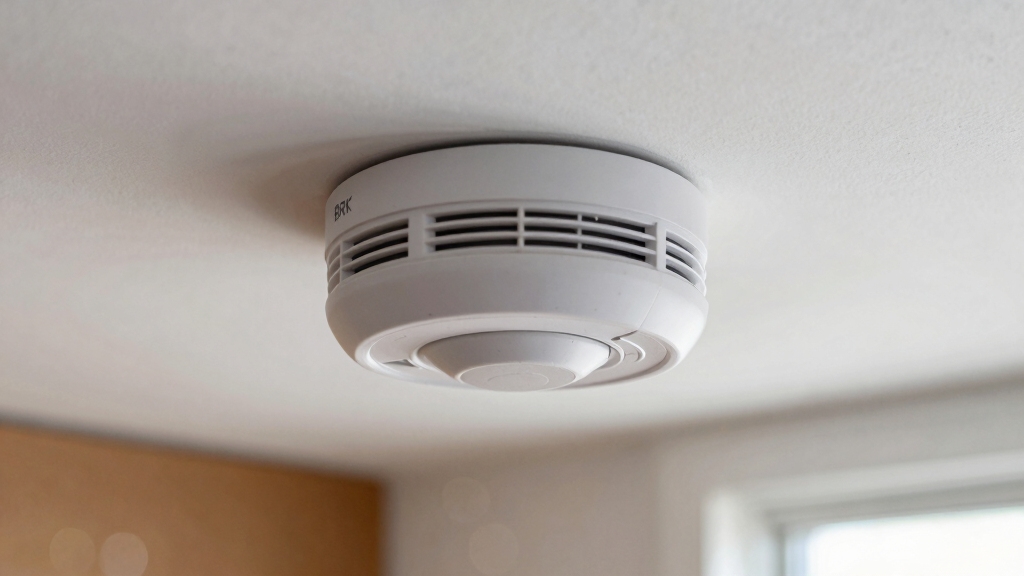

You’ll find BRK smoke alarms offer reliable protection with advanced dual-sensor technology. This combines ionization and photoelectric sensors to detect both fast-flaming and smoldering fires accurately.
Hardwired models include battery backups that keep alarms running during outages. Interconnectivity lets you link up to 18 devices for whole-home coverage.
Customers appreciate their ease of installation and nuisance alarm reduction features. If you want to understand how BRK compares to other brands and detailed installation tips, there’s more to explore.
Key Takeaways
- BRK smoke alarms feature dual-sensor technology combining ionization and photoelectric sensors for accurate fire detection and reduced false alarms.
- Hardwired models with battery backup ensure continuous operation during power outages and support interconnectivity of up to 18 devices.
- Users appreciate straightforward installation, practical silencing buttons, and reliable low battery alerts for maintenance convenience.
- Some customers report occasional false alarms and find hardwired unit wiring complex but praise BRK’s long-term reliability.
- BRK alarms are favored over competitors like Kidde for superior interconnectivity, fewer false alarms, and balanced fire detection.
Key Features That Make BRK Smoke Alarms Stand Out
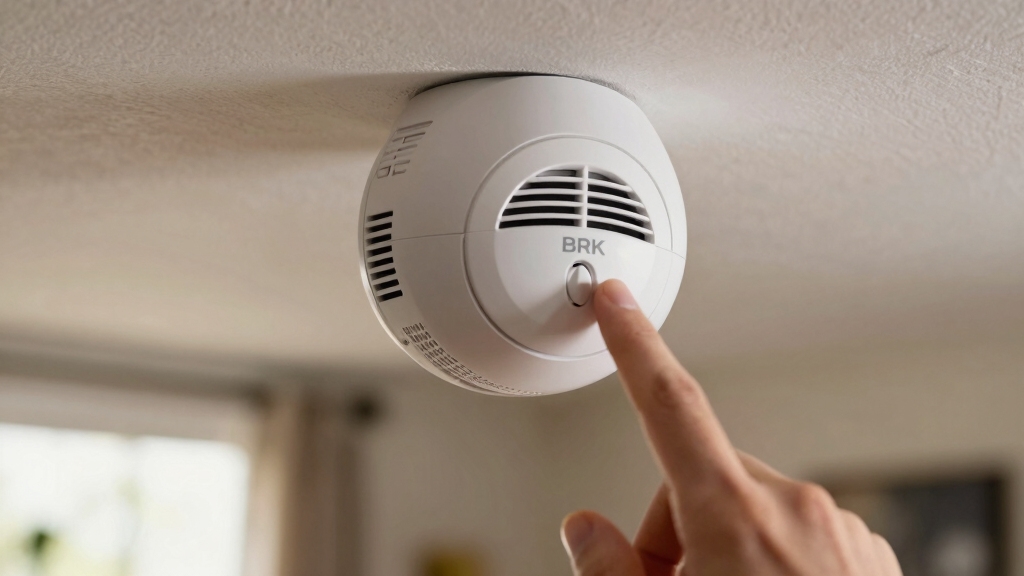
While many smoke alarms offer basic protection, BRK smoke alarms stand out because they combine advanced sensor technology with user-friendly features designed to enhance safety and convenience.
You’ll find models equipped with both ionization and photoelectric sensors, allowing early detection of various fire types. These alarms include low battery alerts and flashing LEDs to keep you informed about their status.
Most units are hardwired yet come with AA battery backups, ensuring continuous operation during power outages. Installation can be complex due to wiring requirements, but BRK’s interconnectivity lets you link up to 18 devices for whole-home coverage.
Dual silencing buttons make it easy to temporarily mute alarms, especially useful during cooking. Overall, BRK balances advanced detection with practical usability for reliable home protection.
It is important to regularly test and maintain the battery backup system to guarantee uninterrupted protection when primary power fails.
How Dual Sensor Technology Improves Safety?
You’ll really appreciate the advantages of dual sensor technology! By combining ionization and photoelectric sensors, this setup enhances fire detection coverage for both fast-flaming and smoldering fires. It’s a great way to ensure you’re protected from different types of fire hazards.
Plus, one of the best parts? It helps reduce false alarm rates. This means your smoke alarm becomes much more reliable, which is something we all want when it comes to our safety at home.
When you understand how these sensors work together, it’s easy to see why BRK models really stand out in terms of safety performance. They’ve got a solid reputation for keeping you and your loved ones safe!
Photoelectric sensors provide early warning by detecting smoke through light scattering of larger particles typical of smoldering fires, complementing ionization sensors’ responsiveness to flaming fires.
Ionization And Photoelectric Sensors
Frequently overlooked in smoke alarm choices, dual sensor technology markedly enhances your home’s safety by combining ionization and photoelectric sensors.
Ionization sensors excel at detecting fast-flaming fires by sensing charged particles. Photoelectric sensors are better at identifying smoldering fires through light detection.
By integrating both, BRK alarms provide more thorough fire detection, minimizing the chance of missing early signs of different fire types. This combination is especially useful in areas like kitchens and bathrooms, where smoke patterns vary.
BRK models such as the SC9120B and 3120B utilize this dual technology effectively, offering reliable alerts and features like hardwiring with battery backup.
As a result, you benefit from improved responsiveness, increased protection, and greater peace of mind in your home’s fire safety system. Regular maintenance, including monthly testing and annual battery replacement, is essential to ensure reliable operation of these alarms.
Reduced False Alarm Rates
Because false alarms can undermine your confidence in smoke detectors, BRK’s dual sensor technology plays a crucial role in reducing these occurrences. By combining ionization and photoelectric sensors, BRK alarms distinguish real fires from common triggers like cooking smoke or steam.
This dual approach helps you avoid unnecessary disruptions while guaranteeing safety. Here’s how it improves false alarm rates:
- Enhanced Detection Accuracy: Each sensor targets different fire types, reducing false triggers.
- Silencing Features: Two silencing buttons let you quickly mute nuisance alarms without disabling protection.
- Low Battery Alerts and LED Signals: These features inform you of maintenance needs before false alarms occur.
This technology guarantees you stay alert to genuine threats without frequent false alarms compromising your trust in the device. Additionally, maintaining proper placement away from high humidity sources significantly reduces moisture-caused false alarms.
Enhanced Fire Detection Coverage
Building on the improved false alarm rates, BRK’s dual sensor technology also markedly enhances fire detection coverage.
By combining ionization and photoelectric sensors, BRK alarms detect both fast-flaming and slow-smoldering fires, giving you broader protection.
Ionization sensors quickly identify small smoke particles from rapid fires, while photoelectric sensors excel at sensing larger particles from smoldering sources.
This dual approach means you won’t miss early warnings regardless of fire type.
Models like the SC9120B utilize this technology effectively, offering reliable alerts in kitchens and bathrooms where different fire risks exist.
With hardwired power and battery backup, these alarms maintain functionality during outages, ensuring continuous coverage.
Additionally, the first triggered unit in interconnected BRK systems emits a rapid, repeating series of beeps and flashes its LED to help you quickly identify the originating alarm.
Comparing Key BRK Smoke Alarm Models
When choosing a BRK smoke alarm, understanding the differences between key models helps you select the best fit for your needs.
BRK offers various options tailored to different environments and preferences. For example, the 9120B uses dual ionization sensors, while the SC9120B combines both ionization and photoelectric sensors for enhanced detection.
The 9120LBL stands out with a 10-year battery life, reducing maintenance.
Consider these three factors when comparing models:
- Sensor type: Dual sensors provide broader fire detection coverage.
- Power source: Hardwired models with battery backup guarantee continuous operation.
- Special features: Some units include silencing buttons or interconnectivity for multiple alarms.
Regular maintenance, including monthly testing and biannual cleaning, is essential to ensure your smoke alarm remains reliable and effective, as neglect can lead to detector failure.
How to Install Hardwired BRK Smoke Alarms?
After comparing key BRK smoke alarm models, you’re likely ready to install your chosen hardwired unit with battery backup.
Start by turning off power at the circuit breaker to ensure safety. Detach the old alarm, noting wiring connections.
Begin by switching off the circuit breaker and carefully removing the old alarm, noting all wiring connections.
Connect the house wiring to the BRK unit’s terminals: typically black to black (hot), white to white (neutral), and the yellow or red wire for interconnect.
Secure the backup AA battery in place. Mount the alarm base firmly to the ceiling or wall using screws.
Finally, attach the alarm unit to the base until it clicks. Restore power and test the alarm by pressing the test button.
If interconnected, verify all linked units sound simultaneously. Follow manufacturer instructions closely to avoid wiring errors and guarantee reliable operation.
Ensure to test the backup battery regularly, as backup batteries are critical for continuous operation during power outages.
How BRK’s Battery Backup Ensures Continuous Protection?
You know how important it’s to have a smoke alarm that works, even when the power goes out. That’s where BRK’s battery backup comes in handy!
It kicks in automatically, switching power sources without missing a beat. Regularly testing your alarm and replacing batteries annually helps ensure your BRK smoke alarm provides reliable continuous protection.
Battery Backup Reliability
BRK smoke alarms consistently rely on a robust battery backup system to maintain continuous protection even during power outages. You can trust that the device remains operational, ensuring your safety without interruption.
This reliability hinges on three key factors:
1. Dual Power Source
BRK alarms are hardwired but include AA battery backups, so you’re covered if the main power fails.
2. Low Battery Alerts
The alarms notify you well in advance when batteries need replacing, preventing unexpected power loss.
3. Long-Lasting Batteries
Some models, like the 9120LBL, feature 10-year batteries, reducing maintenance and increasing dependability.
Additionally, BRK’s use of sealed 10-year lithium batteries provides ultra-low standby current and tamper-resistant design, ensuring consistent power throughout the detector’s lifespan.
Power Outage Protection
Maintaining continuous protection during power outages relies heavily on the effectiveness of the battery backup system in BRK smoke alarms.
BRK models typically combine hardwired power with AA battery backup, ensuring your alarm stays operational when electricity fails.
This dual power source means you won’t lose essential smoke detection during outages, a critical safety feature for any home.
The battery backup not only supports the sensor functions but also maintains interconnectivity among up to 18 devices.
This ensures all alarms sound simultaneously, alerting you regardless of power status.
You’ll also receive low battery alerts, preventing unexpected downtime.
While installation can be complex due to wiring, this setup guarantees consistent protection.
You can have peace of mind knowing that your BRK smoke alarm will perform reliably in emergencies, even without main power.
The use of high-quality AA alkaline batteries provides extended runtime and reliable low current draw to maximize battery life and device dependability.
Stopping False Alarms With BRK Smoke Alarms
False alarms can quickly wear down your confidence in a smoke alarm’s effectiveness. Choosing models with dual ionization and photoelectric sensors helps cut down on unnecessary alerts.
BRK smoke alarms incorporate this dual-sensor technology to detect both fast-flaming and smoldering fires more accurately, reducing false triggers. To further minimize false alarms, you should:
- Install alarms away from kitchens or bathrooms where steam and cooking smoke often cause false alerts.
- Use models with silencing buttons, like the BRK 3120B, allowing you to temporarily mute nuisance alarms without disabling the device.
- Regularly clean your smoke alarms to prevent dust buildup, which can cause sensor errors and false alarms.
How to Connect BRK Smoke Alarms for Full Home Coverage?
Making sure your smoke alarms cover every area of your home effectively means connecting multiple units together. BRK smoke alarms allow interconnectivity of up to 18 devices, guaranteeing that when one detects smoke, all alarms sound.
You’ll need to hardwire the alarms into your home’s electrical system, with battery backups for power outages. The wiring can be complex, so following manufacturer instructions or consulting a professional is wise. Once connected, test the system regularly to confirm full functionality.
| Step | Action | Tip |
|---|---|---|
| 1 | Choose compatible BRK models | Use interconnectable models |
| 2 | Hardwire alarms with backup | Make sure power is off first |
| 3 | Connect interconnect wires | Follow wiring diagrams carefully |
| 4 | Test all units simultaneously | Replace batteries annually |
Why BRK Smoke Alarms Are Ideal for Kitchens and Bathrooms?
Because kitchens and bathrooms often experience steam, smoke, and cooking fumes, choosing the right smoke alarm is essential to guarantee frequent false alarms while maintaining safety.
BRK smoke alarms are ideal for these areas due to their advanced sensor technology and design features. Here’s why you should consider them:
- Dual Sensors: Select BRK models combine ionization and photoelectric sensors, enhancing detection accuracy and reducing false alarms caused by steam or cooking fumes.
- Silencing Options: Two silencing buttons let you quickly mute nuisance alarms without disabling safety, perfect during meal prep or showers.
- Hardwired with Backup: Their hardwired connection guarantees continuous power, while AA battery backup keeps alarms functional during outages.
These features help you maintain a safer environment in moisture-prone rooms without compromising convenience.
What Customers Say About BRK Smoke Alarms?
Many users appreciate BRK smoke alarms for their straightforward installation and practical features that fit well into daily life.
You’ll find that customers often highlight the easy silencing buttons, especially useful during cooking to avoid nuisance alarms.
The dual sensor models receive praise for balancing detection of both fast-flaming and smoldering fires, making them a good value.
Renters and homeowners alike trust these alarms for reliability and backup battery support during power outages.
However, some users report occasional false alarms, which can be frustrating and may require troubleshooting.
Wiring complexity is another point raised, especially for hardwired units, which means you might need professional help.
How BRK Smoke Alarms Compare to Kidde and Other Brands?
While several smoke alarm brands compete for your attention, BRK stands out for its combination of reliability and advanced features.
Compared to Kidde and other brands, BRK offers superior long-term reliability, fewer false alarms, and better interconnectivity. You’ll find models with dual ionization and photoelectric sensors, ensuring quick detection of both smoldering and fast-flaming fires.
BRK alarms deliver superior reliability, fewer false alerts, and dual sensors for fast, accurate fire detection.
Consider these key advantages:
- BRK alarms interconnect up to 18 devices, surpassing many competitors.
- They include silencing buttons that make managing false alarms easier.
- Their hardwired units come with battery backups, ensuring operation during outages.
If you want dependable protection with advanced sensor technology and connectivity, BRK provides a robust choice over Kidde and other brands.
Frequently Asked Questions
What Is the Warranty Period for BRK Smoke Alarms?
You’ll find that BRK smoke alarms typically come with a warranty period of 10 years, matching the lifespan of many of their long-life battery models.
This warranty covers defects in material and workmanship, giving you peace of mind for a decade.
It’s important to register your product and keep your receipt to make certain the warranty is valid. Always check the specific model’s documentation, as warranty terms can vary slightly.
Are BRK Smoke Alarms Compatible With Smart Home Systems?
Imagine your home’s safety as a symphony; BRK smoke alarms, however, don’t yet play in the smart home orchestra. They’re designed primarily as standalone or interconnected hardwired units, but they don’t natively connect with popular smart home systems like Alexa or Google Home.
You’ll need a separate smart hub or adapter if you want integration. So, while reliable and effective, BRK alarms currently lack direct smart home compatibility for seamless automation.
How Often Should BRK Smoke Alarms Be Tested and Maintained?
You should test your BRK smoke alarms at least once a month to ensure they’re working properly.
Replace batteries annually if your model uses them, or rely on the 10-year sealed battery units.
Clean the alarms regularly by gently vacuuming dust from sensors to prevent false alarms.
Also, replace the entire unit every 10 years, as sensor sensitivity diminishes over time, guaranteeing reliable protection for your home.
Can BRK Smoke Alarms Be Used Outdoors or in Garages?
You shouldn’t install BRK smoke alarms outdoors or in garages because they aren’t designed for those environments.
Over 30% of false alarms happen due to exposure to dust, humidity, or temperature extremes common in garages or outside.
These conditions can trigger the sensors unnecessarily or damage the unit.
Instead, place BRK alarms indoors, in living areas or hallways, where they work best and maintain reliability and safety.
What Is the Average Lifespan of a BRK Smoke Alarm Sensor?
You can expect the average lifespan of a BRK smoke alarm sensor to be about 10 years.
Most models come with a 10-year battery or sensor life, after which the unit should be replaced to ensure peak performance.
Regular testing and maintenance help you catch any sensor issues early.
If your model lacks a 10-year battery, you’ll need to swap batteries more frequently to keep the sensor working reliably.
The Smart Choice for Ultimate Home Protection: BRK Smoke Alarms
You won’t believe how BRK smoke alarms transform your home safety. It’s like having a full-time firefighter on duty!
With dual sensor technology, reliable battery backup, and seamless interconnectivity, these alarms cover every corner, even tricky kitchens and bathrooms.
Installing them is straightforward, and their performance rivals any top brand. If you want peace of mind that practically guarantees protection, BRK smoke alarms are the smart, no-nonsense choice you can’t afford to overlook.