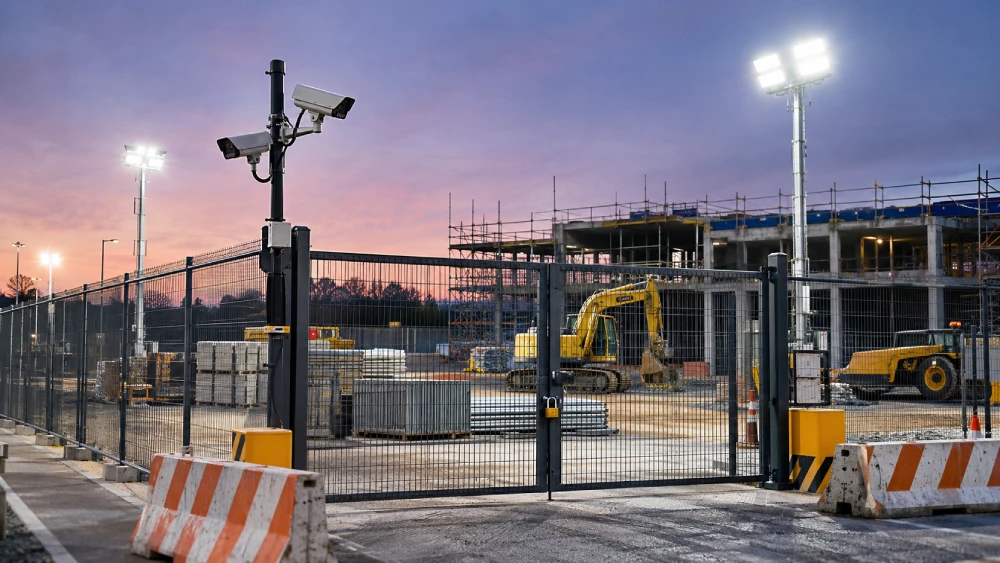

You need construction site security to protect your valuable equipment and materials from theft and vandalism, especially during nights, weekends, and holidays when sites are most vulnerable.
Security keeps your project on track by preventing costly delays, work stoppages, and expensive replacements.
Layered defenses like fencing, lighting, cameras, and on-site personnel act as a strong deterrent, safeguarding your investment and reducing liability risks.
Understanding these measures guarantees you maintain control and avoid unexpected financial losses.
Key Takeaways
- Construction site security prevents theft of high-value materials and equipment, reducing costly replacement expenses and project delays.
- Security measures deter vandalism that can cause expensive repairs and work stoppages, protecting project timelines and budgets.
- Layered security systems ensure continuous protection, minimizing vulnerabilities during nights, weekends, and holidays when sites are most at risk.
- On-site personnel provide immediate response to unauthorized access, reducing risks of injury, liability, and asset loss.
- Effective security safeguards operational continuity, prevents cascading delays, and controls overall construction project costs.
Why Construction Sites Are Targets for Theft and Vandalism?
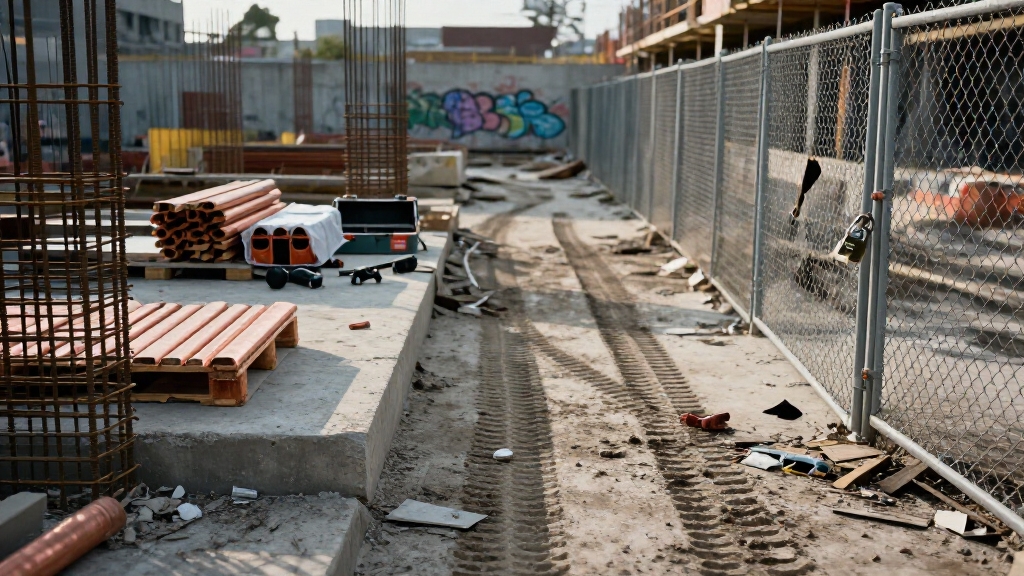
Construction sites often draw thieves and vandals because they offer easy access to valuable materials and equipment, especially when left unoccupied during nights, weekends, or holidays.
Construction sites attract thieves and vandals due to easy access when unattended during off-hours.
You need to understand that construction theft costs the U.S. up to $1 billion annually, with over 11,000 incidents reported in 2021 alone.
Copper, lumber, hand and power tools, plus heavy machinery, are prime targets.
Vandalism risks include graffiti, broken windows, and damaged equipment, which can halt your progress and inflate repair costs by thousands.
Sites with minimal activity are especially vulnerable to malicious damage and arson, threatening your schedule and budget.
Recognizing these risks helps you take proactive steps to safeguard your site before thieves or vandals exploit security gaps.
Implementing smart motion detection with real-time alerts can significantly enhance site security and reduce theft and vandalism incidents.
How Site Security Prevents Costly Theft?
Protecting your site with all-encompassing security measures directly cuts down on costly theft incidents that drain your budget and delay progress.
Theft at construction sites often targets high-value items like copper, power tools, and heavy machinery. Losses average thousands of dollars per incident. You can proactively prevent these setbacks by implementing layered security strategies that deter criminals and safeguard your assets.
Key measures include:
- Installing surveillance cameras to monitor vulnerable areas around the clock.
- Using physical barriers like fencing and locked storage for valuable equipment.
- Employing on-site security personnel during off-hours, especially nights and weekends.
Incorporating solar-powered security cameras enhances continuous monitoring while reducing maintenance needs, especially in remote locations without reliable power sources.
Why Vandalism Protection Matters for Construction Site Security?
You really can’t afford to overlook vandalism when it comes to securing your construction site. I mean, just think about it—damage like broken windows or tampered equipment can end up costing you thousands in repairs. It’s not just about the money, though. Protecting your site from these kinds of malicious acts helps keep your project on schedule, too.
Imagine the headaches of costly delays caused by downtime and rework. Nobody wants that! By taking proactive steps against vandalism, you can ensure that your work stays on track and your budget stays intact. So, investing in some solid vandalism protection is definitely worth it in the long run. Visible security cameras create a psychological barrier that deters offenders by increasing the perceived risk of identification.
Costly Damage Prevention
Because vandalism can inflict thousands of dollars in repair costs and delay work schedules by weeks, addressing it proactively is essential for maintaining project momentum. You need to implement security measures that deter graffiti, prevent broken windows, and stop tampering with equipment. When you protect your site, you reduce the risk of costly repairs and keep your project on track.
Consider these common vandalism impacts:
- Damaged machinery requiring expensive replacement or repair
- Cut fencing that exposes your site to further risks
- Graffiti removal that demands time and additional resources
Installing security cameras at all entry points and vulnerable areas is a proven way to deter vandalism and monitor high-risk zones effectively.
Project Schedule Protection
Minimizing vandalism on your construction site directly safeguards your project timeline by preventing unexpected work stoppages and costly repairs.
Vandalism like broken windows, cut fencing, or damaged equipment forces you to halt operations while addressing the damage.
These interruptions not only delay tasks but also cascade across trades, pushing back your entire schedule.
When your crews lose access to essential tools or materials due to malicious damage, productivity stalls and deadlines slip.
Securing your site, especially during low-activity periods, reduces these risks by deterring vandals and maintaining uninterrupted workflow.
By proactively protecting your project against vandalism, you avoid costly downtime, control expenses, and keep your construction schedule on track.
This ensures timely completion and preserves client confidence.
However, it is important to manage security carefully, as bypassing zones temporarily reduces monitoring coverage and should be used selectively to maintain overall site protection.
How Security Prevents Schedule Delays on Construction Sites?
You really can’t afford theft or vandalism to mess up your construction timeline. When tools go missing or equipment gets damaged, it can bring everything to a standstill.
Your crews might find themselves twiddling their thumbs, waiting for replacements to arrive or for repairs to be made.
That’s why putting solid security measures in place is so crucial. It helps keep your project on track by stopping those costly interruptions before they even start. Installing motion-activated cameras at key entry points can significantly reduce unauthorized access and protect valuable assets.
Theft Impact On Timelines
When theft disrupts a construction site, it doesn’t just cause material loss. It derails your entire project timeline. Every stolen tool or piece of equipment forces you to pause work until replacements arrive, pushing back critical tasks.
These delays ripple through the schedule, causing cascading hold-ups that affect multiple trades and deadlines. You face costly downtime, rushed overtime, and rescheduling headaches that could have been avoided.
Consider how theft can:
- Halt specialized crews waiting on missing materials like copper or lumber.
- Extend project phases due to lost hand and power tools.
- Force emergency equipment rentals to keep work moving.
Implementing layered security systems can deter theft and enable quick detection of unauthorized access, helping to minimize these costly disruptions.
Vandalism Causes Work Stoppages
Although theft often grabs the spotlight, vandalism poses an equally serious threat to your construction schedule by causing costly work stoppages.
Graffiti, broken windows, and damaged equipment force you to halt progress for repairs, which can extend timelines by weeks.
When vandals tamper with machinery or cut fencing, crews lose access to essential tools and materials, disrupting daily tasks and project sequencing.
Without strong security measures, these interruptions create cascading delays that impact every trade on site.
You can prevent such setbacks by implementing layered security, such as barriers, cameras, and on-site guards, to deter malicious damage.
Protecting your site during low-activity periods is vital to maintain operational resilience.
Proactively addressing vandalism safeguards your schedule, controls costs, and keeps your project on track without unnecessary downtime.
Installing cameras with overlapping fields of view can eliminate blind spots and provide continuous surveillance to better deter and document vandalism.
What Financial Losses You Can Avoid With Site Security?
Frequently, construction sites face significant financial losses due to theft and vandalism. Implementing robust site security can drastically reduce these expenses.
By securing your site, you avoid costly disruptions and protect your budget from unexpected drains.
You can prevent losses such as:
- Theft of valuable materials and equipment, which often averages $6,000 per incident and can reach $42,000 for vehicles.
- Vandalism-related repair costs that delay schedules and add thousands in expenses.
- Project delays caused by missing tools or damaged assets, leading to cascading work stoppages and overtime costs.
Taking proactive security measures shields your investments, maintains progress, and keeps your financial plan intact.
Don’t let gaps in protection turn into expensive setbacks. Alarm systems reduce burglary risk by up to 60%, making them a critical investment for site security.
How Security Reduces Liability and Safety Risks?
Because unauthorized access to construction sites exposes you to significant injury claims and liability, maintaining strict security controls is essential.
By limiting entry to authorized personnel only, you reduce the risk of accidents involving trespassers interacting with hazardous equipment, open excavations, or active machinery.
Controlled access not only protects visitors and workers but also guarantees regulatory compliance, which can shield you from costly fines or legal action.
Proactive monitoring through cameras and security personnel helps detect and deter unsafe behavior early, preventing incidents before they occur.
Fundamentally, robust security measures act as your frontline defense against liability and safety risks, safeguarding your project’s integrity, your workforce, and your financial stability.
Don’t leave safety to chance. Strict security is your best risk management tool.
Integrating motion-activated cameras at primary entry points can further enhance site security by minimizing blind spots and improving surveillance coverage.
When Do Construction Sites Face the Highest Crime Risk?
You know, construction sites really face their highest crime risk during nighttime, weekends, and holidays. It’s during these times that activity slows down, and security gaps tend to widen.
Think about it—when there’s less hustle and bustle, it creates the perfect opportunity for things like theft, vandalism, and even unauthorized access. So, it’s super important to stay vigilant.
Reinforcing security during these quieter periods can make a big difference. It’s all about protecting your assets and keeping your project on track!
Nighttime Vulnerability
Although construction sites operate around the clock, crime risks skyrocket when they’re unoccupied, particularly at night. When your site is empty, thieves and vandals see an opportunity to strike with minimal resistance.
You must recognize that nighttime vulnerability is a prime window for theft and damage, threatening your schedule and budget. Visualize the risks:
- Shadowy figures cutting fencing under the cover of darkness
- Equipment and materials stolen while lights are off
- Vandals causing costly damage that halts progress
You need a security strategy that anticipates these threats. Installing adequate lighting, surveillance cameras, and secure barriers deters criminals and protects your investments.
Don’t let nighttime hours become a liability. Stay proactive to safeguard your project’s success.
Weekend And Holiday Risks
When construction sites sit idle during weekends and holidays, they become prime targets for theft and vandalism.
You face heightened risks because these periods offer thieves extended, uninterrupted access to valuable materials like copper, lumber, and power tools.
Vandalism, including graffiti and equipment damage, also spikes, causing costly repairs and project delays.
With no crews onsite, your site lacks natural surveillance, making security gaps glaringly obvious.
You need proactive measures such as 24/7 monitoring, secure fencing, and alarm systems to assure criminals during these vulnerable times.
Ignoring weekend and holiday risks can lead to thousands in losses, extended deadlines, and disrupted workflows.
Prioritizing robust security during these periods safeguards your assets, ensures operational continuity, and minimizes costly setbacks before work resumes.
Low Activity Periods
Construction sites frequently face the highest crime risks during low activity periods, such as nights, weekends, holidays, and extended project breaks. When your site is unoccupied, thieves and vandals see an open invitation to target valuable materials and equipment. You need to anticipate these vulnerable windows to protect your investment effectively.
Consider these critical low activity times: late nights when no crew is present and lighting is minimal; extended weekends or holidays when security presence often diminishes; project pauses or delays that leave sites unattended for days or weeks.
During these periods, crime spikes, causing costly delays and financial losses. You must implement layered security measures like surveillance cameras, secure fencing, and on-site guards to deter intruders and maintain operational resilience. Being proactive safeguards your project timeline and budget.
Best Construction Site Security Measures
Protect your site by implementing a layered security approach that combines physical barriers, surveillance technology, and trained personnel.
Start with sturdy fencing and controlled access points to keep unauthorized individuals out. Use high-resolution cameras with night vision to monitor vulnerable areas 24/7.
Employ security guards trained to identify suspicious behavior and respond quickly. Lighting must cover all site sections, especially during low-activity periods, reducing opportunities for theft and vandalism.
| Security Measure | Emotional Impact |
|---|---|
| Robust Fencing | Peace of mind |
| Surveillance Cameras | Constant vigilance |
| Trained Guards | Immediate response |
| Adequate Lighting | Deters intruders |
| Controlled Access | Confident control |
This strategy minimizes risk, protects assets, and secures your project’s success.
How Layered Security Improves Operational Resilience?
Strengthening your site’s security through multiple layers drastically enhances operational resilience by reducing vulnerability during periods of low activity.
Enhancing site security with multiple layers significantly boosts resilience during times of low activity.
When your site is protected by overlapping measures, you minimize the risk of theft, vandalism, and unauthorized access, especially at nights, weekends, or holidays when the site is unattended.
By implementing layered security, you create a robust defense that keeps your project on schedule and limits costly disruptions.
Consider these essential components:
- Physical barriers like fencing and locked gates deter unauthorized entry.
- Surveillance cameras provide continuous monitoring and incident documentation.
- On-site security personnel offer active deterrence and rapid incident response.
Each layer supports the others, ensuring that if one fails, others still protect your assets and maintain site continuity.
This proactive approach safeguards your investment and operational flow.
Why You Need to Protect High-Value Equipment?
Because high-value equipment represents a significant portion of your site’s assets, leaving it unsecured invites substantial financial loss and operational setbacks.
Theft of machinery, tools, and vehicles costs construction sites millions annually, with many stolen items never recovered.
Without protection, you risk expensive replacement costs averaging thousands per incident, plus indirect losses like project delays and overtime.
Vandalism can damage your equipment, causing costly repairs and halting progress.
Protecting these assets with layered security, such as fencing, cameras, and guards, reduces theft and damage risks, especially during low-activity periods when sites are most vulnerable.
You’ll maintain operational continuity, avoid cascading delays, and safeguard your investment.
Prioritizing equipment protection isn’t optional; it’s essential for controlling costs and keeping your project on schedule.
Frequently Asked Questions
How Do Weather Conditions Impact Construction Site Security Needs?
Weather conditions impact your construction site security by increasing vulnerability during severe storms, heavy rain, or snow. These can cause power outages and reduce visibility.
These factors make it easier for thieves and vandals to exploit low activity periods or damaged barriers.
You should enhance lighting, reinforce fencing, and guarantee surveillance systems withstand harsh weather. This will maintain continuous monitoring and protect your assets regardless of conditions.
What Technology Advancements Are Emerging in Site Security?
You’ll find emerging tech in site security is nothing short of revolutionary.
AI-powered cameras analyze real-time footage, spotting threats faster than any human could.
Drones provide aerial surveillance, covering huge areas instantly.
Smart sensors detect motion, vibrations, or unauthorized access, triggering alerts immediately.
Integrating these with mobile apps puts control at your fingertips, letting you react proactively.
These advancements make certain you’re always several steps ahead of theft, vandalism, or delays.
How Can Security Measures Affect Worker Morale and Productivity?
You’ll find that implementing strong security measures boosts worker morale by creating a safer, more controlled environment.
When workers feel protected from theft, vandalism, and unauthorized access, they focus better and work more efficiently.
Security reduces downtime from stolen tools or damaged equipment, preventing frustrating delays.
This proactive approach fosters trust and stability, helping your team stay productive and confident throughout the project’s timeline.
What Are the Environmental Impacts of Construction Site Security Systems?
Security systems subtly shape your site’s environmental footprint. Surveillance cameras and lighting consume energy, so choosing efficient, solar-powered options markedly shrinks your site’s carbon cost.
Thoughtful placement avoids disrupting local wildlife habitats or natural water flows. You’ll also want to manage electronic waste responsibly when upgrading equipment.
How Do Insurance Policies Relate to Construction Site Security?
Insurance policies often require you to maintain adequate construction site security to qualify for coverage or lower premiums.
By implementing strong security measures, you reduce risks of theft, vandalism, and liability claims, which insurers view favorably.
This proactive approach not only helps you avoid costly premium hikes but also guarantees smoother claims processing if incidents occur.
Meeting policy requirements through security protects your investment and keeps your project financially secure.
Protect Your Construction Site From Theft and Damage
You might think leaving your construction site unsecured is a smart way to save money.
But ironically, that’s the quickest path to costly theft, vandalism, and delays.
Without proactive, layered security measures protecting your high-value equipment, you’re practically inviting trouble.
Don’t wait for losses to pile up before acting.
Secure your site now to safeguard your investment, maintain your schedule, and avoid financial headaches that could’ve been prevented with a little foresight.