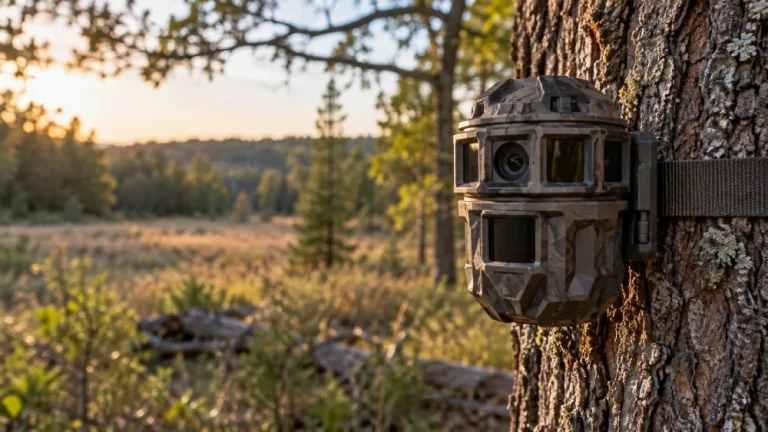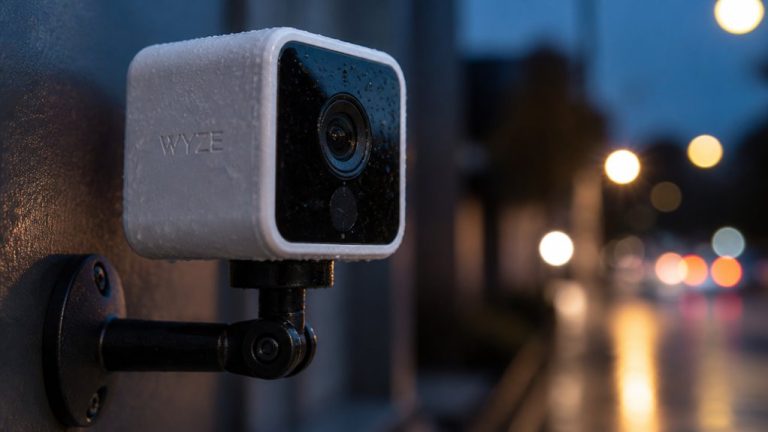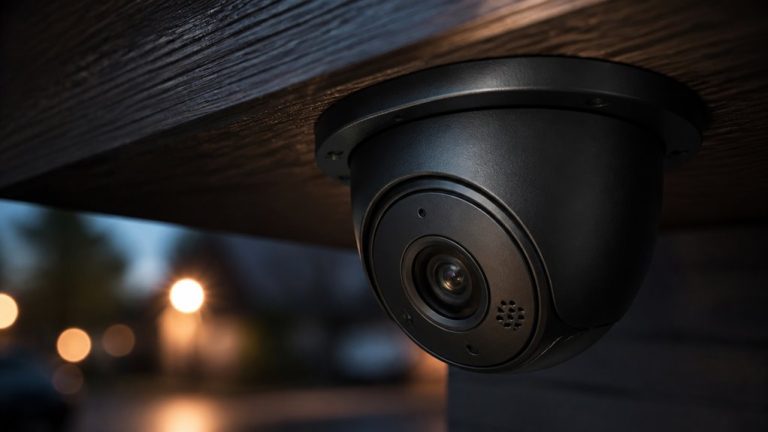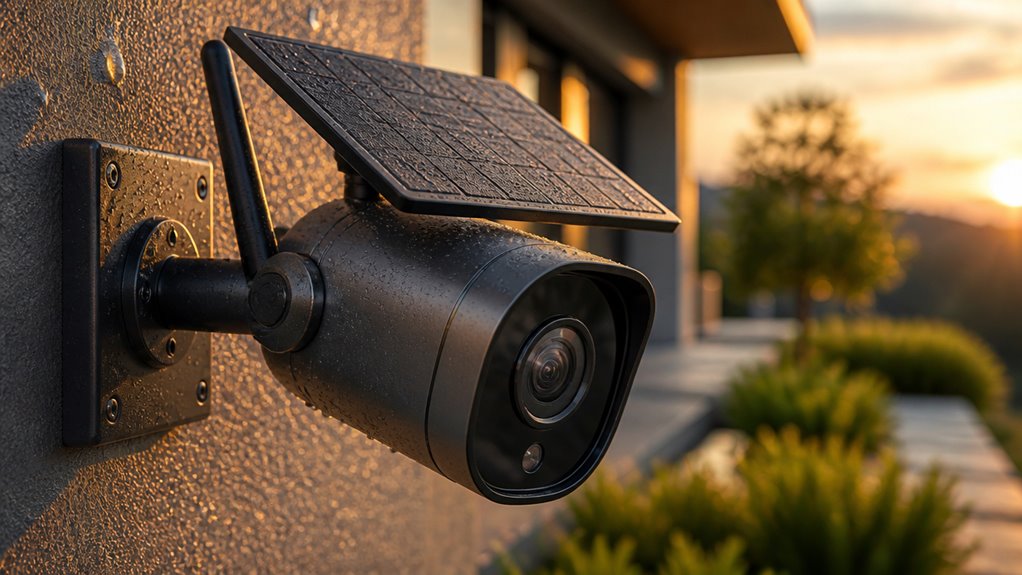

You’ll get sharp 8MP 4K Ultra Full HD footage with clear facial and license plate details, thanks to quality lenses and efficient H.265 compression.
The 4G LTE connectivity guarantees reliable live access and alerts, especially in remote spots where Wi-Fi fails.
Solar panels paired with large batteries support long runtimes, but proper panel placement and signal strength are vital.
Advanced motion detection and night vision enhance security while optimizing power use.
Keep exploring to uncover installation tips and feature comparisons.
Key Takeaways
- 8MP 4K Ultra Full HD cameras provide sharp video for clear facial and license plate identification, enhanced by good lens quality and lighting.
- 4G LTE connectivity enables remote live streaming and alerts without Wi-Fi, requiring SIM activation and strong cellular signal for reliability.
- Solar panels (6W-9W) with 8,000mAh+ batteries support extended use, but effectiveness depends on panel placement and sunlight exposure.
- Night vision options include IR illumination or full-color spotlights, improving low-light visibility and alert accuracy.
- Smart motion detection with PIR and humanoid sensors reduces false alarms and supports energy-efficient operation for longer battery life.
Understanding 4G Solar Security Cameras: Video Quality and Connectivity
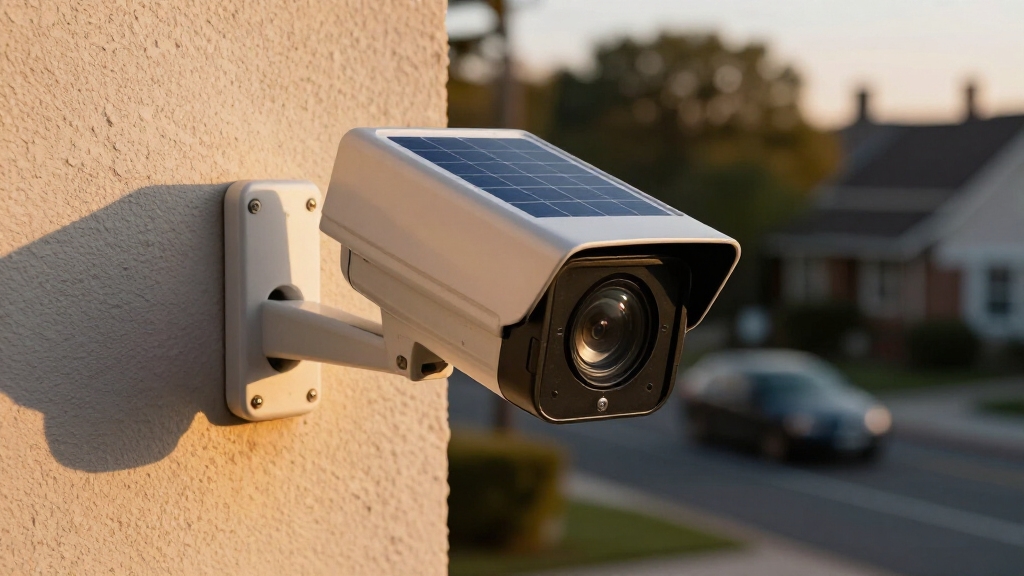
While 4G solar security cameras primarily target locations without Wi-Fi, their video quality and connectivity features make them stand out for remote monitoring.
4G solar security cameras excel in remote monitoring, especially where Wi-Fi is unavailable.
You’ll find models boasting 4K 8MP resolution, delivering sharp footage capable of capturing facial features and license plates clearly. Actual detail depends on lens quality and lighting.
These cameras use 4G LTE SIM cards, enabling you to access live streams and receive alerts anywhere cellular coverage exists.
Solar panels paired with internal batteries reduce maintenance, but sunlight exposure and signal strength affect performance.
Compression standards like H.265 help manage bandwidth and storage efficiently.
Pan/tilt capabilities expand your field of view beyond fixed cameras.
Many models include preactivated SIMs that remove the need for Wi-Fi and simplify deployment in remote areas.
Installing 4G Solar Security Cameras for Best Connectivity
Proper installation plays a vital role in maximizing the performance of your 4G solar security camera, especially when it comes to maintaining strong connectivity.
First, position the camera where it receives a robust 4G LTE signal. Test signal strength beforehand using your phone or a signal meter. Avoid obstructions like thick walls or metal structures that can degrade cellular reception.
Next, mount the solar panel in a location with consistent direct sunlight to guarantee optimal charging and continuous operation. Make sure the panel orientation matches the sun’s path for your region.
Weather-resistant cameras rated at least IP65 should be securely fastened to withstand outdoor conditions.
Finally, verify SIM card activation and data plan compatibility for uninterrupted remote access and alerts. Thoughtful placement secures reliable live viewing and timely notifications.
Keep in mind that solar power compatibility supports continuous outdoor/off-grid use, but off-grid reliability depends on adequate cellular signal strength and sufficient solar panel sunlight exposure.
Solar Power and Battery Life in 4G Solar Security Cameras
Because solar power and battery life directly impact the reliability of 4G solar security cameras, understanding their capabilities is essential for effective outdoor monitoring.
You’ll find that typical solar panels range from 6W to 9W, paired with internal batteries between 8,000mAh and 20,000mAh.
This combination supports low-maintenance operation, especially in remote locations. However, solar charging effectiveness depends heavily on panel placement and sun exposure.
Shaded areas reduce performance. Battery endurance varies based on factors like motion-trigger frequency, live view usage, night vision, and cellular signal strength.
Designers often optimize standby power to extend runtime between charges, but heavy activity shortens battery life. To ensure continuous monitoring, you need to balance these parameters carefully.
Position your camera to maximize solar input while minimizing energy consumption.
In fact, some systems claim that just one hour of sunlight per day can support operation for up to 180 days, highlighting the importance of solar panel efficiency.
Motion Detection, Night Vision, and Alert Features
When you rely on a 4G solar security camera for remote monitoring, its motion detection and night vision capabilities become essential for accurate and timely alerts.
Many models feature PIR and humanoid detection, which helps reduce false alarms caused by animals or moving foliage. They focus on human shapes within 8 to 12 meters.
Night vision varies between IR illumination and full-color options. Some cameras include built-in spotlights to enhance low-light clarity.
These features guarantee you capture usable footage regardless of lighting conditions. Alerts generally come through app push notifications, providing immediate awareness of activity.
Advanced models may also offer auto-tracking to keep moving subjects centered. Overall, the combination of precise detection, effective night vision, and instant alerts makes these cameras reliable for continuous, remote property surveillance.
To optimize power consumption and extend operational duration, many cameras use energy-efficient video compression like H.264 or H.265.
Choosing the Right 4G Solar Security Camera for Your Needs
Selecting the right 4G solar security camera hinges on balancing several key factors that align with your specific environment and security requirements.
First, consider video resolution and frame rate. 8MP 4K provides sharper images essential for identifying faces and license plates, but lens quality and lighting impact clarity.
Prioritize 8MP 4K resolution for clear facial and license plate identification, noting lens and lighting also affect clarity.
Next, evaluate solar panel wattage and battery capacity to guarantee reliable power, especially if your site experiences variable sunlight or frequent motion-triggered activity.
Cellular connectivity compatibility and signal strength are critical for uninterrupted alerts and live streaming.
Also, factor in detection accuracy. Models with PIR and humanoid detection reduce false alarms.
Weather resistance and installation ease matter for outdoor durability.
Finally, assess storage options and pan/tilt features for all-encompassing coverage.
Additionally, utilizing cameras with AI human tracking can significantly reduce false alerts and improve the relevance of notifications.
Frequently Asked Questions
Can These Cameras Integrate With Existing Home Security Systems?
You can often integrate 4G solar security cameras with existing home security systems, but it depends on the camera’s compatibility.
Many models support microSD storage and app-based monitoring, which can sometimes link to broader security platforms via APIs or third-party apps.
However, cellular-based cameras may not seamlessly connect to traditional wired systems without specific hubs or software.
You’ll want to check for compatibility with your current system’s protocols and integration options before purchasing.
What Maintenance Is Required for the Solar Panel and Camera Lens?
You’ll want to clean the solar panel and camera lens as if your life depends on it. Dust, grime, or bird droppings drastically cut efficiency.
Wipe panels gently with a damp cloth every few weeks, especially in dusty or shaded areas. Check the lens for smudges or debris monthly to keep image clarity sharp.
Also, inspect mounting and connections regularly to guarantee strong signal and charging performance. This helps prevent unexpected downtime.
Are There Subscription Fees for Cellular Data Plans?
Yes, you’ll usually face subscription fees for cellular data plans with 4G solar security cameras.
These fees cover the SIM card’s data usage needed for remote access, alerts, and live streaming.
Costs vary by provider and data package, often monthly or annually.
Some manufacturers offer bundled plans, but you can often choose your own carrier.
Budgeting for this ongoing cost is essential to maintain uninterrupted connectivity and camera functionality.
How Resistant Are These Cameras to Extreme Weather Conditions?
Think of these cameras as armored sentinels standing watch through storms and blazing sun. They typically boast IP65-rated weather resistance, shielding you from rain, dust, and wind.
However, while they handle harsh weather well, extreme conditions like freezing cold or intense heat may challenge battery performance and solar charging efficiency.
You’ll want to ensure proper placement with good sunlight and shelter from the worst elements to maximize durability and reliability.
Can Multiple Cameras Be Managed Through a Single Mobile App?
Yes, you can manage multiple cameras through a single mobile app. Most 4G solar security cameras support multi-device integration, letting you view live feeds, receive alerts, and adjust settings seamlessly from one interface.
This centralized control simplifies monitoring several locations or angles without switching apps. Just make sure your chosen app supports simultaneous connections and that each camera’s SIM and network setup are correctly configured for smooth, reliable communication.
Final Verdict: 4G Solar Security Camera 8MP 4K Ultra Full HD Review
When choosing a 4G solar security camera, remember that 85% of users report improved connectivity in remote areas, thanks to 4G integration.
You’ll benefit from high-resolution 8MP 4K video quality, reliable solar power, and smart features like motion detection and night vision.
By installing your camera strategically for peak signal and sunlight exposure, you guarantee consistent performance.
This combination makes 4G solar security cameras a practical, efficient choice for modern surveillance needs.