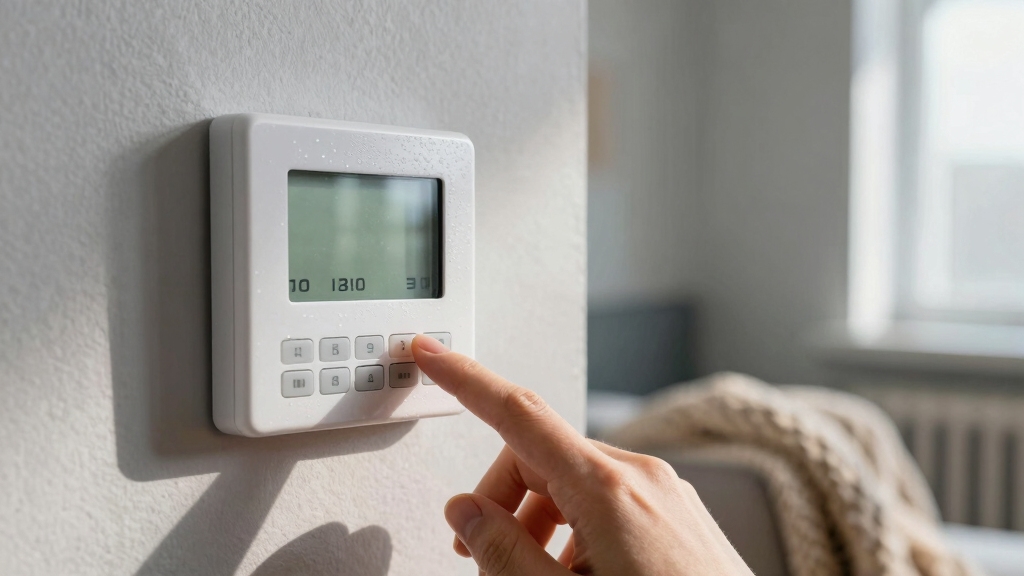

Your thermostat may read the wrong temperature due to dust-coated sensors, poor placement near heat sources or drafts, low or failing batteries, or loose electrical wiring causing erratic signals.
Calibration drift also leads to inaccurate readings over time, requiring professional adjustment or sensor replacement.
Ensuring proper sensor maintenance, secure wiring, fresh batteries, and ideal installation will improve accuracy.
Keep exploring to understand how these factors and your HVAC system influence overall thermostat performance.
Key Takeaways
- Dust and debris on internal sensors can insulate and distort temperature readings, requiring regular cleaning or sensor replacement.
- Low battery power causes erratic temperature displays and loss of programmed settings, so timely battery replacement is essential.
- Loose or faulty wiring leads to inaccurate temperature signals and inconsistent thermostat operation, needing professional inspection and repair.
- Placement near heat sources, direct sunlight, or drafts causes false temperature readings, so proper thermostat location is critical.
- Calibration drift or sensor malfunctions cause incorrect readings, often requiring professional recalibration or thermostat replacement.
Common Thermostat Temperature Errors
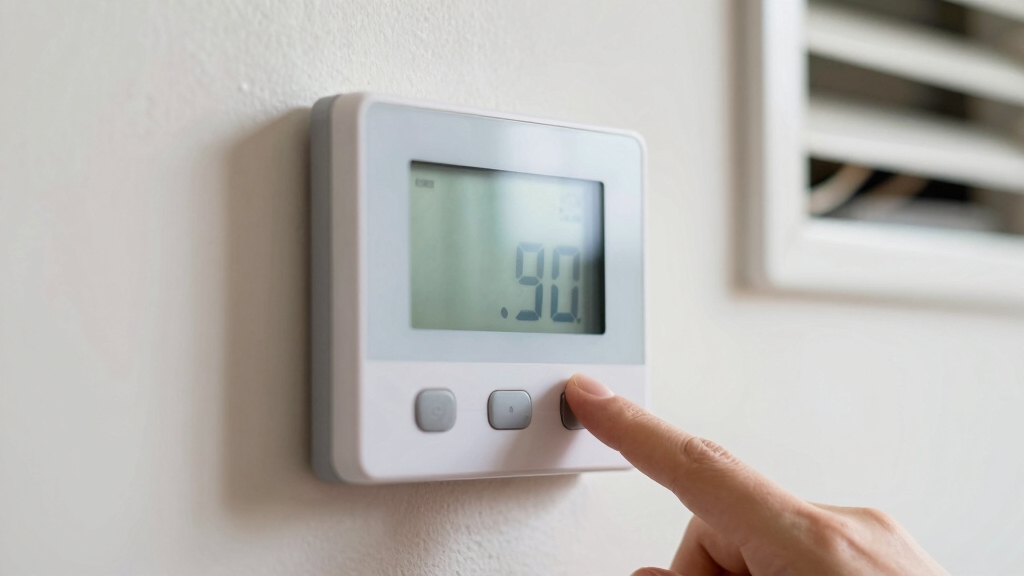
Although thermostats are designed to monitor and regulate indoor temperatures accurately, several common errors can cause them to display incorrect readings.
Thermostats aim for precise temperature control but can sometimes show inaccurate readings due to common issues.
Dust and debris can coat internal sensors, insulating them and distorting temperature detection. You should regularly clean the thermostat’s interior with canned air to maintain sensor accuracy.
Calibration drift is another frequent issue, where the thermostat’s displayed temperature gradually diverges from the actual environment. You’ll need professional recalibration or replacement if this persists.
Low battery power also disrupts accurate temperature display and may cause erratic behavior. Promptly replacing batteries prevents this.
Electrical problems, such as loose wiring or faulty connections, lead to inconsistent operation and inaccurate signals. Paying attention to maintenance and power supply ensures your thermostat reports temperature reliably.
Voltage fluctuations or wiring issues may extend delay beyond normal intervals, indicating the need for professional inspection of the electrical system.
How Poor Thermostat Placement Affects Accuracy?
You know, if your thermostat is sitting in direct sunlight or too close to heat sources like lamps or electronics, you can’t really count on accurate temperature readings.
It just doesn’t work that way.
And drafts from windows or exterior doors? They can mess things up too.
Even mounting the thermostat on exterior walls can expose it to fluctuating temperatures, which distorts the sensor data.
So, what’s the solution? It’s really all about proper placement.
Keeping your thermostat on interior walls and away from those pesky factors is crucial for getting precise temperature control.
You definitely want to make sure it’s in the right spot!
Proper thermostat placement ensures the built-in temperature sensors can accurately monitor ambient conditions without interference.
Sunlight Exposure Effects
When direct sunlight hits your thermostat, it causes the internal temperature sensor to register higher temperatures than the actual room temperature.
This false reading leads your HVAC system to cool the space unnecessarily, wasting energy and reducing comfort.
Sunlight exposure heats the thermostat’s housing and sensor beyond ambient air temperature, skewing data accuracy.
To prevent this, place the thermostat on an interior wall shielded from windows or direct light sources.
Avoid locations where natural light streams during peak hours, as even indirect sunlight can elevate sensor readings.
Proper placement guarantees the sensor measures the true ambient temperature, maintaining system efficiency and reliability.
Addressing sunlight exposure is a critical step to ensure your thermostat delivers precise temperature control without misleading feedback.
Install the thermostat on an interior wall about five feet above the floor for best performance and to reduce inaccurate readings.
Proximity To Heat Sources
Because heat sources like lamps, televisions, and other appliances emit localized warmth, placing your thermostat too close to them causes distorted temperature readings.
The thermostat’s sensor detects this artificial heat, misinterpreting the room’s ambient temperature as higher than it actually is.
This leads to premature HVAC system shutdowns or reduced heating cycles, undermining comfort and efficiency.
To guarantee accuracy, install the thermostat on an interior wall away from any heat-producing devices.
Avoid proximity to electronics, kitchen appliances, or areas with concentrated lighting.
Proper placement prevents false temperature data, enabling your HVAC system to respond correctly to genuine environmental conditions.
Regular maintenance and inspection of your thermostat can help prevent sensor malfunctions that affect temperature accuracy.
Drafts And Wall Placement
Although thermostat accuracy depends on sensor quality, improper wall placement, especially near drafts, windows, or exterior doors, introduces significant temperature measurement errors.
When your thermostat sits on an exterior wall or close to air leaks, fluctuating temperatures from outside affect the sensor, causing it to register inaccurate readings.
Drafts create inconsistent airflow, making the thermostat respond to transient cold or warm air rather than the room’s true ambient temperature.
This leads to inefficient HVAC cycling and discomfort.
To guarantee precise readings, install the thermostat on an interior wall away from heat sources, direct sunlight, and draft-prone areas.
Sealing gaps behind the thermostat housing also prevents air infiltration that skews sensor data.
Proper placement stabilizes temperature detection, optimizing HVAC performance and energy efficiency.
Using programmable thermostats can further enhance efficiency by automating setbacks and reducing unnecessary heating based on accurate temperature data.
The Impact of Dust and Dirty Sensors on Thermostats
If you want your thermostat to provide accurate temperature readings, you need to keep its internal sensors clean. Dust and debris act as insulators, causing the sensors to misread ambient temperatures. This leads to incorrect HVAC operation and discomfort.
Regularly inspect your thermostat’s interior for dust buildup. Use canned air to gently remove particles without damaging delicate components. Keep HVAC filters clean to guarantee proper airflow, as clogged filters contribute to sensor inaccuracies.
If cleaning doesn’t improve sensor performance, the device may have aged sensors requiring replacement. Neglecting sensor maintenance results in persistent temperature discrepancies, inefficient system cycling, and increased energy consumption. Additionally, using low voltage wiring designed for HVAC controls ensures precise signal transmission and system reliability.
Electrical Issues and Low Batteries Causing Errors
If your thermostat is showing incorrect temperatures or acting a bit strange, low batteries might be the reason. It’s a common issue! You’ll want to check those batteries first.
But that’s not all—make sure to look for any loose wiring or poor connections. These can lead to inconsistent signals and even unresponsive screens. Taking care of these electrical issues quickly is key.
This way, you can ensure accurate readings and keep your thermostat running smoothly! Also, like hardwired smoke detectors, some thermostats rely on battery backups to maintain functionality during power outages.
Low Battery Symptoms
Frequently, low battery power causes thermostats to display incorrect temperatures and behave erratically. When batteries weaken, the thermostat’s internal sensor may misread ambient temperature, leading to inaccurate HVAC responses.
You’ll notice symptoms like flickering or unresponsive screens, blank or flashing displays, and loss of programmed schedules. These issues arise because the device struggles to maintain stable voltage levels, disrupting sensor function and data processing.
To correct this, replace batteries promptly with manufacturer-recommended types. Avoid using low-quality batteries, as they degrade faster and cause recurring errors.
Regular battery checks during seasonal HVAC maintenance prevent unexpected failures. Remember, persistent errors after battery replacement may indicate deeper electrical faults, but low battery symptoms are often the simplest explanation for erratic thermostat behavior. Using fresh AA alkaline batteries ensures stable operation and reduces the risk of premature low battery warnings.
Wiring And Connection Issues
When wiring connections become loose or deteriorate over time, your thermostat can send incorrect temperature signals and operate inconsistently.
Electrical issues often manifest as flickering or unresponsive screens, blank displays, or erratic temperature readings.
Low battery power compounds these problems, causing the device to “forget” programmed settings and schedules.
To troubleshoot, first inspect all wiring terminals for secure, corrosion-free contacts.
Use a multimeter to verify voltage continuity and ensure proper power supply.
Replace weak or dead batteries promptly to maintain stable operation.
If you notice persistent display issues or temperature inaccuracies despite battery replacement and wiring checks, internal component failure may be involved.
This situation may require professional diagnosis or thermostat replacement.
Prioritizing secure wiring and fresh batteries prevents many common thermostat errors.
Additionally, understanding and correctly identifying the load wire connections can prevent electrical faults and ensure reliable thermostat function.
Calibration Drift and Sensor Malfunctions Explained
Although thermostats are designed for accurate temperature sensing, calibration drift and sensor malfunctions can cause growing discrepancies between the displayed settings and actual room temperature.
You might notice your thermostat reading consistently higher or lower than the ambient temperature, signaling sensor degradation or miscalibration. Prolonged exposure to high temperatures stresses sensors, accelerating failure.
While professional recalibration often corrects drift, persistent errors usually require sensor replacement or a new thermostat.
Proper placement away from heat sources and drafts, much like the recommended mounting heights for carbon monoxide detectors, can help maintain sensor accuracy.
| Issue | Effect on Temperature Reading |
|---|---|
| Calibration Drift | Gradual deviation from true temp |
| Sensor Malfunction | Erratic or stuck readings |
| High Temperature Stress | Accelerates sensor wear and failure |
Understanding these factors helps you troubleshoot before costly replacements.
Environmental and HVAC Factors Affecting Thermostat Accuracy
Because environmental conditions and HVAC system factors directly influence thermostat performance, understanding their impact is crucial for maintaining accurate temperature control.
Environmental and system factors play a key role in ensuring precise thermostat temperature control.
You need to take into account how external and system-related variables can distort thermostat readings and affect HVAC efficiency.
Here are three critical factors to monitor:
- Placement and Airflow: Avoid installing thermostats near exterior walls, direct sunlight, or heat-producing devices. These locations can cause false temperature readings due to thermal transfer or localized heat sources.
- Humidity and Air Infiltration: High humidity damages internal components. Open wall gaps behind the thermostat allow inconsistent airflows that skew sensor accuracy.
- HVAC System Performance: Malfunctions like short cycling and airflow restrictions from clogged filters directly impact thermostat feedback and system responsiveness.
Frequently Asked Questions
How Often Should I Replace My Thermostat Batteries?
You should replace your thermostat batteries at least once a year to guarantee accurate readings and consistent performance.
If your thermostat starts displaying erratic behavior, blank screens, or forgets programmed settings, change the batteries immediately.
For peak reliability, check batteries during seasonal HVAC maintenance.
Using high-quality alkaline batteries helps prevent frequent replacements and avoids issues like low battery power causing incorrect temperature displays or erratic thermostat operation.
Can Thermostat Errors Cause My HVAC System to Short Cycle?
Yes, thermostat errors can cause your HVAC system to short cycle. When the thermostat misreads temperatures due to sensor malfunctions or wiring issues, it may signal your system to turn on and off prematurely.
This erratic behavior prevents steady temperature maintenance, leading to inefficient operation and increased wear on components. You’ll want to diagnose and fix thermostat problems promptly to avoid system damage and assure energy-efficient performance.
What Is the Best Wall Height for Thermostat Installation?
You should install your thermostat about 52 to 60 inches (4.3 to 5 feet) above the floor on an interior wall.
This height guarantees accurate ambient temperature sensing, avoiding drafts near floors or heat rising from appliances.
Avoid placing it near windows, doors, or direct sunlight.
Positioning it at this standard height helps your HVAC system respond properly and maintain consistent indoor comfort, reducing the risk of inaccurate readings and short cycling.
How Does Humidity Inside My Home Affect Thermostat Accuracy?
Humidity inside your home can damage your thermostat’s electrical components, causing inaccurate temperature readings.
High moisture levels create corrosion or short circuits, which interfere with sensor performance.
Additionally, humidity affects the air density around the thermostat, leading to false data reporting.
To maintain accuracy, you should control indoor humidity and ensure the thermostat is sealed properly to prevent moisture infiltration.
This protects sensitive internal parts from damage.
When Should I Call a Professional to Recalibrate My Thermostat?
Think of your thermostat like a watch that slowly loses time. If you notice a growing gap between your thermostat’s readings and the actual room temperature, say more than 2 degrees, it’s time to call a professional.
Calibration drift or sensor malfunction often causes this. A technician can recalibrate your device precisely, restoring accurate control. If recalibration fails or errors persist, replacing the thermostat becomes necessary for reliable performance.
Guiding Your Comfort with Accurate Thermostat Performance
Just like a compass needs clear skies to guide you true, your thermostat demands proper placement, clean sensors, and reliable power to read temperature accurately.
Ignoring dust, electrical glitches, or calibration drift is like steering with a faulty map, leading to discomfort and wasted energy.
By maintaining these key factors, you’ll guarantee your thermostat performs with precision, keeping your environment perfectly balanced and your HVAC system running efficiently.