
You can’t rely on most smoke detectors to work without a battery because their sensing and alarm electronics need continuous power.
If you have a hardwired smoke detector, it draws power from your home’s wiring but still requires a backup battery to function during outages.
Sealed 10-year battery models eliminate replacements but aren’t battery-free.
Understanding how different detectors stay powered helps you choose a reliable system fit for your needs and environment.
Key Takeaways
- Smoke detectors need a consistent power source; they cannot operate without batteries or an external power supply.
- Hardwired smoke detectors rely on home electrical wiring and usually include backup batteries for power outages.
- Battery-powered smoke detectors will not work if their batteries are missing, dead, or removed.
- Sealed 10-year battery alarms function without battery changes but still require their internal battery to operate.
- Purely battery-free smoke detectors without any external or internal power source do not exist due to electronic power needs.
Do Smoke Detectors Really Work Without Batteries?
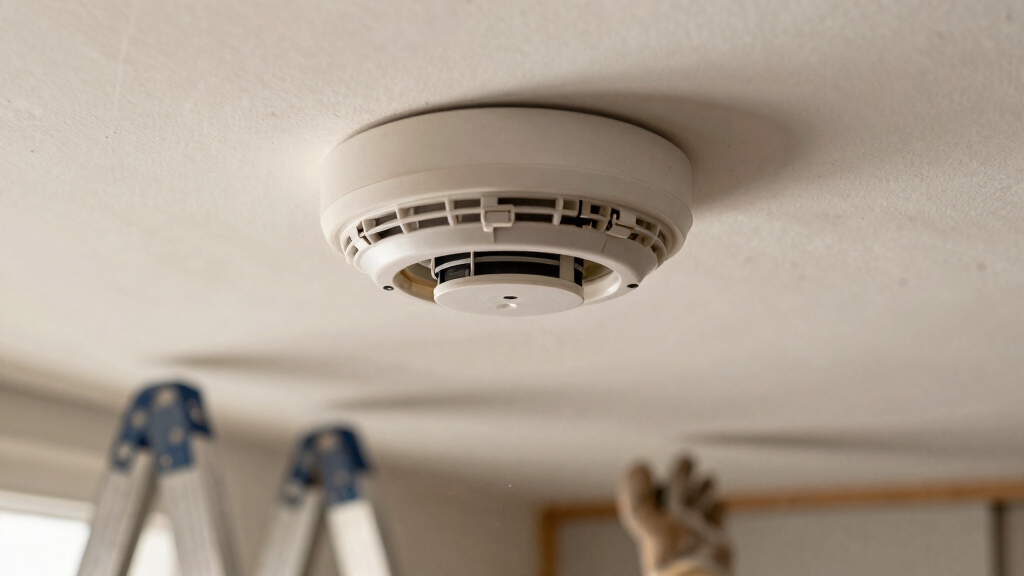
While most smoke detectors rely on batteries for power, certain models can function without them by drawing electricity directly from your home’s wiring.
These hardwired smoke detectors maintain continuous operation without battery dependence, ensuring reliable fire detection.
Additionally, some models incorporate sealed 10-year batteries, which effectively eliminate the need for battery replacement during their lifespan, though they still technically include a power source.
Interconnected hardwired systems also enhance safety by synchronizing alarms throughout your property, independent of batteries.
However, purely battery-free operation without any internal or external power source isn’t feasible, as detection electronics require consistent energy.
Consequently, smoke detectors without conventional replaceable batteries either connect to your home’s electrical system or use long-life sealed batteries to guarantee uninterrupted functionality and compliance with safety standards.
Building codes mandate that hardwired smoke detectors have battery backups to ensure continuous protection even during electrical outages.
How Hardwired Smoke Detectors Stay Powered?
You know those hardwired smoke detectors? They’re pretty reliable since they draw power straight from your home’s electrical system. This means they’re always on and ready to go, which is a huge plus for safety.
And get this: many of these detectors also come with backup batteries. So, if there’s ever a power outage, you won’t have to worry about them shutting down. That backup feature really adds an extra layer of security.
Plus, you don’t have to hassle with changing batteries regularly. It’s nice to have that peace of mind, knowing your smoke detectors are always powered up and functioning properly.
It’s also important to confirm alarm system compliance with safety standards to ensure they work effectively in emergencies.
Home Electrical System
Because hardwired smoke detectors connect directly to your home’s electrical system, they draw continuous power without relying on batteries. This guarantees uninterrupted operation, critical for safety.
These detectors are wired into your home’s 120-volt AC supply, transforming mains power into the low voltage needed for the unit. Their connection requires professional installation, integrating with your electrical circuit and often linked to multiple alarms for simultaneous alerts.
| Feature | Description |
|---|---|
| Power Source | 120V AC mains power |
| Wiring Requirement | Hardwired, professional electrical setup |
| Continuous Operation | 24/7 power without battery dependency |
This system eliminates reliance on battery replacement, providing consistent smoke detection as long as your home’s electrical supply is active. The dual-source design with a 9-volt battery backup ensures fail-safe continuous power and automatic switch-over during outages.
Backup Battery Integration
Many hardwired smoke detectors incorporate backup battery systems to maintain functionality during power outages. This integration ensures the detector remains operational when mains power fails, preserving continuous smoke detection and alarm signaling.
The backup battery, typically a sealed lithium or alkaline type, automatically activates without user intervention. It supplies power to essential components such as the sensing chamber and alarm circuitry. You don’t need to worry about manual switching or downtime.
These batteries generally last several years but require periodic testing and replacement to ensure reliability. Backup systems are designed to seamlessly switch between power sources, preventing alarm interruption.
This battery backup is a critical feature in conventional fire alarm systems to ensure continuous protection during power failures.
Continuous Power Supply
Hardwired smoke detectors draw continuous power directly from your home’s electrical system, ensuring uninterrupted operation without relying solely on batteries. This direct connection supplies a stable voltage, allowing the detector to function 24/7 without power interruptions.
To safeguard against outages, these systems include backup batteries that automatically engage when mains power fails, maintaining detection capability. The integration with your electrical wiring also enables interconnectivity among multiple detectors, enhancing safety through simultaneous alerts throughout your home.
Unlike battery-dependent units, hardwired detectors eliminate the risk of power loss due to battery depletion, providing consistent monitoring. However, installation requires professional wiring expertise to integrate the detector safely and comply with electrical codes, ensuring reliable continuous power supply and peak fire detection performance.
Additionally, many hardwired systems can be part of monitored fire alarm systems that automatically notify emergency services, improving response times and safety.
What Are Sealed 10-Year Battery Smoke Alarms?
When you want a smoke alarm that combines long-term reliability with minimal maintenance, sealed 10-year battery smoke alarms provide an excellent solution.
For dependable, low-maintenance safety, sealed 10-year battery smoke alarms are the ideal choice.
These units come with batteries that are permanently sealed inside, eliminating the need for replacements throughout their decade-long lifespan.
You avoid the nuisance of low-battery chirps and guarantee continuous operation without manual intervention.
Key features include:
- Factory-installed sealed lithium batteries designed to last 10 years.
- Maintenance-free operation with no battery replacements required.
- Built-in alerts only activate near the end of the battery’s life.
- Cost-effective over time by eliminating recurring battery purchases.
Regular maintenance such as monthly testing remains essential to ensure the detector stays fully operational throughout its lifespan.
Comparing Battery-Powered and Hardwired Smoke Detectors
Sealed 10-year battery smoke alarms offer a maintenance-free option. Understanding how they compare to traditional battery-powered and hardwired smoke detectors can help you choose the best fit for your home.
Battery-powered detectors provide flexible placement and DIY installation. However, they require periodic battery changes and risk inoperative states if batteries die.
Hardwired detectors draw continuous power from your home’s electrical system. This ensures uninterrupted operation and eliminates low-battery alerts.
They often feature interconnectivity and backup batteries, enhancing safety and reliability. However, hardwired units demand professional installation and higher upfront costs.
Sealed 10-year battery models combine ease of installation with a decade of reliable function. They avoid nuisance chirps and battery replacements.
Each type balances installation complexity, maintenance, power source reliability, and cost. Evaluate your home’s wiring and your willingness for upkeep when selecting a smoke detector.
It is also important to install detectors inside every bedroom, outside sleeping areas, and on every level of the home to ensure full smoke detector coverage.
How Hardwired Smoke Alarms Stay Powered During Outages?
You probably trust hardwired smoke alarms for a good reason—they connect directly to your home’s electrical system, so they’re always powered up. But what happens when the lights go out? That’s where the built-in backup batteries come in. They kick in automatically, making sure your smoke alarms keep working just as they should.
This clever integration means you don’t have to worry about your smoke alarms going silent during a power outage. They stay powered and ready to respond, keeping your home safe even when the main power supply is down. So, you can feel secure knowing that your safety isn’t compromised, no matter what happens with the electricity. Regular testing and timely replacement of backup batteries, ideally every 6 to 12 months, ensure continued reliable operation and prevent unexpected failures from low voltage battery maintenance.
Backup Battery Functionality
Hardwired smoke alarms almost always include a backup battery system to maintain continuous operation during electrical outages. This design guarantees your smoke detector remains functional even if the main power supply fails.
The backup battery automatically activates when power loss occurs, preventing any interruption in smoke detection.
Key aspects of backup battery functionality include:
- Instant switch-over from mains power to battery without delay.
- Rechargeable or replaceable batteries depending on model specifications.
- Power capacity sufficient to sustain alarm operation for hours during outages.
- Regular low-battery alerts to remind you when replacement is necessary.
Many hardwired alarms also support interconnectivity to ensure all units sound simultaneously during emergencies.
Electrical System Integration
Although power outages can disrupt many household systems, hardwired smoke alarms maintain functionality by integrating directly with the home’s electrical wiring and utilizing backup power sources.
These alarms draw continuous power from your home’s main electrical supply, ensuring constant readiness.
When the power fails, built-in rechargeable backup batteries activate instantly, sustaining detector operation without interruption.
This dual-power setup guarantees that your smoke alarm remains fully operational during outages, providing reliable fire detection.
Additionally, hardwired alarms often connect to an interconnected system, allowing simultaneous alerts throughout your home, which also rely on this integrated electrical infrastructure.
Moreover, many hardwired systems use addressable technology to enable real-time status monitoring and improve overall fire safety management.
Continuous Power Assurance
Typically, smoke alarms connected to your home’s electrical system maintain uninterrupted power by switching to a built-in rechargeable backup battery the moment a power outage occurs.
This seamless shift guarantees continuous detection without interruption, critical for your safety during emergencies.
Key features include:
- Constant power draw from your home’s electrical supply under normal conditions.
- Immediate activation of the backup battery when mains power fails.
- Rechargeable battery design that restores power once electricity returns.
- Continuous monitoring capability preventing alarm downtime during outages.
Powering Smart Smoke Detectors Without Batteries
Many smart smoke detectors without batteries rely on direct power from the home’s electrical wiring. This ensures continuous operation without the need for frequent battery replacements.
These hardwired units offer greater reliability, especially when integrated with backup batteries for power outages. Their connectivity supports real-time alerts through smart home platforms, enhancing safety and convenience.
| Feature | Power Source | Benefits |
|---|---|---|
| Hardwired System | Home electrical grid | Continuous power, no battery swaps |
| Backup Battery | Rechargeable battery | Maintains function during outages |
| Smart Integration | Wired + wireless | Remote alerts, interconnectivity |
Frequently Asked Questions
Can Smoke Detectors Be Interconnected Without Wiring?
Yes, you can interconnect smoke detectors without wiring by using wireless models designed for this purpose.
These detectors communicate via radio frequency, instantly alerting all units when one senses smoke.
This wireless interconnection simplifies installation, especially in homes without existing electrical wiring.
Just make certain each unit has a reliable power source, like sealed batteries, and that they support compatibility for seamless, synchronized alerts throughout your property.
Are Photoelectric Sensors Better for Smoke Detection?
Photoelectric sensors excel at detecting smoldering fires by sensing smoke particles early, making them better for slow, smoky fires.
You’ll find they reduce false alarms from cooking or steam compared to ionization sensors, which detect fast-burning fires quickly.
For all-encompassing protection, consider dual-sensor detectors combining photoelectric and ionization technologies.
This way, you’ll catch both smoldering and flaming fires efficiently, improving overall smoke detection reliability in your home.
How Often Should Smoke Detectors Be Professionally Maintained?
You should have your smoke detectors professionally maintained at least once a year. This guarantees wiring integrity, sensor functionality, and backup battery operation, especially for hardwired systems.
Technicians will clean dust, test sensors (photoelectric and ionization), and verify interconnectivity in multi-unit setups. Regular professional checks help maintain reliable 24/7 detection and prevent false alarms.
This also extends device lifespan, keeping your home safety system fully operational and compliant with fire safety standards.
What Are the Cost Differences Between Sealed and Standard Batteries?
Sealed 10-year battery smoke detectors have a higher upfront cost than standard battery models. However, you save on recurring battery replacement expenses over a decade.
Standard battery detectors cost less initially but require frequent battery purchases and replacements, adding ongoing costs.
Over time, sealed battery units prove more cost-effective due to maintenance-free operation. Meanwhile, standard models incur continuous expenses, making your total investment higher if you don’t factor in replacement batteries and maintenance time.
Do Smart Smoke Detectors Require Wi-Fi to Function Properly?
You don’t have to put all your eggs in one basket. Smart smoke detectors don’t require Wi-Fi to perform basic functions like detecting smoke and sounding alarms.
However, to enable features like mobile alerts, remote monitoring, and integration with smart home systems, Wi-Fi is essential. Without it, the detector works locally, but you miss out on notifications and advanced controls that keep you connected when you’re away from home.
Protect Your Home With Reliable Smoke Detector Power
So, you’re wondering if a smoke detector can just run on hope and no batteries? Spoiler: it can’t.
Unless you’ve got a hardwired model with a reliable power source or a sealed 10-year battery, your smoke detector is basically a glorified wall ornament.
Even smart detectors need juice to keep you safe. So, don’t skip the batteries; your life depends on it, not on miracles or good vibes.