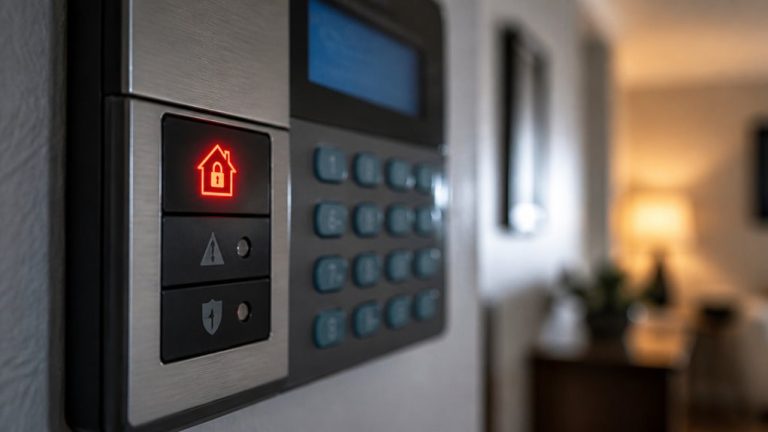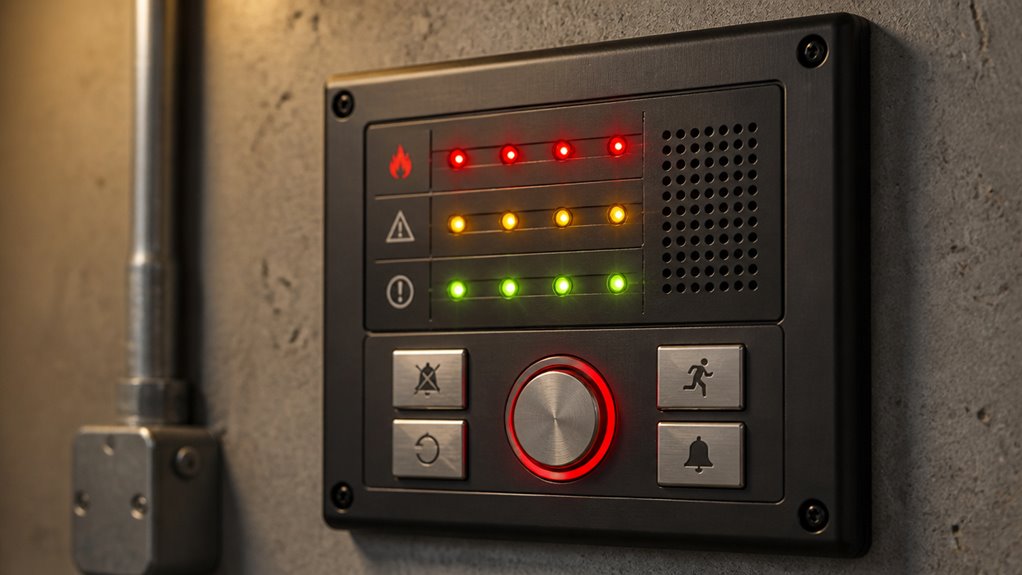

A fire alarm annunciator gives you real-time, centralized updates on fire detection device status across a building.
It shows clear visual and audible alerts, like red lights for alarms and amber for troubles, to help you quickly identify issues and affected zones.
Installed in accessible, secure locations, it supports rapid response and coordination by occupants and emergency teams.
With advanced features and integration options, it enhances monitoring and control of fire safety systems.
Explore below to understand its full capabilities and setup considerations.
Key Takeaways
- A fire alarm annunciator is a remote panel displaying real-time fire detection device status throughout a building.
- It provides visual and audible alerts to indicate normal operation, alarms, or system troubles.
- The annunciator shows zone-specific information to quickly identify alarm locations and device types.
- It acts as an interface between the fire alarm control panel and occupants or emergency responders.
- Installation ensures accessibility and compliance with local codes for effective monitoring and rapid response.
Fire Alarm Annunciators: Definition and Operation
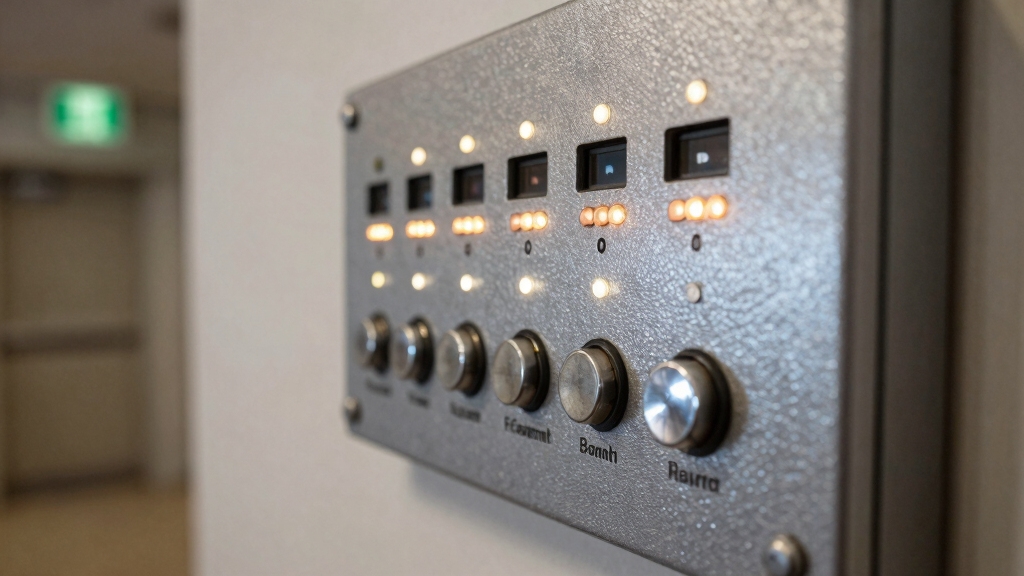
Although fire alarm annunciators may seem like simple display panels, they play an essential role in fire safety systems. They provide real-time, centralized information on the status of fire detection devices throughout a building.
Fire alarm annunciators deliver crucial, real-time updates on fire detection status throughout a building.
You’ll find these panels acting as the intermediary between the fire alarm control panel and building occupants or emergency responders. They receive signals from smoke detectors, heat sensors, and manual pull stations, then present this critical data through visual and audible alerts.
Typically installed in accessible locations like control rooms, annunciators serve as remote interfaces to the main fire alarm system. By aggregating and displaying status information clearly, they enable rapid assessment and coordinated response during fire emergencies.
This ensures you and your team maintain situational awareness and act swiftly. Proper initial steps in troubleshooting fire alarm equipment always include contacting authorities to coordinate testing and prevent false emergency responses.
Key Components and Indicator Functions of Fire Alarm Annunciators
Indicator lights are super important when it comes to showing the status of fire detection devices. For instance, a green light usually means everything’s functioning normally, while a red light indicates that there’s an active alarm.
Now, let’s talk about the main control panel. Think of it as the brain of the entire system. It processes signals from the detectors and triggers the necessary alerts.
Fire alarm annunciators often include visual strobes and audible alarms that activate immediately to alert occupants during an emergency.
Indicator Light Meanings
Numerous indicator lights on fire alarm annunciators communicate the status of fire detection devices at a glance.
You’ll find green lights signaling normal operation, confirming all connected devices function properly.
Red lights indicate active alarms, pinpointing exact zones or devices that triggered the alert.
Yellow or amber lights warn of system troubles, such as wiring faults, power failures, or supervisory issues like tampered valves.
Some annunciators use flashing lights to differentiate between alarm states and trouble conditions.
These color-coded signals let you quickly assess the system’s overall health and respond appropriately.
Understanding these indicator light meanings is essential for effective monitoring.
This ensures you can promptly identify alarms, system faults, or supervisory alerts, thereby supporting timely interventions and maintaining fire safety integrity.
In addition, annunciators often integrate with redundant communication channels to ensure reliable notification even if one signal path fails.
Core Component Roles
A fire alarm annunciator relies on several core components to deliver accurate and timely information about building fire safety status. At its center, the main control panel processes signals from smoke detectors, heat sensors, and manual pull stations, triggering responses.
The annunciator features color-coded indicator lights: green for normal operation and red for active alarms, providing instant visual status. Audible warnings alert you to system abnormalities, while modern touchscreen displays offer zone-specific identification and device type details.
You’ll also find supervisory alerts for issues like low air pressure or tampered valves, alongside trouble signals for wiring or power failures. Together, these components guarantee you receive precise, real-time data to coordinate rapid, informed responses during emergencies.
The annunciator’s design often integrates well with zone-based detection systems, simplifying monitoring by grouping devices into manageable sections.
Typical Installation Locations in Buildings
You’ll usually spot fire alarm annunciators in key areas like control rooms or security offices.
This setup isn’t just for convenience; it also aligns with local building codes. For instance, if the main panel isn’t situated in the lobby, you’ll often see requirements for it to be installed there.
The focus here is on accessibility. By placing these systems in strategic locations, authorized personnel can easily monitor and manage fire safety.
It really helps streamline emergency response, doesn’t it?
Understanding these installation standards is crucial. It not only ensures compliance but also plays a vital role in keeping everyone safe during emergencies.
Additionally, ensuring clear line of sight and unobstructed access to annunciators is important for effective emergency monitoring and quick response.
Common Mounting Areas
Within building design, fire alarm annunciator panels are strategically installed to guarantee peak accessibility and visibility for authorized personnel.
You’ll typically find these panels mounted in central control rooms or security offices, where monitoring fire safety status is critical.
When the main fire alarm control panel isn’t located in the lobby, codes often require annunciators to be installed there, assuring immediate situational awareness.
You should also prioritize installation in areas accessible only to authorized staff, enabling rapid response without interference.
Proper mounting height and positioning secure clear visibility of indicator lights and displays, facilitating swift interpretation of alarms.
Optimizing bandwidth consumption is essential when integrating annunciator panels with digital monitoring systems to ensure reliable and efficient operation.
Compliance With Building Codes
Because fire alarm annunciator panels serve as critical communication hubs during emergencies, their installation must strictly adhere to local building codes and fire safety regulations.
You need to make certain the panel is positioned where it provides immediate status updates to authorized personnel while complying with jurisdictional requirements.
Typical installation locations include:
- Control rooms or security offices for centralized monitoring.
- Main lobbies in commercial buildings when the primary fire alarm control panel is remote.
- Designated areas allowing clear visibility and access without obstructing egress paths.
Additionally, installation must consider NFPA 72 standards to ensure life safety requirements are met without compromising building integrity.
Accessibility For Authorized Personnel
Make certain fire alarm annunciator panels are installed in locations where authorized personnel can quickly access them during emergencies or routine monitoring.
Typically, you’ll find these panels mounted in control rooms, security offices, or other centralized areas within the building.
In commercial settings, codes often require annunciators in lobbies if the main control panel isn’t located there, ensuring immediate visibility.
Positioning the panels in accessible, secure spots enables rapid assessment and response, minimizing delays.
You should avoid placing them in restricted or cluttered spaces to prevent access issues.
Proper installation locations provide a clear overview of the building’s fire safety status, allowing management and first responders to act decisively.
Accessibility is critical to maintaining effective fire alarm system operation and compliance with safety regulations.
Additionally, authorized personnel should be trained to perform control panel reset procedures promptly to ensure system functionality after an alarm event.
How Fire Alarm Annunciators Display Fire and Trouble Alerts?
When a fire or trouble condition arises, fire alarm annunciators immediately activate their visual and audible indicators to alert building occupants and emergency personnel. You’ll see color-coded lights: red signals active fire alarms, while amber or yellow indicates trouble or supervisory alerts. These panels also produce distinct audio tones tailored to the alert type, ensuring you can quickly differentiate between fire and system issues.
Fire alarm annunciators use color-coded lights and distinct tones to quickly alert occupants to fires or system issues.
Here’s how they display alerts:
- Visual Indicators: LEDs and text displays identify specific zones and device types triggering the alarm.
- Audible Signals: Varied tones correspond to fire alarms or trouble conditions for instant recognition.
- Detailed Information: The panel shows exact or approximate locations and system abnormalities like wiring faults.
This precise, real-time data helps you assess and respond efficiently. For maintaining system reliability, it is essential to inspect battery condition regularly to ensure consistent power delivery and avoid false alarms.
How Fire Alarm Annunciators Assist First Responders and Staff?
The clear visual and audible alerts provided by fire alarm annunciators give first responders and building staff immediate, actionable information about the fire event.
You’ll quickly identify the exact zone or device triggering the alarm, enabling rapid situational assessment.
The color-coded indicators and zone-specific displays guide you directly to the affected areas, minimizing response time.
Audible warnings supplement visuals, ensuring no critical alert is missed.
You can also monitor supervisory and trouble signals, which inform you of system malfunctions or compromised fire protection components.
By centralizing real-time data from detectors and pull stations, the annunciator streamlines communication between onsite personnel and emergency teams.
This precise, centralized information optimizes response coordination, enhances safety protocols, and supports efficient decision-making during fire emergencies.
Moreover, integrating annunciators with interconnected smoke alarms ensures simultaneous alerts throughout the facility, further improving emergency response effectiveness.
Advanced Features and Customization Options for Fire Alarm Annunciators
Although basic fire alarm annunciators provide critical alerts, advanced models offer enhanced features that noticeably improve detection accuracy and system integration.
Advanced fire alarm annunciators enhance detection precision and seamlessly integrate with existing safety systems.
You’ll benefit from multi-sensor capabilities that detect smoke, heat, and carbon monoxide simultaneously, reducing false alarms.
Customizable displays let you monitor additional parameters, such as sprinkler system status or emergency evacuation routes, improving situational awareness.
Integration with building automation systems enables seamless control and monitoring across multiple platforms.
Key customization options include:
- Programmable interfaces tailored to your facility’s unique needs.
- Remote annunciator panels allowing limited control from various locations.
- Enhanced signal processing that prioritizes critical alerts and filters noise.
Frequently Asked Questions
How Often Should Fire Alarm Annunciators Be Tested and Maintained?
You should test and maintain fire alarm annunciators at least annually, following NFPA 72 standards. Monthly inspections verify indicators, lights, and audible signals function properly.
Thorough testing includes checking all visual displays, zone alerts, and communication with the main control panel. Promptly address any malfunctions or abnormalities.
Regular maintenance guarantees reliability, accurate status reporting, and compliance with local codes. This ultimately supports efficient emergency response and occupant safety.
Can Fire Alarm Annunciators Be Integrated With Home Automation Systems?
Wondering if you can integrate fire alarm annunciators with home automation systems? Yes, you can.
Modern annunciators often support wired or wireless connections, allowing seamless integration with smart home networks. This enables centralized monitoring, remote acknowledgment, and even customized alerts through your automation platform.
What Is the Typical Lifespan of a Fire Alarm Annunciator Panel?
You can expect a fire alarm annunciator panel to last around 10 to 15 years with proper maintenance.
Factors like environmental conditions, usage frequency, and technological updates influence its lifespan.
Regular inspections and timely firmware updates help guarantee reliability and compliance with safety standards.
When your panel approaches this age range, consider evaluating its performance and planning for replacement to maintain peak fire detection and response capabilities.
Are Fire Alarm Annunciators Required in Residential Buildings?
You typically won’t find fire alarm annunciators required in standard residential buildings.
Codes and standards focus their use primarily on commercial or multi-occupancy structures where centralized monitoring is essential.
However, in large residential complexes or high-rise buildings with extensive fire alarm systems, local regulations might mandate annunciator panels in lobbies or control rooms for efficient emergency management.
Always verify applicable local codes to guarantee compliance.
How Do Fire Alarm Annunciators Handle Power Outages or Backup Power?
You rely on fire alarm annunciators’ built-in backup power systems, typically rechargeable batteries, to maintain operation during power outages.
These batteries automatically engage when primary power fails, ensuring continuous monitoring and alerting.
Additionally, annunciators often connect to emergency generators for extended outages.
This seamless power changeover guarantees you receive uninterrupted visual and auditory notifications, keeping building occupants and responders informed without delay, even when the main electrical supply is compromised.
Know Your Fire Alarm Annunciator Before an Emergency
By understanding fire alarm annunciators, you gain a clearer window into your building’s safety status.
These devices don’t just signal alerts; they provide precise, actionable insights that guide your response with confidence.
While they may quietly stand guard, their role in steering through potential challenges is indispensable.
Trusting in their advanced features and strategic placement guarantees you’re always a step ahead, turning complex situations into manageable ones with clarity and control.