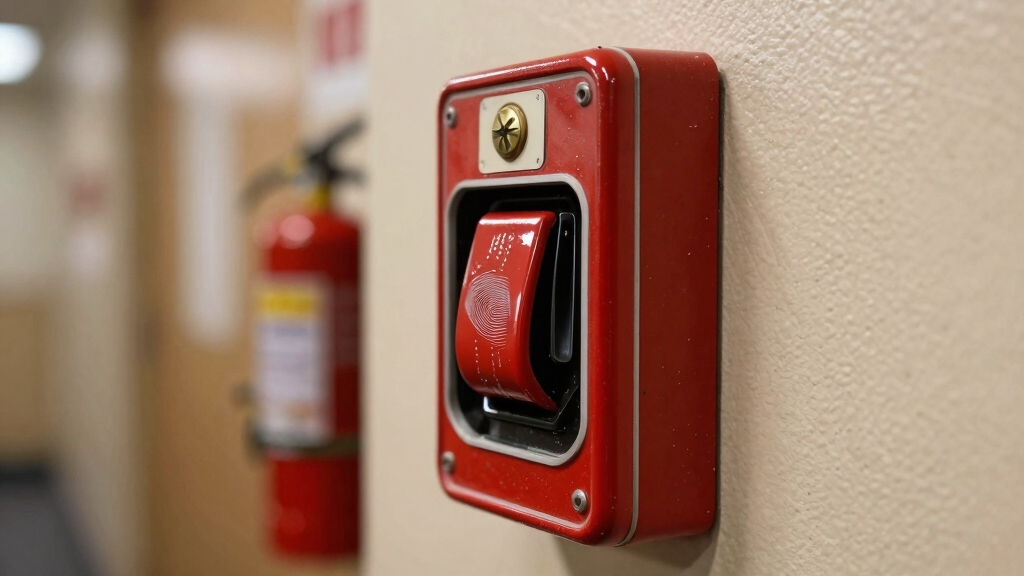

A fire alarm pull station is a manual device you activate to trigger a building’s fire alarm system instantly.
Typically wall-mounted near exits in a bright red box, it complements automatic detectors by providing an immediate alert through audible alarms and flashing lights.
You’ll find them strategically placed to guide safe evacuation routes and meet strict NFPA standards.
Understanding their types, activation, and maintenance is key to ensuring effective emergency response and occupant safety.
Key Takeaways
- A fire alarm pull station is a manual device that activates the building’s fire alarm system when pulled.
- It is typically housed in a red, wall-mounted box near exits for easy access during emergencies.
- Pull stations complement automatic detectors by providing a manual alert option for occupants.
- Activation triggers audible alarms, visual strobes, and notifies emergency responders or monitoring stations.
- They are required by safety codes to ensure prompt, orderly evacuation and compliance with fire regulations.
What Is a Fire Alarm Pull Station?
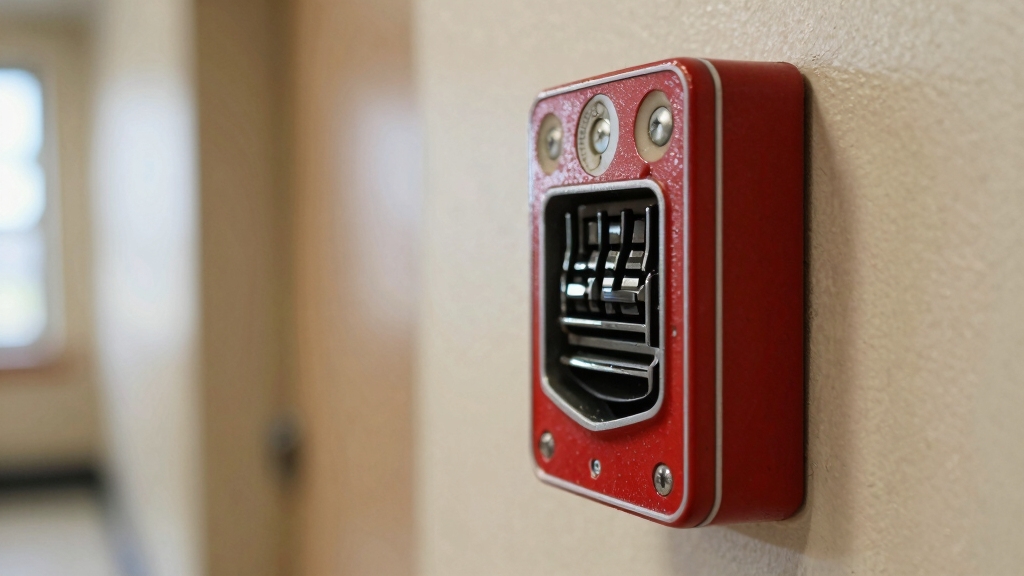
When you pull a fire alarm pull station, you manually trigger the building’s fire alarm system to alert occupants and emergency responders of a fire or emergency.
This device is housed in a conspicuous red box, typically mounted on walls near exits. It serves as the critical human interface for emergency notification.
It complements automatic detection systems, such as smoke detectors, by providing a direct method for occupants to initiate an alarm if they detect danger before sensors do.
Fire alarm pull stations are mandated by NFPA 101 as a failsafe mechanism to guarantee prompt evacuation and response.
When activated, they immediately signal the fire alarm control panel, which then initiates audible and visual alerts throughout the building.
This enhances occupant safety and compliance with fire codes.
Proper operation and maintenance of these devices, including correct reset procedures, are essential to ensure reliable functionality and prevent false alarms.
Types of Fire Alarm Pull Stations
Although fire alarm pull stations all serve the same essential function, they come in different types tailored to specific environments and safety needs.
The most common are single-action pull stations, which activate with a simple downward pull. They’re ideal for quick response areas like warehouses.
Dual-action pull stations require two deliberate steps, usually lifting a cover before pulling the handle. This reduces accidental activations in high-traffic zones.
Some dual-action models incorporate a break-glass panel for added security. Each type connects directly to the fire alarm control panel, ensuring immediate system activation.
When selecting a pull station, you must consider traffic flow, potential for false alarms, and compliance with local fire codes. This ensures optimal placement and usability within your building’s emergency strategy.
These pull stations are typically part of a zone-based detection system that groups devices into manageable sections to simplify supervision and maintenance.
Features That Prevent False Alarms in Fire Alarm Pull Stations
Since false alarms can disrupt operations and strain emergency resources, fire alarm pull stations incorporate specific features to minimize accidental activations.
You’ll find these devices engineered with mechanisms that require deliberate actions, preventing unintentional triggers. For example, dual-action pull stations demand a two-step process, reducing false pulls in busy areas.
Some models include protective covers or glass panels that must be lifted or broken, adding an extra layer of intentionality. Additionally, stations often feature tamper-resistant designs to deter vandalism or accidental contact.
Key features that prevent false alarms include:
- Dual-action or cover-lift requirement before activation
- Break-glass panels to confirm deliberate use
- Tamper-proof housings to block unauthorized access
- Clear, visible labeling to avoid confusion with other controls
These features guarantee reliable manual alarm activation while minimizing false signals. Fire alarm systems also rely on verification procedures at supervising stations to reduce false dispatches and ensure reliable emergency response.
How Fire Alarm Pull Stations Activate Building Alarms?
When you pull the handle on a fire alarm pull station, you’re actually completing an electrical circuit. Pretty interesting, right? This action sends an immediate signal to the fire alarm control panel.
As a result, audible alarms and visual strobe lights go off throughout the building. It’s designed to alert everyone inside to the potential danger.
But that’s not all! The system can also notify central monitoring stations and activate crucial safety functions, like releasing doors or shutting down the HVAC system. So, it’s a comprehensive response to keep everyone safe.
Before any maintenance or testing of the pull station begins, it is critical to contact authorities and place the system in test mode to ensure safety and compliance.
Activation Mechanism Explained
Pulling the handle on a fire alarm pull station immediately activates an electrical switch that signals the building’s fire alarm control panel. This instant electrical engagement assures swift communication of a manual fire alert.
When you pull the handle, you complete an electrical circuit, triggering the alarm system to initiate emergency protocols. The activation mechanism is engineered for reliability and speed, minimizing delays.
Key aspects of the activation mechanism include:
- Mechanical lever or cover movement engages an internal switch.
- Electrical signal transmits directly to the fire alarm control panel.
- Activation overrides automatic detection systems for manual alerting.
- Some models require dual-action steps to prevent accidental triggers.
This precise mechanism guarantees immediate and unmistakable alarm initiation upon manual activation. Once triggered, the system may include a brief automatic acknowledgment delay to confirm the alert before full notification is sent.
Alarm System Response
Activating a fire alarm pull station instantly triggers the building’s alarm system to respond without delay. When you pull the handle, it completes an electrical circuit that sends a signal to the fire alarm control panel.
The panel immediately activates audible alarms, such as horns, and visual strobes throughout the building to guarantee swift occupant notification. Simultaneously, the system may notify a central monitoring station to dispatch emergency services.
Additionally, the alarm system can initiate safety protocols like unbolting doors, shutting down HVAC systems, and activating fire suppression equipment. This rapid, automated response is critical to minimizing risk and ensuring occupant safety by providing an immediate and unmistakable alert to evacuate or take action during emergencies.
It is important to call 911 or campus emergency number from a safe location if you discover a fire or hear an alarm, even if the system is monitored.
What to Do If a Fire Alarm Pull Station Is Activated?
In the event of a fire alarm pull station activation, you must immediately initiate the established emergency response protocol. First, confirm the activation is genuine and not a false alarm.
Upon fire alarm activation, promptly verify its authenticity and begin the emergency response protocol without hesitation.
Then, proceed to alert occupants and begin evacuation without delay. Notify emergency responders as per your facility’s guidelines. Make certain that all safety systems triggered by the alarm, such as HVAC shutdown and door release, are functioning correctly.
Evacuate the building using marked escape routes promptly. Assist individuals with disabilities or special needs.
Communicate clearly to prevent confusion or panic. Report the incident to the fire alarm control panel and monitoring station.
Act decisively to minimize risk and guarantee compliance with safety procedures. Utilizing addressable fire alarm systems can enhance response efficiency by providing precise alarm location data.
Where and How Fire Alarm Pull Stations Must Be Installed?
Proper placement and installation of fire alarm pull stations are critical to ensuring rapid emergency response and compliance with safety codes. You must mount pull stations 42 to 48 inches above the floor, ensuring accessibility for all users.
Position them within 5 feet of exit doors and maintain a maximum travel distance of 200 feet between stations. Keep the devices visible, unobstructed, and clearly marked along escape routes.
| Requirement | Specification |
|---|---|
| Mounting Height | 42–48 inches above floor |
| Proximity to Exits | Within 5 feet |
| Maximum Travel Distance | 200 feet between stations |
Following these parameters guarantees quick activation during emergencies and adherence to NFPA standards. Additionally, obtaining an alarm permit may be required by local authorities to ensure compliance and avoid fines.
NFPA Installation and Maintenance Requirements for Pull Stations
NFPA standards consistently require that fire alarm pull stations undergo regular installation checks and maintenance to guarantee reliable operation during emergencies.
You must make certain pull stations are mounted between 42 and 48 inches above the floor and placed within 5 feet of exits, maintaining a maximum 200-foot travel distance between stations.
Regular inspections confirm labeling clarity and unobstructed access. Functional tests verify proper signal transmission to the fire alarm control panel.
Key NFPA requirements include:
- Conduct monthly visual inspections for physical condition and accessibility.
- Perform annual functional testing to ensure activation reliability.
- Verify proper mounting height and placement per NFPA 72.
- Make certain protective covers are intact to prevent accidental activations.
Adhering strictly to these mandates keeps your pull stations operational and compliant. Additionally, weekly visual inspections are recommended to identify obstructions or damage that may impair pull station accessibility.
How Fire Alarm Pull Stations Support Evacuation and Emergency Alerts?
When you pull a fire alarm station, it sets off loud alerts and flashing lights throughout the building right away. This means everyone knows there’s an emergency fast!
You’ll notice these stations are usually placed near exits and along the evacuation routes, making them easy to spot and reach.
This thoughtful placement really helps with a smooth evacuation. It guides people quickly and safely to the nearest exit, ensuring they can get out without any confusion.
For enhanced safety, many buildings also integrate pull stations into a central fire alarm system that automatically notifies emergency responders.
Immediate Alert Activation
Pulling a fire alarm station immediately sends a critical signal to the building’s fire alarm control panel. This initiates an urgent response that activates audible alarms and visual strobes throughout the facility.
This rapid alert system guarantees occupants are promptly notified, facilitating swift evacuation and emergency procedures. The manual activation bypasses potential delays inherent in automatic detection, providing a fail-safe communication method.
Additionally, it can trigger connected safety systems, enhancing overall emergency management.
When you activate a pull station, you:
- Sound alarms and flash strobes instantly to alert all occupants.
- Notify central monitoring stations for external emergency response.
- Release emergency exits and disable HVAC to control smoke spread.
- Engage fire suppression systems if integrated with the alarm panel.
This immediate alert activation is crucial for occupant safety and code compliance.
Evacuation Path Visibility
Fire alarm pull stations consistently enhance evacuation path visibility by being strategically placed within clear sight lines along escape routes.
You’ll find them mounted 42 to 48 inches above the floor, within five feet of exits, and spaced to guarantee no more than 200 feet travel distance between stations.
Their bright red color and standardized labeling guarantee immediate recognition, even in low-visibility conditions.
By providing a clear, accessible manual activation point, they guide occupants toward exits while triggering audible and visual alarms that further illuminate evacuation paths.
This integration supports rapid, orderly egress, especially crucial in complex or large facilities.
You rely on these stations not only to signal emergencies but also to maintain compliance with NFPA codes, guaranteeing evacuation routes remain visible and accessible during critical incidents.
How to Maintain and Test Fire Alarm Pull Stations?
Regularly inspecting and testing fire alarm pull stations guarantees they function reliably during emergencies. You should perform monthly visual inspections to check for physical damage, ensure accessibility, and verify clear labeling.
Monthly inspections of fire alarm pull stations ensure they remain accessible, undamaged, and clearly labeled for emergency use.
Annual functional tests are essential to confirm the activation mechanism properly signals the fire alarm control panel. Always monitor the alarm panel to verify the pull station’s signal is received and processed accurately.
Follow these key maintenance steps:
Inspect for tampering or damage and ascertain covers are intact. Confirm mounting height and unobstructed access. Test mechanical operation without causing false alarms using approved procedures. Document all inspections and tests to comply with NFPA standards.
Consistent maintenance ensures your pull stations meet safety codes and operate flawlessly when needed.
Why Fire Alarm Pull Stations Are Essential for Fire Safety?
Maintaining and testing fire alarm pull stations keeps them reliable. Understanding their role in overall fire safety highlights their true importance.
These devices serve as a critical manual backup to automatic fire detectors. They allow occupants to initiate alarms promptly during emergencies.
You rely on pull stations to trigger building-wide alerts, activate visual strobes for the hearing-impaired, and prompt emergency response systems like HVAC shutdown or door release.
Their strategic placement near exits ensures quick access, enabling faster evacuation than sensors alone. Compliance with NFPA codes mandates their presence to guarantee failsafe operation, especially in areas where automatic detection might lag or fail.
Frequently Asked Questions
Can Fire Alarm Pull Stations Be Integrated With Smart Building Systems?
Yes, you can integrate fire alarm pull stations with smart building systems.
When connected, pulling the station triggers automated responses like releasing doors, shutting down HVAC, or notifying emergency services instantly.
Smart integration enhances monitoring by providing real-time status updates to your central control platform.
This setup guarantees faster, coordinated evacuations and compliance with safety codes while allowing you to manage alarms remotely and reduce false alerts through advanced system diagnostics.
Are There Specific Brands Known for Durability in Fire Alarm Pull Stations?
When durability is the backbone of safety, you’ll want to trust brands like Honeywell, Siemens, and Edwards.
These manufacturers engineer pull stations with robust materials and reliable mechanisms that withstand harsh conditions and frequent use.
Their products meet stringent NFPA standards and undergo rigorous testing, ensuring longevity and consistent performance.
How Do Fire Alarm Pull Stations Perform in Extreme Weather Conditions?
Fire alarm pull stations designed for extreme weather use robust, weatherproof enclosures that resist moisture, dust, and temperature fluctuations.
You’ll find models rated for outdoor installation with sealed components to prevent corrosion and electrical failure.
However, you must verify the station’s NEMA or IP rating to confirm suitability.
Regular maintenance is essential to confirm they function reliably despite exposure to rain, snow, or heat, maintaining safety and code compliance.
Is Training Required for Employees to Use Fire Alarm Pull Stations Properly?
Yes, training is essential for you to use fire alarm pull stations properly. You must understand the activation steps, lifting covers or pulling handles, to avoid false alarms and ensure rapid response.
Proper training guarantees you comply with safety codes and enhances evacuation efficiency during emergencies. Regular drills and clear instructions help you gain confidence, assuring you act swiftly and correctly when seconds count.
What Legal Liabilities Exist if a Fire Alarm Pull Station Is Not Maintained?
If a fire alarm pull station isn’t maintained, you’re playing with fire legally. You could face hefty fines, lawsuits, or even criminal charges if negligence leads to injury or death.
Authorities require strict adherence to NFPA standards, including inspections and repairs.
Failure to comply risks civil liability for damages, insurance denial, and regulatory penalties. Keep your systems in top shape to avoid being caught in a legal blaze.
Silent Guardians: Ensuring Safety Through Preparedness
You play a critical role in fire safety by understanding and properly using fire alarm pull stations. These devices are your first line of defense, discreetly alerting others before a situation escalates.
By maintaining and testing them regularly, you make certain they function flawlessly when needed. Remember, a well-managed pull station isn’t just a tool—it’s your silent partner in safeguarding lives and property during emergencies.
Stay vigilant and proactive at all times.

[…] are typically mounted within 5 feet of exits and at a standardized height for easy accessibility during […]