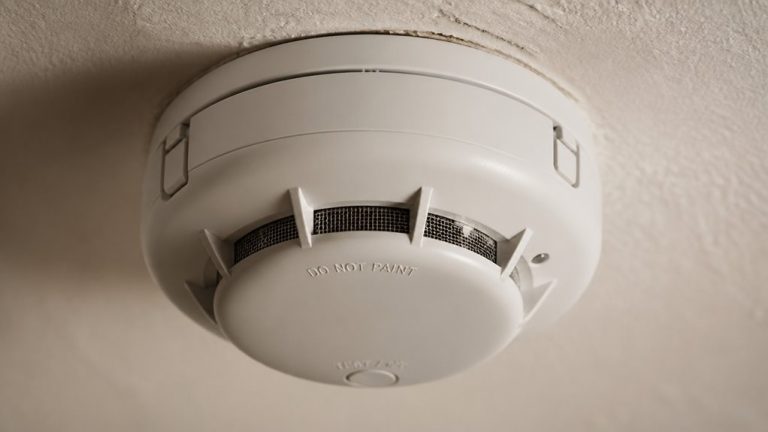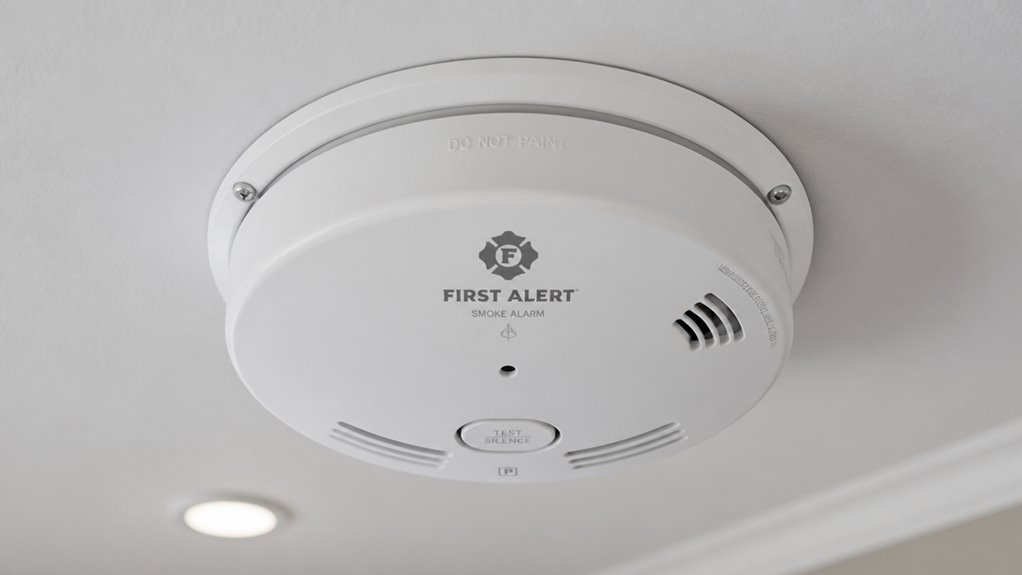

You won’t find any built-in cameras in First Alert smoke detectors because they focus solely on detecting smoke and carbon monoxide.
Models like the 9120BFF and SC5 Smart Alarm provide precise fire safety features, including voice alerts and smart home integration, but no video monitoring.
If you’re looking for visual surveillance, you’d need a separate security camera.
Understanding why First Alert prioritizes safety over spying and how hidden camera options work can clarify your choices.
Key Takeaways
- First Alert smoke detectors do not contain built-in cameras or video recording hardware.
- Official models like 9120BFF and SC5 focus solely on smoke and carbon monoxide detection.
- SC5 integrates with Google Home for alerts but provides no camera or visual monitoring features.
- Hidden cameras may be disguised in First Alert housings but are third-party products, not official devices.
- First Alert prioritizes fire safety over surveillance, deliberately excluding camera functionality in alarms.
Do First Alert Smoke Detectors Come With Built-In Cameras?
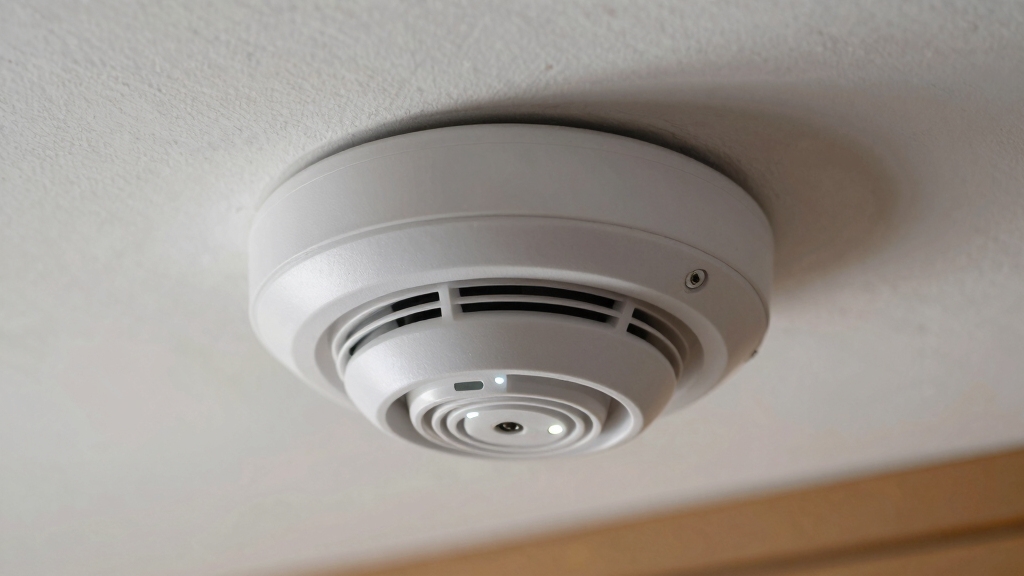
Wondering if First Alert smoke detectors come with built-in cameras? They don’t.
Curious about built-in cameras in First Alert smoke detectors? They do not include any.
Official First Alert models, including the popular 9120BFF and the SC5 Smart Smoke & CO Alarm, focus exclusively on fire and carbon monoxide detection.
These devices incorporate advanced features like Precision Detection technology and smart connectivity but exclude any form of visual recording hardware.
Even the SC5 Smart Alarm, which integrates with Google Home and Nest Protect, provides alerts and voice warnings without a camera.
First Alert’s product line prioritizes safety and early warning over surveillance, so you won’t find cameras embedded in their smoke detectors.
If you want video monitoring, you’ll need separate security cameras since First Alert’s official smoke detectors deliberately omit any camera functionality to comply with privacy and safety standards.
Their alarms also feature dual-language voice alerts to clearly specify hazards like fire or carbon monoxide for better user response.
Key Features of Official First Alert Smoke Detectors
While First Alert smoke detectors don’t include cameras, they offer a robust set of features focused on early fire and carbon monoxide detection.
You’ll find models like the 9120BFF, which are hardwired with battery backup to guarantee continuous protection even during power outages.
The SC5 Smart Smoke & CO Alarm connects seamlessly with the Google Home app, sending you real-time alerts and voice warnings.
Precision Detection technology minimizes false alarms from cooking smoke, keeping your home safer without unnecessary disruptions.
These detectors also work with Nest Protect devices, integrating smoothly via Google Home for centralized monitoring.
Whether you choose hardwire or battery-powered options, First Alert prioritizes reliable, early warning systems that meet updated industry standards.
This ensures peace of mind without compromising your privacy.
Additionally, many First Alert models feature dual-sensor technology that enhances detection of both fast-flaming and smoldering fires for improved safety.
Hidden Cameras Disguised in First Alert Detector Housings
Because standard First Alert smoke detectors don’t include cameras, some third-party manufacturers have created hidden spy devices that fit inside authentic First Alert housings.
These concealed cameras offer discreet surveillance with features like 1080p resolution, WiFi connectivity, and motion detection, all while maintaining the appearance of a genuine smoke detector.
If you’re considering such devices, understand their technical specs and limitations clearly.
| Feature | Specification |
|---|---|
| Resolution | 1080p (1920×1080) |
| Sensor Type | 1.4 MP CMOS, low-light capable |
| Connectivity | WiFi, P2P remote access |
| Viewing Angle | 120 degrees |
| Storage | Built-in 16GB memory (no fees) |
These hidden cameras provide remote monitoring without raising suspicion. However, they come with privacy and legal concerns you should carefully weigh.
For optimal concealment and performance, ensure the camera is installed with unobstructed lens placement and adequate ventilation to maintain image clarity and device longevity.
Differences Between First Alert Security Cameras and Smoke Detectors
Distinguishing between First Alert security cameras and smoke detectors is essential for understanding their distinct roles and capabilities. While both enhance home safety, they serve fundamentally different purposes.
First Alert smoke detectors focus exclusively on detecting smoke and carbon monoxide, without any video or audio recording capabilities. In contrast, First Alert security cameras provide visual monitoring with features like motion detection and remote viewing but don’t detect smoke or CO.
Key differences include:
Smoke detectors use sensors for fire and CO detection; cameras rely on image sensors for surveillance. Security cameras offer real-time video streaming, while smoke detectors provide audible alarms and app alerts.
Cameras require WiFi connectivity, while smoke detectors may be hardwired or battery-powered. First Alert smoke detectors have no built-in cameras or recording functions, unlike security cameras.
For optimal safety, First Alert recommends installing smoke detectors on every floor and inside each bedroom to ensure reliable detection and audible warnings throughout the home, as detailed in their key placement guidelines.
Camera Integration Options With First Alert Smart Smoke Detectors
Understanding the separate functions of First Alert’s smoke detectors and security cameras helps clarify your options for integrating video monitoring with fire safety devices.
First Alert’s official smoke detectors, such as the SC5 Smart Smoke & CO Alarm, focus solely on fire and carbon monoxide detection; they don’t include built-in cameras.
However, you can pair these detectors with compatible smart home systems like Google Home and Nest Protect, which offer separate video surveillance options.
To integrate video monitoring, you’ll need to install standalone First Alert security cameras or third-party cameras housed in smoke detector shells.
These third-party devices provide discreet camera functions with WiFi connectivity and remote viewing but aren’t official First Alert products.
This separation ensures you maintain reliable fire safety while adding video surveillance through dedicated cameras.
For optimal fire safety, it is recommended to test smoke detectors regularly and maintain proper placement to avoid false alarms and ensure functionality.
Privacy Concerns About Hidden Cameras in Smoke Detectors
While hidden cameras disguised as smoke detectors can provide discreet surveillance, they raise significant privacy concerns that you should carefully consider.
These disguised devices blur the line between security and unauthorized monitoring, potentially violating privacy rights and legal boundaries.
You need to be aware that such devices can record without consent, undermining trust in private spaces.
Additionally, their covert nature makes detection difficult, increasing risks of misuse.
Key privacy concerns include:
- Unauthorized recording of private moments without knowledge
- Legal implications depending on jurisdiction and consent laws
- Difficulty in distinguishing genuine detectors from spy devices
- Potential for hacking and unauthorized remote access to footage
Understanding these risks helps you make informed decisions about surveillance and privacy in your environment.
Be aware that many hidden cameras use infrared technology to enable night vision, making them effective even in darkness.
Frequently Asked Questions
How Do Third-Party Hidden Cameras Affect Smoke Detector Functionality?
Third-party hidden cameras can compromise your smoke detector’s reliability by altering its original design and sensor placement.
When you install these cameras inside detector housings, you risk obstructing smoke or heat sensors, which may delay alerts during emergencies.
Additionally, the added electronics might cause power issues or interfere with alarm signals.
You shouldn’t rely on modified units for safety; they’re less trustworthy and could endanger your home’s protection.
Can I Legally Install a Hidden Camera Inside a Smoke Detector?
You can legally install a hidden camera inside a smoke detector only if you comply with local laws.
Generally, you must inform occupants or obtain consent when recording in private spaces, especially bedrooms or bathrooms.
Public areas have fewer restrictions, but privacy rights still apply.
Make sure you research your state or country’s regulations on surveillance and consent before installing such devices to avoid legal issues and respect privacy boundaries.
What Is the Battery Life of Spy Cameras in Detector Housings?
Like a candle burning steadily through the night, spy cameras in detector housings typically offer battery life ranging from 4 to 8 hours, depending on usage and recording settings.
Since many rely on plug-in power for continuous operation, battery-only models often require frequent recharging.
If you want longer life, consider models with external power sources or scheduled recording to conserve battery. This ensures your covert monitoring stays reliable and uninterrupted.
Are There Specific Models Recommended for Integrating With Smart Home Systems?
You should consider the First Alert SC5 Smart Smoke & CO Alarm for seamless smart home integration.
It works smoothly with Google Home and Nest Protect devices, providing mobile alerts and voice warnings via the First Alert app.
This model supports remote testing and status checks, whether hardwired or battery-powered.
For standalone camera needs, explore Onelink Camera, but it doesn’t integrate directly into smoke detectors.
Stick to official models for reliable smart connectivity.
How Do Hidden Cameras Handle Network Security and Hacking Risks?
Hidden cameras handle network security by using encrypted WiFi connections and P2P technology, minimizing exposure to hacking.
You should guarantee firmware updates are applied promptly to fix vulnerabilities.
Use strong, unique passwords and disable default settings to prevent unauthorized access.
Some models offer motion detection alerts and secure cloud storage, but local DVRs reduce hacking risks by keeping footage offline.
Always verify the device supports robust security protocols before installation.
Protecting Your Home the Right Way – No Cameras Included
When it comes to First Alert smoke detectors, you won’t find built-in cameras lurking inside. They’re designed to guard your home from fire, not pry on your privacy.
Think of them as vigilant sentinels focused solely on safety. If you want surveillance, you’ll need separate security cameras or smart integrations.
Don’t let hidden cameras cloud your trust. First Alert keeps your safety clear and straightforward, without any secret eyes watching your every move.