
You need to carefully check federal and state laws before recording audio with security cameras, as legality varies.
Federal law requires consent from at least one party in the conversation, but many states demand all participants’ consent.
Secret audio recording, especially in private or sensitive areas, often violates these laws and can lead to serious penalties.
Make certain clear notice and obtain consent to reduce risks. Understanding these rules will help you navigate compliance effectively and responsibly.
Key Takeaways
- Federal law requires one-party consent for audio recording, but some states mandate all-party consent, affecting legality of audio on security cameras.
- Recording audio secretly or without consent in two-party consent states is generally illegal and may result in criminal charges.
- Visible signage and clear notice can establish implied consent in business or monitored areas, making audio recording more legally permissible.
- Avoid audio recording in private spaces like restrooms or offices where occupants expect privacy to prevent legal violations.
- When unsure of consent laws or feasibility, disabling audio recording reduces legal risk and ensures compliance across jurisdictions.
Federal And State Audio Recording Laws For Security Cameras
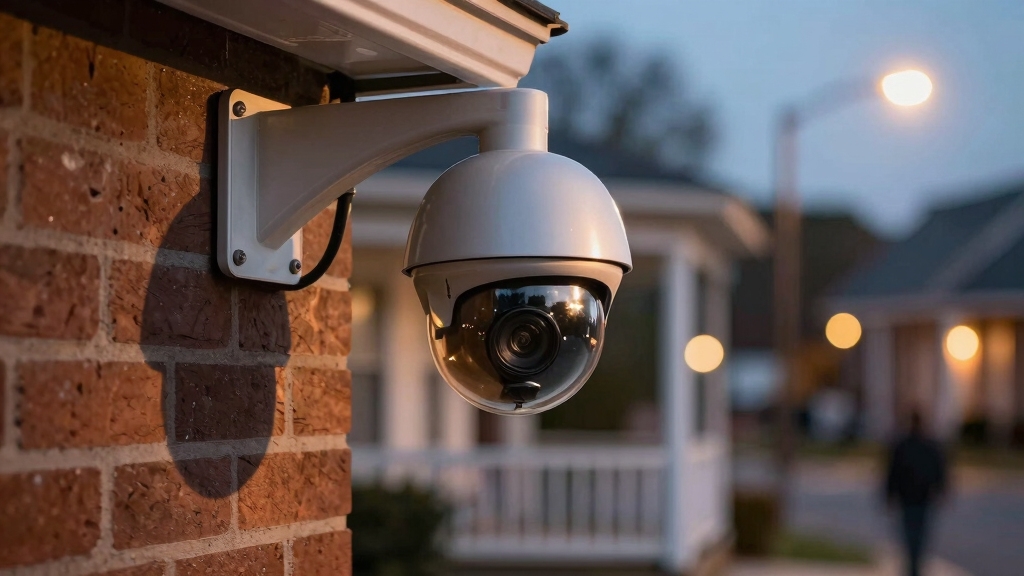
Although security cameras are widely used for safety, recording audio with them involves complex legal considerations at both federal and state levels.
Under the Federal Wiretap Act, you must have at least one party’s consent to legally record audio. This means one participant in the conversation must be aware.
This applies to electronic devices, including security cameras, prohibiting secret interception of private communications. States diverge: most follow one-party consent rules, allowing you to record if you or another participant consents.
However, 11 to 12 states demand all-party consent, requiring everyone recorded to agree. These stricter states often apply this to private or semi-private settings.
Because laws vary markedly, you must carefully evaluate both federal and state statutes before implementing audio recording on your security cameras.
Be aware that some hidden devices, such as those disguised as voice recorders, may illegally capture audio without consent.
When Is Audio Recording On Security Cameras Legal?
Because federal and state laws impose varying consent requirements, determining when you can legally record audio on security cameras depends on your jurisdiction and context.
In one-party consent states, you may record audio if you participate in the conversation or have consent from one party involved. However, in two-party consent states, you must obtain agreement from all parties before recording.
Posting clear, conspicuous signs notifying individuals about audio and video surveillance can also establish implied consent, particularly in business settings. Additionally, recording on private property where you’re a participant or have permission is generally permissible.
To guarantee legality, avoid recording in areas with a reasonable expectation of privacy and always verify local regulations. When uncertain, disabling audio recording minimizes legal risks while maintaining video surveillance.
Using trusted apps like Streety to verify identities and document permissions can help ensure that audio and video recording practices comply with legal and ethical standards.
Common Illegal Audio Recording Situations To Avoid
It’s really important to steer clear of recording audio in private spaces like restrooms, break rooms, or bedrooms. People generally expect privacy in these areas, and sneaking in recordings without their consent can land you in serious legal trouble.
Just think about it—nobody wants their private conversations captured without their knowledge. That’s why it’s crucial to be aware of the laws, both federal and state, around audio recording.
Understanding these rules helps you stay compliant and avoid any hefty penalties. So, always consider where you’re and whether people have a reasonable expectation of privacy before hitting that record button!
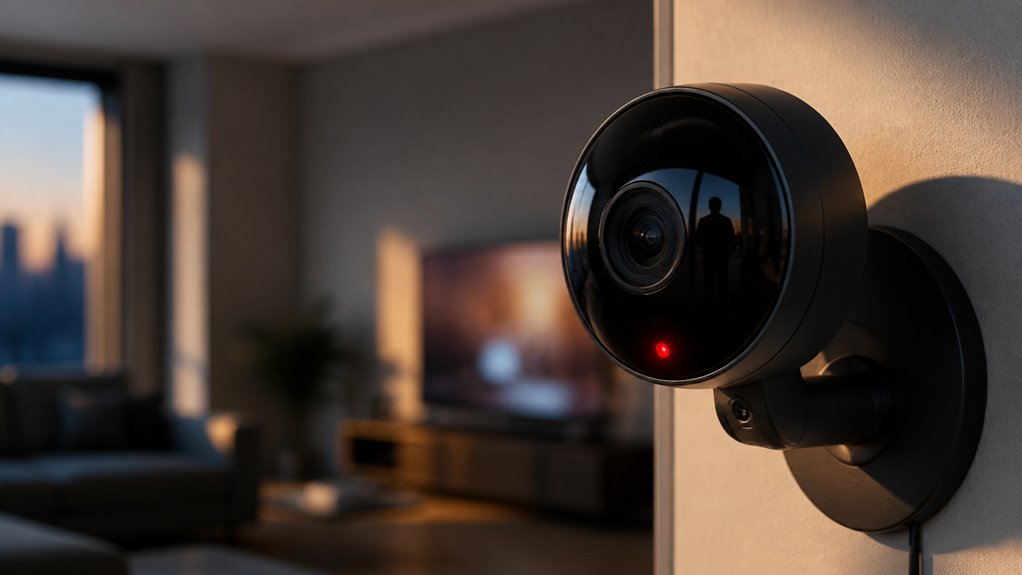
Additionally, hidden devices such as third-party concealed cameras disguised as smoke detectors can raise significant privacy and legal concerns.
Recording In Private Spaces
When recording audio in private spaces, you must recognize that these areas carry heightened legal protections against unauthorized interception.
Audio recording in locations like restrooms, bedrooms, or break rooms typically violates privacy laws, especially in two-party consent states.
To avoid illegal recording, carefully consider:
Restrooms and locker rooms, where privacy is explicitly protected.
Private offices or conference rooms without explicit consent.
Employee break areas lacking clear audio recording disclosure.
Personal living spaces, including bedrooms and family rooms.
Areas where occupants have a reasonable expectation of privacy.
Recording in these spaces without all-party consent may result in severe legal consequences.
Always evaluate the context and obtain necessary permissions before capturing audio in private settings.
This ensures compliance with federal and state regulations.
Additionally, understanding how privacy mechanisms like peephole covers function can highlight the importance of protecting sensitive environments from unauthorized surveillance.
Secret Audio Surveillance
Secret audio surveillance often crosses legal boundaries by capturing conversations without the knowledge or consent of all parties involved.
If you install audio recording on security cameras secretly, you risk violating federal and state laws, especially in two-party consent states requiring all participants’ approval.
Common illegal scenarios include recording private areas like break rooms, restrooms, or customer spaces without clear notice.
Even in one-party consent states, failing to guarantee at least one participant’s awareness can lead to legal penalties.
To avoid liability, disable audio recording if you lack explicit consent or visible warning signs.
Always consult applicable laws and notify individuals when audio surveillance is in use.
Secret audio recording undermines privacy rights and can result in substantial fines or criminal charges under the Wiretap Act and related statutes.
Using devices with advanced smart features can help monitor and manage audio recording compliance legally.
How To Legally Record Audio At Work With Security Cameras?
If you’re thinking about recording audio at work, it’s really important to get clear consent from your employees. This can be done either in writing or verbally, depending on what your state laws require.
And don’t forget about transparency! It’s a good idea to put up visible signs around the workplace that let everyone know audio surveillance is happening. These steps not only help you stay compliant with the law but also show that you respect privacy rights. This way, you can minimize any potential legal risks while keeping things above board.
Additionally, consider the limitations of offline recording when planning your audio surveillance setup to ensure compliance and proper data management.
Employee Consent Requirements
Although recording audio at work can enhance security, you must obtain explicit employee consent to comply with legal requirements. Federal and state laws vary, especially between one-party and two-party consent states, impacting what you must do.
To lawfully record audio, make certain you:
- Obtain written or verbal consent from all employees in two-party consent states.
- Secure at least one party’s consent in one-party consent states.
- Clearly communicate the purpose and scope of recording.
- Include audio recording policies in employee handbooks.
- Maintain records of consent for legal protection.
Failing to meet these requirements can result in severe penalties, including fines or imprisonment. You should carefully review applicable laws and consistently apply consent protocols to avoid legal risks when using security cameras with audio recording at work.
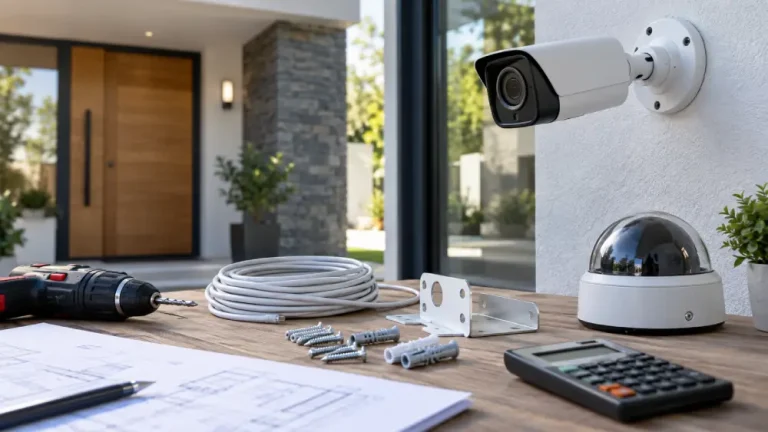
Proper placement and installation of recording devices is also essential to ensure effectiveness and legal compliance.
Notice and Transparency
When implementing audio recording on security cameras, you must provide clear and conspicuous notice to all individuals in the monitored area. This transparency guarantees compliance with federal and state laws, especially in two-party consent states.
Proper notification mitigates legal risks by informing employees and visitors about surveillance. It fosters trust and avoids claims of covert recording.
| Notice Type | Purpose | Legal Effect |
|---|---|---|
| Visible Signage | Alerts presence of audio/video | Satisfies notice requirements |
| Written Consent | Formalizes agreement | Strengthens legal defense |
| Employee Handbook | Records policy acknowledgment | Demonstrates organizational intent |
Additionally, ensuring cameras have unique UIDs for secure identification within integrated smart platforms enhances the integrity and security of recorded data.
Best Practices For Audio Recording Compliance
Making certain compliance with audio recording laws requires you to carefully assess federal, state, and local regulations before installing or using security cameras with audio capabilities. To minimize legal risks, follow these best practices:
Verify whether your state mandates one-party or all-party consent for audio recording.
Check if your state requires one-party or all-party consent before recording audio.
Provide clear, visible notice indicating audio and video surveillance presence.
Obtain explicit written or verbal consent from individuals in private or semi-private areas.
Consider disabling audio recording if legal requirements are unclear or consent is impractical.
Regularly review and update your compliance policies to reflect changes in laws and technology.
Adhering to these guidelines helps guarantee lawful use of audio-enabled security devices while respecting privacy rights and avoiding penalties associated with unlawful recordings. Additionally, implementing redundant communication channels can help ensure the reliability and security of your surveillance system’s data transmission.
Summary Of Key Audio Recording Rules And Tips
Because audio recording laws vary widely by jurisdiction, you must carefully determine whether your state requires one-party or all-party consent before activating audio on security cameras.
Federal law mandates one-party consent, but several states require all parties to agree. To comply, always verify local rules and consider disabling audio if uncertain.
Provide clear, visible notice of audio surveillance, especially in workplaces and customer areas, to mitigate legal risks. Obtain explicit verbal or written consent when necessary, particularly in private or semi-private settings.
Avoid recording in areas with high privacy expectations, such as restrooms or break rooms. Finally, keep abreast of evolving regulations and consult legal counsel to ensure your surveillance practices remain lawful and transparent.
This approach minimizes potential penalties for unauthorized audio recording. Remember that unauthorized surveillance can lead to civil liability if it directly causes harm or infringes on privacy rights.
Frequently Asked Questions
Can I Record Audio on My Private Property Without Consent?
You can record audio on your private property if you or one party involved consents, as federal law requires one-party consent for recordings.
However, if your state mandates all-party consent, you must obtain permission from everyone recorded.
To avoid legal issues, notify individuals with clear signs or seek written consent.
Recording in private areas without consent can lead to penalties, so always verify your state’s specific laws before activating audio recording.
Are Audio Recordings From Security Cameras Admissible in Court?
Like a telegram delivering pivotal news, audio recordings from security cameras can be admissible in court if they comply with consent laws.
You must guarantee recordings meet one- or all-party consent requirements depending on jurisdiction.
Courts scrutinize legality, authenticity, and relevance.
Illegally obtained audio risks exclusion and penalties.
To strengthen admissibility, you should maintain clear consent documentation, avoid secret recordings, and comply with federal and state regulations.
How Do Laws Differ for Audio Recording in Rental Properties?
Laws on audio recording in rental properties vary by jurisdiction.
You must obtain consent from all parties in two-party consent states before recording audio in private areas like inside rental units.
In one-party consent states, you only need one participant’s approval.
However, recording common areas typically requires clear notice.
To avoid legal issues, you should inform tenants explicitly, post visible signage, and disable audio recording if unsure about consent requirements.
Is It Legal to Record Audio in Public Parks With Cameras?
You generally can’t record audio in public parks without consent, as federal law and many states require one-party or all-party consent for audio recordings.
Even though parks are public, people expect privacy in conversations. Video alone is usually allowed, but capturing audio secretly risks legal penalties.
To comply, disable audio or post clear notices if recording audio. Always check local laws before installing cameras in public spaces.
What Are the Penalties for Accidental Illegal Audio Recording?
Imagine walking through a garden where a hidden thorn pricks you unexpectedly. That’s what accidental illegal audio recording feels like.
If you accidentally record audio without proper consent, you could face fines or even imprisonment under federal and state laws.
Penalties vary by jurisdiction but typically include hefty financial sanctions and criminal charges.
To avoid these, you need to implement clear consent procedures and disable audio when unsure. This ensures strict legal compliance.
Stay Legal and Confident with Security Camera Audio Recording
Steering audio recording laws on security cameras might seem like walking a tightrope, but with clear knowledge, you can stay balanced.
You must understand both federal and state regulations, avoid common illegal scenarios, and guarantee transparent consent, especially at work.
Following best practices isn’t just about legality; it protects privacy and trust. Keep these key rules in mind, and you’ll confidently record audio without crossing legal boundaries.