
Yes, you can have a carbon monoxide leak without gas appliances.
Carbon monoxide forms when any carbon-based fuel burns incompletely.
Sources like wood stoves, kerosene heaters, generators, and vehicle exhaust can create dangerous CO levels.
CO can also enter your home through attached garages or blocked vents.
Since CO is odorless and colorless, it can build up undetected.
Understanding how CO arises without gas helps you take necessary precautions to keep your home safe.
Key Takeaways
- Carbon monoxide leaks can occur without natural gas, from incomplete combustion of wood, kerosene, oil, charcoal, or propane fuels.
- Vehicle exhaust from attached garages can infiltrate homes and cause CO buildup without any gas appliances involved.
- Blocked chimneys, flues, or vents from any combustion source can cause dangerous CO backdrafts indoors.
- Generators, grills, and other fuel-powered devices emit CO that can enter living spaces even without gas usage.
- External CO sources like nearby exhaust and outdoor combustion can intrude through cracks and openings in the home.
What Is Carbon Monoxide and How It’s Produced in Homes?
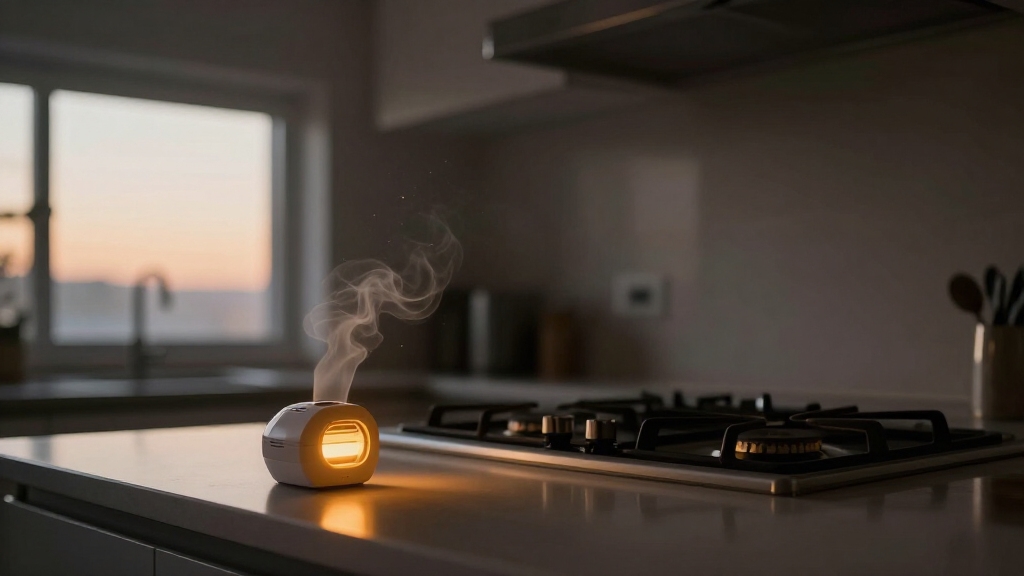
Understanding carbon monoxide (CO) starts with recognizing that it’s a colorless, odorless gas produced by the incomplete combustion of carbon-containing fuels.
Carbon monoxide is a colorless, odorless gas formed when carbon fuels burn without enough oxygen.
When fuels like wood, charcoal, kerosene, oil, propane, gasoline, or other hydrocarbons burn without sufficient oxygen, CO forms instead of carbon dioxide.
CO results from chemical reactions that break down carbon molecules partially, releasing this toxic gas.
In your home, any device or process involving fuel combustion can generate CO if venting is inefficient or maintenance is poor.
This includes fireplaces, wood stoves, heaters, and exhaust from vehicles or generators.
Because CO is undetectable by human senses, understanding its production mechanisms is critical to preventing dangerous indoor accumulation and exposure.
Regular maintenance and ensuring adequate ventilation for combustion appliances help prevent CO buildup that can trigger alarms and pose health risks.
How Carbon Monoxide Occurs Without Gas Appliances?
You might think that carbon monoxide only comes from gas appliances, but that’s actually not the whole story. In fact, incomplete combustion of fuels like wood, charcoal, or kerosene can also produce carbon monoxide, especially when ventilation is lacking or maintenance isn’t up to par.
It’s pretty eye-opening, right? Just because you don’t have gas appliances doesn’t mean you’re in the clear. Understanding these alternative sources is super important. And remember, ensuring proper venting can make all the difference in preventing dangerous CO buildup in your home. So, keep an eye on those other fuel sources too! Regular maintenance, including cleaning ash and creosote, helps prevent restricted airflow and incomplete combustion, minimizing carbon monoxide production.
Alternative CO Sources
Carbon monoxide can build up inside your home even if you don’t have natural gas appliances.
CO forms whenever carbon-based fuels burn incompletely, so sources like wood-burning stoves, charcoal grills, kerosene heaters, oil furnaces, and propane devices can emit it.
Vehicle exhaust from an attached garage is a common non-gas source, as is generator exhaust near or within your home.
Even electric homes face risk if combustion products enter from outside or nearby fuel-burning equipment.
The presence of CO depends on any fuel burning or exhaust intrusion, not just gas appliances.
Recognizing these alternative sources is vital for accurate hazard assessment. CO alarms may indicate problems unrelated to natural gas leaks but still pose serious health risks.
It is important to understand that electric furnaces do not produce carbon monoxide themselves because they operate without combustion.
Ventilation And Maintenance
Alternative sources of carbon monoxide highlight the importance of how ventilation and maintenance influence indoor air quality, especially in homes without gas appliances.
You must make certain all combustion appliances, such as wood stoves or kerosene heaters, have clear, unobstructed vents to prevent CO accumulation.
Regularly inspect and clean chimneys, flues, and vent pipes to avoid blockages or leaks that could direct CO indoors.
Even attached garages pose risks; vehicle exhaust can infiltrate living spaces if ventilation is inadequate.
Maintenance failures, like cracked flue piping or loose vent connections, increase CO exposure risks.
You should schedule annual professional inspections and promptly repair any damage to combustion systems and venting components.
Proper ventilation and consistent upkeep are critical to preventing CO buildup from non-gas combustion sources and safeguarding your home environment.
Electric dryers do not produce carbon monoxide during normal operation because they do not involve combustion, but proper venting and maintenance remain essential to prevent indirect CO risks such as those caused by fire.
Common Non-Gas Sources of Carbon Monoxide in Homes
Watch out for hidden sources of carbon monoxide that don’t involve natural gas appliances, as they can still pose serious risks.
Carbon monoxide forms from incomplete combustion of fuels like wood, charcoal, kerosene, oil, propane, or gasoline.
Wood-burning stoves and fireplaces can emit CO if venting is blocked or combustion is inefficient.
Kerosene heaters and oil-burning furnaces also produce CO, especially when poorly maintained.
Charcoal grills used indoors or near home openings release dangerous CO levels.
Even generator exhaust or vehicle emissions from attached garages can infiltrate living spaces.
Since CO is odorless and colorless, you must rely on detectors and proper maintenance to identify risks.
Regular inspection and cleaning of combustion appliances, chimneys, and vents are essential to prevent CO buildup from these non-gas sources.
For effective protection, it is crucial to mount CO detectors on every floor near sleeping areas to ensure early detection and timely alerts.
Why Attached Garages Can Let Carbon Monoxide Into Your Home?
Did you know that the exhaust from your car in an attached garage can actually find its way into your living space? It’s a pretty serious carbon monoxide risk.
You mightn’t think about it, but there are all these little gaps, cracks, and vents in your home that can act like highways for those toxic gases to sneak in. Proper ventilation and sealing these entry points are crucial to prevent dangerous gas infiltration from attached garages.
Understanding preventive habits can help protect your home from harmful air contaminants.
Garage Vehicle Exhaust Risks
Although your garage may seem separate from your living space, vehicle exhaust containing carbon monoxide (CO) can easily infiltrate your home through gaps, cracks, or shared ventilation.
Running vehicles inside the garage produce CO, a colorless, odorless gas that accumulates rapidly, especially in enclosed or partially sealed garages.
Even with the garage door open, exhaust can enter living areas via doorways, wall penetrations, or HVAC system ducts connecting the garage to the home.
Poor sealing and inadequate ventilation increase CO migration risks.
To minimize exposure, make certain proper weather stripping on doors, seal openings between the garage and house, and avoid idling vehicles in the garage.
Regular inspection of these barriers and ventilation systems is essential to prevent dangerous CO buildup and protect occupants from toxic exposure.
Central HVAC systems can circulate carbon monoxide throughout the home if ducts connect to or are near the garage, increasing the risk of CO infiltration.
Home Air Infiltration Pathways
Vehicle exhaust from attached garages poses a significant carbon monoxide risk. Air can easily move from the garage into living spaces through a variety of pathways.
Gaps around door frames, cracks in walls, and poorly sealed utility penetrations create channels for CO to infiltrate your home. Even small openings near electrical outlets, plumbing, or HVAC ducts can allow contaminated air to enter.
Negative pressure created inside your living space by exhaust fans or heating systems can draw garage air inward. To minimize this risk, make certain all potential infiltration points are properly sealed.
Maintain positive pressure balance when possible. Understanding these pathways helps you recognize that attached garages pose a hidden CO hazard, even without direct combustion appliances inside your home.
Installing carbon monoxide alarms near attached garages is essential for early detection and safety.
Why Poor Venting and Maintenance Lead to Carbon Monoxide?
When chimneys become clogged or flue piping cracks, combustion gases fail to vent properly and carbon monoxide can accumulate indoors.
Clogged chimneys or cracked flue pipes prevent proper venting, allowing dangerous carbon monoxide to build up indoors.
You need to understand that blocked or damaged venting disrupts the safe exhaust of combustion byproducts.
This causes incomplete combustion, increasing CO production.
If your fireplace flue is dirty or your furnace’s vent pipe has gaps, CO can leak into living spaces instead of exiting outdoors.
Regular maintenance, including annual inspections and cleaning, is essential to prevent buildup.
Neglecting these steps allows soot, creosote, and debris to obstruct airflow.
Mechanical wear can cause cracks or loose connections.
Using continuous monitoring devices can help detect dangerous gas accumulations early to prevent CO poisoning.
How Outdoor Exhaust Causes Carbon Monoxide Indoors?
In spaces connected to your home, such as attached garages or near entryways, outdoor exhaust can seep indoors and introduce dangerous carbon monoxide levels.
Vehicle engines running in garages, even with doors open, emit CO that can infiltrate your living areas through gaps, vents, or cracks.
Similarly, portable generators or outdoor grills positioned too close to windows or doors can allow exhaust to enter your home’s air.
This infiltration occurs because CO molecules travel through poorly sealed building envelopes, accumulating in enclosed or semi-enclosed spaces.
To prevent this, make sure garages are well-ventilated and avoid running fuel-burning equipment near openings.
Proper sealing of entry points and regular inspection of attached structures minimize the risk of CO intrusion from outdoor exhaust.
This protects your indoor air quality and safety.
Additionally, integrating fire detectors and sensors can help detect elevated carbon monoxide levels early to protect occupants.
Warning Signs of Carbon Monoxide Without Gas Appliances
You might start feeling some unusual symptoms, like headaches, dizziness, or nausea—even if you don’t have any gas appliances in your home.
It’s important to take these signs seriously. If your CO alarm goes off, don’t ignore it! Get out of the house right away and call emergency services.
Also, keep an eye out for signs of ventilation issues. Things like soot buildup, stale air, or excessive condensation can all hint at hidden carbon monoxide problems.
It’s better to be safe and get these things checked out!
Unusual Symptoms And Effects
Although carbon monoxide (CO) lacks odor and color, its presence triggers distinct physiological symptoms that you should recognize promptly.
Early signs include headache, dizziness, nausea, fatigue, and shortness of breath. These often mimic flu but worsen with continued exposure.
You may also experience confusion, impaired judgment, and visual disturbances, indicating elevated CO levels affecting oxygen delivery to essential organs.
Prolonged exposure can lead to loss of consciousness, arrhythmias, and even death.
Because these symptoms occur without gas appliances, consider alternative CO sources like wood stoves, vehicle exhaust, or generators.
If you notice these unexplained symptoms, especially improving outdoors, evacuate immediately and seek fresh air.
Prompt recognition and action are critical to prevent severe CO poisoning and its potentially irreversible effects.
Alarm Activation Protocol
When a carbon monoxide alarm sounds in a home without gas appliances, don’t dismiss it as a false alert. The signal indicates a potentially dangerous presence of CO from alternative sources such as vehicle exhaust, wood-burning devices, or generators.
You must treat every alarm activation seriously and act immediately to guarantee safety. Follow this protocol:
- Evacuate all occupants promptly and move to fresh air outside the building.
- Call emergency services or the fire department to report the alarm and request professional assessment.
- Don’t re-enter the home until a qualified technician inspects and confirms that CO levels are safe and the source is eliminated or repaired.
Ignoring alarms risks severe health consequences. Proper response reduces the danger from non-gas combustion sources producing carbon monoxide indoors.
Signs Of Ventilation Issues
Since carbon monoxide is odorless and colorless, detecting ventilation issues early relies heavily on recognizing subtle signs and symptoms that suggest incomplete combustion or exhaust intrusion.
You should watch for persistent soot buildup around fireplaces, stove vents, or chimneys, which indicates poor draft or blockage. Notice any lingering odors resembling exhaust or unusual staining on walls near combustion appliances.
If you experience unexplained headaches, dizziness, or nausea indoors, ventilation problems could be allowing CO accumulation. Additionally, observe if fuel-burning devices produce yellow, flickering flames instead of blue, signaling incomplete combustion.
Inspect vent pipes for cracks, loose fittings, or obstructions that could leak exhaust gases. Promptly addressing these warning signs by consulting a qualified technician helps prevent dangerous CO exposure even without natural gas appliances.
Immediate Steps If Your CO Alarm Sounds Without Gas
If your carbon monoxide alarm sounds and you don’t have gas appliances, treat the warning as a serious safety threat.
A carbon monoxide alarm is a serious warning, even without gas appliances—never ignore it.
Carbon monoxide can originate from various sources, including vehicle exhaust, wood stoves, or malfunctioning fuel-burning devices. You must act immediately to protect yourself and others.
Follow these steps:
- Evacuate the premises immediately, ensuring all occupants leave the building to avoid exposure.
- Call emergency services or the fire department from a safe location to report the alarm and request assistance.
- Do not re-enter the home until a qualified professional inspects and resolves the source of CO, confirming safe conditions.
Ignoring a CO alarm, even without gas, can be life-threatening due to carbon monoxide’s odorless, colorless nature and rapid toxicity.
How to Prevent Carbon Monoxide Exposure Without Natural Gas?
Even without natural gas appliances, you must remain vigilant about carbon monoxide exposure by implementing targeted prevention measures.
Install carbon monoxide detectors on every level of your home, especially near sleeping areas, and test them regularly.
Maintain and clean all combustion appliances such as wood stoves, kerosene heaters, and oil furnaces annually to ensure proper function and venting.
Avoid running vehicles, generators, or charcoal grills in attached garages or enclosed spaces to prevent exhaust infiltration.
Inspect chimneys, flues, and vents for blockages or damage that could cause CO backdrafts.
Seal cracks and openings around your home’s envelope to minimize outdoor exhaust entry.
Why Regular Carbon Monoxide Inspections Matter Without Gas Service?
Although your home lacks natural gas service, regular carbon monoxide inspections remain essential for ensuring safety.
Carbon monoxide can originate from incomplete combustion of alternative fuels or from external sources like vehicle exhaust. Neglecting inspections increases the risk of undetected CO buildup, which is odorless and colorless.
You should prioritize inspections because:
- Fuel-burning appliances such as wood stoves or kerosene heaters can emit CO if poorly maintained or vented.
- Attached garages and generators may introduce CO into living spaces through cracks or vents.
- Blocked or damaged chimneys and flue systems can cause CO to backdraft indoors.
Routine professional inspections identify and mitigate these risks, ensuring your home’s ventilation and combustion systems operate safely and effectively.
Frequently Asked Questions
Can Carbon Monoxide Build up From Electric Appliances During a Power Surge?
No, carbon monoxide won’t build up from electric appliances during a power surge because they don’t burn fuel.
CO forms only when carbon-based fuels combust incompletely. However, if you use a backup generator or fuel-burning device during an outage, those can produce CO.
Always keep combustion appliances well-ventilated and install CO detectors to stay safe.
This is especially important if you rely on gas, wood, or fuel-based backup systems during power issues.
Is Carbon Monoxide Exposure Possible From Neighbors’ Fuel-Burning Appliances?
Yes, you can be exposed to carbon monoxide from neighbors’ fuel-burning appliances if their exhaust enters your home through shared walls, windows, or ventilation systems.
CO is odorless and can seep indoors via cracks or vents, especially in attached buildings.
To protect yourself, make certain your home is well-sealed.
Install CO detectors near sleeping areas, and notify professionals if you suspect CO infiltration from nearby sources.
How Long Does Carbon Monoxide Stay in the Air After a Source Is Removed?
Well, carbon monoxide isn’t exactly a clingy guest. It usually clears out within a few hours once the source is gone and ventilation kicks in.
But don’t get too cozy; CO can linger longer in poorly ventilated spaces. You should open windows and run fans to speed clearance.
Can Carbon Monoxide Detectors Give False Alarms Without Any Fuel-Burning Source?
Yes, carbon monoxide detectors can give false alarms even without a fuel-burning source.
Factors like low batteries, sensor malfunctions, high humidity, or exposure to chemicals such as cleaning agents can trigger alerts.
You should never ignore an alarm; instead, test the detector, replace batteries, and ensure proper placement away from humidity or fumes.
If the alarm persists, contact a professional to inspect both the detector and your home’s environment.
Are There Seasonal Risks for Carbon Monoxide Buildup Without Natural Gas?
Yes, you face higher carbon monoxide risks in colder seasons even without natural gas.
Winter prompts increased use of wood stoves, kerosene heaters, and fireplaces, which can produce CO if ventilation is poor.
You might also run generators indoors during outages, raising CO levels.
Make certain chimneys and vents are clear, maintain combustion appliances annually, and never operate fuel-burning devices in enclosed spaces to minimize seasonal CO buildup risks effectively.
Final Answer: Can You Have a Carbon Monoxide Leak Without Gas?
Think of carbon monoxide as an invisible shadow lurking where you least expect it. No gas appliances are required for its presence, which signals unseen cracks in your home’s safety.
Like faint smoke hinting at a distant fire, understanding non-gas sources and ensuring proper ventilation and maintenance is crucial. You hold the key to dispelling this silent threat.
Regular inspections act as your guiding light, keeping your home’s atmosphere clear and your family safe from harm’s quietest danger.