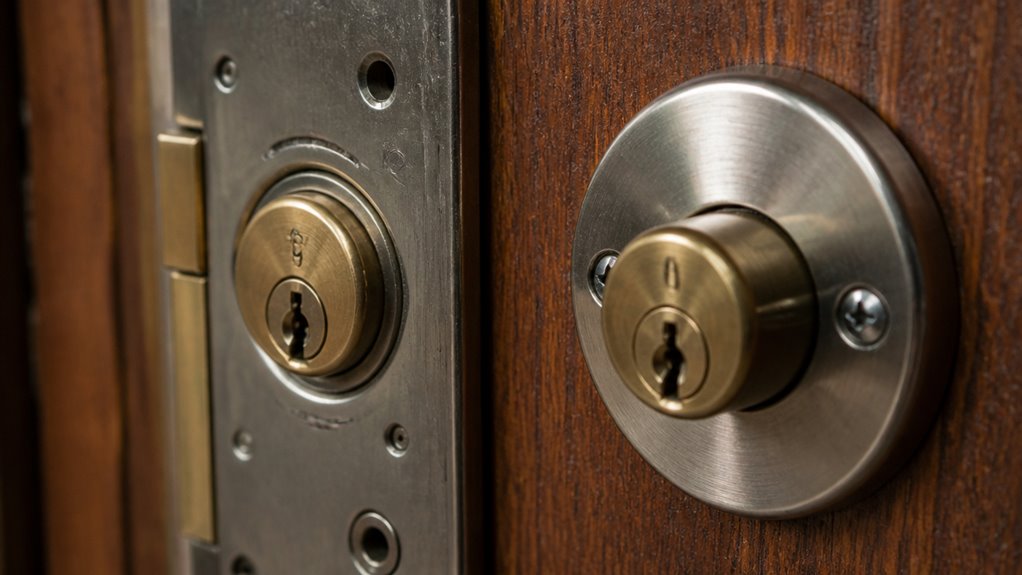

When choosing between mortise and rim cylinders, focus on their mounting and operation: mortise cylinders fit inside threaded mortise lock bodies and use a cam to engage the mechanism. They offer recessed, durable, and secure installation ideal for heavy use.
Rim cylinders mount on the door surface with screws and use a tailpiece to actuate surface-mounted hardware. This makes them easier to install but more exposed to wear and environmental damage.
Understanding these differences guarantees you pick the right cylinder for your lock type and security needs. Exploring further reveals the detailed mechanics and applications.
Key Takeaways
- Mortise cylinders mount inside a mortise lock body and use a cam to engage the lock, while rim cylinders mount on the door surface using a tailpiece.
- Mortise cylinders offer superior durability and protection due to recessed mounting; rim cylinders are easier to install but more exposed to environmental damage.
- Mortise cylinders suit heavy-duty, high-traffic applications; rim cylinders are ideal for retrofit or surface-mounted hardware like exit devices or night latches.
- The fundamental difference lies in the rear interface: cams for mortise cylinders versus tailpieces for rim cylinders, affecting compatibility and function.
- Selection depends on lock type, mounting style, environmental exposure, and correct cam or tailpiece specifications for reliable operation.
Mortise Cylinder vs Rim Cylinder: Key Differences
The article explains that mortise cylinders use recessed, threaded mounting and a cam, while rim cylinders use surface mounting and a tailpiece. Their differences affect installation, durability, environmental exposure, and hardware compatibility.
| Feature | Mortise Cylinder | Rim Cylinder |
|---|---|---|
| Mounting | Recessed/internal mounting inside a mortise lock body | Surface-mounted on the door |
| Rear interface | Uses a cam to engage the lock mechanism | Uses a tailpiece to actuate the hardware |
| Installation | Requires a compatible threaded lock body and precise preparation | Generally easier to install with long mounting screws |
| Security | Strong internal mounting offers greater protection against tampering | More externally exposed because of surface mounting |
| Durability | Well suited to heavy use and high-traffic areas | Better suited to retrofit and surface-mounted applications |
| Weather exposure | Less exposed because the cylinder is recessed | More exposed to moisture, dust, and temperature changes |
| Common uses | Mortise locks, keyed lever trims, keyswitches, exit devices | Night latches, panic bars, rim locks, and exit hardware |
| Best suited for | Applications prioritizing durability and integrated security | Applications needing simple surface installation or retrofit |
What Are Mortise and Rim Cylinders?
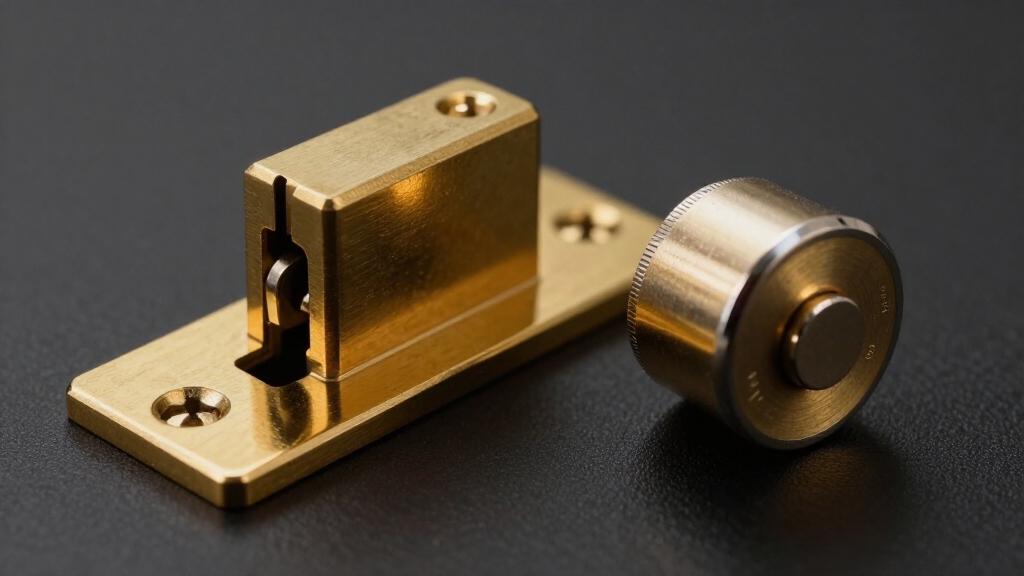
When selecting lock cylinders, you’ll encounter two main types: mortise cylinders and rim cylinders.
Mortise cylinders fit into a threaded opening within a mortise lock body, secured typically by a cylinder nut or set screw. They operate via a cam on the back that rotates to engage the lock mechanism, moving inward or downward within the door assembly.
Rim cylinders, by contrast, are designed for surface-mounted rim locks or exit devices. They use a tailpiece on the back that rotates to actuate the lock, moving backward behind the door. Rim cylinders are fastened with two long screws passing through the door.
Both cylinder types differ fundamentally in their rear hardware and interface with the lock body, dictating their suitability for specific locking hardware and applications. For enhanced security, choosing locks with reinforced mounting hardware is recommended to improve resistance against forced entry and tampering.
Key Differences in Mounting and Installation
In comparing mortise and rim cylinders, their mounting and installation methods stand out as critical distinctions that affect compatibility and security.
Mortise cylinders mount inside a mortise pocket within the door or lock body, secured typically by a cylinder nut or set screw threading onto the cylinder’s body. This internal installation demands precise door preparation and compatible lock cases.
Mortise cylinders fit inside a mortise pocket, secured by a nut or set screw for precise, internal installation.
Rim cylinders, in contrast, mount on the door’s surface and are fastened by two long screws passing through the door, anchoring the cylinder to a surface-mounted rim lock or exit device. This method simplifies installation but exposes the cylinder externally.
When selecting between them, you must consider the door’s preparation type, mounting hardware, and whether the application requires embedded or surface-mounted locking components to assure proper fit and security.
For enhanced protection, incorporating high-security cylinders with anti-pick and anti-drill technologies is recommended regardless of the cylinder type chosen.
How Mortise and Rim Cylinders Operate?
How do mortise and rim cylinders translate your key’s turn into a locking action?
In a mortise cylinder, turning the key rotates an internal cam. This cam moves downward or inward within the lock body, engaging or disengaging the locking mechanism precisely.
In contrast, a rim cylinder uses a tailpiece attached to the key plug that rotates backward behind the door. This rotation actuates the surface-mounted rim lock or exit device.
While both rely on your key’s rotational input, the critical difference lies in their interface points. The cam for mortise cylinders interacts internally within a threaded lock case.
Meanwhile, the rim cylinder’s tailpiece operates externally on surface-mounted hardware. Understanding this distinction guarantees you select the correct cylinder type for your lock’s operational design.
Mortise cylinders are often part of a more complex and durable locking system with embedded steel cases that enhance security and longevity.
Common Applications for Mortise and Rim Cylinders
Understanding the distinct mechanisms of mortise and rim cylinders helps clarify their ideal use cases.
You’ll find mortise cylinders chiefly in keyed lever trims, mortise locks, keyswitches, and cylinder dogging on exit devices. Their cam-driven design suits applications requiring integration within heavy-duty lock bodies, typically recessed inside the door or lock case.
In contrast, rim cylinders work best with surface-mounted hardware like keyed pull trims, residential deadbolts, exit control locks, panic bars, and surface-mounted night latches. Their tailpiece mechanism activates rim locks or exit devices externally, making them ideal where retrofit or surface installation is necessary.
When selecting, focus on whether your hardware requires a cam or tailpiece interface. Also, consider the mounting style—embedded for mortise or surface-mounted for rim cylinders.
For enhanced security integration, consider pairing these cylinders with wired door sensors that provide reliable mechanical detection without power requirements.
Security and Durability: Mortise vs Rim Cylinders
When you’re looking at security and durability, mortise cylinders really stand out. They provide superior protection thanks to their internal mounting and strong integration with heavy-duty lock bodies. This design minimizes exposure to the elements and makes them tougher against forced entry.
On the flip side, you’ve got rim cylinders. They’re definitely easier to install, but they sit right on the door’s surface. This means they rely on just a couple of long screws, which can make them a bit more vulnerable, especially in harsh conditions or high-traffic areas. Properly matching the hinge dimensions to the door’s size and weight is crucial to ensure overall door security and durability.
Exposure To Weather
In exterior installations, rim cylinders face greater exposure to weather elements than mortise cylinders. Since rim cylinders mount on the door surface, they’re directly subjected to rain, snow, dust, and temperature fluctuations.
This exposure can accelerate corrosion and wear, potentially compromising lock performance over time. Mortise cylinders, installed within a mortise pocket and secured inside the door or lock case, benefit from inherent protection against weather.
Their recessed positioning shields the cylinder and its cam mechanism from direct environmental impact, enhancing longevity and reliability. When selecting between these cylinder types for outdoor use, consider the additional weatherproofing requirements of rim cylinders.
Options like weather-resistant finishes or protective covers can help mitigate exposure risks and maintain durability in harsh conditions. Additionally, incorporating hardened steel anti-drill plates can further enhance security and resistance to physical tampering in exposed environments.
Mounting Security Differences
Although both mortise and rim cylinders secure doors effectively, their mounting methods create distinct differences in security.
You’ll find mortise cylinders inserted into a threaded opening and anchored by a cylinder nut or set screw. This provides a robust, concealed mount inside the door.
Rim cylinders, however, mount on the door’s surface and fasten with two long screws passing through the door, which can be more exposed.
Consider these mounting security characteristics:
Mortise cylinders sit recessed, reducing exposure to tampering or forced entry.
Rim cylinders’ surface mounting leaves them more vulnerable to physical attacks.
Dual screws on rim cylinders improve resistance but don’t fully match the internal securing strength of mortise cylinder nuts.
Understanding these differences helps you select the right cylinder for security-critical applications.
Mortise cylinders’ integration within the door edge contributes to reinforced construction and superior resistance to forced entry.
Durability In Heavy Use
Expect mortise cylinders to outperform rim cylinders in durability under heavy use due to their integration with robust mortise lock bodies and recessed mounting. This setup reduces exposure to physical impact and environmental elements, enhancing longevity.
Mortise cylinders sit flush within the door, supported by a threaded cylinder nut, which stabilizes the mechanism against frequent key turns and force. Rim cylinders, mounted on the door surface and secured by two long screws, face higher risks of mechanical wear and damage from external forces.
Their tailpiece-driven action, combined with surface exposure, makes them more susceptible to deformation over time. When selecting for heavy traffic areas, prioritize mortise cylinders to guarantee consistent performance and resistance to operational stress, especially in commercial or institutional environments demanding high durability. Like maintaining security devices, regular maintenance and inspection is essential to ensure continued reliability in high-use hardware.
How to Choose Between Mortise and Rim Cylinders?
Evaluate your door hardware setup carefully to determine whether a mortise or rim cylinder fits best. You need to assess the lock body type, mounting style, and mechanical interface.
Mortise cylinders suit threaded, cam-driven locks embedded within the door. Rim cylinders fit surface-mounted, tailpiece-driven hardware.
Consider these factors:
Lock body design: Mortise cylinders require a mortise pocket. Rim cylinders fit surface-mounted locks.
Operating mechanism: Confirm if your lock uses a cam (mortise) or tailpiece (rim) for compatibility.
Door thickness and mounting: Rim cylinders need screws that match door thickness. Mortise cylinders use cylinder nuts or set screws.
Choosing the correct cylinder type is crucial for ensuring durability and security aligned with your door hardware’s intended use.
Tips for Selecting the Right Cylinder for Your Lock
When it comes to choosing the right cylinder for your lock, the first thing you’ll want to do is check out your lock body type. This helps you figure out whether you need a mortise or rim cylinder. It’s a simple step, but it’s super important!
Next up, think about the mounting requirements. This means considering things like the thickness of your door and how you’ll be installing the lock. You want to make sure everything fits just right, so don’t skip this part!
And finally, don’t forget to verify the tailpiece or cam shape. This little detail is crucial for making sure your new cylinder works perfectly with your hardware. It’s all about compatibility!
Also, considering the durability and corrosion resistance of the cylinder material can help ensure long-lasting performance and security.
Assess Lock Body Type
Identify the lock body type before selecting a cylinder to guarantee compatibility and peak performance. The lock body determines the cylinder style, mounting method, and rear hardware interface you’ll need.
Mortise lock bodies require a cam-driven cylinder designed to fit into a threaded opening. Rim lock bodies need a tailpiece-driven cylinder for surface mounting.
Focus on these key aspects when evaluating the lock body type:
- Mounting style: mortise pockets for internal fit versus surface mounting for rim locks
- Operating mechanism: cam rotation inside the lock versus tailpiece rotation behind the door
- Securing method: cylinder nuts or set screws for mortise versus long screws through the door for rim
Consider Mounting Requirements
Once you confirm the lock body type, turn your attention to the mounting requirements for your cylinder selection.
Mortise cylinders fit inside threaded openings and secure with a cylinder nut or set screw, requiring a mortise pocket in the door.
Rim cylinders, however, mount on the door’s surface and fasten with two long screws passing through the door.
You’ll need to verify the door thickness and hole style to ensure the screws fit properly.
Also, consider the exposure: rim cylinders sit externally, which may impact durability and security.
Selecting the correct mounting style guarantees proper alignment and function.
Ignoring these requirements can lead to installation issues or compromised lock performance.
Precise measurement and compatibility checks are essential before ordering your cylinder.
Verify Tailpiece Or Cam
Confirm the exact tailpiece or cam shape your lock mechanism requires before selecting a cylinder. The tailpiece or cam is the interface between the cylinder and the locking mechanism, so matching its profile guarantees proper operation.
Mortise cylinders typically use cams that rotate downward or inward. Rim cylinders use tailpieces that rotate backward. When verifying, focus on:
- Tailpiece or cam length and thickness to fit the lock body
- Shape: flat, hooked, or stepped profiles for correct engagement
- Rotation direction and throw to actuate the mechanism fully
Selecting the wrong tailpiece or cam can cause binding or failure to lock. Always cross-reference manufacturer specifications or existing hardware to confirm compatibility. This precise verification step avoids costly replacements and guarantees smooth lock performance.
Frequently Asked Questions
Can Mortise and Rim Cylinders Be Rekeyed With the Same Key System?
Yes, you can rekey mortise and rim cylinders to the same key system, provided their pin stacks and keyways are compatible.
Both cylinder types use standard pin tumbler mechanisms, so a locksmith can configure them to operate with a common key.
However, you must verify the specific cam or tailpiece design matches your hardware. Always confirm compatibility before guaranteeing proper function across different lock types.
What Tools Are Needed for Removing a Stuck Mortise Cylinder?
To remove a stuck mortise cylinder, you’ll need a cylinder removal tool or plug follower, a flathead screwdriver, and possibly penetrating oil.
First, apply oil to loosen corrosion.
Then, remove the retaining screw or cylinder nut with the screwdriver.
Insert the removal tool or plug follower to push the cylinder out gently.
If it resists, tap lightly with a mallet while pulling.
Avoid forcing to prevent damage to the lock body or cylinder.
Do Rim Cylinders Require Regular Lubrication for Smooth Operation?
You mightn’t think about it, but yes, rim cylinders do require regular lubrication to keep their tailpiece mechanism smooth and prevent jamming.
Unlike some heavy-duty mortise cylinders that handle wear better, rim cylinders sit exposed on the door surface. This makes them more vulnerable to dirt and corrosion.
Applying a graphite or silicone-based lubricant every six months guarantees reliable key operation. It also prolongs cylinder life without attracting grime or damaging internal components.
How Do Weather Conditions Affect the Lifespan of Rim Cylinders?
Weather conditions can markedly shorten your rim cylinder’s lifespan.
Since rim cylinders sit on the door surface, they’re more exposed to moisture, temperature fluctuations, and debris.
This exposure can cause rust, corrosion, and internal wear, leading to sticking or failure.
To protect your rim cylinder, you should apply weather-resistant coatings and lubricate regularly.
Proper maintenance helps prevent weather-induced damage and guarantees reliable, long-term operation.
Are There Patented Designs Unique to Either Mortise or Rim Cylinders?
You might think all cylinders share similar designs, but patented innovations do exist unique to each type.
Mortise cylinders often feature patented cam mechanisms tailored for secure, threaded mounting in lock bodies.
Rim cylinders, meanwhile, have patented tailpiece configurations optimized for surface-mounted applications and ease of installation.
These specialized designs improve compatibility and security, so you’ll want to verify patent specifics when choosing components for your lock system.
Choose the Right Cylinder for Your Lock
When choosing between mortise and rim cylinders, you might not expect both to offer strong security, but they do, each in its own way.
You’ll find that mortise cylinders fit seamlessly into complex locks, while rim cylinders provide quick, surface-mounted solutions.
Understanding their mounting, operation, and applications guarantees you pick the right one for your needs.
So, don’t overlook the subtle differences; they could be exactly what secures your space most effectively.