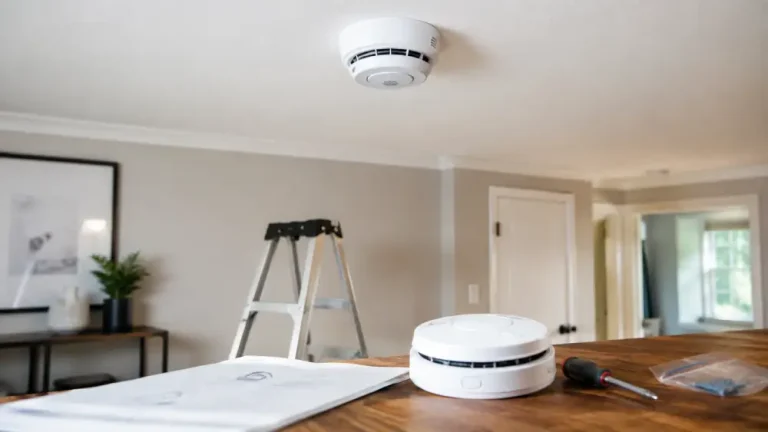

You don’t need to worry. Fire alarms don’t spray ink. They’re designed solely to detect smoke or heat and trigger audible and visual alerts for evacuation.
While some pull stations have tamper dye on their handles, this dye marks hands through contact, not by spraying. This mark helps identify false alarms but isn’t dispersed into the air.
If you want to understand why this myth started and how these devices actually work, keep exploring the facts.
Key Takeaways
- Fire alarms do not have any internal mechanisms to spray ink or any liquid when activated.
- Pull stations may have tamper dye on handles that stains hands on contact, but do not spray it.
- Tamper dye is applied directly to the handle to deter false alarms and identify misuse.
- The purpose of fire alarms is to alert occupants with audible and visual signals, not to mark individuals.
- The myth of ink spraying originated from confusion and prank prevention tactics, but it lacks factual basis.
Origins of the Fire Alarm Ink Spray Myth
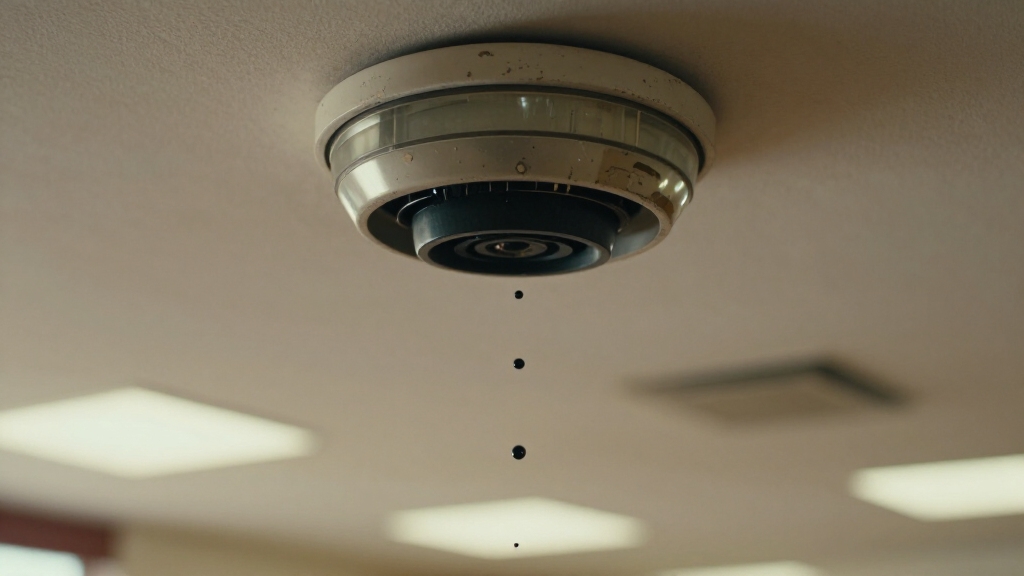
Although it may seem believable, the idea that fire alarms spray ink actually began as a misunderstanding rooted in prank prevention tactics.
The belief that fire alarms spray ink stems from a prank prevention misunderstanding.
You might hear stories about stained hands after pulling a fire alarm, but this usually comes from tamper dye applied directly on handles to discourage false activations.
Over time, these accounts morphed into rumors of ink being sprayed into the air.
The confusion between a hand-staining dye and an actual spray mechanism helped spread this myth.
Online forums and repeated anecdotes further solidified the misconception without any factual basis.
This myth persists because it sounds plausible in schools or public buildings, where prank prevention is a concern.
In reality, fire alarms focus solely on alerting occupants, not marking individuals.
Proper reset procedures and understanding the different pull station types help maintain fire alarm system reliability and reduce false alarms.
Do Fire Alarms Spray Ink? The Truth Explained
When you pull a fire alarm, you won’t find ink spraying from the device. This is simply not how fire alarms operate.
Fire alarms detect smoke or heat and trigger alerts, not release ink. The idea of ink spraying is a myth, likely stemming from confusion with tamper dyes that mark hands discreetly.
These dyes don’t spray ink but leave a stain to deter false alarms.
| Feature | Fire Alarm Pull Stations | Security Ink Spray Devices |
|---|---|---|
| Purpose | Alert occupants | Mark intruders |
| Ink Spray | No | Yes |
| Tamper Dye | Sometimes on handle | Yes |
| Activation Result | Audible/visual alarm | Visible/invisible marking |
| Emergency Function | Evacuation alert | Crime deterrent |
Fire alarms focus on safety, not tagging people with ink. Covering or tampering with fire alarms is illegal in many areas due to the serious safety risks involved, including potential criminal liability.
How Fire Alarm Pull Stations Really Work?
Understanding the real function of fire alarm pull stations helps clarify how they contribute to building safety.
Grasping the true role of fire alarm pull stations highlights their importance in ensuring building safety.
When you pull a fire alarm station, you manually activate the building’s fire alarm system. This triggers audible alarms and flashing lights to warn occupants of a potential emergency.
The activation may also send automated alerts to security personnel or emergency responders, ensuring a rapid response. Pull stations are designed to be simple, reliable devices that prioritize alerting people over any punitive or marking function.
You won’t find any ink-spraying or liquid-dispensing mechanisms inside these units. Instead, their sole purpose is to initiate evacuation procedures and help protect lives by signaling danger clearly and quickly.
They are typically mounted within 5 feet of exits and at a standardized height for easy accessibility during emergencies.
How Tamper Dye Marks False Fire Alarm Activations?
Because false fire alarm activations can cause serious disruptions, some systems use tamper dye to discourage misuse. When you pull the alarm improperly, the handle transfers a visible dye to your hand. This makes it easy to identify false activations.
This dye is applied directly to the handle, not sprayed into the air. This ensures a clear link between the user and the misuse.
| Feature | Application Site | Purpose |
|---|---|---|
| Tamper Dye | Alarm handle | Mark false activators |
| UV-Visible Dye | Handle surface | Invisible until UV light |
| Hard-to-Remove Dye | Handle grip | Persistent marking |
| Direct Contact | User’s hand | Establish accountability |
| Non-Spray System | Internal handle | Avoid environmental mess |
This method deters false alarms by ensuring accountability without ink spraying. To prevent damage or accidental disconnection during maintenance, it is important to disable tamper-resist features before removing or handling the alarm.
Why Some Fire Alarms Leave Marks: But Don’t Spray Ink?
Although some fire alarms leave visible marks, they don’t spray ink as many believe.
Instead, certain pull stations apply tamper dye directly onto the handle or actuator, staining your hand if you touch or activate it. This dye isn’t expelled into the air but is a deterrent designed to identify false alarms and discourage prank activations.
The myth of ink spraying likely arose from confusion between this tamper dye and the idea of a spray jet inside the alarm. Fire alarms focus on alerting occupants through sound and lights, not marking individuals.
For fire safety, quick identification and proper use of equipment, such as understanding the colour coding on extinguishers, is essential in emergencies.
Frequently Asked Questions
Can Tamper Dye Cause Allergic Reactions on Skin?
Yes, tamper dye can cause allergic reactions on your skin, especially if you have sensitive skin or allergies to certain chemicals.
The dye contains staining agents and sometimes irritants that might trigger redness, itching, or rash.
If you experience discomfort after contact, wash the area immediately and avoid scratching.
Consult a healthcare professional if symptoms worsen or persist.
Always handle tamper-dye devices with care to minimize exposure.
Are Ink-Spraying Devices Used in Other Security Systems?
Yes, ink-spraying devices are used in other security systems. They deter thieves, mark intruders, and identify suspects.
You’ll find these in bank security, retail anti-theft systems, and smart safes. These devices spray forensic ink or invisible markers designed to stain clothes or skin, aiding law enforcement.
Unlike fire alarms, their purpose is crime prevention and evidence collection, not emergency alerting. You should view them as specialized security tools, not general safety equipment.
How Can You Remove Tamper Dye From Your Hands?
To remove tamper dye from your hands, start by washing thoroughly with warm water and soap.
If the dye persists, try using rubbing alcohol or hand sanitizer, which can break down the stain more effectively.
For stubborn marks, a gentle scrub with a mixture of baking soda and water often helps lift the dye.
Avoid harsh chemicals to protect your skin, and moisturize afterward to prevent dryness.
Do Any Fire Alarm Laws Require Tamper Dye Use?
No fire alarm laws require you to use tamper dye in your fire alarm systems.
While some facilities voluntarily install tamper dye to deter false alarms, regulations focus on alarm functionality and safety, not on marking individuals.
You should prioritize compliance with fire codes that mandate reliable detection and notification devices.
Tamper dye is an optional security feature, not a legally mandated component of fire alarm systems.
Are There Penalties for Falsely Pulling a Fire Alarm?
Pulling a false fire alarm is like shouting “Fire!” in a crowded theater. Chaos erupts, and lives risk danger.
Yes, you’ll face penalties that often include fines, community service, or even jail time, depending on where you live.
Authorities treat false alarms seriously because they drain emergency resources and endanger others.
Final Answer: Do Fire Alarms Spray Ink?
You might picture fire alarms as silent sentinels, but they don’t spray ink like a mischievous artist.
Instead, their true mark lies in the tamper dye—an invisible guardian revealing false alarms with precision.
Understanding this distinction empowers you to see fire alarms not as pranksters, but as reliable protectors.
So next time you hear a pull station, remember: it’s security speaking clearly, not splattering ink in confusion.