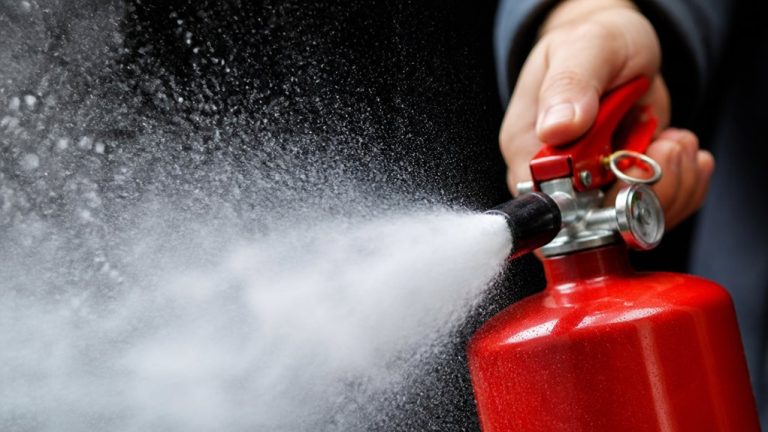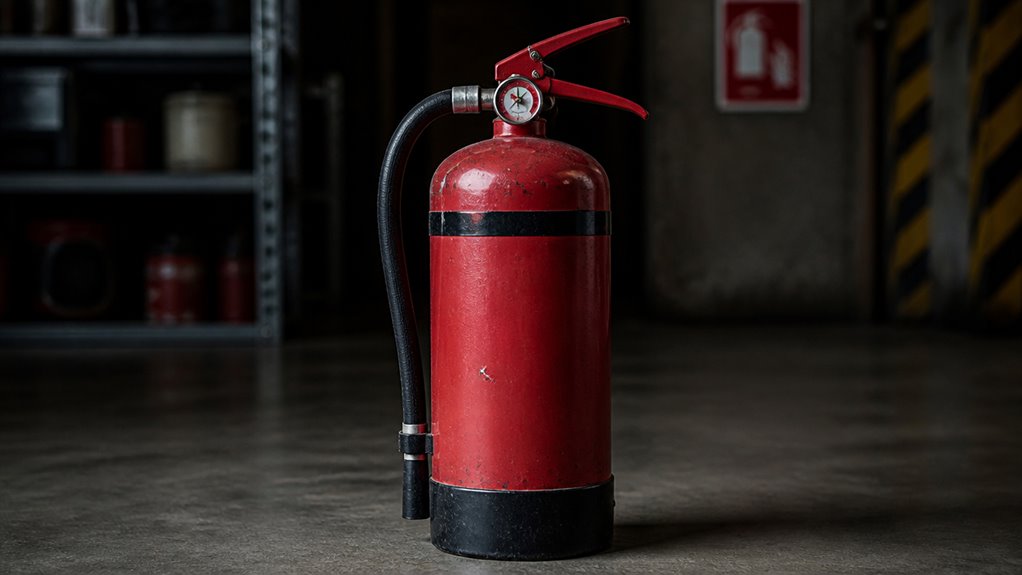

A BC fire extinguisher uses dry chemical agents like sodium bicarbonate or Purple-K to quickly suppress flammable liquid (Class B) and energized electrical (Class C) fires.
You’ll find it effective because it interrupts the fire’s chemical reaction and smothers flames without conducting electricity. This makes it safe for electrical equipment.
It’s not suited for ordinary combustible fires (Class A). Understanding how it works and where to use it can help you respond confidently in emergencies.
Key Takeaways
- BC fire extinguishers are dry chemical devices for Class B (flammable liquids) and Class C (energized electrical) fires.
- They commonly use agents like sodium bicarbonate, potassium bicarbonate, or Purple-K powder to interrupt fire reactions.
- These extinguishers are non-conductive, making them safe for use on electrical fires.
- BC extinguishers are ineffective and unsafe for Class A fires involving ordinary combustibles.
- They leave a dry powder residue that can affect cleanup and sensitive equipment after use.
What Is a BC Fire Extinguisher?
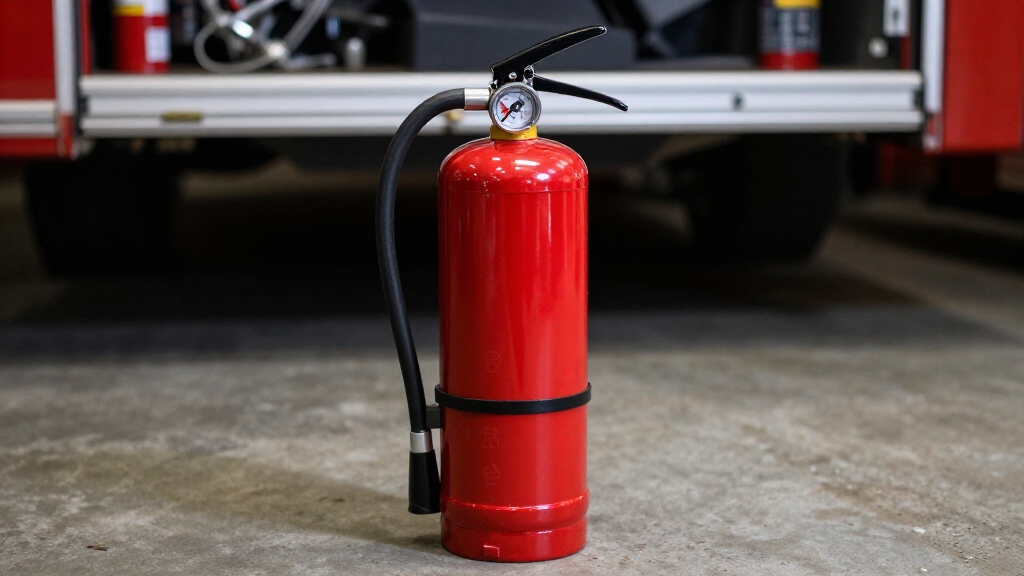
A BC fire extinguisher is a specialized dry chemical device designed to combat fires involving flammable liquids (Class B) and energized electrical equipment (Class C).
A BC fire extinguisher effectively targets flammable liquid and electrical fires with specialized dry chemicals.
You’ll find these extinguishers commonly equipped with agents like sodium bicarbonate, potassium bicarbonate, or Purple-K powder.
These chemicals interrupt the fire’s chemical reaction and smother flames effectively without conducting electricity.
BC extinguishers are intended exclusively for flammable liquid and electrical fires, so they won’t work on Class A fires involving ordinary combustibles like wood or paper.
When you handle a BC extinguisher, you should know it discharges a dry powder that can leave residue, which may impact cleanup and sensitive equipment.
Proper use involves following established safety protocols to guarantee effective and safe fire suppression in relevant hazard environments.
BC extinguishers rely on a dry chemical agent that disrupts the exothermic reaction sustaining the fire while being non-conductive to electricity.
What Fires Can a BC Fire Extinguisher Put Out?
You’ll typically find BC fire extinguishers used on Class B and Class C fires.
These involve flammable liquids like gasoline, oil, or grease, and energized electrical equipment such as wiring or machinery.
These extinguishers deploy dry chemical agents like sodium bicarbonate or Purple-K powder, which interrupt the chemical reaction sustaining the fire and help smother flames effectively.
Class B fires include flammable liquids and gases, while Class C fires involve live electrical components where water or foam could cause shock hazards.
BC extinguishers aren’t suitable for Class A fires involving ordinary combustibles such as wood or paper.
Using a BC extinguisher outside its intended fire classes can be ineffective or dangerous.
Always confirm the fire classification before deployment to guarantee proper and safe firefighting response.
BC-type powders use sodium or potassium bicarbonate and lack Class A effectiveness.
Where Are BC Fire Extinguishers Commonly Used?
In environments where flammable liquids and energized electrical equipment coexist, BC fire extinguishers provide targeted protection.
You’ll commonly find them in commercial kitchens, where grease fires pose a significant risk alongside electrical appliances.
Garages and workshops also rely on BC extinguishers due to the presence of fuels, solvents, and active machinery.
Industrial settings, such as refineries, use these extinguishers to manage hazards involving flammable liquids and electrical panels.
Additionally, vehicles and equipment storage areas benefit from BC units because they address potential liquid fuel fires and electrical faults.
When you need to protect spaces with combined Class B and Class C fire risks, BC extinguishers are the efficient, specialized choice.
They ensure safety without the unnecessary residue or damage typical of multipurpose extinguishers.
Their electrically non-conductive nature makes them especially safe for use around energized electrical fires.
How BC Fire Extinguishers Stop Fires?
Knowing where BC fire extinguishers are commonly used helps you understand their operational role in fire emergencies.
These extinguishers deploy dry chemical agents like sodium bicarbonate or Purple-K powder that interrupt the fire’s chemical reaction.
They effectively smother flames on flammable liquid (Class B) and energized electrical (Class C) fires without conducting electricity, preventing further hazards.
| Fire Class | Extinguishing Mechanism |
|---|---|
| Class B | Chemical interruption, smothering |
| Class C | Non-conductive agent, flame suppression |
| Agent Type | Sodium bicarbonate, Purple-K |
| Effect | Halts combustion reaction |
| Residue | Powder residue, non-corrosive |
This precise action quickly halts combustion, reducing fire spread and damage. It is important to avoid using BC extinguishers on fires involving unknown chemicals or flammable liquids without confirming compatibility to prevent dangerous reactions.
How to Use a BC Fire Extinguisher?
Operate a BC fire extinguisher by following the PASS technique:
Pull the pin to release the operating lever. Aim the nozzle at the fire’s base. Squeeze the lever to release the extinguishing agent. Sweep the nozzle side to side to cover the fire area.
Always maintain a safe distance, typically around six feet, and approach cautiously. Focus on the fire’s base where the fuel or electrical source ignites.
Continue sweeping until the fire is fully extinguished or the extinguisher is empty. After use, monitor the area for potential reignition.
Remember, BC extinguishers discharge dry chemical agents effective on flammable liquids and energized electrical fires only. Avoid use on Class A fires, as these units lack the necessary suppressant.
Proper handling guarantees safety and maximizes fire suppression effectiveness. BC extinguishers work primarily by interrupting the chemical reaction, which stops the combustion process quickly.
Frequently Asked Questions
How Often Should BC Fire Extinguishers Be Inspected and Maintained?
You should inspect BC fire extinguishers monthly to make certain they’re accessible, fully charged, and free from damage.
Perform a thorough annual maintenance check by a certified technician, including pressure testing and verifying the chemical agent’s condition.
Hydrostatic testing is required every 5 to 12 years depending on the model.
Regular inspections and maintenance keep your extinguisher reliable and ready for Class B and C fire emergencies.
Can BC Extinguishers Be Safely Used Indoors Without Ventilation?
You can think of a BC extinguisher’s dry chemical as a silent storm that quickly blankets flames.
Yes, you can safely use BC extinguishers indoors without ventilation, but you should keep windows open afterward to clear the powder residue and fumes.
The chemical agent interrupts fire reactions but can irritate lungs if concentrated.
Always evacuate and ventilate promptly to minimize inhalation risks while ensuring effective fire suppression.
What Is the Shelf Life of the Dry Chemical Agent in BC Extinguishers?
The dry chemical agent in BC extinguishers typically has a shelf life of 5 to 15 years, depending on the manufacturer and storage conditions.
You should inspect your extinguisher annually for any signs of degradation, moisture intrusion, or clumping, which can reduce effectiveness.
Proper storage in a cool, dry place extends its lifespan. Always follow the manufacturer’s recommendations and replace or service the extinguisher if the agent appears compromised.
Are BC Fire Extinguishers Safe to Use on Lithium-Ion Battery Fires?
You might find it tempting to reach for a BC extinguisher when facing a lithium-ion battery fire, but it’s not your best bet.
BC units excel with flammable liquids and electrical fires, yet lithium-ion battery fires demand specialized agents like Class D or multi-purpose extinguishers designed for metal and chemical fires.
Using a BC extinguisher could let the fire smolder or reignite, so opt for gear specifically rated for battery-related hazards.
How Should BC Extinguisher Powder Residue Be Cleaned From Sensitive Equipment?
You should clean BC extinguisher powder residue from sensitive equipment by first powering down and unplugging the device to prevent damage.
Use a soft brush or vacuum with a HEPA filter to gently remove loose powder without spreading it.
Follow up with a slightly damp, lint-free cloth to wipe remaining residue carefully.
Avoid excessive moisture to prevent corrosion.
Finally, inspect internal components if possible and consider professional cleaning for critical or delicate electronics.
BC Fire Extinguishers: Final Thoughts Before You Choose
Now that you understand BC fire extinguishers target flammable liquids and electrical fires, you might think they’re too specialized for general use.
However, their versatility in common commercial and residential settings makes them essential for quickly stopping dangerous fires before they spread.
By knowing how to operate one correctly, you can confidently protect yourself and others from specific fire hazards.
This makes a BC extinguisher a smart, practical addition to your safety equipment.