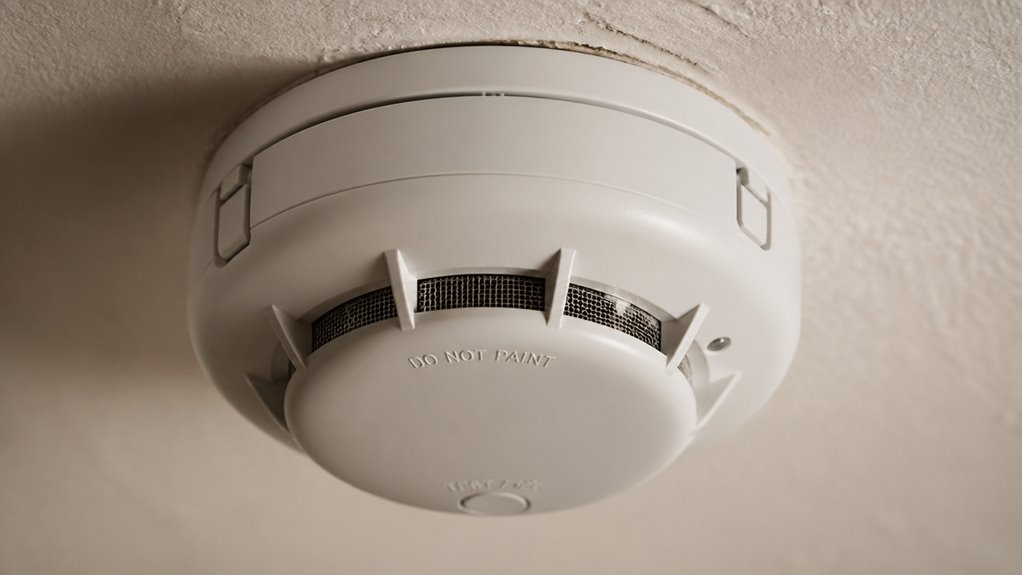

A hard wired smoke alarm connects directly to your home’s 120-volt electrical system, providing continuous, reliable fire detection.
It includes a battery backup to keep working during outages, ensuring uninterrupted safety.
These alarms are often interconnected so all units sound together, offering centralized alerts across your home.
Installation requires proper wiring and adherence to codes for dependable operation.
Understanding sensor types, maintenance, and compliance enhances your fire safety setup. This is essential knowledge for protecting your household effectively.
Key Takeaways
- A hard wired smoke alarm connects directly to a home’s 120-volt electrical system for continuous, reliable operation.
- It includes a battery backup to maintain function during power outages.
- Multiple alarms are interconnected via dedicated wiring for synchronized alerts throughout the home.
- Installation requires professional wiring integration following local electrical codes and manufacturer instructions.
- Regular testing and maintenance of backup batteries ensure ongoing reliability and compliance with safety standards.
What Are Hard Wired Smoke Alarms and How Do They Work?
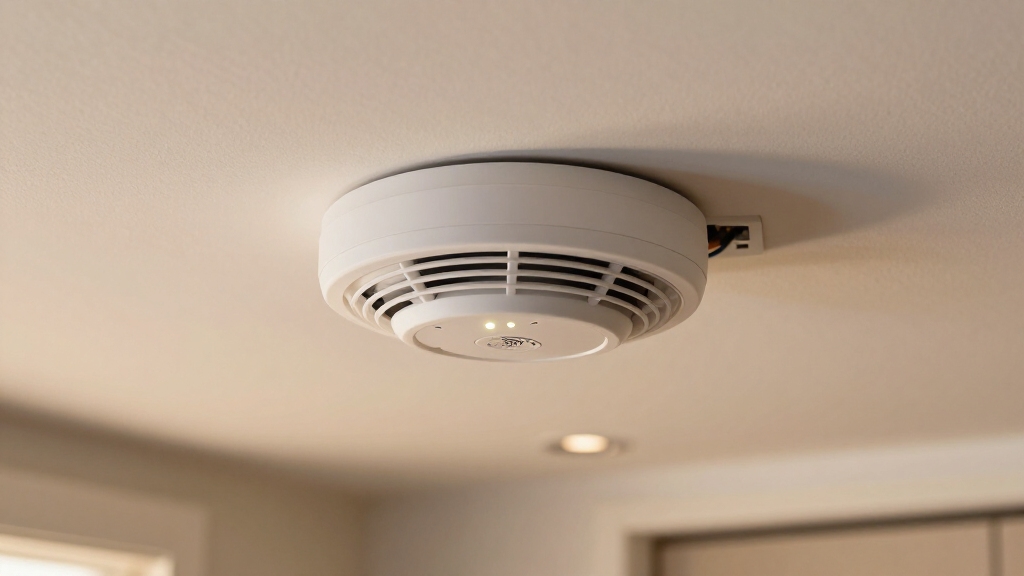
Because hard wired smoke alarms connect directly to your home’s electrical system, they provide continuous power without relying solely on replaceable batteries.
These alarms typically operate on a 120-volt AC circuit, ensuring a stable power source. Most models include a battery backup to maintain functionality during power outages.
Inside, sensors detect smoke using ionization or photoelectric technology, depending on the unit. When one alarm senses smoke, it triggers all interconnected alarms to sound simultaneously, enhancing early warning throughout your home.
Power-status indicator lights confirm proper electrical connection. This design requires integration with your home’s wiring, often using a quick-connect harness for installation.
Understanding these operational details helps you maintain a reliable smoke detection system that stays active under normal and emergency conditions.
For optimal safety, it is essential to connect all black (hot), white (neutral), and red (interconnect) wires correctly to ensure synchronized alarms across your home.
Benefits of Hard Wired Smoke Alarms Over Battery Models
When you choose a hard wired smoke alarm, you benefit from a continuous power supply that eliminates the risk of the alarm failing due to dead batteries. This reliable connection to your home’s electrical system guarantees the alarm remains active without frequent battery replacements.
Additionally, most models include a battery backup for power outages, maintaining safety even when electricity is interrupted. Compared to battery-only units, hard wired alarms offer superior dependability and integration.
Key benefits include:
- Continuous, stable power from household wiring
- Reduced maintenance thanks to fewer battery changes
- Enhanced reliability during power failures via backup batteries
- Compliance with modern building codes and safety standards
- Better suitability for larger or multi-level homes requiring persistent protection
Regular testing and timely replacement of backup batteries are essential to ensure uninterrupted protection and maintain system reliability during power outages.
How Interconnected Hard Wired Smoke Alarms Keep Your Home Safer?
Beyond the steady power supply of hard wired smoke alarms, their ability to interconnect substantially enhances home safety. When one alarm detects smoke, it instantly triggers all connected units throughout your home.
This ensures you receive an immediate, synchronized warning regardless of where the fire originates. This networked response is vital in multi-level or larger residences, reducing the risk of delayed detection.
Interconnection relies on dedicated wiring that transmits signal alerts between units, maintaining reliable communication even during power fluctuations. You’ll also benefit from continuous monitoring since each alarm uses the home’s electrical system with battery backups to prevent outages.
Types of Smoke Sensors Used in Hard Wired Alarms
Although hard wired smoke alarms rely on a constant power source, their effectiveness depends heavily on the type of smoke sensor they use.
You’ll find two primary sensor types in these alarms: ionization and photoelectric, each optimized for detecting different fire conditions. Some models combine both sensor technologies for enhanced detection capabilities.
Key sensor types include:
- Ionization sensors: Detect fast-flaming fires by sensing ionized particles.
- Photoelectric sensors: Use light beams to identify smoldering fires with heavy smoke.
- Dual-sensor alarms: Incorporate both ionization and photoelectric elements.
- Heat sensors: Trigger alarms based on rapid temperature increases, supplementing smoke sensors.
- Combination sensors: Integrate smoke, heat, and carbon monoxide detection in one unit.
Choosing the right sensor guarantees your hard wired alarm responds accurately to diverse fire scenarios. Photoelectric sensors are especially valued for their ability to provide early warnings of smoldering fires with fewer false alarms due to their reliance on light scattering detection within an optical chamber.
How Backup Batteries Keep Hard Wired Smoke Alarms Running?
You know, having a backup battery in your hard-wired smoke alarm is super important. It keeps the alarm working even when the power goes out, which means you’re still protected. Imagine a power outage happening when you least expect it—having that battery backup really makes a difference!
But here’s the thing: if the main electrical supply is interrupted, you want to make sure your system doesn’t fail. That’s where the battery comes in handy. It’s like a safety net for your smoke alarm.
To keep everything running smoothly, though, you need to replace the battery regularly. It’s a good idea to test the unit as recommended, too. That way, you can rest easy knowing that your smoke alarm is ready to go, no matter what!
For best performance, it’s recommended to use lithium 9-volt batteries for longer life and temperature stability.
Battery Backup Importance
Hardwired smoke alarms almost always include a battery backup to guarantee continuous operation during power outages. This backup is vital because it ensures your alarm remains functional even if the main electrical supply fails.
Without it, a power outage could leave you unprotected during an emergency.
The battery backup importance lies in its ability to maintain alarm functionality during electrical interruptions. It provides immediate response without delay and supports interconnected alarm systems simultaneously.
Regular replacement is necessary to guarantee reliability and it serves as a fail-safe independent of home wiring integrity.
Backup power options vary by model, including replaceable batteries and sealed 10-year lithium batteries, offering different levels of maintenance and longevity for continuous protection.
Power Outage Protection
When the main electrical supply is interrupted during a power outage, the backup battery immediately takes over to keep your smoke alarm operational.
This seamless changeover guarantees continuous smoke detection without interruption.
The backup battery, typically a long-lasting lithium or sealed lead-acid type, powers the alarm’s sensor and signaling circuits independently of the home’s AC power.
It maintains system readiness by supplying consistent voltage, preventing false alarms or failure during outages.
Because hard wired alarms are interconnected, the battery backup sustains the entire network, preserving coordinated alerts throughout your home.
This redundancy enhances safety by guaranteeing functionality even when the primary power source is compromised.
Without this backup, your smoke alarm would be vulnerable to power loss, markedly reducing its reliability during emergencies.
Proper installation and regular testing of the battery backup are essential to ensure continuous protection and optimal performance during power interruptions.
Maintenance And Replacement
Regularly maintaining and replacing backup batteries guarantees your hard wired smoke alarm remains fully operational during power outages. The battery backup is essential because it sustains the alarm’s function when the main electrical supply fails.
To confirm reliability, follow these key maintenance steps:
Test alarms monthly to verify power light and sound functionality.
Replace backup batteries annually or as specified by the manufacturer.
Use only recommended battery types to avoid compatibility issues.
Keep alarms interconnected to maintain whole-home alerting during outages.
Inspect wiring connections periodically to prevent power interruptions.
Many hardwired detectors include backup batteries that automatically activate during mains power failures to ensure continuous operation.
Installation Basics for Hard Wired Smoke Alarms
Although installation requires electrical expertise, you can connect hard wired smoke alarms directly to your home’s AC circuit using existing wiring. Typically, these alarms operate on a 120-volt household electrical system, with a quick-connect harness simplifying the setup.
You’ll also need to integrate interconnection wiring if you want all alarms to sound simultaneously when one detects smoke. Installation usually happens during new construction or major electrical upgrades to secure code compliance.
Always follow local electrical codes and the manufacturer’s instructions precisely to guarantee proper function and safety. Remember, the battery backup must be installed to maintain operation during power outages.
Proper installation guarantees continuous, reliable smoke detection and enhances your home’s overall fire safety system. It is essential to use only hardwired, interconnected smoke alarms that are UL-listed and code compliant to ensure safety and functionality.
Challenges and Costs of Installing Hard Wired Smoke Alarms
Because hard wired smoke alarms require integration with your home’s electrical system, installation can present significant challenges and costs.
You’ll need to guarantee compliance with local electrical codes, which often mandates professional electrician involvement.
Retrofitting existing homes may involve opening walls to run wiring, increasing labor time and expense.
Additionally, coordinating interconnection wiring among multiple units adds complexity, especially in larger or multi-story residences.
Key challenges and cost factors include:
- Compliance with electrical and fire safety codes
- Labor costs for electricians and possible drywall repairs
- Material costs for wiring, connectors, and mounting hardware
- Complexity of interconnecting multiple alarms throughout the home
- Potential upgrades to the electrical panel or circuit to handle added load
Understanding these factors helps you budget accurately and guarantee a safe, code-compliant installation. Hardwired smoke detectors typically require a dedicated 120V circuit to ensure uninterrupted power and compliance with safety standards.
How to Test and Maintain Hard Wired Smoke Alarms?
You know, it’s really important to test each hard-wired smoke alarm regularly. Just press that test button to make sure you hear the sound and see the power indicator light working. It’s a quick and easy way to ensure everything’s functioning properly!
Oh, and don’t forget about those backup batteries! It’s a good idea to replace them every year. This way, you can be sure your alarms will still work during power outages.
And let’s not overlook the interconnected functionality. Keeping that in check is essential for the system to perform at its best and to stay compliant with safety regulations. So, let’s make sure we stay on top of it!
Regular weekly visual inspections help verify that control panels display normal status and that devices remain unobstructed and undamaged.
Testing Smoke Alarms
Regularly testing your hard wired smoke alarms is essential to ensure they operate correctly and provide reliable protection. You should perform tests monthly to verify both the power connection and alarm sound. Use the test button on each unit to activate the alarm tone and make sure the interconnected system responds appropriately.
Additionally, inspect the power indicator light to confirm electrical supply. Follow these steps when testing your smoke alarms:
Press and hold the test button until the alarm sounds clearly. Check that all interconnected alarms activate simultaneously. Verify the power status light is illuminated.
Listen for any irregular or weak alarm tones. Clear dust or debris from the sensor area to prevent false readings. Consistent testing maintains functionality and safety in your home’s fire detection system.
Battery Backup Maintenance
Frequently checking the battery backup in your hard wired smoke alarms guarantees they remain operational during power outages.
Start by locating the test button on each unit; press and hold it until the alarm sounds to confirm battery and sensor function.
Replace backup batteries annually or immediately if the alarm emits low-battery chirps.
Use manufacturer-recommended battery types to assure compatibility and peak performance.
Inspect the battery compartment for corrosion or damage during replacements.
Additionally, keep the units clean and free from dust, which can interfere with sensor operation.
Maintaining the battery backup guarantees continuous smoke detection even if the primary AC power fails, preserving the alarm’s reliability and compliance with safety standards.
Regular maintenance also supports the interconnected system’s overall functionality across your home.
Fire Safety Codes and Why Hard Wired Smoke Alarms Are Required in New Homes
Although fire safety codes vary by jurisdiction, they increasingly mandate hard wired smoke alarms in new homes to guarantee reliable, continuous protection.
Fire safety codes are now requiring hard wired smoke alarms in new homes for dependable, continuous protection.
These codes make certain that your home’s smoke detection system is integrated directly with the electrical wiring, reducing failure risks associated with battery-only units.
You’ll find requirements focus on:
- Connection to the 120-volt household circuit with battery backup
- Interconnection of alarms to sound simultaneously throughout the home
- Placement in key areas such as bedrooms, hallways, and living spaces
- Compliance with national and local standards like NFPA 72
- Regular testing and maintenance provisions mandated by code
Choosing the Right Hard Wired Smoke Alarm for Your Home
When selecting a hard wired smoke alarm, you’ll need to take into account the sensor type, interconnectivity features, and power backup options to guarantee peak protection tailored to your home’s layout and electrical system.
Choose between ionization sensors for fast-flaming fires and photoelectric sensors for smoldering fires, or consider dual-sensor models for all-encompassing detection.
Make certain the alarm supports interconnection, allowing all units to sound simultaneously for improved safety across multiple rooms and floors.
Confirm the presence of a reliable battery backup to maintain function during power outages.
Verify compatibility with your home’s 120-volt AC wiring and check that installation adheres to local electrical codes.
Prioritize alarms with clear power-status indicators and certifications meeting fire-safety standards to ensure dependable, continuous operation.
Frequently Asked Questions
Can Hard Wired Smoke Alarms Be Temporarily Disconnected During Renovations?
Yes, you can temporarily disconnect hard wired smoke alarms during renovations, but you must do so carefully.
Always turn off power at the circuit breaker before disconnecting to avoid electrical hazards.
Use manufacturer instructions to detach the alarm safely, and keep backup batteries in place if possible.
Reconnect and test the alarms promptly after completing work to maintain fire safety and compliance with local codes.
How Do Hard Wired Smoke Alarms Affect Home Insurance Premiums?
Hard wired smoke alarms can lower your home insurance premiums because they provide reliable, continuous fire detection, reducing risk.
Insurers recognize their interconnected design and battery backup as enhancing safety, which may qualify you for discounts.
To maximize benefits, make certain your alarms meet local codes and are properly maintained.
Always notify your insurer about your system’s installation to potentially secure premium reductions reflecting improved fire protection.
Are Hard Wired Smoke Alarms Compatible With Smart Home Systems?
Yes, hard wired smoke alarms can be compatible with smart home systems, but it depends on the model.
Some advanced units integrate with home automation platforms via Wi-Fi, Zigbee, or Z-Wave protocols. This allows you to receive alerts remotely and control alarms through your smartphone or voice assistants.
To guarantee compatibility, you’ll want to select alarms specifically designed for smart integration or use compatible smart modules during installation.
What Is the Typical Lifespan of a Hard Wired Smoke Alarm Unit?
Imagine you installed a hard wired smoke alarm in your home five years ago.
Typically, these units last about 8 to 10 years before their sensors degrade.
After that, they may not detect smoke reliably.
Manufacturers often recommend replacing the entire unit within this timeframe, regardless of battery condition.
Regular testing verifies it functions properly, but replacing the alarm after a decade keeps your home’s safety up to current standards and technology.
Can Pets or Cooking Smoke Cause False Alarms in Hard Wired Systems?
Yes, pets and cooking smoke can trigger false alarms in hard wired systems.
While these alarms use sensitive ionization or photoelectric sensors to detect smoke particles, everyday activities like frying or pet dander can mimic smoke signatures.
To minimize false alarms, you should install alarms away from kitchens and ensure proper ventilation.
Using photoelectric models helps reduce cooking-related false alarms, since they’re less sensitive to small, non-hazardous particles.
Protect Your Home With Reliable Hardwired Smoke Alarms
Choosing hard wired smoke alarms guarantees steady, secure safety for your space. Their seamless, interconnected system swiftly signals smoke, safeguarding your surroundings with superior sensor sensitivity.
While installation involves initial investment and effort, the reliable backup batteries and rigorous maintenance routines maintain their consistent performance.
Stay smart, stay safe. Selecting the right hard wired smoke alarm means mastering modern fire protection with meticulous monitoring and minimized risk. Your home’s health hinges on this hardware’s hard-hitting hazard defense.