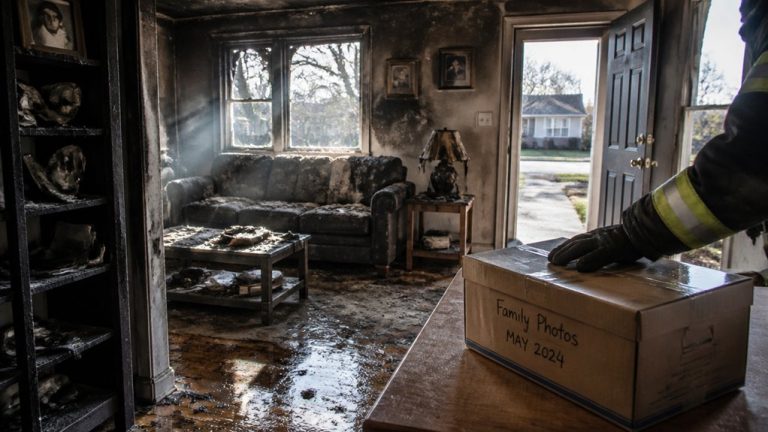

You can sue your landlord if they fail to provide or maintain working smoke alarms after you’ve given clear written notice.
Landlords have a legal duty to install and keep alarms functional under state laws and local codes.
If they ignore your requests, you may pursue legal claims like breach of habitability or code violations.
This could potentially allow you to recover damages or force repairs.
Understanding your rights and how to document your case can help protect your safety and strengthen your claim.
Key Takeaways
- Tenants can sue landlords if smoke alarms are missing or nonfunctional and the landlord fails to fix the issue after written notice.
- Legal claims often include breach of habitability, negligence, and violation of local fire or housing codes.
- Written notice with documented communication is required to prove the landlord knew of the smoke alarm issue.
- Courts may order landlords to repair or install alarms, allow rent withholding, or award damages for unsafe conditions.
- Local authorities can be contacted to enforce compliance if landlords ignore repair requests after reasonable notice.
What Are a Landlord’s Legal Duties for Smoke Alarms?
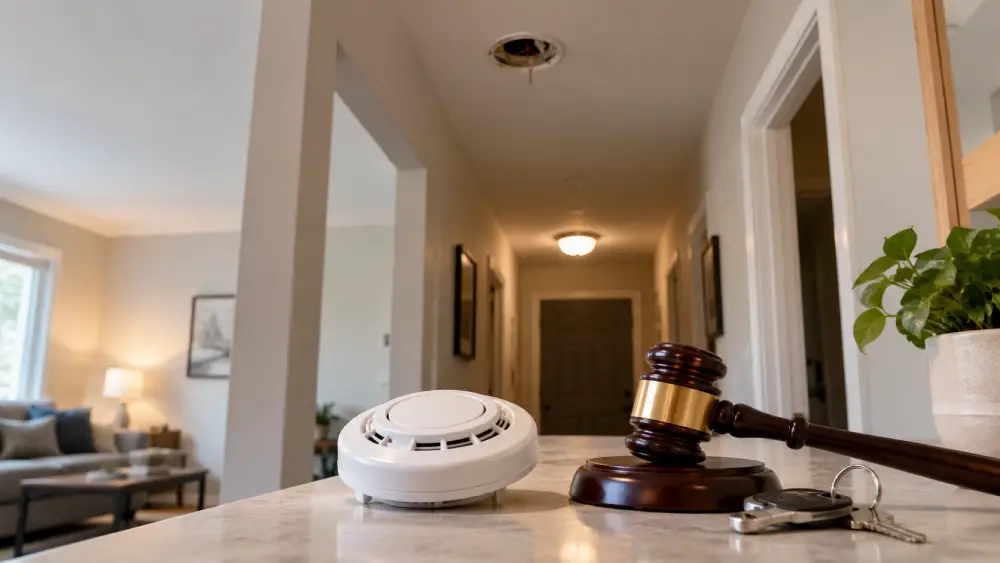
Landlords have a legal duty to install and maintain working smoke alarms in rental units to safeguard tenant safety.
Landlords must ensure smoke alarms are installed and functioning to protect tenant safety.
You should know that these requirements vary by state or country, but generally, landlords must provide functional alarms at tenancy start and make certain they remain operational.
If you find a smoke alarm missing or defective, your landlord is typically responsible for repair or replacement after you notify them.
Failure to comply can render the unit unsafe or uninhabitable, potentially violating local fire or housing codes.
These laws protect you by making landlords accountable for timely maintenance.
Keep in mind, the legal obligation often includes regular testing and prompt response once you report issues.
Understanding these duties helps you recognize when your landlord falls short of their responsibilities.
Local laws often require landlords to ensure at least one approved operational smoke alarm on every level of the rental property, following fire safety regulations.
How Do You Document and Notify Your Landlord About Missing Smoke Alarms?
When you discover a missing or malfunctioning smoke alarm, you need to act promptly by notifying your landlord in writing.
Clearly describe the issue, specifying the location and condition of the smoke alarm.
Use a formal method like email or certified mail to make sure your notice is documented and received.
Include photos or videos as evidence to strengthen your claim.
Keep copies of all correspondence and any landlord responses.
If you submit a repair request through an online portal or app, save those records too.
This documented proof shows you gave your landlord reasonable notice, a key step before pursuing further legal remedies.
Acting decisively and keeping thorough records helps establish your position if the landlord fails to address the safety hazard within a reasonable time.
Remember, First Alert smoke detectors do not contain built-in cameras or video recording hardware, so any surveillance concerns should be addressed separately.
What Should You Do If Your Landlord Ignores Your Smoke Alarm Requests?
If your landlord is ignoring your requests about the smoke alarm, the first step is to send them a clear written notice.
Just lay out the issue in simple terms. It’s also a good idea to keep detailed records of all your communications—this will help you if you need to escalate the situation later.
If they still don’t respond after that, you might want to reach out to local fire or housing authorities.
Reporting the violation can be a necessary step to ensure your safety and get the issue resolved.
Many local fire departments offer free smoke alarm installation services and safety evaluations to eligible residents.
Provide Written Notice
To protect your rights and build a strong case, you need to provide written notice to your landlord about the missing or malfunctioning smoke alarms. This notice should clearly describe the issue and request prompt repair or installation.
Use certified mail or email with read receipts to confirm delivery. Written notice creates a legal record proving you informed the landlord, which is often required before further action.
| Step | Action | Purpose |
|---|---|---|
| 1 | Describe smoke alarm problem | Specify issue clearly |
| 2 | Request repair or installation | Demand landlord action |
| 3 | Send via trackable method | Prove landlord received notice |
| 4 | Keep copies of all notices | Evidence for legal claims |
| 5 | Allow reasonable repair time | Comply with local law deadlines |
Document All Communications
After sending your written notice about the missing smoke alarms, keep detailed records of every interaction with your landlord.
Save copies of emails, texts, letters, and notes from phone calls or in-person meetings. Document dates, times, and summaries of conversations, focusing on your requests and any responses.
If your landlord ignores or delays action, this evidence proves you gave proper notice and allowed reasonable time for repairs.
Also, consider using certified mail or another trackable method to confirm your landlord received your communications.
Thorough documentation strengthens your legal position if you need to pursue a claim for negligence or breach of habitability.
Don’t rely on memory—create a clear paper trail that shows you acted responsibly and your landlord failed to meet their legal duty.
Additionally, ensuring your home has at least one properly sized 5 lb ABC extinguisher can further demonstrate your commitment to safety.
Contact Local Authorities
When your landlord ignores repeated requests to install or repair smoke alarms, you must escalate the issue by contacting local fire or housing authorities.
These agencies enforce safety codes and can compel your landlord to comply. Reporting creates an official record and may trigger inspections or fines, pressuring your landlord to act.
Here’s what you should do next:
- File a complaint with the local fire department or housing code enforcement office.
- Provide copies of all your written requests and documentation.
- Request an inspection to verify the absence or malfunction of smoke alarms.
- Follow up regularly to stay informed about enforcement actions.
Taking these steps strengthens your position if legal action becomes necessary. It also helps ensure your rental unit meets basic safety standards. Regular inspections, including weekly visual inspections, are critical to maintaining fire alarm functionality and safety compliance.
When Can You Sue a Landlord for Missing Smoke Alarms?
Although laws vary by location, you can sue a landlord for missing smoke alarms if you’ve given proper notice and they fail to act within a reasonable time.
First, you must clearly notify your landlord in writing about the missing or nonfunctioning alarms, using traceable methods like certified mail or email.
After providing this notice, allow a reasonable period for repair or installation based on local regulations.
If the landlord ignores your request, you may then pursue legal action.
Courts look for evidence that the landlord knew about the issue and neglected their duty to maintain a safe living environment.
Document your communications, photos, and any inspection reports to strengthen your claim.
Suing becomes stronger when your complaint aligns with housing codes or habitability laws protecting tenant safety.
Additionally, many building codes mandate that hardwired smoke detectors have a battery backup to ensure continuous protection even during power outages.
What Legal Claims Can Tenants Make for Missing Smoke Alarms?
Tenants can make several legal claims against landlords who fail to install or maintain working smoke alarms, especially if the landlord had notice and didn’t act within a reasonable time.
You can assert claims based on the landlord’s breach of the legal duty of habitability, negligence, or violation of local housing or fire codes. Courts typically require proof that the landlord knew about the issue and ignored it.
Documenting your complaints and the missing alarms strengthens your case.
Common legal claims include:
- Breach of habitability standard for unsafe living conditions
- Negligence for failing to meet safety obligations
- Violation of local housing or fire safety codes
- Requesting court orders to compel installation or repairs
Fire alarm requirements are often enforced by Local Authorities Having Jurisdiction who ensure compliance with safety codes.
What Damages and Remedies Can Tenants Get for Missing Smoke Alarms?
If your landlord fails to provide or maintain working smoke alarms, you can pursue several damages and remedies depending on your jurisdiction. Common options include requesting repairs, withholding rent, or terminating your lease if the unit is deemed uninhabitable.
In some cases, you may recover money damages for expenses such as relocation, medical bills, or property loss if a fire or injury occurs. Courts may also order landlords to install or fix alarms.
Document your notices and any landlord delays carefully, as proof strengthens your claim. Some laws allow you to deduct repair costs from rent or seek civil penalties and attorney’s fees.
Using smoke alarms with ZigBee 3.0 support can enhance safety by enabling remote alerts and smart home integration.
How Do State Laws Affect Suing for Missing Smoke Alarms?
Understanding the damages and remedies available is just one part of the picture. State laws play a vital role in shaping your ability to sue a landlord over missing smoke alarms. They define landlord duties, tenant notice requirements, and the kinds of legal claims you can pursue.
Here’s what you need to know:
Some states require landlords to install alarms before tenancy begins. Others focus on ongoing maintenance.
Written notice to the landlord is often mandatory before legal action.
Available claims vary: negligence, habitability breaches, or code violations.
Remedies differ widely. Some allow rent withholding or repair-and-deduct; others require court intervention.
Knowing your state’s specific rules helps you understand your rights and strengthens your approach when addressing missing smoke alarms. Regular testing and maintenance of smoke detectors is also crucial to ensure ongoing tenant safety and compliance with legal standards.
How Can You Strengthen Your Case With Evidence and Proper Notice?
When building a case against a landlord for missing smoke alarms, gathering solid evidence and providing clear notice are essential steps.
Start by documenting the absence or malfunction with photos or videos.
Keep copies of all communications, like emails or texts, where you notify the landlord about the issue.
Use certified mail or another trackable method to make certain the landlord receives your complaint.
Retain any inspection reports or statements from witnesses to further support your claim.
Providing written notice not only fulfills legal requirements but also establishes that the landlord had a reasonable opportunity to fix the problem.
This combination of clear evidence and proper notice strengthens your case, improves your chances in court, and may force the landlord to act promptly to meet their legal obligations.
Before handling or inspecting the smoke alarms yourself, ensure you have safely powered down the units by turning off the main breaker and removing batteries to avoid accidental alarms or electrical hazards associated with powering down hardwired smoke alarms.
Frequently Asked Questions
Can Tenants Install Smoke Alarms Themselves Without Landlord Permission?
You generally shouldn’t install smoke alarms yourself without landlord permission.
Landlords usually control fixtures and must comply with local codes, so unauthorized installation might cause disputes or violate lease terms.
Instead, notify your landlord in writing about missing alarms and request installation or repair.
If they don’t act, you can explore legal options. Always check local laws first, as some jurisdictions allow tenant-installed alarms under specific conditions.
Are Landlords Responsible for Maintaining Smoke Alarms if Tenants Accidentally Damage Them?
Yes, landlords are generally responsible for maintaining smoke alarms even if tenants accidentally damage them.
You should notify your landlord promptly about any damage so they can repair or replace the alarms. Ignoring this duty could breach habitability laws or housing codes.
However, if damage results from tenant negligence, the landlord might seek compensation. Always check your local laws, as responsibilities and remedies can vary by jurisdiction.
How Often Must Landlords Replace Smoke Alarm Batteries or Units?
Imagine the faint beep of a dying smoke alarm battery in the dead of night. That’s why landlords must replace batteries at least once a year or as local laws require.
Entire units usually need replacement every 7 to 10 years to guarantee peak safety. You should expect your landlord to test, repair, and replace alarms promptly.
This keeps your home protected without you having to remind them constantly.
Can a Tenant Sue for Missing Smoke Alarms in a Shared or Multi-Unit Building?
Yes, you can sue your landlord for missing smoke alarms in shared or multi-unit buildings if they fail to install or maintain them after you’ve given proper notice.
Your claim strengthens with documented requests and evidence of the hazard.
Laws vary, but you may pursue remedies like repairs, rent reduction, or lease termination.
Always check local codes and provide written notice to support your case effectively.
Do Smoke Alarm Laws Apply Differently to Furnished Versus Unfurnished Rentals?
Do smoke alarm laws treat furnished and unfurnished rentals differently? Generally, no. You’ll find that most laws focus on the rental unit itself, regardless of furnishings.
Your landlord must provide working smoke alarms whether the property is furnished or not. However, local regulations might’ve nuances, so it’s smart to check your jurisdiction’s rules.
Ultimately, your safety doesn’t depend on furniture. It depends on functioning alarms installed by the landlord.
Final Answer: Can You Sue Landlord for No Smoke Alarms?
Even if your landlord initially dismisses your concerns about missing smoke alarms, you have the right to insist on a safe living environment.
Documenting the issue and providing proper notice strengthens your case, showing you’ve taken responsible steps.
Remember, landlords have legal duties to protect you, and you can pursue claims if they fail.
Don’t let fear of conflict stop you. Your safety and legal rights matter, and taking action is your best protection.