
You can install outdoor security cameras as a tenant, but only with explicit landlord approval and by carefully following your lease terms.
Avoid drilling or damaging property by using non-invasive mounts like adhesive pads or over-door hooks.
Position cameras to monitor your own entry points without invading neighbors’ privacy or shared spaces.
Compliance with local laws and privacy rules is essential to prevent disputes and legal issues.
Keep these guidelines in mind, and you’ll learn how to protect yourself and maintain good tenant relations.
Key Takeaways
- Tenants generally need explicit written landlord approval before installing security cameras on exterior walls or shared property areas.
- Non-invasive mounting methods like adhesive mounts or over-door hooks help avoid property damage and lease violations.
- Cameras must be positioned to avoid capturing neighbors’ private areas to respect privacy laws and prevent disputes.
- Freestanding tripods or poles offer portable, damage-free options for outdoor camera placement without building attachment.
- Reviewing lease terms and obtaining written consent protects tenants from potential fines, damage claims, or security deposit loss.
Can Tenants Legally Install Outdoor Security Cameras?
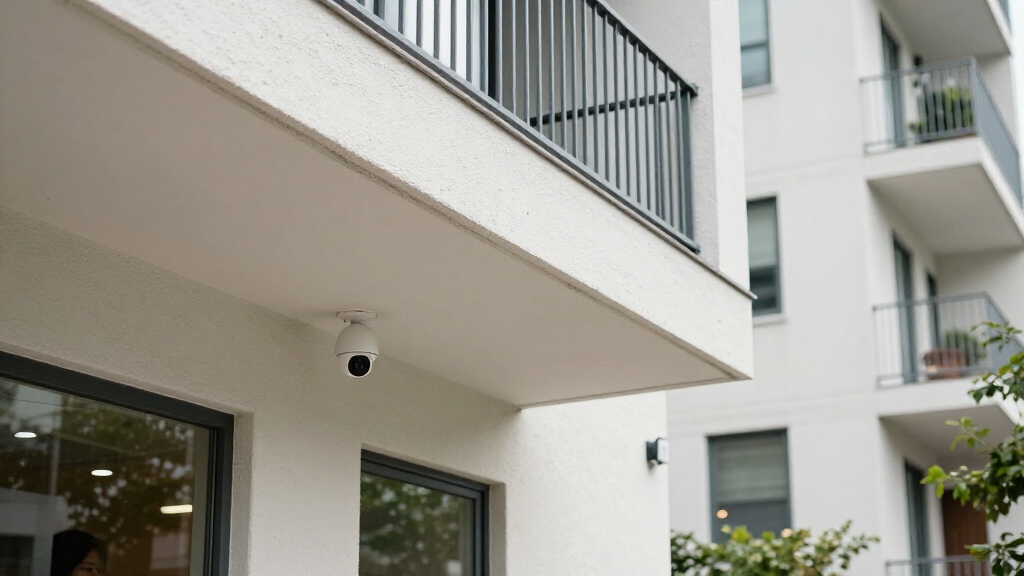
Although tenants often want to enhance their safety by installing outdoor security cameras, doing so legally requires careful consideration of lease terms and landlord permissions.
Tenants must navigate lease agreements and obtain landlord approval before installing outdoor security cameras.
You’ll usually need explicit approval before mounting cameras on exterior walls, doors, or balconies. Non-invasive installation methods like adhesive or over-the-door mounts are preferable since they avoid permanent alterations.
Keep in mind, property managers or housing associations may also have a say, especially in shared or common areas. It’s vital to obtain written consent to protect yourself from lease violations or disputes.
Additionally, you must make certain your cameras don’t violate neighbors’ privacy by avoiding angles that capture private yards or windows. Understanding these legal boundaries upfront helps you install cameras responsibly and maintains good landlord-tenant relations.
Tenants typically need both owner and HOA consent before installing cameras on exterior property, as these often qualify as architectural modifications.
How Your Lease Affects Outdoor Camera Installation?
Because your lease outlines the rules for your rental property, it plays a crucial role in determining whether and how you can install outdoor security cameras.
Your lease may explicitly prohibit attaching cameras to exterior walls, doors, or balconies, making any installation unauthorized without landlord approval.
Non-damaging setups like adhesive mounts or freestanding cameras are generally more acceptable, as they avoid permanent alterations that leases often restrict.
Additionally, if you live in a property with shared or common areas, the lease or housing association rules may limit your ability to install cameras there.
Carefully reviewing your lease terms helps you understand these boundaries, ensuring you comply with property rules and avoid potential disputes or penalties linked to unauthorized installation or property damage.
It is also important to consider motion-activated cameras that minimize blind spots and enhance security without requiring intrusive placement.
Why You Need Written Landlord Approval for Outdoor Cameras?
Hey there! So, when it comes to installing outdoor cameras, getting written approval from your landlord is super important. It helps ensure that everything you’re doing aligns with your lease terms and helps you steer clear of any potential disputes down the road.
Without that clear permission, even if your setup isn’t damaging, it can still lead to conflicts or lease violations. You don’t want to find yourself in a sticky situation, right?
Always make sure your cameras are positioned in permitted locations to avoid invading neighbors’ privacy or violating local laws.
Lease Agreement Compliance
When installing outdoor security cameras on rental property, securing written approval from your landlord is essential to remain compliant with your lease agreement.
Most leases explicitly regulate alterations to the property exterior, including mounting cameras on walls, doors, or balconies. Without written consent, even a legal camera installation may breach your lease, risking penalties or loss of your security deposit.
Landlords and property managers often require approval to protect the property’s condition and maintain community standards. Written permission also clarifies acceptable camera placement and installation methods, ensuring you avoid damaging the property or invading neighbors’ privacy.
Always review your lease terms carefully and obtain documented authorization before installing any outdoor cameras to safeguard your rights and maintain a professional tenant-landlord relationship. Additionally, it is important to ensure clear line of sight is maintained to maximize camera effectiveness and avoid obstructions.
Avoiding Installation Conflicts
Securing written landlord approval clears the way for outdoor camera installation without disputes or misunderstandings. Before mounting cameras, confirm lease terms and obtain explicit consent, especially if drilling or wiring is involved. Written permission protects you from lease violations, privacy complaints, and potential damage claims. It is also important to ensure compliance with privacy laws and local ordinances to avoid legal issues.
| Aspect | Tenant Responsibility | Landlord Role |
|---|---|---|
| Installation Method | Use non-damaging mounts | Approve permanent fixtures |
| Camera Placement | Avoid neighbor’s private areas | Define permissible zones |
| Privacy Compliance | Limit surveillance to own unit | Enforce privacy boundaries |
| Lease Agreement | Review and request approval | Provide written consent |
Following these steps ensures you install cameras legally while respecting privacy and property rules.
Where Can Tenants Aim Outdoor Cameras Without Invading Privacy?
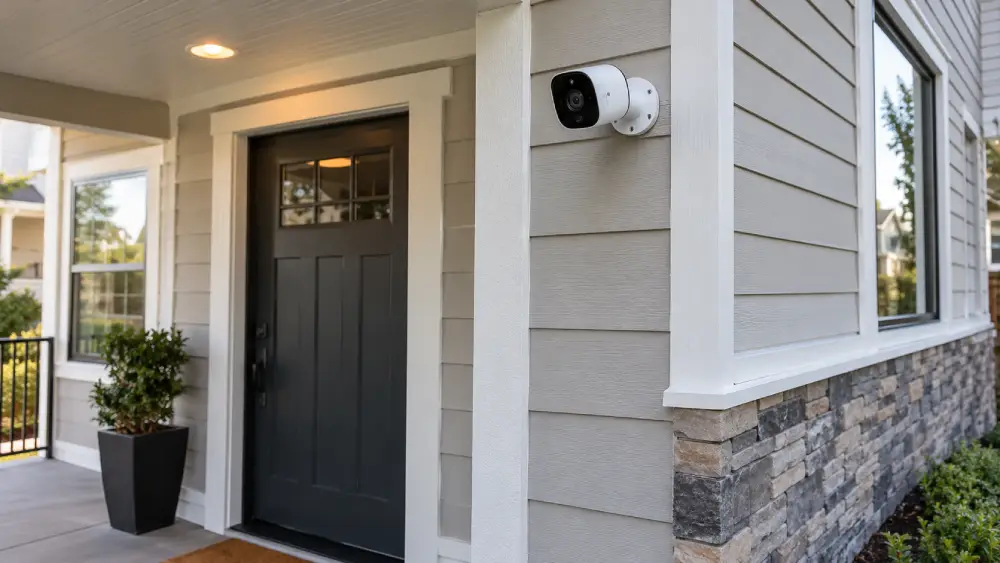
Focus your outdoor camera strictly on areas within your rental unit’s immediate perimeter, such as your front door, porch, or driveway. These locations typically fall under your control and minimize privacy concerns.
Avoid aiming cameras toward neighboring windows, private yards, or shared spaces where others expect privacy. Capturing footage beyond your property line can lead to privacy violations and legal disputes.
Make sure your camera’s field of view doesn’t intrude on adjacent tenants’ spaces or public areas unrelated to your unit. By confining surveillance to your direct entry points and property, you respect others’ privacy rights while enhancing your security.
Always align your camera placement with lease terms and landlord permissions to avoid conflicts and maintain compliance with privacy laws.
Additionally, comply with legal considerations such as avoiding private areas, following local recording laws, obtaining consent if required, and posting visible notices where applicable.
Easy, Damage-Free Ways to Mount Outdoor Security Cameras
You can definitely secure outdoor cameras without causing any damage to your rental. There are some great options out there, like adhesive mounts, over-the-door hooks, or even portable stands. These choices are perfect because they let you avoid drilling holes or making permanent changes, so your installation stays reversible and totally lease-compliant.
When you’re picking a solution, just remember to prioritize both protecting your property and meeting your security needs. It’s all about finding that balance! Additionally, positioning cameras 8–10 feet high with a slight downward angle helps capture clear faces and details while minimizing tampering, which is ideal for outdoor security.
Non-Damaging Mounting Options
When installing outdoor security cameras in a rental property, choosing non-damaging mounting options can help you avoid lease violations and costly repairs.
These methods preserve the property’s condition while providing effective surveillance. You should focus on solutions that leave no holes, marks, or permanent alterations.
Consider these professional, damage-free mounting options:
Magnetic mounts: Attach securely to metal surfaces without drilling or adhesives. They offer easy repositioning.
Clamp or bracket mounts: Grip structural elements like railings or fences without penetrating surfaces.
Freestanding tripods or poles: Position cameras strategically without any attachment to the building itself.
For added concealment, position cameras within natural surroundings or use camouflage to blend with the environment and reduce visibility from passersby, enhancing both security and discretion with outdoor foliage concealment.
Adhesive And Over-Door Mounts
Building on non-damaging mounting options, adhesive and over-door mounts offer easy, damage-free ways to install outdoor security cameras.
Adhesive mounts use strong, weather-resistant tapes or pads that firmly secure cameras without drilling holes, preserving the integrity of doors or walls.
Over-door mounts hook securely over the top of door frames, providing a stable platform without any physical alterations.
Both methods help you avoid landlord disputes related to property damage while enabling effective surveillance of your rental’s exterior.
However, you should still seek written permission and make certain cameras only cover your allowed areas to respect privacy and lease terms.
These mounting solutions balance security needs with legal and practical concerns, making them ideal for tenants requiring a reversible, no-damage setup outside their rental unit.
For best results, ensure the mounting surface is thoroughly cleaned and dry before application to maximize adhesive strength and durability.
Portable And Freestanding Solutions
Explore portable and freestanding solutions to install outdoor security cameras without risking damage or lease violations. These options offer flexibility and eliminate the need for drilling or permanent fixtures. They’re ideal for renters who want to protect their property while respecting lease terms. Consider these approaches:
Freestanding camera poles or tripods: Place cameras on stable stands near entryways or driveways without attaching anything to the building.
Weighted bases: Use heavy, weather-resistant bases to secure cameras in place on patios or balconies, ensuring stability in wind.
Portable mounting kits: Utilize clamps or adjustable mounts designed for temporary setups on railings or fences, which avoid surface damage.
These methods maintain privacy boundaries and comply with lease rules. They allow you to position cameras thoughtfully without permanent alterations. Positioning cameras at least seven feet high can also help deter tampering and improve coverage with a slight downward angle.
What Privacy Rules Must Tenants Follow When Recording Outside?
Although tenants have a right to enhance their security, you must respect strict privacy rules when recording outside. Position your camera only where it captures your own entrance or public areas. Never point it into neighbors’ windows or private yards.
Avoid audio recording unless you understand consent laws. Use non-damaging installation methods and get landlord approval to prevent disputes.
| Privacy Concern | Emotional Impact | Action Required |
|---|---|---|
| Invading neighbors’ privacy | Anxiety, mistrust | Reposition camera |
| Recording private yards | Fear of legal consequences | Avoid such areas |
| Capturing shared spaces | Conflict with tenants | Seek permission |
| Unauthorized installation | Stress, financial risk | Obtain written approval |
| Audio recording without consent | Legal risk, discomfort | Disable audio feature |
Respecting these rules protects your rights and relationships.
How Local Laws Restrict Tenant Use of Outdoor Cameras?
Because local laws vary widely, you need to understand how jurisdictional rules affect your ability to install outdoor security cameras as a tenant.
Local laws differ greatly, so know your jurisdiction’s rules before installing outdoor security cameras as a tenant.
These laws can determine where cameras are allowed, what privacy protections apply, and whether landlord or association approval is mandatory.
To navigate this complexity, focus on:
- Whether cameras can cover common areas or must be limited to your immediate entryway.
- Restrictions on pointing cameras toward neighbors’ private spaces or areas with a reasonable expectation of privacy.
- Rules about installation methods, especially concerning property alterations like drilling or wiring.
Additionally, audio recording often faces stricter consent requirements than video. Always review local statutes and your lease carefully, as these can override general assumptions and help you avoid unauthorized installations or privacy violations.
Tips to Avoid Disputes Over Outdoor Security Cameras
Understanding local laws and lease terms helps you avoid unauthorized installations or privacy violations when setting up outdoor security cameras.
Before proceeding, review your lease carefully and seek written landlord approval, especially for mounting on exterior walls or shared spaces.
Aim cameras solely at your entrance or permitted public areas to prevent privacy infringements on neighbors or common areas.
Use non-invasive mounting options like adhesive or over-the-door mounts to avoid property damage and potential security deposit issues.
Avoid audio recording unless you fully understand consent laws in your jurisdiction.
Keep the installation reversible and maintain clear communication with your landlord and neighbors to minimize conflicts.
Following these precise, proactive steps guarantees your outdoor camera enhances security without triggering disputes or legal complications.
Frequently Asked Questions
Can Tenants Record Audio With Outdoor Security Cameras?
You generally can’t record audio with outdoor security cameras without risking legal trouble.
Many jurisdictions require all parties’ consent before audio recording, so capturing conversations without permission can violate privacy laws.
Even if video is allowed, adding audio often triggers stricter rules.
To stay compliant, avoid audio features unless you get explicit consent and fully understand local laws.
Always prioritize respecting others’ privacy and legal boundaries.
What Types of Cameras Offer the Best Wireless, No-Drill Installation?
You’ll want wireless, battery-powered cameras with adhesive or magnetic mounts for the best no-drill installation.
Brands like Ring, Arlo, and Eufy offer models designed for easy setup without damaging surfaces.
Look for weather-resistant units with strong Wi-Fi connectivity and rechargeable batteries.
This approach lets you avoid permanent alterations, keeping your landlord happy while securing your space effectively and legally.
How Can Tenants Prove Landlord Consent for Camera Installation?
You can prove landlord consent for camera installation by obtaining written approval, such as an email or a signed letter, clearly outlining the permission granted.
Keep this documentation safe as your primary evidence. Verbal consent isn’t reliable, so always request confirmation in writing.
If possible, include details about camera placement and installation methods to avoid disputes.
This proactive step protects you legally and maintains a professional tenant-landlord relationship.
Are There Insurance Implications for Tenant-Installed Outdoor Cameras?
Better safe than sorry applies here.
You should check if tenant-installed outdoor cameras affect your renters insurance.
Some policies might exclude coverage for damages caused by camera installation or require you to notify the insurer about added equipment.
Unauthorized installations could even void parts of your policy.
Always inform your insurance provider and get landlord approval first to avoid disputes or denied claims related to your outdoor security setup.
Can Tenants Use Outdoor Cameras to Monitor Shared Parking Lots?
You generally can’t use outdoor cameras to monitor shared parking lots without landlord or property manager approval.
Since shared parking is a common area, it’s usually controlled by the landlord or housing association.
Installing cameras there could violate privacy expectations or lease terms.
Always get written permission first, aim cameras carefully to avoid invading others’ privacy, and follow local laws.
That way, you protect yourself and respect others’ rights.
Final Answer: Can Tenants Install Security Cameras Outside?
Remember, about 60% of renters want outdoor security cameras for peace of mind, but installing them without permission can lead to disputes or lease violations.
Always get written approval from your landlord and respect privacy boundaries to avoid legal trouble.
By following lease terms and local laws, you can protect your home safely and responsibly.
Taking these steps guarantees your security setup benefits you without creating conflict.