
You risk invading privacy if your security cameras capture private spaces like bedrooms, bathrooms, or neighbors’ fenced yards. Recording audio without clear consent adds serious legal complications.
Cameras should focus on public or semi-public areas like driveways, entrances, and sidewalks while avoiding covert surveillance, which erodes trust and invites liability.
Transparency about camera locations and disabling audio can help minimize risks. Understanding these boundaries guarantees your surveillance respects privacy and complies with laws.
Explore detailed guidelines to balance security and privacy effectively.
Key Takeaways
- Security cameras invading private spaces like bedrooms, bathrooms, or fenced yards constitute a privacy invasion.
- Hidden cameras or those capturing intimate details without consent increase privacy risks and legal liability.
- Recording audio often requires explicit consent; unauthorized audio capture can lead to criminal or civil penalties.
- Cameras focused on public or semi-public areas, like driveways and entrances, are generally acceptable and legal.
- Transparency about camera presence and purpose reduces privacy concerns and builds trust among those recorded.
What Counts As Privacy Invasion With Security Cameras?
How do you determine when a security camera crosses the line into invading privacy? You start by considering whether the camera records areas where people reasonably expect privacy, like bedrooms, bathrooms, or private yards.
Determining privacy invasion begins by assessing if cameras capture spaces where privacy is reasonably expected.
If your camera points toward public spaces such as driveways or sidewalks, it’s usually acceptable. But once it captures private interiors or neighbors’ windows, you risk infringing on privacy rights.
Also, recording private conversations without consent heightens concerns, even if video capture is allowed. Hidden cameras or those capturing excessive detail can intensify privacy risks.
Ethically, you should balance surveillance benefits against potential discomfort or mistrust. Thoughtful placement, avoiding intrusive angles, and limiting coverage to necessary areas help prevent crossing the boundary into invasion of privacy.
Obtaining explicit consent and agreeing on monitored areas with neighbors is essential to respect privacy and legal boundaries when sharing camera feeds, as outlined in Consent and Permission guidelines.
Legal Rules For Installing Security Cameras
Although security cameras offer valuable protection, you must navigate a complex set of legal rules when installing them.
You need to ensure cameras focus on public or semi-public areas with limited expectation of privacy, such as driveways or sidewalks.
Avoid recording spaces where privacy is expected, like bedrooms or bathrooms, to prevent legal issues.
Audio recording adds another layer of complexity since many jurisdictions require consent for capturing conversations.
You should also steer clear of angles that intrude on neighbors’ private spaces, which could trigger civil or criminal liability.
Complying with local laws and ordinances is essential.
Finally, balancing security benefits against potential privacy violations means positioning cameras responsibly, limiting footage scope, and being transparent about surveillance to reduce risks and legal exposure.
It is also important to respect privacy laws by avoiding recording private areas like windows and yards to maintain ethical and legal standards.
Where Can You Legally Place Security Cameras?
Sure! Here’s a more conversational version of the text:
You can totally set up security cameras in public or semi-public areas. Think driveways, sidewalks, and parking lots—places where people generally don’t expect much privacy.
But, it’s important to steer clear of recording in private spaces. You know, like bathrooms and bedrooms, or anywhere else where folks have a reasonable expectation of privacy.
Getting these distinctions right is key! It helps you strike that balance between effective surveillance and respecting both legal and ethical boundaries. Strategic placement in high-risk areas maximizes the preventive impact of your security cameras.
Permitted Public Camera Locations
When placing security cameras, it’s important to focus on locations where people have a lowered expectation of privacy, such as public or semi-public spaces. You can legally install cameras on your driveway, front porch, or sidewalk, as these areas are visible to others and don’t typically carry privacy expectations.
Public streets, parking lots, and building entrances also qualify, provided you avoid angles capturing private interiors or neighbors’ properties. Here’s a quick overview:
| Location | Privacy Expectation | Legal Status |
|---|---|---|
| Driveways | Low | Permitted |
| Sidewalks | Low | Permitted |
| Parking lots | Low | Permitted |
| Private yards | High | Usually Restricted |
Always check local laws to ensure compliance and avoid invasions of privacy. Additionally, it is crucial to enable end-to-end encryption on your cameras to protect the privacy of recorded footage.
Restricted Private Area Rules
Public and semi-public spaces generally allow for security camera installation with fewer restrictions. However, private areas carry stricter rules due to higher expectations of privacy.
When placing cameras, you must carefully avoid areas where individuals expect privacy, such as inside homes or private rooms. Here are key guidelines to bear in mind:
- Install cameras only in visible, non-intrusive locations like driveways, entrances, and yards that face public or semi-public areas.
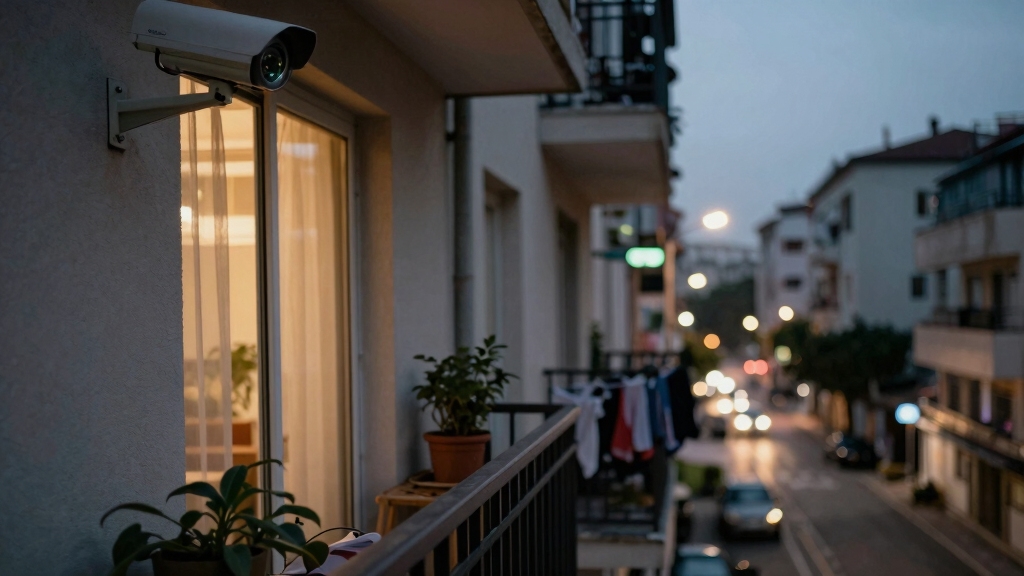
- Avoid pointing cameras toward neighbors’ windows, private yards, or fenced areas to prevent privacy violations.
- Never place cameras in sensitive areas such as bathrooms, bedrooms, or locker rooms, where recording is both unethical and often illegal.
Additionally, it is important to notify tenants when cameras are installed in public or semi-public areas of rental properties to comply with local laws.
How Audio Recording With Security Cameras Affects Privacy?
You know, when it comes to audio recording with security cameras, it’s really important to grasp the whole consent thing. Even if you’re allowed to capture video, you often still need explicit permission for audio. Ignoring these consent rules can land you in some serious legal trouble, like hefty fines or even criminal charges. It’s crucial to verify state laws beforehand, as some states require all-party consent for audio recordings.
Audio Consent Requirements
Although video recording with security cameras often falls within legal bounds, capturing audio introduces a separate and more complex layer of privacy regulation.
You need to understand that audio recording usually requires explicit consent, which varies markedly by jurisdiction.
Without proper consent, you risk violating privacy laws, even if your video recording is lawful.
To navigate audio consent responsibly:
- Identify whether your state requires one-party or all-party consent before recording audio.
- Inform all parties involved that audio recording is taking place, either through clear signage or direct notification.
- Limit audio capture to essential areas where conversations are expected and relevant to security, avoiding private or sensitive spaces.
Additionally, be aware that some security cameras have built-in microphones, so understanding audio recording capabilities is crucial for compliance.
Legal Risks of Recording
Since audio recording with security cameras often triggers stricter legal scrutiny than video alone, you must carefully consider the potential risks before capturing sound.
Unlike video, audio recordings typically require explicit consent under many state and federal laws, especially when recording private conversations.
Failing to obtain this consent can expose you to criminal charges, civil lawsuits, or hefty fines.
Even if your camera placement is lawful, capturing audio without clear disclosure can violate privacy expectations.
You should review local statutes thoroughly and, when possible, disable audio features to avoid unintended legal consequences.
Transparency about audio capabilities and consent protocols minimizes risk and respects privacy.
Balancing security benefits against these legal obligations is essential to maintain compliance and protect yourself from liability.
Additionally, offline systems that do not use WiFi connectivity for real-time alerts and monitoring can reduce unauthorized data transmission risks associated with audio recordings.
Common Acceptable Locations For Security Cameras
When placing security cameras, focusing on areas with low expectations of privacy helps guarantee legal and ethical compliance. You should prioritize locations where monitoring protects property without infringing on personal spaces.
Common acceptable locations include:
- Driveways, sidewalks, and front porches visible from public areas, where visibility reduces privacy concerns.
- Building entrances and exits, essential for security but typically outside private zones.
- Outdoor common areas such as parking lots or apartment hallways, where individuals have a diminished expectation of privacy.
Avoid aiming cameras at neighbors’ windows or enclosed private yards. Position cameras thoughtfully to prevent capturing private interiors or sensitive conversations. By doing so, you maintain respect for privacy while effectively enhancing security.
This balances safety needs with ethical considerations. It is also important to avoid recording areas where people expect privacy, such as bathrooms or private rooms, to comply with legal restrictions.
When Do Cameras Cross The Line Into Private Spaces?
While placing cameras in public or semi-public areas often stays within acceptable bounds, you need to recognize the point where surveillance intrudes on private spaces.
Installing cameras in public spaces is usually fine, but be mindful not to invade private areas.
Cameras cross the line when they record areas where a reasonable person expects privacy, like bathrooms, bedrooms, or private yards.
If your camera captures neighbors’ windows or fenced spaces, it likely violates privacy.
Even in your home, avoid recording private conversations without consent, as audio laws may apply.
Intrusion increases when cameras gather excessive detail or monitor beyond necessary security zones.
You must carefully position devices to respect boundaries and avoid legal issues.
Balancing safety with privacy means limiting coverage to essential areas, avoiding hidden angles, and ensuring transparency with those recorded.
This approach helps prevent crossing into protected private spaces.
When concerns arise, starting with communication and neighbor relations can often resolve issues amicably before considering legal steps.
Why Hidden Security Cameras Raise Privacy Concerns?
Although hidden security cameras can offer discreet surveillance, they raise significant privacy concerns that you should carefully consider. When you install a camera covertly, you risk violating the reasonable expectation of privacy that people rely on in private or semi-private spaces.
Hidden cameras can capture intimate or sensitive moments without consent, breaching trust and personal boundaries. They can also record private conversations, potentially violating audio-consent laws and exposing you to legal consequences.
These factors create ethical dilemmas by eroding transparency and fostering discomfort among those unknowingly recorded.
These legal and moral risks heighten the need to weigh the benefits against the potential infringement on privacy. Hidden cameras lack the openness that encourages respectful surveillance, making them especially problematic in settings where privacy is paramount.
How To Position Security Cameras To Respect Privacy?
To respect privacy, you should position security cameras carefully to focus on entrances, property boundaries, and other non-private areas.
Position security cameras thoughtfully, targeting entrances and property edges to uphold privacy and security.
Avoid angles that capture neighbors’ windows, private yards, or fenced spaces, as this can infringe on their reasonable expectation of privacy.
When installing cameras outdoors, limit their field of view to your property to prevent accidental recording of public or private areas beyond your control.
Indoors, place cameras only in shared spaces where occupants are aware and consent is given.
Always refrain from placing cameras in bathrooms, bedrooms, or other private rooms.
By thoughtfully selecting camera locations, you reduce ethical concerns and legal risks while maintaining effective security coverage.
Precision in placement balances safety needs with respect for personal privacy rights and fosters trust among residents and visitors.
Legal Risks Of Misusing Security Cameras And Benefits Of Transparency
Proper camera placement is only one part of responsible security surveillance. Misusing cameras can expose you to serious legal risks, including civil lawsuits, criminal charges, and hefty fines.
These risks often arise when you record areas with a reasonable expectation of privacy or capture private conversations without consent. To mitigate these risks and promote trust, transparency is essential.
You should:
- Clearly disclose camera locations to residents, guests, or employees.
- Limit footage to necessary areas like entrances and public spaces.
- Avoid hidden or intrusive cameras that violate privacy expectations.
Being transparent not only reduces legal liability but also fosters cooperation and respect among those under surveillance.
Balancing safety with privacy safeguards helps you maintain ethical surveillance practices while complying with legal standards.
Frequently Asked Questions
How Do Security Cameras Impact Neighborhood Trust and Community Relations?
You’ll find that security cameras can both strengthen and strain neighborhood trust. When used transparently and responsibly, they boost safety and create a sense of shared vigilance.
However, if cameras feel intrusive or capture private spaces, you might notice increased suspicion and discomfort among neighbors. Balancing security with respect for privacy helps maintain positive community relations and prevents feelings of surveillance or mistrust from taking root in your neighborhood.
What Are the Best Practices for Securing Recorded Video Data?
To secure recorded video data, you should use strong, unique passwords and enable encryption to protect footage from unauthorized access.
Regularly update your camera firmware and software to patch vulnerabilities. Limit access to trusted individuals only and consider multi-factor authentication.
Store videos securely, either locally with restricted physical access or on encrypted cloud servers with privacy-respecting policies.
Always comply with local laws regarding data retention and consent to minimize risks.
Can Security Cameras Deter Crime Effectively in Residential Areas?
You hold a silent guardian that can cast shadows on crime’s ambitions.
Security cameras often deter criminals by increasing the risk of being caught, especially in visible residential spots.
But they’re no silver bullet; effectiveness depends on placement, visibility, and community awareness.
You should pair cameras with good lighting and neighborhood watch efforts.
Keep in mind, cameras alone don’t stop all crime; they’re part of a broader, cautious security strategy.
How Do Privacy Laws Vary Between States or Countries?
Privacy laws vary widely depending on where you live. Some states or countries require explicit consent for audio recording, while others focus mainly on camera placement.
You’ll find stricter rules around private spaces like bedrooms or bathrooms in many jurisdictions. Public areas generally have fewer restrictions, but local laws might limit surveillance coverage or data retention.
You need to research your specific state or country laws carefully before installing cameras to stay compliant.
What Rights Do Visitors Have Regarding Surveillance on Private Property?
Imagine stepping onto someone’s porch, the subtle gaze of a camera watching your every move.
As a visitor, you have limited rights. You generally can’t demand cameras be removed, but you do have a reasonable expectation not to be recorded in private areas like inside the home or bathrooms.
Hosts should inform you if indoor cameras are active.
Always stay alert to local laws and consent requirements, as they shape your privacy protections.
Final Thoughts on Security Cameras and Privacy
You might think installing security cameras is a simple safety measure, but the line between protection and privacy invasion is razor-thin.
If you don’t carefully consider legal rules, placement, and audio recording, you risk crossing into private spaces. You may unintentionally violate others’ rights.
By positioning cameras thoughtfully and being transparent, you not only reduce legal risks but also respect privacy.
Ultimately, balancing security and privacy demands your cautious, detailed attention every step of the way.