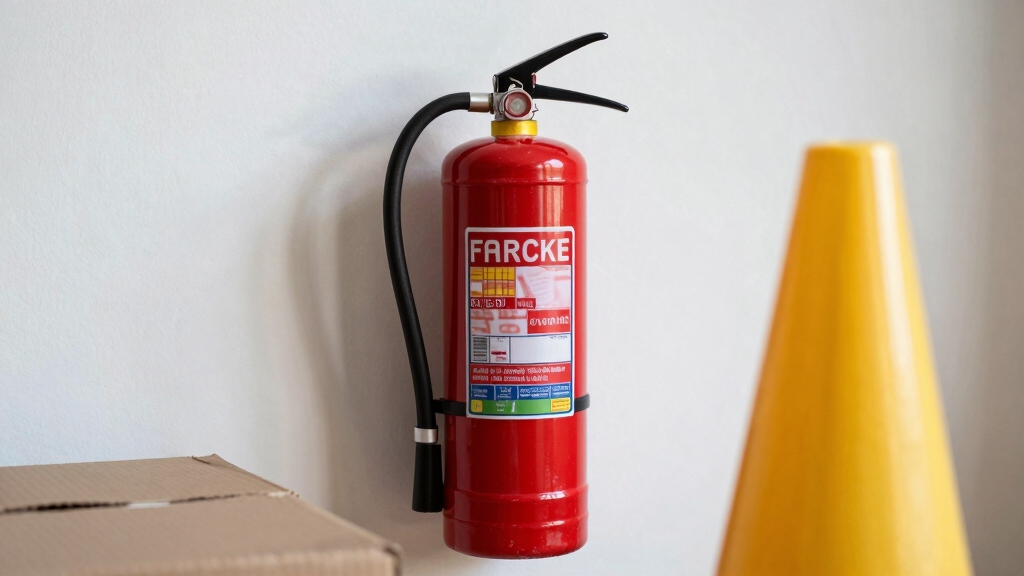

You must place “Do Not Block Fire Extinguisher” signs where they’re highly visible, typically 6 to 8 feet above the floor and directly above the extinguisher. This guarantees clear sightlines from multiple angles.
Keep the area free of obstructions like shelving or decorations and comply with OSHA and NFPA standards for safety and accessibility.
Using bold colors and durable materials helps maintain visibility over time. Following these practices improves emergency response and keeps you compliant.
Learn how proper placement and maintenance further enhance extinguisher safety.
Key Takeaways
- Mount “Do Not Block” signs above fire extinguishers at 6 to 8 feet for clear, unobstructed visibility from multiple angles.
- Use bold white lettering on a red background to ensure high contrast and quick recognition during emergencies.
- Position signs away from shelving, decorations, or equipment to prevent visual obstructions and maintain clear sightlines.
- Regularly inspect signage and surrounding areas to remove any obstructions and maintain compliance with OSHA and NFPA standards.
- Clear communication via “Do Not Block” signs improves emergency response speed and ensures extinguishers remain accessible at all times.
Why “Do Not Block Fire Extinguisher” Signs Matter?
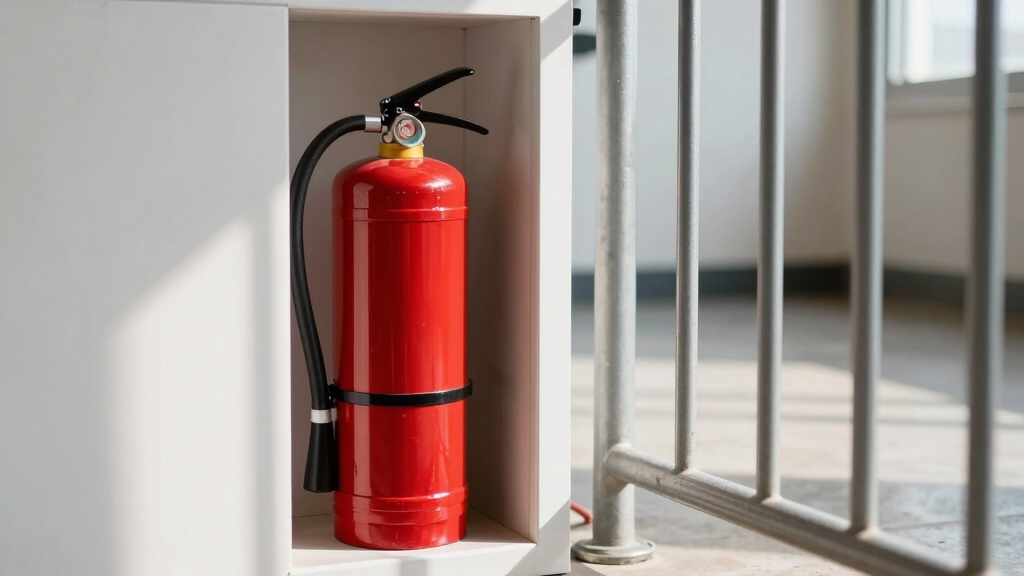
Although fire extinguishers are essential safety tools, they won’t help if you can’t find or reach them quickly during an emergency. That’s why “Do Not Block Fire Extinguisher” signs are critical. They guarantee extinguishers remain visible and accessible at all times.
Fire extinguishers must be visible and accessible—clear signage ensures quick access when emergencies strike.
These signs remind everyone to keep pathways clear, preventing accidental obstruction by equipment, supplies, or furniture. By highlighting extinguisher locations, signs improve response speed, potentially saving lives and property.
They also promote compliance with OSHA and NFPA accessibility requirements, reducing liability risks. When you install clear, durable signage, you create a safer workplace environment and reinforce emergency preparedness.
Simply put, these signs aren’t just reminders. They’re essential tools that help you maintain quick, unobstructed access when every second counts. Regular monthly inspections help ensure extinguishers remain accessible and fully operational.
Understanding OSHA and NFPA Requirements for Fire Extinguisher Signs
Keeping fire extinguishers visible and accessible is more than just good practice. It’s a regulatory requirement set by OSHA and NFPA.
OSHA 1910.157 mandates clear identification and unobstructed access to extinguishers. NFPA 10 governs visibility standards and signage specifics.
You must ensure signs are placed where they’re clearly visible, especially if extinguishers are inside cabinets or behind obstacles.
| Requirement | Impact |
|---|---|
| Clear Signage | Prevents blocked access |
| Visible Placement | Saves critical seconds in emergency |
| Compliance with OSHA/NFPA | Avoids fines and legal issues |
Following these standards isn’t optional. It protects lives and keeps your workplace compliant.
Don’t risk delays during emergencies. Adhere strictly to OSHA and NFPA guidelines for your fire extinguisher signs.
For optimal safety, the proper placement and accessibility of fire extinguishers is essential to ensure quick and effective response during an emergency.
Best Placement Practices for Fire Extinguisher Signs
When it comes to placing fire extinguisher signs, aiming for a height of 6 to 8 feet is key. This range really helps ensure they’re easy to spot and keeps them clear of any obstacles.
You want to make sure that anyone can see the signs from different angles, so it’s best to avoid spots where equipment or decorations might get in the way.
Also, don’t forget about accessibility and compliance standards! Following these not only keeps your workplace safe but also helps you meet necessary regulatory requirements.
It’s all about creating a safe environment for everyone. Regular inspections and maintenance of fire extinguishers and their signage are essential to ensure ongoing safety and compliance.
Optimal Sign Height
When placing fire extinguisher signs, setting the ideal height is essential to guarantee they catch attention quickly during emergencies. Mount signs between 6 and 8 feet above the floor to ensure clear visibility from a distance.
Positioning signs too low risks being blocked by equipment or furniture, while placing them too high can cause them to be overlooked.
Keep in mind ADA rules limiting protrusion between 27 and 80 inches to 4 inches max. Consider these points for optimal height placement:
- Mount signs 6-8 feet above floor level.
- Clear obstacles like shelving or doorways.
- Ensure visibility from multiple angles.
- Comply with ADA protrusion limits.
- Verify height suits your specific environment.
Additionally, maintaining clear, unobstructed pathways to fire extinguishers is critical for ensuring quick access and compliance with safety standards.
Visibility and Clearance
To make sure fire extinguisher signs stand out, always clear the area around them from any obstructions that could block visibility. Position signs above extinguishers at 6 to 8 feet high, keeping them free from shelving, decorations, or equipment that might obscure the view.
Assure signs are visible from multiple angles and distances, so anyone can quickly locate emergency equipment. Remember, signs should never be hidden behind displays or furniture and must comply with ADA limits on protrusion between 27 and 80 inches from the floor.
Regularly inspect sign placement to maintain clear sightlines and update as necessary. By prioritizing visibility and clearance, you enhance safety and assure signs fulfill their critical purpose in emergencies.
Clear visibility is essential because proper extinguisher use depends on quick access and identification of the device during a fire, as outlined in the PASS method.
Accessibility and Compliance
Clear visibility sets the foundation, but ensuring accessibility and compliance guarantees that fire extinguishers can be reached quickly and safely during emergencies. You need to follow OSHA and NFPA standards, placing signs and extinguishers strategically for maximum reach and safety.
Here are best practices you should apply:
- Mount signs 6 to 8 feet above the floor for clear visibility.
- Keep travel distance to extinguishers within 75 feet per OSHA.
- Avoid obstructions like shelves or decorations blocking access.
- Use recessed cabinets to prevent protrusion hazards in walkways.
- Confirm compliance with local fire codes and conduct regular walkthroughs.
- Regular inspection and maintenance of extinguishers ensure they remain fully operational when needed.
Choosing Materials and Sizes for “Do Not Block” Fire Extinguisher Signs
Although the message on “Do Not Block Fire Extinguisher” signs remains consistent, selecting the right materials and sizes is essential to guarantee durability, visibility, and compliance in your specific environment.
Choose materials like aluminum or durable plastic for long-lasting signs that withstand wear and environmental factors. Size matters too; larger signs improve visibility in busy or large spaces, while smaller ones fit tight areas without causing obstruction.
| Material | Best Use |
|---|---|
| Aluminum | Outdoor, high-durability |
| Plastic | Indoor, cost-effective |
| Laminated Paper | Temporary, low-cost |
| Magnet | Temporary, movable signs |
Pick sizes that meet mounting height and visibility standards, ensuring your sign stands out without interfering with walkways or equipment. Proper signage helps ensure clear access to fire extinguishers, which often utilize stored-pressure design for rapid deployment during emergencies.
Design Features for Visible, Accessible Fire Extinguisher Signs
When you design fire extinguisher signs, you need to make sure they grab attention instantly and remain visible from multiple angles. Clear visibility prevents delays during emergencies and guarantees compliance with OSHA and NFPA standards.
Fire extinguisher signs must capture attention quickly and stay visible from all angles to ensure safety and compliance.
Use bold white lettering on a red background to maximize contrast and readability. Position signs at 6 to 8 feet high, avoiding obstructions and meeting ADA protrusion limits. Durable materials like aluminum or laminate guarantee long-lasting clarity.
Key design features include:
- High-contrast colors for quick recognition
- Standardized symbols and wording
- Multiple size options to fit different locations
- Non-slip floor signs for added safety
- Weather-resistant materials for varied environments
These elements keep your signs effective and guarantee fire extinguishers stay accessible when needed most. Proper sign placement supports quick and safe access to extinguishers, which is essential for safe operating distance during an emergency.
Preventing Obstructions Around Fire Extinguisher Signs
It’s really important to keep fire extinguisher signs clear of obstructions. You know, things like shelving, decorations, or equipment can easily block them.
So, make sure to keep the area around those signs clear.
By doing this, you’ll ensure that they’re easily accessible and visible from different angles. This can really make a difference during an emergency, helping everyone find what they need without any delays.
Plus, it helps you stay compliant with safety regulations, which is always a good thing!
Clear walkways and unobstructed signs are essential to enable prompt evacuation and safe emergency response.
Identifying Common Obstructions
Since fire extinguisher signs play a critical role in emergency response, you must keep their visibility unobstructed at all times.
Common obstructions can easily block these crucial signs, delaying emergency action.
To maintain clear visibility, watch out for these frequent culprits:
- Shelving units or storage racks placed in front of signs
- Decorations or seasonal displays that cover or distract
- Equipment or machinery positioned too close
- Stacked boxes or pallets blocking line of sight
- Temporary signage or posters overlapping fire extinguisher signs
Additionally, it’s important to regularly inspect fire extinguishers to ensure they are not expired or faulty, as an expired extinguisher can fail during critical moments.
Maintaining Clear Access
Keep fire extinguisher signs and equipment fully accessible by regularly inspecting and removing any potential obstructions.
You need to check that nothing blocks the extinguisher or its sign, including boxes, furniture, or decorations.
Maintain a clear zone around the extinguisher, ensuring easy access within the required travel distance.
Enforce policies preventing staff from placing items in front of or near the extinguisher.
If you notice recurring obstructions, address the root cause immediately.
Regular walkthroughs help catch issues before they become hazards, ensuring compliance with OSHA and NFPA standards.
By keeping the area clear, you guarantee that in emergencies, responders can quickly locate and use the extinguisher without delay.
This proactive approach supports workplace safety and meets regulatory expectations for ready accessibility.
Enhancing Sign Visibility
Maintaining clear access to fire extinguishers also means making certain their signs remain fully visible at all times. You need to prevent any obstructions that could hide these critical markers.
Proper sign placement and regular checks help you comply with OSHA and NFPA standards while enhancing safety.
To keep fire extinguisher signs visible, you should:
- Mount signs 6 to 8 feet above the floor for clear sightlines.
- Avoid placing signs behind shelving, decorations, or displays.
- Make certain signs are visible from multiple angles and distances.
- Use bright colors with contrasting text (white on red) for quick recognition.
- Conduct routine walkthroughs to confirm no objects block the signage.
How “Do Not Block” Signs Enhance Fire Extinguisher Safety?
Although fire extinguishers are essential safety tools, their effectiveness depends on quick and easy access during emergencies.
“Do Not Block” signs play a critical role by clearly marking extinguisher locations and discouraging obstruction. This ensures you can locate and use them without delay.
These signs guarantee compliance with OSHA and NFPA standards, reducing response time and enhancing workplace safety.
| Benefit | Impact on Safety | Compliance Aspect |
|---|---|---|
| Visibility | Quick identification | OSHA 1910.157 |
| Accessibility | Unobstructed use | NFPA 10 |
| Awareness | Employee vigilance | Local fire codes |
| Clear communication | Reduced emergency risk | Emergency response law |
Easy Tips to Stay Compliant With Fire Extinguisher Signage
When you want to ensure compliance with fire extinguisher signage regulations, focus on proper placement, visibility, and regular inspections.
Mount signs 6 to 8 feet above the extinguisher, ensuring they’re unobstructed and visible from multiple angles.
Keep travel distances within OSHA limits and clear the area around extinguishers at all times.
Regular walkthroughs help catch any issues before they become violations.
Here are easy tips to stay compliant:
Position signs high enough to avoid obstructions like shelves or decorations.
Use clear, contrasting colors (white on red) for maximum attention.
Verify signs don’t protrude beyond ADA limits.
Conduct routine inspections for blocked or damaged signage.
Consult local fire authorities to confirm additional requirements.
These steps guarantee accessibility and meet regulatory standards efficiently.
Frequently Asked Questions
Can “Do Not Block” Signs Be Customized With Company Logos?
Yes, you can customize “Do Not Block” signs with your company logo, but make sure the essential safety message stays clear and highly visible.
The sign’s red and white color scheme and lettering must remain prominent to comply with OSHA and NFPA standards.
Adding a logo is acceptable as long as it doesn’t distract from or obscure the critical warning.
Always verify your custom signs meet local fire safety regulations before installation.
Are There Penalties for Not Displaying These Signs Properly?
You’d think ignoring fire extinguisher signs would be harmless, but penalties can hit like a lightning bolt.
OSHA can fine you heavily if these signs aren’t properly displayed or if extinguishers are blocked.
Beyond fines, improper signage risks employee safety and legal liability. You must follow OSHA and NFPA standards to avoid these consequences.
Stay proactive. Properly placed signs protect lives and keep your workplace compliant.
How Often Should Fire Extinguisher Signs Be Inspected or Replaced?
You should inspect fire extinguisher signs regularly during your routine safety checks, ideally monthly, to make certain they remain visible, legible, and undamaged.
Replace signs immediately if they’re faded, peeling, or obstructed. Annual full safety audits should include a thorough review of all signage.
Staying proactive helps maintain compliance with OSHA and NFPA standards, making certain emergency equipment is always easy to locate and accessible when needed.
Can These Signs Be Used Outdoors in Harsh Weather Conditions?
Yes, you can use “Do Not Block Fire Extinguisher” signs outdoors if you choose durable materials like aluminum or weather-resistant plastic.
These materials withstand harsh weather conditions, ensuring long-lasting visibility. Make sure the sign’s mounting method also holds up against wind and moisture.
Regularly inspect outdoor signs for wear or fading to maintain compliance and effectiveness in alerting people to keep extinguishers accessible during emergencies.
Are Digital or Illuminated “Do Not Block” Signs Available?
Yes, you can find digital and illuminated “Do Not Block” signs designed for fire extinguishers.
These signs enhance visibility, especially in low-light or high-traffic areas, using LED lighting or backlit displays.
They’re durable and often weather-resistant for indoor or semi-outdoor use.
You should check with specialized safety suppliers to get models that meet regulatory requirements and fit your workplace’s specific needs.
This ensures compliance and maximum awareness.
Keep It Clear, Keep It Safe: A Simple Rule That Saves Lives
You can’t afford to let fire extinguisher signs become invisible obstacles. Like a lighthouse guiding ships through a storm, clear “Do Not Block” signs steer everyone toward safety when seconds count.
By placing, maintaining, and respecting these signs, you’re not just following rules; you’re creating a safer environment for all. Keep fire extinguishers accessible and visible, and you’ll always be ready to act when it matters most.