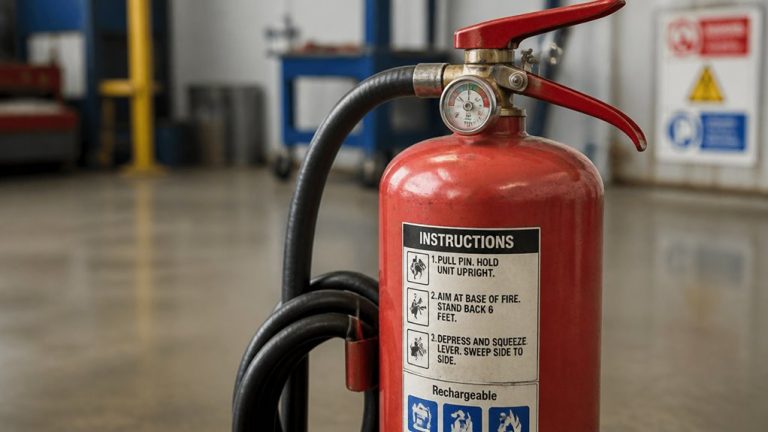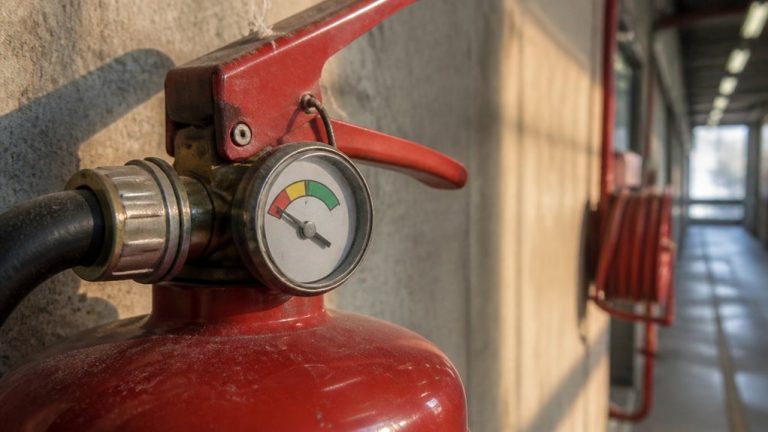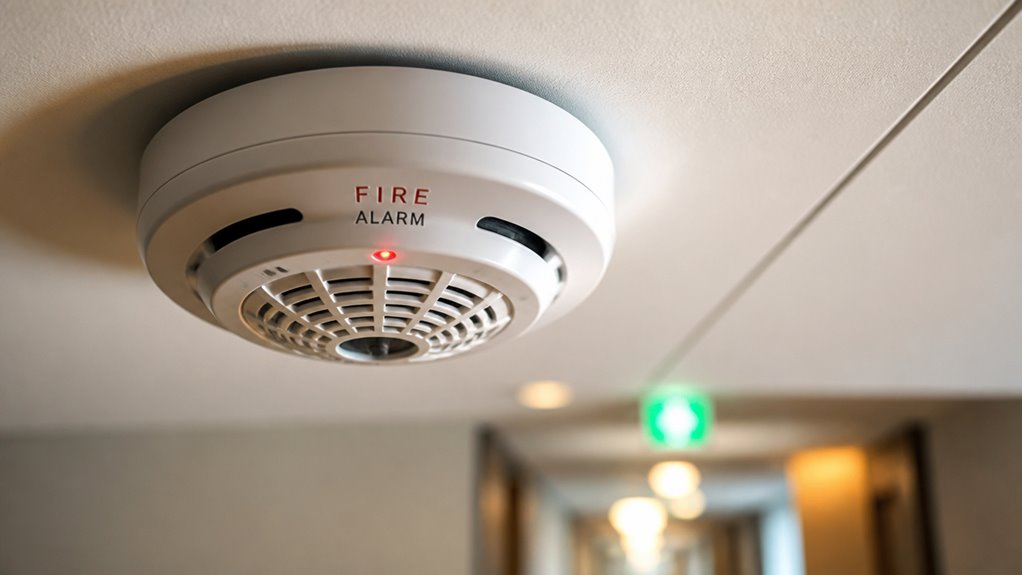

A monitored fire alarm automatically detects fire events and sends immediate alerts to a central monitoring center, ensuring continuous supervision even when no one is onsite.
You benefit from faster emergency response times, often 7–10 minutes quicker, because trained operators verify signals and notify responders instantly.
These systems integrate with safety features like sprinklers and emergency lighting for coordinated action.
Understanding their components, communication methods, and monitoring services will reveal how they protect your building thoroughly.
Key Takeaways
- A monitored fire alarm automatically sends fire alerts to a central monitoring center without onsite personnel.
- It continuously supervises alarm system status and fire detections in real time.
- Trained operators receive notifications 24/7 and promptly dispatch emergency responders.
- The system integrates with emergency protocols to reduce response times by up to 10 minutes.
- Communication occurs through reliable channels like cellular, internet, or phone lines for constant monitoring.
What Is a Monitored Fire Alarm?
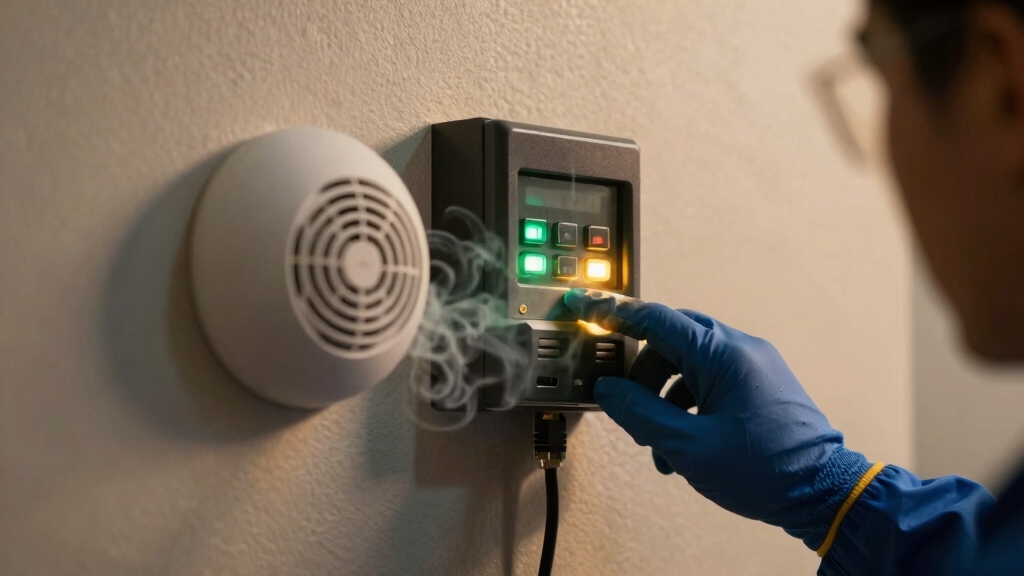
What exactly makes a fire alarm system “monitored”? It’s the automatic transmission of fire signals to a central station or fire control center the moment smoke, heat, or fire is detected.
You don’t have to worry about making a call because trained operators receive these alerts 24/7 and promptly dispatch emergency responders.
The system uses dedicated communication channels, such as cellular, internet, or phone lines, to guarantee consistent and immediate notification.
Even if no one’s on-site or occupants can’t call for help, the monitoring service guarantees rapid response.
This seamless integration between detection and communication eliminates delays, providing continuous surveillance and swift action to protect lives and property without requiring manual intervention from you or anyone else on location.
Monitored systems can reduce emergency response times by 7–10 minutes, significantly improving safety outcomes.
Main Parts of a Monitored Fire Alarm System
A monitored fire alarm system relies on several key components working together to detect and communicate fire emergencies effectively.
At its core, the Fire Alarm Control Panel (FACP) processes signals from initiating devices like smoke and heat detectors. These sensors detect fire indicators and trigger alerts instantly.
The Fire Alarm Control Panel instantly processes signals from smoke and heat detectors to trigger alerts.
Communication devices, including intercoms and loudspeakers, facilitate emergency instructions on-site. The system integrates with monitoring infrastructure, linking the FACP to a 24/7 central monitoring station via cellular, internet, or phone lines.
This guarantees continuous signal transmission and real-time oversight by trained professionals. Additionally, some systems connect with local fire prevention tools, such as sprinklers, enhancing fire suppression.
Supervision of initiating devices and circuits is essential to ensure system integrity and reliable operation.
Understanding these parts helps you appreciate how the system maintains rapid, automated fire detection and response readiness.
How Monitored Fire Alarms Send Emergency Alerts?
Monitored fire alarms transmit emergency alerts instantly through dedicated communication channels such as cellular networks, internet connections, or traditional phone lines.
When the fire alarm control panel detects smoke or heat, it immediately sends a signal to the central monitoring station via these secure pathways.
At the monitoring center, trained professionals receive and verify the alarm in real-time.
This continuous data transmission guarantees no signals are missed, even if you’re off-site or unable to respond.
The system’s communication devices maintain a constant link, allowing for prompt relay of critical information.
This rapid, automated transmission eliminates any delay caused by manual notification, enabling emergency responders to be dispatched swiftly and efficiently.
This maximizes safety and minimizes potential damage.
Reliable monitored fire alarm systems also incorporate redundant communication channels to ensure notifications are consistently delivered in compliance with NFPA 72 standards.
Why Automatic Fire Alarm Notification Is Crucial?
You really need automatic fire alarm notification. Why? Because it ensures immediate emergency alerts without having to rely on someone making a manual call. This is super important since it significantly cuts down response times.
With faster alerts, fire services can jump into action quickly and efficiently.
Plus, having consistent notifications means that the fire department gets alerted every single time, no matter who’s in the building or whether anyone is available to make that call. It’s just a smart way to keep everyone safer!
Regular inspection schedules help maintain the reliability of these automatic notifications by ensuring the system is always operational.
Immediate Emergency Alerting
When fire is detected, automatic notification systems instantly alert emergency services without requiring any manual action from you or building occupants.
These systems use dedicated communication pathways—cellular, internet, or phone lines—to transmit alarm signals directly to a central monitoring station.
There, trained professionals receive and evaluate the alert in real time before dispatching appropriate fire response teams.
This process guarantees continuous oversight, even if the building is unattended or occupants are incapacitated.
The fire alarm control panel integrates sensors detecting smoke or heat, triggering immediate signal transmission.
By automating emergency alerts, the system eliminates delays caused by manual calls, maintaining consistent and reliable communication with emergency responders around the clock.
This technology is essential for prompt intervention and occupant safety during fire incidents.
Backup power systems ensure the fire alarm remains operational during outages, preventing any recording gaps that could compromise response.
Reduced Response Time
Cutting down response time plays a critical role in minimizing fire damage and enhancing occupant safety.
When your monitored fire alarm system detects smoke or heat, it immediately sends signals to a central station, triggering rapid action without waiting for manual calls.
This speed is crucial because:
- Automatic notification eliminates delays caused by human response or absence on-site.
- Real-time monitoring guarantees emergency teams dispatch instantly upon detection.
- Continuous signal transmission maintains alert status, preventing missed or ignored alarms.
Monitored systems are also recommended to provide automatic notification to emergency responders, ensuring prompt and coordinated fire response.
Consistent Fire Department Notification
Rapid response times markedly reduce fire damage, but the effectiveness of emergency intervention also relies on consistent notification to fire departments.
When your monitored fire alarm detects smoke or heat, it immediately transmits a signal to a central monitoring station, no human action needed. This guarantees fire departments receive alerts promptly, regardless of building occupancy or occupant ability to call.
The system’s dedicated communication pathways—cellular, internet, or phone lines—maintain continuous contact with the monitoring center, guaranteeing that notifications aren’t missed or delayed.
By eliminating reliance on manual calls, your fire alarm provides consistent, automatic fire department notification, enabling faster dispatch of emergency responders.
This reliability is critical for minimizing risk and damage, enhancing occupant safety, and guaranteeing that fire departments can intervene swiftly every time.
Before any testing or troubleshooting of the system, it is essential to contact authorities to ensure the system is placed on test mode and to prevent unnecessary emergency dispatches.
Comparing Monitored and Non-Monitored Fire Alarms
Although both monitored and non-monitored fire alarms detect smoke or fire, they differ substantially in how they respond to emergencies.
When you rely on a monitored system, it automatically alerts a central station, ensuring emergency services are notified without any manual intervention.
In contrast, non-monitored alarms only sound a local alert, requiring someone on-site to call for help.
Here’s what you should know:
- Response Automation: Monitored systems transmit signals directly to a monitoring center. Non-monitored systems depend on occupants to act.
- Reliability: Monitored alarms guarantee emergency notification even if no one is present. Non-monitored alarms risk delayed response.
- Safety Impact: Monitored alarms reduce damage by enabling rapid intervention. Non-monitored alarms may allow fires to escalate unchecked.
- Monitored systems include verification processes that help reduce false alarms and ensure emergency responders are dispatched only when necessary.
How Monitoring Centers Handle Fire Alarm Alerts?
Understanding how monitoring centers handle fire alarm alerts sheds light on the critical role these facilities play in guaranteeing timely emergency responses.
When a fire alarm triggers, the system instantly sends a signal to the monitoring center via secure communication lines. Trained operators verify the alert by analyzing sensor data and then promptly notify local fire services. This process guarantees rapid intervention even if no one is on-site.
| Step | Description |
|---|---|
| Signal Reception | Alarm signals received through multiple channels |
| Verification | Operators assess alert validity and severity |
| Emergency Dispatch | Fire department notified without delay |
This streamlined workflow minimizes response times and maximizes safety by maintaining constant surveillance and immediate action. Monitoring centers often rely on centralized real-time data from fire alarm systems to ensure accurate and efficient alert management.
Benefits of a Monitored Fire Alarm for Your Building
When you install a monitored fire alarm system in your building, you guarantee that emergency services receive immediate notification without any manual intervention. This automatic alert reduces response times markedly, enhancing occupant safety and minimizing property damage.
The system operates continuously, assuring no delay whether the building is occupied or not.
Here are three key benefits for your building:
- Rapid Emergency Response: Signals are instantly transmitted to a monitoring center staffed 24/7 by trained professionals who dispatch fire services immediately.
- Consistent Safety: The system assures reliable notification regardless of occupant availability, eliminating human error in emergency reporting.
- Early Detection: Integrated sensors detect fire indicators promptly, triggering alerts that prevent escalation and protect assets.
Installing a monitored fire alarm provides a technical safeguard critical for all-encompassing fire protection. Regular testing procedures ensure the system remains fully functional and ready to respond effectively in emergencies.
How Monitored Fire Alarms Work With Other Safety Systems?
In conjunction with other safety systems, monitored fire alarms form an integrated network that enhances overall fire protection and emergency response.
You’ll find these alarms interconnected with sprinkler systems, emergency lighting, and building access controls to ensure a coordinated reaction during fire events.
When smoke or heat triggers the fire alarm control panel, it simultaneously activates sprinklers to suppress flames, powers emergency exit lights, and releases doors for safe evacuation.
This synchronization reduces response time and limits fire damage.
Additionally, the monitored system communicates real-time status updates to central monitoring, allowing operators to coordinate with first responders effectively.
Common Ways Monitored Fire Alarms Communicate
Monitored fire alarms rely on multiple communication methods to quickly relay signals to central monitoring stations, guaranteeing prompt emergency response.
These communication pathways are critical to maintaining constant, reliable contact between your fire alarm system and the monitoring center.
Here are three common ways monitored fire alarms communicate:
- Cellular Networks: Use cellular signals to transmit alarm data securely. This method is unaffected by traditional phone line failures.
- Internet Protocol (IP) Connections: Send real-time alerts over broadband or fiber-optic networks. This enables rapid and continuous data transmission.
- Landline Telephone Lines: Utilize existing wired phone infrastructure, offering a direct and stable communication channel.
Each method guarantees your alarm system promptly notifies professionals. This reduces response times and enhances building safety.
What to Expect From a Professional Fire Alarm Monitoring Service?
When you choose a professional fire alarm monitoring service, you can expect round-the-clock signal surveillance.
This means that every alarm is continuously monitored, so nothing slips through the cracks.
Trained operators are on the job, assessing emergency signals in real time.
They verify incidents before calling in responders, which adds an extra layer of safety.
This constant oversight ensures that, even if no one is on-site, help can arrive quickly and accurately.
You can rest easy knowing that your safety is in good hands!
Real-Time Emergency Assessment
When a fire alarm triggers, a professional monitoring service springs into action immediately. They analyze the signals transmitted from your system to verify the alarm’s authenticity and severity within seconds.
Here’s what you can expect during this real-time assessment:
- Signal Verification: Trained operators interpret incoming data from smoke or heat detectors. They differentiate false alarms from real threats.
- Status Evaluation: They assess the location and extent of the fire based on sensor input and system codes.
- Emergency Dispatch: Once confirmed, the service promptly notifies local fire departments. They provide critical details to accelerate response.
This precise, rapid assessment minimizes response time. It guarantees help arrives fast even if you’re off-site or unable to act.
Continuous Signal Surveillance
Professional fire alarm monitoring services consistently maintain continuous signal surveillance to guarantee no critical alert goes unnoticed.
You can expect these services to monitor your fire alarm system 24/7, assuring every signal, whether a smoke detector activation or system fault, is instantly received and verified.
The system’s control panel transmits real-time data via secure communication channels like cellular or internet connections to a central monitoring station.
Trained operators continuously assess signals, differentiating false alarms from genuine emergencies.
This uninterrupted oversight not only confirms alarm integrity but also detects communication failures promptly, triggering immediate maintenance alerts.
By maintaining this constant vigilance, professional monitoring services assure rapid emergency response, minimizing risk and potential damage even when no one is onsite.
You benefit from seamless, reliable protection backed by precise, real-time signal surveillance.
Frequently Asked Questions
How Often Should a Monitored Fire Alarm System Be Professionally Serviced?
You should have your monitored fire alarm system professionally serviced at least once a year to ensure peak performance.
Regular maintenance includes testing detectors, control panels, and communication devices to confirm reliable signal transmission to the monitoring center.
Additionally, professional inspections identify worn components or wiring issues early, preventing false alarms or system failures.
Following the manufacturer’s guidelines and local fire codes guarantees consistent protection and rapid emergency response when it matters most.
Can Monitored Fire Alarms Be Integrated With Smart Home Systems?
You can seamlessly connect monitored fire alarms with smart home systems, creating a synchronized safety network.
Imagine your alarm not only triggering alerts but also adjusting your thermostat, granting access to doors, or sending notifications to your phone.
This integration uses communication protocols like Z-Wave or Wi-Fi, allowing real-time monitoring and control.
It enhances convenience and safety by merging fire detection with smart automation, ensuring your home reacts swiftly during emergencies while you stay informed remotely.
What Happens if the Communication Pathway to the Monitoring Center Fails?
If the communication pathway to the monitoring center fails, your fire alarm system typically switches to a backup method, like cellular or internet failover, to maintain connection.
If all pathways fail, the system will still sound local alarms to alert occupants. Many systems notify you or the monitoring company of the communication failure, so you can address the issue promptly and guarantee continuous monitoring and rapid emergency response.
Are Monitored Fire Alarm Systems Covered by Insurance Discounts?
Think of a monitored fire alarm like a vigilant guardian that never sleeps.
Yes, many insurers offer discounts, often 5% to 15%, because these systems reduce fire damage risk through rapid emergency response.
When you install one, you’re not just protecting your property; you’re signaling to insurers that you’ve minimized potential losses.
This proactive safety measure usually translates into lower premiums, reflecting the system’s proven effectiveness in mitigating fire-related claims.
How Long Does It Take for Emergency Services to Respond After Alert?
Emergency services usually respond within minutes after a monitored fire alarm alerts the central station.
Once the system detects fire or smoke, it instantly sends a signal to trained operators who verify the emergency and notify responders without delay.
This rapid communication minimizes response time, ensuring firefighters arrive quickly, often faster than if occupants had to call manually.
Your system’s 24/7 monitoring guarantees swift intervention regardless of occupancy or time.
Choose the Right Monitored Fire Alarm System
You might not know that properties with monitored fire alarms experience a 50% faster emergency response time. This means your building and everyone inside gets help quicker, markedly reducing damage and risk.
By choosing a monitored fire alarm, you’re ensuring continuous, professional oversight that detects fires immediately and notifies responders automatically. Investing in this technology isn’t just smart; it’s essential for safety, protection, and peace of mind.
Don’t leave fire safety to chance.