
When choosing between Ring and other security cameras, you get simplified setup with multiple power options, including solar and battery, enabling flexible placement.
Ring’s advanced 3D radar sensors improve motion detection accuracy but offer 1080p resolution, which competitors often exceed.
Storage relies solely on Ring’s subscription cloud, unlike some rivals that include local storage.
Priced from budget to premium tiers, Ring integrates mainly with Alexa and offers unique professional monitoring services.
Explore further to understand how these features stack up.
Key Takeaways
- Ring cameras offer simplified DIY installation with wireless, battery, hardwired, and solar power options for versatile placement and off-grid use.
- Ring’s motion detection uses advanced 3D radar technology for improved accuracy and fewer false alerts compared to many competitors.
- Video quality is consistently 1080p HD with color night vision, but competitors like Arlo and Lorex provide higher resolutions up to 4K.
- Ring relies exclusively on cloud storage with subscription plans, while some competitors offer local storage options reducing ongoing fees.
- Ring integrates primarily with Amazon Alexa and offers optional professional monitoring starting at $3/month, but has limited support for Google Assistant or Apple HomeKit.
Security Cameras vs Ring: Key Features Compared
| Comparison Factor | Ring Cameras | Other Security Cameras |
|---|---|---|
| Installation | Offers a simple DIY setup with wireless and wired models | Setup ranges from easy wireless installation to complex wired systems |
| Video Resolution | Most models provide 1080p HD video | Some alternatives provide 2K or 4K footage with greater detail |
| Motion Detection | Uses 3D radar technology on selected models for precise alerts | Detection may include AI recognition, activity zones, or standard sensors |
| Storage Options | Primarily depends on subscription-based cloud storage | Many systems support cloud storage, local storage, or both |
| Power Choices | Available with battery, solar, plug-in, and hardwired power | Power availability varies depending on the camera model and system |
| Smart-Home Support | Works most smoothly with Amazon Alexa and Echo devices | Some alternatives support Google Assistant, Apple Home, Alexa, or multiple platforms |
| Monitoring Support | Offers integrated professional monitoring with eligible systems | Monitoring may require a separate provider or compatible alarm system |
| Best Suited For | Users wanting simple setup, flexible power, and Alexa integration | Users prioritizing higher resolution, local storage, or wider compatibility |
How Does Ring’s Setup and Convenience Compare to Other Security Cameras?
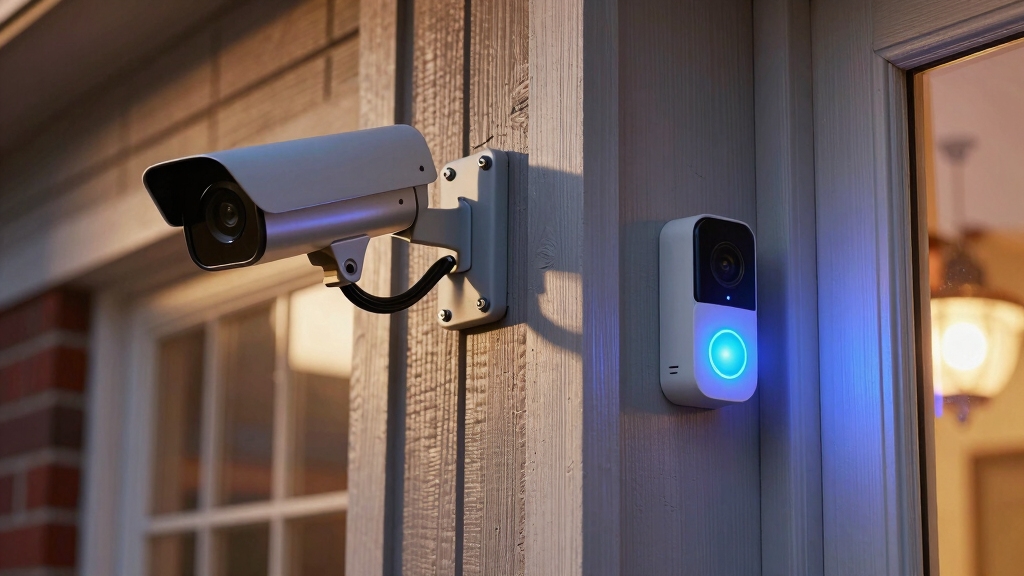
Although some security camera systems require complex installations, Ring simplifies the setup process. This allows you to get your system operational with minimal technical expertise.
Ring’s simplified setup makes security system installation easy, even for users with minimal technical skills.
Its DIY-friendly design reduces installation time markedly compared to custom-built or bundled alternatives. This saves roughly one hour annually on upkeep.
You can choose between wireless or wired options, avoiding the need for professional assistance. Ring also offers a seamless upgrade path to monitored alarm services, enhancing convenience without hardware replacement.
This streamlined approach offsets Ring’s higher initial costs by reducing ongoing maintenance efforts. Compared to competitors requiring intricate configurations, Ring’s user-centric setup and maintenance model provide a clear efficiency advantage.
This makes it a practical choice for users prioritizing ease of installation and operational simplicity.
Additionally, the system includes a built-in siren and cellular backup to maintain security during power or internet outages.
How Do Ring Cameras Perform in Resolution and Video Quality?
How well do Ring cameras capture critical details compared to competitors?
Ring cameras consistently deliver 1080p HD resolution, ensuring clear video quality suitable for most residential and small business security needs.
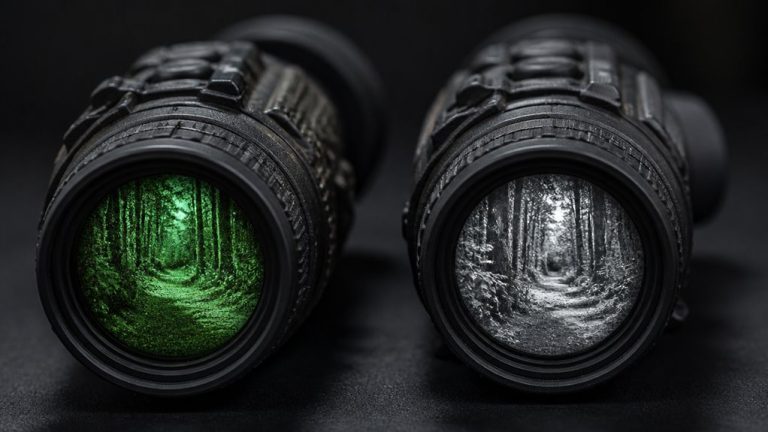
They include color night vision, enhancing image clarity in low-light conditions.
However, competitors like Arlo and Lorex provide higher resolutions, up to 4K and 2K respectively, offering markedly sharper and more detailed footage.
While Ring’s maximum resolution limits the granularity of captured details, its optimized video compression maintains smooth streaming and efficient bandwidth use.
The Spotlight Cam Battery, Ring’s recommended model, balances video clarity with power efficiency and ease of use.
Blink cameras similarly provide consistent 1080p HD video with color night vision and clear audio, making them competitive alternatives for basic home security.
What Storage Options and Cloud Plans Does Ring Offer Compared to Competitors?
When evaluating storage options and cloud plans, Ring relies exclusively on cloud storage through its Ring Home subscription services. This contrasts with competitors like Lorex that offer local storage via 32GB microSD cards.
This approach guarantees consistent remote access but mandates ongoing fees. Key considerations include:
- Ring Home Basic costs $4.99/month, covering one device with event-based recording.
- Ring Premium at $19.99/month offers 180 days of event history plus 14 days continuous recording on wired cameras.
- Competitors like Lorex provide local storage, eliminating subscription dependency but limiting remote backup.
- Blink supports local storage, offering a simpler alternative to Ring’s exclusive cloud model.
You’ll need to weigh Ring’s cloud convenience against competitors’ local storage flexibility when choosing your system. It is important to note that unlike proprietary systems such as Spectrum’s now-discontinued service, Ring’s open platform supports third-party integration and ongoing software updates.
How Does Ring’s Pricing and Value Compare to Other Brands?
Understanding the cost of storage plans is important, but comparing the upfront and ongoing expenses of Ring against other brands provides a fuller picture of overall value.
Ring’s camera prices range from $49.99 to $299.99, covering budget and premium tiers.
Compared to Blink Mini 2K+ at $39.99, Ring’s Indoor Cam Plus at $59.99 offers enhanced features and cloud storage via Ring Home plans starting at $4.99 monthly.
While Arlo devices may be cheaper at the high end, Ring balances cost with ease of setup and a robust cloud ecosystem.
Ring’s value outperforms Blink markedly, scoring five-to-one in options and service quality.
Its exclusive cloud storage model contrasts with Blink’s local storage but offers extended video retention up to 180 days, enhancing security coverage.
Additionally, Ring provides optional professional monitoring starting at $3 monthly, adding a layer of security and support that many competitors lack.
How Compatible Is Ring With Smart Home Systems?
In evaluating Ring’s compatibility with smart home systems, you’ll find that its integration primarily centers around Amazon Alexa and Echo devices. This focus reflects Amazon’s ownership and limits broader interoperability.
Ring’s smart home integration revolves mainly around Amazon Alexa and Echo devices, limiting wider compatibility.
When considering compatibility, note these key points:
- Ring supports voice commands and routines exclusively via Alexa-enabled devices.
- Integration with other platforms like Google Assistant or Apple HomeKit is minimal or nonexistent.
- You can automate Ring cameras and alarms within Alexa’s ecosystem but lack cross-platform flexibility.
- Ring offers multiple power options, but smart home control remains tied to Amazon’s infrastructure.
If you prioritize seamless integration across diverse smart home brands, Ring’s Alexa-centric approach may restrict your system’s scalability and versatility.
Additionally, ensuring strong Wi-Fi or Ethernet connectivity is crucial for maintaining reliable communication between Ring devices and your smart home network.
What Professional Monitoring Services Does Ring Provide That Others Don’t?
Although many security brands offer monitoring options, Ring distinguishes itself by providing native professional monitoring services integrated directly with its hardware and software ecosystem.
You benefit from real-time event review by trained agents who can assess live video feeds and initiate two-way communication to deter intruders.
Ring’s monitoring plans also include unlimited cloud video storage and exhaustive sensor coverage, unlike competitors requiring third-party services.
This seamless integration enhances response efficiency and user convenience.
Additionally, some systems offer AI-driven person detection to reduce false alarms and improve event accuracy.
| Feature | Ring | Competitors (e.g., Google Nest) |
|---|---|---|
| Native Monitoring | Yes | No (requires ADT or others) |
| Live Agent Intervention | Two-way talk during incidents | Limited or none |
| Cloud Storage Duration | Up to 180 days | Often shorter (e.g., 60 days) |
| Sensor Integration | Extensive (entry, motion sensors) | Basic or multi-function sensors |
What Power and Sensor Features Set Ring Cameras Apart?
Offering versatile power options and specialized sensors, Ring cameras stand out by accommodating diverse installation needs and enhancing detection capabilities.
Ring cameras excel with versatile power choices and advanced sensors for enhanced installation and detection.
You can choose from solar, battery, plugged-in, or hardwired power sources, ensuring flexibility in placement and uninterrupted operation.
Their motion detection includes advanced 3D radar technology, improving accuracy and reducing false alerts.
Key power and sensor features include:
- Multiple power configurations, including solar panels for sustainability.
- Battery-powered models for wire-free installation in remote areas.
- Hardwired options for continuous power and integration with existing electrical systems.
- 3D radar-based motion sensors that enhance detection precision and minimize nuisance alerts.
These features give you reliable performance tailored to your home’s requirements, differentiating Ring from competitors with less adaptable setups. Additionally, some security cameras offer solar-powered operation enabling months of off-grid use without Wi-Fi dependency.
Frequently Asked Questions
Can Ring Cameras Be Used Effectively in Extreme Weather Conditions?
Yes, you can use Ring cameras effectively in extreme weather conditions. They’re designed with weather-resistant materials to withstand rain, snow, and temperature fluctuations.
However, extreme cold or heat might impact battery performance in wireless models, so you should consider hardwired or solar-powered options for consistent operation.
Proper installation, like placing cameras under eaves, further protects them, ensuring reliable performance and clear video quality despite harsh environmental factors.
What Privacy Controls Does Ring Offer for Video Footage?
You can control privacy on Ring cameras by adjusting motion zones to limit recording areas, preventing unnecessary footage.
Ring encrypts your video data both in transit and at rest, enhancing security. You also manage user access through customizable shared user permissions and two-factor authentication.
Additionally, you can disable video recording or audio on specific devices. Ring’s cloud storage includes configurable retention periods, allowing you to manage how long your footage is stored.
How Does Ring Handle Firmware Updates and Security Patches?
Ring gently rolls out firmware updates and security patches like a well-oiled machine, ensuring your devices stay current without disruption.
You’ll receive automatic updates delivered over the cloud, requiring no manual intervention.
These updates patch vulnerabilities and enhance functionality promptly, reflecting Ring’s commitment to maintaining robust system security.
You can trust that your devices continuously benefit from the latest protections, keeping your home safeguarded against emerging digital threats.
Are Ring Cameras Compatible With Non-Amazon Smart Home Devices?
Ring cameras primarily integrate with Amazon Alexa devices due to Amazon’s ownership, limiting broad smart home compatibility.
You won’t find native support for Google Assistant or Apple HomeKit, which restricts interoperability with non-Amazon ecosystems.
While Ring offers various power and installation options, its smart home features remain Amazon-centric.
If you use non-Amazon platforms, you’ll face integration challenges, requiring third-party hubs or workarounds to connect Ring devices effectively.
What Warranty and Customer Support Options Does Ring Provide?
Ring provides a limited warranty typically covering defects for one year from purchase. You can extend coverage through additional protection plans if available.
Their customer support includes 24/7 phone and chat assistance, online help centers, and community forums.
You’ll find detailed troubleshooting guides and setup resources.
For professional monitoring subscribers, Ring offers enhanced support and priority service, ensuring technical issues are addressed promptly and efficiently.
Choose the Right Protection for Your Property
When choosing security cameras, you want reliability, clarity, and seamless integration.
Ring delivers on these with user-friendly setup, solid video quality, and versatile storage options. Its pricing remains competitive, while smart home compatibility and unique professional monitoring add extra value.
Ring’s advanced power and sensor features further enhance security. But ask yourself: which system truly fits your home’s needs and lifestyle?
With Ring, you get an all-encompassing, tech-forward solution that stands out among competitors.