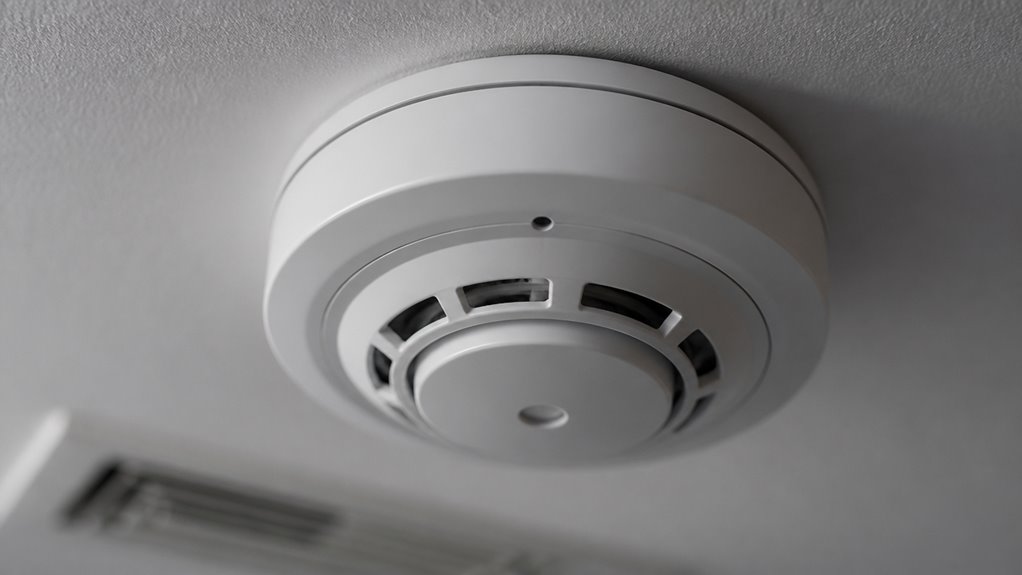

You’re installing a conventional smoke detector with the System Sensor 2400, not an addressable one.
It uses a 2-wire connection to communicate via simple voltage changes on a zone circuit. It lacks unique device addresses or polling capabilities.
This means it signals alarms by current draw changes, not individual device IDs. The 2400 works only with UL-listed conventional control panels designed for 2-wire detectors.
Understanding its classification and operation sheds light on its distinct features and upgrade considerations.
Key Takeaways
- The System Sensor 2400 is a 2-wire conventional smoke detector, not addressable.
- It operates on a simple zone circuit without unique device IDs or digital polling.
- The 2400 lacks device-specific addresses and is incompatible with addressable protocols.
- It signals alarms via voltage changes on the zone circuit, not through network communication.
- Compatible only with UL-listed conventional control panels supporting 2-wire photoelectronic detectors.
Addressable vs Conventional Smoke Detectors: What’s the Difference?
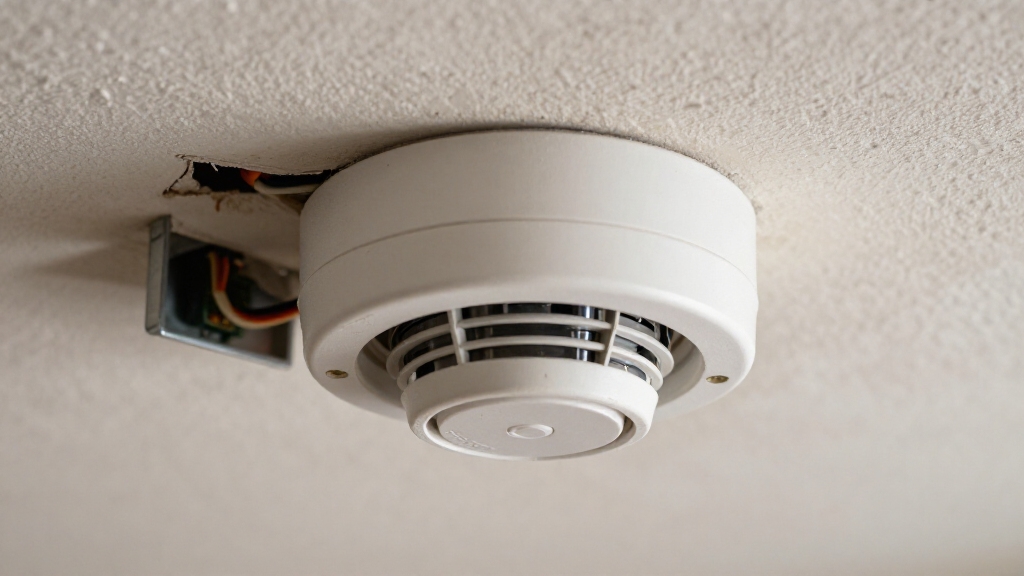
How do addressable smoke detectors differ from conventional ones?
You’ll find that addressable detectors communicate individually with the fire alarm control panel (FACP) via a digital loop, each assigned a unique address. This lets the system identify the exact detector triggering an alarm, enabling precise location tracking and advanced diagnostics.
Conventional detectors, on the other hand, connect to the FACP in zones or circuits without unique identifiers. They signal alarms collectively on the same wiring, so you know which zone is affected but not the specific detector.
Addressable systems require more complex wiring and control panels, while conventional setups use simpler two-wire or four-wire circuits. Understanding these differences helps you select the right detector type for your application’s complexity and monitoring needs.
Addressable systems also support device-level monitoring, providing real-time status and diagnostics that improve system management and maintenance.
How the System Sensor 2400 Is Classified as a 2-Wire Conventional Detector?
Understanding the System Sensor 2400’s classification hinges on its wiring and communication method. You’ll find it’s a 2-wire conventional smoke detector, not addressable. This means it operates on a simple zone circuit without unique device IDs or polling.
The System Sensor 2400 is a 2-wire conventional smoke detector using simple zone wiring, not addressable communication.
Here’s why it’s classified this way:
- It uses a 2-wire direct connection compatible only with UL-listed conventional fire alarm control panels.
- It transmits alarm and standby signals via the zone wiring, lacking addressable communication protocols.
- Its LED status indicators and latching alarm behavior align with conventional detector functionality.
- Manufacturer documentation and community sources consistently identify the 2400 as a conventional photoelectronic smoke detector.
Additionally, verifying the detector’s operation by observing the LED indicators can confirm its conventional functionality and power status.
Why the 2400 Uses a 2-Wire Conventional Wiring Setup?
When you install the System Sensor 2400, you’ll work with a 2-wire conventional wiring setup because it simplifies compatibility and installation with standard fire alarm control panels.
This design eliminates the need for complex addressing or communication protocols. Instead, the detector integrates directly into a conventional zone circuit, allowing straightforward wiring and operation.
Here’s a comparison to clarify:
| Feature | 2-Wire Conventional | 4-Wire Addressable | 4-Wire Conventional |
|---|---|---|---|
| Wiring Complexity | Low | High | Medium |
| Panel Compatibility | Standard 2-wire FACP | Addressable Panels | Standard 4-wire FACP |
| Device Identification | Zone-based | Individual Address | Zone-based |
The 2-wire setup guarantees the 2400 remains reliable, cost-effective, and compatible with UL-listed control panels requiring simple zone wiring. Proper wiring practices and code compliance are essential to ensure safety and functionality of the smoke detection system.
How the 2400 Signals Alarm and Standby Status on Its Zone Circuit?
You’ll see the System Sensor 2400 communicates its status through simple signals on the zone circuit, eliminating the need for complex data transmission.
Instead of addressable polling, it uses voltage and current changes to indicate its condition.
Here’s how it signals alarm and standby:
- In standby, the detector draws a minimal current, maintaining normal voltage on the zone.
- The local LED blinks every 10 seconds, visually confirming power and readiness.
- When smoke triggers the alarm, the detector increases current draw, causing a voltage drop on the zone circuit.
- The LED stays continuously lit during alarm, signaling active detection until power resets.
This straightforward signaling aligns with conventional 2-wire zone operation without device addressing. Such 2-wire systems combine power and signaling via polarity reversal, limiting compatibility but simplifying wiring overall.
Which Ul-Listed Conventional Control Panels Work With the System Sensor 2400?
Selecting a UL-listed conventional control panel compatible with the System Sensor 2400 guarantees reliable operation within your fire alarm system.
The 2400 is specifically designed for use with UL-listed 2-wire conventional control panels that support direct-wire photoelectronic smoke detectors.
You’ll want to confirm the panel’s input circuits accommodate 12/24 VDC power and conventional zone wiring since the 2400 signals alarms through the zone circuit without addressable communication.
Common compatible panels include those from manufacturers like Fire-Lite, Notifier, and Simplex, provided they list support for 2-wire conventional detectors.
Avoid panels that require addressable devices or 4-wire connections, as the 2400 lacks those capabilities.
Always verify compatibility with the panel’s documentation to maintain code compliance and system integrity.
This detector is ideal for use in zone-based detection systems that simplify wiring and maintenance for smaller properties.
Key Differences Between the 2400 and Addressable Smoke Detectors
You’ll notice that the System Sensor 2400 has a straightforward 2-wire conventional wiring scheme. This setup is compatible only with listed conventional control panels.
Now, when you compare it to addressable detectors, there are some key differences. For instance, the 2400 doesn’t support individual device polling or unique signaling on a loop. Instead, it communicates alarm status through a shared zone circuit, so there’s no device-level identification.
In simpler terms, while the 2400 is user-friendly with its wiring, it lacks some of the advanced features that addressable detectors offer. Proper installation requires matching the black, white, and red wires according to manufacturer’s wiring diagram to ensure correct functionality.
Wiring And Compatibility
When comparing the System Sensor 2400 to addressable smoke detectors, the key differences lie in wiring and compatibility. The 2400 uses a simple 2-wire conventional setup, unlike addressable units that require specialized loop wiring. It connects directly to compatible UL-listed conventional control panels without unique device addressing.
Consider these points:
- The 2400 operates on a 2-wire circuit supplying power and signaling.
- Addressable detectors use multi-wire loops with unique addresses for each device.
- Compatibility is limited to UL-listed conventional fire alarm control panels.
- The 2400 can’t integrate into addressable fire alarm control panels or exploit individual device polling.
Hardwired smoke detectors like the 2400 benefit from interconnectivity, which enhances whole-home alerting and safety by triggering all alarms simultaneously.
Understanding this wiring and compatibility distinction is essential for proper system design and installation.
Signaling And Identification
Although both conventional and addressable smoke detectors serve the same fundamental purpose, their signaling and identification methods differ markedly.
The System Sensor 2400 uses zone wiring to signal alarms, relying on voltage changes detectable by the control panel. It lacks device-specific addresses, so it can’t report individual detector status or location. Instead, all detectors on a zone share the same circuit, triggering a general zone alarm.
In contrast, addressable detectors communicate via a digital loop, each with a unique ID, enabling precise identification and monitoring. The 2400’s LED indicates local status, but it doesn’t support networked polling or diagnostics.
You must install it only on compatible conventional panels, as it doesn’t support addressable protocols or device-level signaling. This distinction clearly classifies the 2400 as a conventional smoke detector.
Unlike addressable systems, conventional detectors like the 2400 generally do not feature interconnectivity for synchronized alarms across multiple devices.
Replacing or Upgrading the System Sensor 2400: What to Know
Since the System Sensor 2400 is a conventional 2-wire smoke detector, replacing or upgrading it requires selecting compatible devices designed for conventional fire alarm control panels.
The System Sensor 2400 requires compatible conventional detectors for seamless replacement or upgrade.
You’ll want to take into account these key points:
- Choose a replacement like the System Sensor 2W-B, which matches the 2400’s 2-wire, 12/24 VDC specifications.
- Verify compatibility with your existing UL-listed conventional control panel to ensure proper signaling and power.
- Confirm the replacement supports the same photoelectronic sensing technology and latching reset function.
- Avoid addressable detectors, as the 2400 doesn’t support addressable communication or unique device polling.
Following these guidelines guarantees a seamless upgrade without rewiring or control panel modifications.
This helps maintain system reliability and code compliance.
Additionally, ensure that your hardwired detectors have a battery backup to maintain continuous operation during power outages.
Frequently Asked Questions
What Is the Typical Lifespan of a System Sensor 2400 Smoke Detector?
You can expect the System Sensor 2400 smoke detector to last about 8 to 10 years under normal operating conditions.
Over time, dust buildup, environmental factors, and sensor aging will degrade its performance.
It’s important to replace it within this timeframe to maintain reliable smoke detection and compliance with safety standards.
Regular maintenance and testing help guarantee it functions properly throughout its lifespan before you need to swap it out.
Can the System Sensor 2400 Be Used Outdoors or in Harsh Environments?
You might think the System Sensor 2400 handles outdoor or harsh environments, but it’s not designed for that. It’s intended strictly for indoor use in controlled environments.
Exposure to moisture, dust, or extreme temperatures can impair its photoelectronic sensing chamber and cause false alarms or failures. For outdoor or rugged areas, you should choose detectors specifically rated for those conditions to guarantee reliable protection and longevity.
How Often Should the System Sensor 2400 Be Tested for Proper Function?
You should test the System Sensor 2400 smoke detector at least once a month to ensure proper function.
Perform in-place testing using the built-in test feature or a suitable test aerosol. Regular testing confirms the photoelectronic chamber’s sensitivity and verifies the LED indicators work correctly.
Follow local fire codes and manufacturer guidelines to maintain peak safety and compliance with your fire alarm system requirements.
Are There Specific Mounting Height Requirements for the 2400 Detector?
Yes, you need to follow specific mounting height requirements for the System Sensor 2400.
Install it on ceilings or high on walls, typically between 4 to 12 inches from the ceiling if wall-mounted.
Avoid placing it near air vents, fans, or areas with strong drafts.
Follow NFPA 72 guidelines to guarantee proper smoke detection coverage, maintaining a maximum spacing of 30 feet between detectors for open-area protection.
What Accessories Are Compatible With the System Sensor 2400?
Think of the System Sensor 2400 as a reliable sentinel.
You can enhance its watchfulness with the RA400Z remote annunciator, which offers clear, supplementary alarm indication.
You’ll also rely on UL-listed compatible 2-wire control panels for seamless integration.
These accessories guarantee your detector’s signals are communicated effectively, maintaining system integrity.
No other specialized add-ons fit this model, so stick to these proven components for peak performance.
Choose the Right Panel for a Conventional Detector
You might wonder if the System Sensor 2400 is addressable. It’s actually a 2-wire conventional detector.
Its design relies on conventional zone wiring, signaling alarms through current changes rather than digital addresses. This means you can’t assign unique IDs like with addressable devices.
Understanding this clears up installation and compatibility questions. It ensures you choose the right panel and wiring for reliable fire detection without confusion or costly errors.