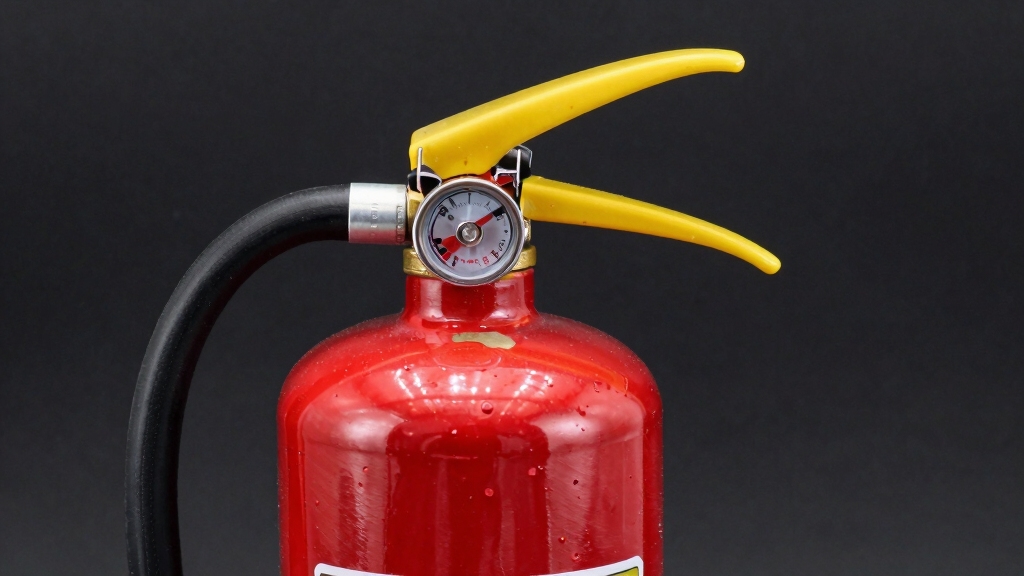

You’ll find fire extinguishers made from durable steel cylinders that withstand high pressure. They are paired with corrosion-resistant valves crafted from chrome-plated brass or anodized aluminum for secure sealing.
Flexible rubber hoses channel extinguishing agents precisely to the fire. Inside, specialized chemical agents like dry powders, wet chemicals, foam, or water target specific fire types effectively.
Each material is chosen to optimize safety, efficiency, and longevity. Understanding these components reveals how extinguishers tackle fires reliably.
Key Takeaways
- Fire extinguisher cylinders are made of steel to withstand high internal pressure and ensure durability and safety.
- Valves are typically constructed from chrome-plated brass or anodized aluminum for corrosion resistance and secure sealing.
- Hoses are made from rubber to provide flexibility, strength, and resistance to heat, abrasion, and chemicals.
- Extinguishing agents include dry powders, wet chemicals, foam, and water, each tailored for specific fire classes and suppression methods.
- Foam agents contain organic solvents and stabilizers, while wet chemicals use potassium compounds for cooling and oxygen exclusion in kitchen fires.
Fire Extinguisher Cylinder Materials
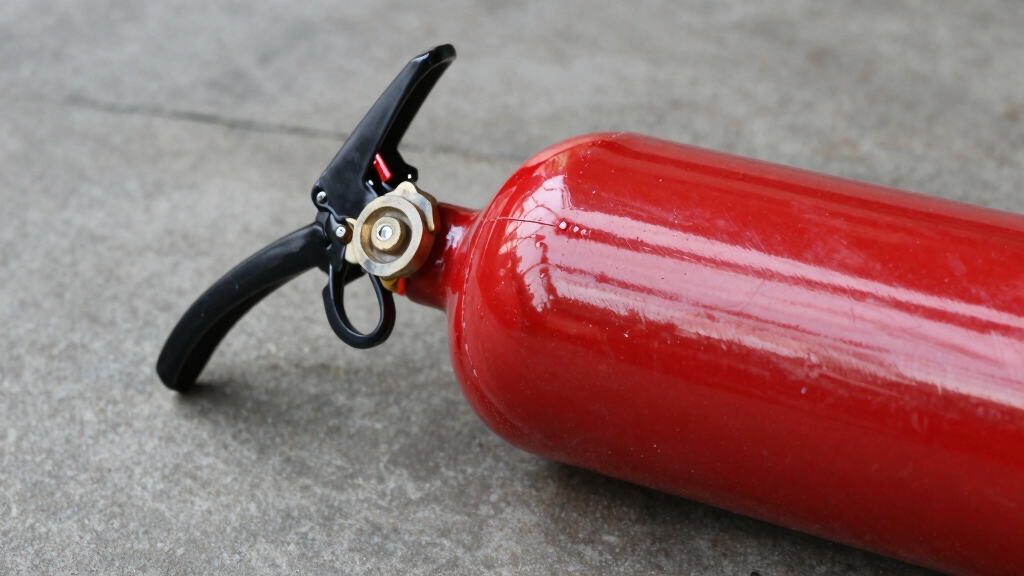
When you handle a fire extinguisher, the pressurized cylinder is the critical component that contains both the extinguishing agent and the propellant.
The cylinder is typically made of steel, chosen for its strength to withstand high internal pressures and extreme temperatures during operation.
Its design features flat surfaces on the top and bottom with curved edges, enhancing durability and resistance to stress.
Inside, it securely holds agents like dry chemical powders or water, along with propellants such as nitrogen or air, depending on the extinguisher type.
The metal construction ensures the cylinder maintains integrity under rapid pressure changes, preventing leaks or ruptures.
Understanding the materials and structure helps you appreciate the engineering behind reliable fire suppression devices.
Proper maintenance, including regular inspections and hydrostatic testing, is essential to ensure the cylinder’s continued structural integrity and safe operation.
How Valves and Hoses Deliver Extinguishing Agents?
Fire extinguisher valves are usually crafted from materials like chrome-plated brass or anodized aluminum. Why? Well, it’s because these materials can handle high pressure really well and create a secure connection to the hose and nozzle.
Now, let’s talk about the hose. It’s typically made of rubber, which gives it the flexibility needed to channel the extinguishing agent right where it’s needed—directly onto the fire.
Ensuring the valve and hose remain undamaged is crucial, so regular inspection and maintenance help keep the extinguisher ready for use.
Valve Materials And Functions
Valves regulate the controlled release of extinguishing agents by connecting the pressurized cylinder to the hose and nozzle. Typically, these valves are made from chrome-plated brass or anodized aluminum, chosen for their strength and corrosion resistance.
They can withstand high pressure. When you operate the valve, it opens a pathway, allowing the pressurized agent inside the cylinder to flow smoothly through the valve body into the hose.
The valve’s internal components are precision-engineered to maintain a tight seal under extreme conditions, preventing leaks or accidental discharge. This precise control guarantees the extinguishing agent is delivered efficiently, maximizing fire suppression effectiveness while maintaining user safety.
Proper valve material and design are critical to durability and reliable performance in fire emergencies. Additionally, the valve system must ensure safe delivery when using specialized dry powders for combustible metal fires to avoid scattering hazardous metal particles.
Hose Construction And Role
Hoses channel the pressurized extinguishing agents from the valve to the fire, ensuring accurate and controlled delivery.
Typically made from rubber, hoses provide the flexibility and strength needed to withstand high pressure and frequent handling.
When you operate the extinguisher, the valve releases the agent into the hose, which directs it precisely onto the flames.
The hose’s construction must resist heat, abrasion, and chemical exposure to maintain integrity during use.
Its connection to both the valve and nozzle is critical, as any leak or weakness can compromise performance.
By managing flow rate and pressure, the hose allows you to target the fire effectively, maximizing agent efficiency.
Therefore, the hose plays an essential role in the safe, reliable deployment of extinguishing materials.
This precise delivery is crucial for applying the appropriate extinguishing method based on the fire’s characteristics.
Which Dry Powder Agents Fight Different Fires?
You’ll find several types of dry powder agents designed for specific fire classes. For instance, monoammonium phosphate is a versatile choice; it can handle Class A, B, and C fires all at once. Pretty handy, right?
On the other hand, we’ve potassium bicarbonate, which is particularly effective for Class B and C fires. So, if you’re dealing with flammable liquids or gases, this might be your go-to option.
Understanding these agents really helps you choose the right extinguisher for different fire hazards. It’s all about knowing what you’re up against! Additionally, pairing extinguishing agents with smoke detection types can enhance overall fire safety by addressing different fire characteristics early on.
Common Dry Powder Types
Understanding the common dry powder types helps you select the right extinguisher for different fire classes.
Monoammonium phosphate, found in ABC powders, acts as a versatile agent by melting and coating surfaces to interrupt combustion.
Sodium bicarbonate is effective for grease and electrical fires, working by releasing carbon dioxide to smother flames.
Potassium bicarbonate, the main component in Purple-K, excels against flammable liquid and electrical fires due to its rapid flame knockdown capability.
For metal fires, sodium chloride-based powders like Super-D form a crust that excludes oxygen, preventing re-ignition.
Each powder’s chemical composition targets specific fire characteristics, so knowing these distinctions guarantees you deploy the most appropriate agent quickly and efficiently.
This knowledge optimizes fire suppression and enhances safety in critical situations.
It is important to consider that just as compressor protection delay safeguards HVAC systems from damage, using the correct extinguisher powder prevents fire suppression failures and ensures safety.
Fire Classes Targeted
Selecting the correct dry powder agent hinges on the specific fire class you face, as different powders target distinct fuel types and combustion characteristics. You must understand which agent suits each fire class to extinguish flames efficiently.
- Class A Fires: Use monoammonium phosphate (ABE powder) to interrupt combustion of wood, paper, and textiles.
- Class B Fires: Potassium bicarbonate (Purple-K) effectively suppresses flammable liquid fires by breaking the chemical reaction.
- Class C Fires: Potassium bicarbonate also handles energized electrical fires, preventing re-ignition without conducting electricity.
- Class D Fires: Sodium chloride-based powders (Super-D) melt to form a crust, isolating burning metals from oxygen.
Choosing the right dry powder agent guarantees peak fire suppression tailored to fuel type and fire behavior. Proper selection aligns with system integrity protocols to ensure safety and effectiveness during fire emergencies.
How Wet Chemical Agents Suppress Flames?
When tackling fires involving cooking oils or fats, wet chemical agents work by spraying a fine mist that rapidly cools the burning surface without causing splattering.
This mist contains potassium acetate, the primary active ingredient, which lowers the temperature below the oil’s ignition point.
As you apply the agent, a saponification reaction occurs. Potassium acetate reacts with fatty acids in the oil, forming a soapy foam layer that seals the surface and excludes oxygen.
This foam suppresses vapors, preventing re-ignition. Some formulations include potassium citrate or potassium bicarbonate to enhance extinguishing efficiency.
By combining rapid cooling with oxygen exclusion, wet chemical agents effectively control Class K fires, specifically those involving cooking oils and fats.
This ensures safe and efficient flame suppression without spreading the fire.
Unlike smoke detectors, which provide early warning by sensing airborne particles, wet chemical agents act directly to suppress flames through cooling and chemical reactions, making them essential components in fire suppression systems designed for kitchen environments with Class K fire hazards.
How Foam and Water Agents Work in Fire Extinguishers?
Although foam and water agents may seem straightforward, their effectiveness in fire extinguishers relies on precise chemical formulations and delivery methods.
When you use these agents, you rely on their ability to cool, smother, and prevent re-ignition efficiently.
Foam agents typically contain organic solvents, foam stabilizers, and corrosion inhibitors. They form a barrier that cuts off oxygen.
Water agents, pressurized with air, primarily cool the fire’s surface.
Here’s how they work in detail:
- Foam forms an aqueous film that blankets the fuel surface, suppressing vapors.
- Foam stabilizers maintain bubble integrity for prolonged coverage.
- Water absorbs heat rapidly, lowering the temperature below ignition point.
- Air pressure propels the agents forcefully onto the flames for effective reach.
Understanding this helps you appreciate their critical roles in firefighting.
Why Component Materials Matter for Extinguisher Performance?
Foam and water agents rely heavily on their chemical composition and delivery mechanisms to extinguish fires effectively. You need durable materials like steel cylinders to withstand pressure and temperature extremes.
The valve materials, such as chrome-plated brass or anodized aluminum, guarantee reliable agent release without corrosion. Flexible rubber hoses direct extinguishing agents precisely to the fire source.
| Component | Material | Performance Role |
|---|---|---|
| Cylinder | Steel | Pressure resistance, durability |
| Valve | Chrome-plated brass | Corrosion resistance, secure sealing |
| Hose | Rubber | Flexibility, strength |
| Extinguishing Agent | Chemical compounds | Fire suppression, cooling, smothering |
Choosing optimal materials maximizes extinguisher efficiency, safety, and longevity under demanding conditions. For grease fires specifically, it is critical to use a Class K fire extinguisher designed to effectively smother oil-based flames.
Frequently Asked Questions
How Often Should Fire Extinguishers Be Inspected and Maintained?
You should inspect fire extinguishers monthly to ensure pressure gauges, seals, and physical condition are intact.
Annually, a more thorough maintenance check by a certified technician is necessary, including verifying internal components and refilling or replacing extinguishing agents if needed.
For pressurized cylinders, hydrostatic testing is required every 5 to 12 years depending on the extinguisher type.
Regular inspections and maintenance ensure reliable performance during emergencies.
What Is the Typical Lifespan of a Fire Extinguisher?
Like a trusty guardian, your fire extinguisher typically serves you well for 5 to 15 years.
Over time, materials inside can degrade, and pressure may drop, reducing effectiveness.
You should check the pressure gauge and inspect for damage regularly.
After 12 years, many manufacturers recommend replacement to guarantee reliability.
Proper maintenance and timely replacements keep your extinguisher ready to perform when disaster strikes, safeguarding you and your property.
Are Fire Extinguishers Safe to Use on Electrical Fires?
Yes, you can safely use fire extinguishers on electrical fires if they’re specifically rated for them, like Class C extinguishers.
Dry chemical extinguishers with agents such as monoammonium phosphate or potassium bicarbonate work well because they don’t conduct electricity.
Avoid water-based extinguishers, as water conducts electricity and can cause shocks.
Always check the extinguisher’s label and rating before use to make certain it’s appropriate for electrical fire hazards.
How Do Temperature Extremes Affect Fire Extinguisher Performance?
Temperature extremes affect your fire extinguisher’s performance by impacting the pressure inside the cylinder.
High heat can increase internal pressure, risking valve or cylinder failure.
Extreme cold lowers pressure, reducing agent discharge force.
Some extinguishing agents may also lose effectiveness or freeze, especially water-based ones.
It’s essential you store extinguishers within recommended temperature ranges to maintain reliability.
This ensures the propellant and agent function properly when you need them most.
Can Expired Fire Extinguishers Still Be Refilled and Reused?
You might think expired fire extinguishers are useless, but you can often refill and reuse them if they pass a thorough inspection.
Despite their age, the metal cylinder and valve can remain intact, ready to hold new agents.
However, if corrosion, damage, or pressure loss is evident, refilling becomes unsafe.
Always have a certified technician evaluate your extinguisher’s condition before deciding to refill and reuse it.
Seconds Count: Understanding Fire Extinguisher Reliability
Now that you know what fire extinguishers are made of, from sturdy cylinders and precise valves to specialized agents like dry powder and wet chemicals, you can appreciate their advanced design.
Just as a knight relied on armor and sword, these components work together to fight different fires effectively.
Understanding these materials helps you choose and maintain extinguishers that perform reliably when seconds count. This ensures safety through smart engineering and thoughtful material selection.