
To silence a fire alarm panel, first make sure you’re authorized and that evacuation is complete or permitted by the fire plan.
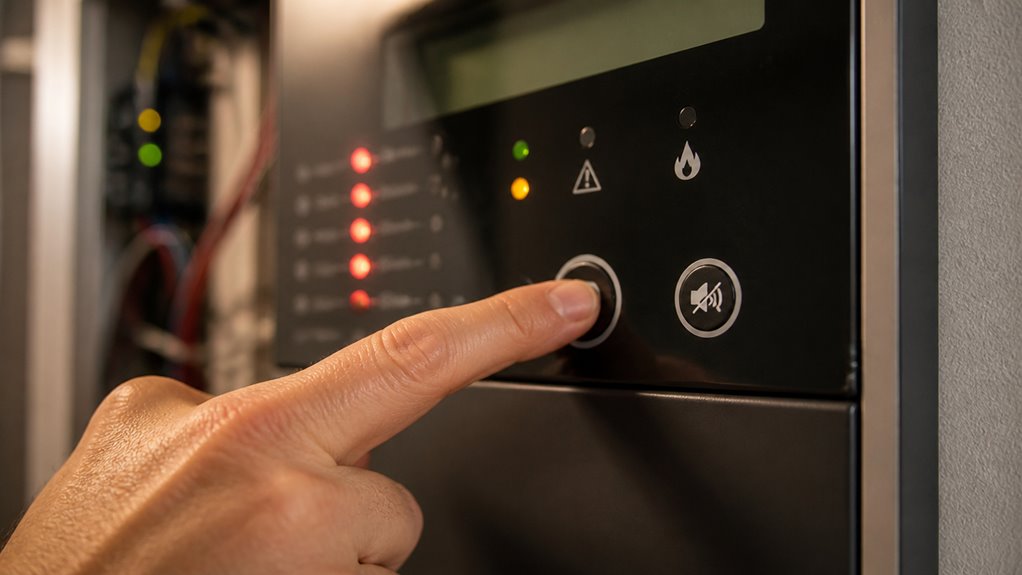
Use the designated silence button with required access, confirming audible alarms stop while visual alarms remain active.
Before resetting, identify and resolve all alarm causes, then press the reset control to clear the alarm state.
If alarms persist or the panel won’t reset, call a licensed technician.
Proper procedures maintain safety and system integrity; further guidance explains detailed steps and troubleshooting.
Key Takeaways
- Only authorized personnel should silence alarms after confirming evacuation or fire management plan allows investigation.
- Silence the panel using the labeled silence button and enter required access codes or use a key switch.
- Silencing stops audible alerts but keeps visual alarm indicators active to show the alarm condition persists.
- Investigate and resolve all hazards before resetting the panel using the reset button, typically requiring higher authorization.
- If alarms reactivate after reset, avoid repeated attempts and contact a licensed fire alarm technician for troubleshooting.
Who Can and When to Silence a Fire Alarm Panel?
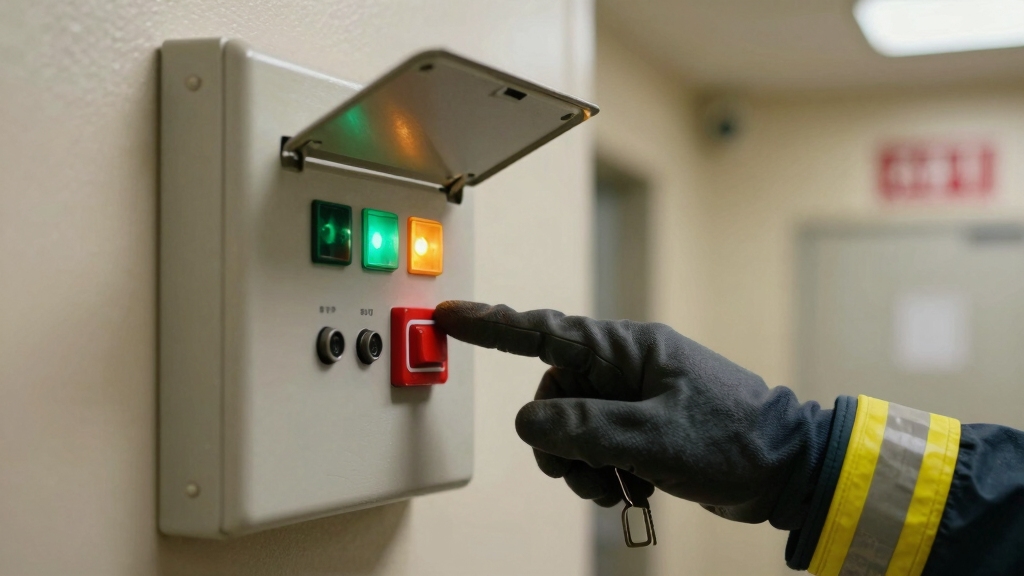
Typically, you should silence a fire alarm panel only after evacuation is complete or when your site’s fire management plan permits investigating the alarm.
Only authorized personnel such as trained staff, building managers, fire marshals, or service technicians may perform silencing.
Unauthorized silencing risks violating fire codes and endangering occupant safety.
Before silencing, make certain the fire department has been notified if a real fire is suspected.
For monitored systems, you must also inform the monitoring station per procedure.
Remember, silencing stops audible alerts but doesn’t cancel the alarm condition.
Follow your organization’s protocols strictly and never silence alarms prematurely or without proper authorization.
Always document the event and actions taken to maintain compliance and support future investigations.
Accessing the panel requires an authorized key or passcode to avoid triggering additional alarms and maintain system integrity.
Safe Evacuation Before Silencing a Fire Alarm Panel
Before you silence the fire alarm panel, make sure everyone has evacuated according to the established protocol. If you’re following the fire management plan, double-check that it allows for investigation.
Only trained staff, building managers, or fire marshals should handle the silencing procedure. It’s really important to stick to this rule because unauthorized silencing could break fire codes and put everyone’s safety at risk. Always prioritize safety first!
Never attempt to reset or silence the alarm without permission, as this is a common mistake that compromises personal and others’ safety.
Evacuation Confirmation Protocol
Although silencing a fire alarm panel may seem urgent, you must confirm that evacuation is complete or the fire management plan permits investigation before doing so.
Begin by verifying that all occupants have safely exited the premises or have been accounted for by designated floor wardens or supervisors.
Use communication tools such as two-way radios or the building’s public address system to obtain real-time status updates.
Cross-check evacuation zones with fire alarm panel indications to ensure no active alarms remain unaddressed.
Only proceed with silencing if the fire management plan explicitly allows investigation during alarm conditions without full evacuation.
Document confirmation steps and communicate your actions to relevant personnel.
This protocol guarantees compliance with safety requirements and prevents premature silencing that could endanger lives or violate fire codes.
Regular testing of alarm systems during drills ensures their reliability before silencing.
Authorized Silencing Personnel
When you need to silence a fire alarm panel, only authorized personnel should perform this action to guarantee safety and compliance.
Typically, these individuals include trained staff, building managers, fire marshals, or certified service technicians who understand the system and local fire codes.
Before silencing, make certain evacuation is complete or that the fire management plan permits investigation.
Unauthorized silencing can violate regulations and endanger occupants. Confirm that the fire department or monitoring station has been notified if required.
Access to panel controls usually demands a security code or key. Remember, silencing stops audible alarms but doesn’t clear the alarm condition; resetting follows only after confirming the cause is resolved.
Always follow established protocols to maintain system integrity and life safety.
It is also critical to contact authorities before testing or troubleshooting to coordinate response and compliance.
Difference Between Silencing and Resetting a Fire Alarm Panel
Because silencing and resetting serve distinct functions, understanding their differences is vital for proper fire alarm panel operation.
When you silence the panel, you stop audible alarms and beeping, but the system remains in an alarm state. Indicators like red fire LEDs often stay lit, signaling an active condition.
Silencing stops sound but leaves the panel indicating an active alarm condition with visual alerts.
Resetting, however, clears the alarm state after you’ve confirmed and resolved the cause, returning the panel to normal.
Some systems require silencing before reset, while others allow direct reset.
If the panel reactivates immediately after reset, it usually means the initiating device or fault is unresolved. Knowing these distinctions guarantees you don’t prematurely clear alarms or overlook ongoing hazards, maintaining compliance and safety.
Fire alarm project managers ensure these procedures align with NFPA 72 standards to maintain system integrity and regulatory compliance.
Silencing a Fire Alarm Panel: Step-by-Step
Before you silence the fire alarm panel, it’s super important to get the right authorization. Make sure that the evacuation is complete or that it’s allowed according to your fire management plan.
Once you have that sorted, go ahead and find the dedicated silence button. Just a heads up, you might need to enter an access code or use a key switch to get to it.
After you press the button, keep an eye on the panel indicators. You’ll want to verify that the audible alarms have stopped, but remember, the system will still be in alarm status.
For safety, it’s recommended to use ear protection during silencing procedures to avoid discomfort from loud sirens.
Confirm Authorization First
How do you guarantee safe and compliant silencing of a fire alarm panel? First, confirm you’re authorized to silence the system.
Only trained personnel, building managers, fire marshals, or service technicians should perform this step. Verify that evacuation is complete or your site’s fire management plan permits investigation before silencing.
Unauthorized silencing can violate fire codes and risk occupant safety. Additionally, if the system is monitored, notify the monitoring station beforehand as required.
Remember, silencing stops audible alerts but doesn’t replace fire department notification if an actual fire is suspected.
Always prioritize safety and regulatory compliance by ensuring you have proper authorization and have followed all procedural protocols before proceeding to silence the alarm panel.
For alarm panels like DSC systems, accessing the trouble menu helps identify issues that may cause continuous alerts and guides proper resetting steps.
Locate Silence Button
Once you’ve confirmed authorization and guaranteed safety protocols are met, the next step is to locate the silence button on the fire alarm panel.
Typically, this button is labeled “Silence,” “Alarm Silence,” or “Silence/Resound” and is positioned prominently on the main control interface. Access to this function often requires entering a keypad code or using a key switch to reach level 2 security.
Examine the panel closely for any dedicated silence controls, as some systems may combine silence with acknowledgment buttons. Avoid confusing the silence button with the reset button, which is separate and used only after confirming the alarm cause is cleared.
Knowing the exact location and label of the silence button guarantees you can promptly stop audible alarms without disrupting ongoing safety measures. Always ensure that the alarm system is properly reset at the control panel after silencing to fully clear the alarm condition.
Monitor Panel Indicators
Frequently, monitoring the panel indicators is essential immediately after pressing the silence button to confirm that audible alarms have stopped while visual alarm signals remain active. This guarantees you’ve correctly silenced the sound without resetting the alarm condition prematurely.
Focus on the following:
- Verify that the general fire LEDs remain steadily lit, indicating the system still detects an alarm condition.
- Observe zonal indicators to pinpoint the exact area or device that triggered the alarm.
- Check for any trouble or fault LEDs that might require acknowledgment before full silence.
Additionally, accessing the Trouble menu can help identify specific fault codes that may need resolving to fully clear the alarm condition.
Proper Fire Alarm Panel Reset After an Alarm
Before you reset a fire alarm panel, make certain that all alarm-triggering conditions, such as smoke, heat, or flame, have been thoroughly investigated and resolved.
Ensure all causes of alarm, including smoke, heat, or flame, are fully checked and resolved before resetting the fire alarm panel.
Confirm no active hazards remain in the affected zone or device. Access level 2 authorization is typically required to initiate the reset.
Locate and press the panel’s reset button or system reset control. Listen for an audible confirmation, often a double beep, indicating the reset process has started.
Verify that all alarm LEDs and zone indicators clear from the panel, confirming the system has returned to normal status.
If alarms reactivate immediately, it often signals unresolved faults. In such cases, avoid repeated resets and consult a licensed fire alarm technician to inspect and address persistent issues.
Always document the event and corrective actions taken.
Automatic alarm systems with monitoring capabilities can notify emergency services even if the panel is reset on-site.
Reading Fire Alarm Panel Lights After Silencing
Interpret the fire alarm panel lights carefully after silencing the audible alarm to understand the system’s current status. The lights provide vital information on whether the alarm condition remains active or if faults exist.
You should observe the panel indicators closely before proceeding.
- Check for steady red fire LEDs indicating zones still in alarm; these confirm the system hasn’t reset.
- Look for yellow or amber trouble lights signaling faults or supervision issues that require attention.
- Confirm all green normal operation lights are off or steady, as flashing may indicate ongoing panel activity.
Troubleshooting Fire Alarm Panels That Won’t Silence or Reset
If your fire alarm panel won’t silence or reset, the first thing you should do is figure out what’s causing the alarm to persist. It could be something like faulty detectors or shorted zones. So, take a moment to check for those issues.
Also, listen for any local panel beeping. That sound might indicate some trouble or supervision faults that need your attention. You’ll usually have to acknowledge those individually.
If you’ve tried all that and nothing seems to work, it’s probably time to call in a licensed technician. They can perform a professional inspection and service to get everything back on track.
Identifying Persistent Alarm Causes
When a fire alarm panel refuses to silence or reset, you’ll usually be dealing with a persistent fault such as a malfunctioning detector, a shorted wiring zone, or an unresolved initiating device. To identify the cause, follow these steps carefully:
- Inspect Initiating Devices: Check smoke detectors, heat sensors, or manual pull stations for dirt, damage, or active alarm conditions.
- Examine Wiring Zones: Use a multimeter to detect shorts or open circuits in the wiring loops associated with the alarm zone.
- Review Panel Diagnostics: Access the panel’s trouble or fault indicators and acknowledge each condition individually. Ensure no unresolved alerts remain.
Each step is critical to isolate the persistent fault before attempting to silence or reset the panel.
If the problem persists, consult a certified technician for in-depth diagnostics.
Addressing Panel Beeping Issues
Start by pinpointing the source of persistent panel beeping. This often signals trouble, supervision, or fault conditions rather than a full alarm.
Check for dirty detectors, power supply issues, or backup battery failures. You may need to acknowledge each fault individually to silence the panel.
If the panel won’t reset, verify that the initiating device is cleared and no active faults remain.
| Beeping Cause | Troubleshooting Step |
|---|---|
| Dirty Detector | Clean or replace detector |
| Power Supply Fault | Inspect wiring and voltage |
| Backup Battery Low | Replace battery |
| Zone Short Circuit | Inspect and repair wiring |
Address unresolved faults before attempting to silence or reset. This ensures proper system operation.
When To Contact Technician?
Although routine troubleshooting can resolve many fire alarm panel issues, you should contact a licensed technician whenever the panel won’t silence or reset after verifying that all initiating devices and faults are cleared.
Persistent alarms or fault conditions often indicate deeper system issues that require professional diagnosis. Attempting further intervention without proper expertise may compromise system integrity or violate safety codes.
Contact a technician if you encounter:
- Alarm conditions that reactivate immediately after reset, suggesting unresolved faults or device failures.
- Zones or detectors showing persistent trouble signals despite cleaning and battery replacement.
- Difficulty accessing or interpreting panel fault codes and reset procedures beyond your authorization level.
Engaging a technician guarantees compliance, correct repairs, and restores reliable fire alarm operation.
Common Issues When Resetting Fire Alarm Panels
If the fire alarm panel refuses to reset, it usually signals unresolved issues such as a faulty detector, a shorted zone, or an active initiating device. You must identify and clear these faults before resetting.
Check for persistent alarm indicators or trouble beeps, which often point to specific malfunctions. Each zone or device may require individual acknowledgment.
Sometimes, power supply issues or dirty detectors cause faults that inhibit reset. Follow the panel’s diagnostic codes carefully to pinpoint errors.
| Issue Type | Common Cause | Emotional Impact |
|---|---|---|
| Faulty Detector | Contamination or damage | Frustration |
| Shorted Zone | Wiring faults | Anxiety |
| Active Device | Unresolved trigger | Urgency |
| Power Supply | Battery or wiring | Concern |
| Persistent Beeps | Unacknowledged faults | Confusion |
Best Practices for Fire Alarm Panel Maintenance and Testing
Regularly maintaining and testing your fire alarm panel guarantees reliable operation and compliance with safety codes.
You should establish a strict schedule based on the manufacturer’s guidelines and local fire regulations.
During maintenance, inspect detectors for dirt or damage, verify battery health, and check wiring integrity.
Testing should confirm alarm activation and proper panel response.
Follow these key steps:
- Perform functional tests on all initiating devices and notification appliances to confirm correct operation.
- Document all test results, alarm events, faults, and corrective actions to support compliance and troubleshooting.
- Immediately address any faults or trouble signals by cleaning detectors, replacing batteries, or repairing wiring.
Consistent, methodical maintenance and testing prevent false alarms and confirm the system functions correctly during emergencies.
When to Call a Professional Fire Alarm Technician?
When you encounter persistent alarms, unresolved faults, or complex issues beyond routine maintenance, you should call a professional fire alarm technician. If the panel won’t silence or reset despite following proper procedures, or if an alarm reactivates immediately after reset, these indicate unresolved faults requiring expert diagnosis.
Avoid attempting repairs involving internal wiring, control board components, or proprietary software without authorization. Additionally, if you notice frequent trouble beeps, unexpected zone activations, or communication failures with monitoring stations, a technician’s inspection is necessary.
Professionals will perform detailed device testing, circuit continuity checks, and system calibrations to restore full compliance and operational integrity. Engaging a licensed technician guarantees adherence to fire codes, prevents safety risks, and maintains the reliability of your fire alarm system.
Frequently Asked Questions
How Often Should Fire Alarm Panel Batteries Be Replaced?
You should replace fire alarm panel batteries every 3 to 5 years, or sooner if the manufacturer specifies.
Always inspect batteries during scheduled maintenance to catch signs of corrosion, swelling, or voltage drops.
If your panel signals a low-battery trouble condition, replace batteries promptly.
Following this schedule guarantees reliable backup power during outages and keeps your fire alarm system compliant with safety codes and operational standards.
Can a Fire Alarm Panel Be Integrated With Building Security Systems?
Yes, you can integrate a fire alarm panel with building security systems.
This integration enables coordinated responses, such as releasing doors or alerting security when an alarm triggers.
To achieve this, ensure compatibility between the fire panel’s output contacts and the security system’s control inputs.
You’ll need to configure proper signaling and fail-safe protocols, following manufacturer guidelines and local codes.
Always involve trained technicians to maintain safety and system reliability.
What Training Is Required to Operate a Fire Alarm Panel?
Think of operating a fire alarm panel like piloting a complex aircraft. You need proper training. You must be authorized personnel, trained in fire safety protocols, system functions, and emergency procedures.
Training covers panel navigation, silencing alarms, acknowledging faults, and resetting after verifying hazards are cleared. You’ll learn to follow local codes, ensuring safety and compliance.
Without this expertise, you risk improper responses that can endanger lives and violate regulations.
Are There Legal Penalties for Unauthorized Fire Alarm Silencing?
Yes, you can face legal penalties for unauthorized fire alarm silencing. Local fire codes typically prohibit silencing alarms without proper authorization, as it compromises life safety and emergency response protocols.
If you silence an alarm without evacuation or following the fire management plan, you risk fines, liability, and possible criminal charges. Always make certain you’re trained, authorized, and have notified monitoring stations before silencing any fire alarm system.
How Do Weather Conditions Affect Outdoor Fire Alarm Devices?
Much like a lighthouse keeper must contend with storms, you need to understand that weather conditions impact outdoor fire alarm devices by affecting sensor accuracy and durability.
Rain, snow, or fog can obscure detectors, while extreme temperatures may cause false alarms or device malfunctions.
You should regularly inspect and maintain these devices, ensuring weatherproof housings are intact and sensors remain clean to preserve reliable operation under varying environmental conditions.
Next Steps After You Silence and Reset a Fire Alarm Panel
Now that you know how to silence and reset a fire alarm panel safely, remember timing and procedure are everything. One wrong move could compromise safety or system integrity.
Before you act, make certain evacuation is complete and confirm you’ve followed each step precisely. If the panel resists silencing or resetting, don’t push further. There’s more at stake than just noise.
Sometimes, calling a professional is the only way to secure your safety and system reliability.