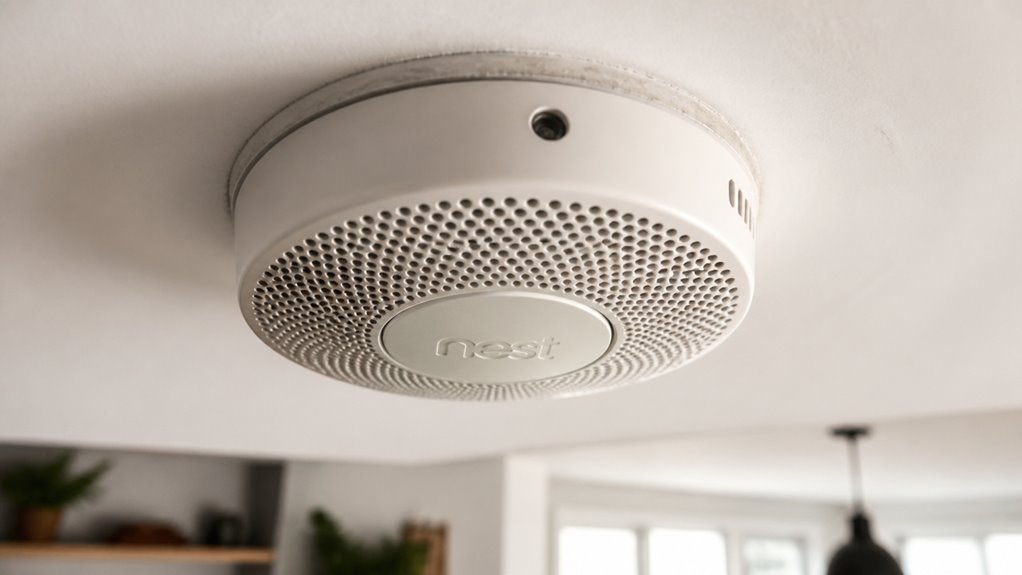

Yes, Nest Protect smoke alarms are discontinued, meaning Google stopped making new units but still supports your existing device.
Your current alarm will keep working reliably for about 10 years from activation, with regular security updates through the Google Home app.
Google shifted focus to partner with First Alert for smart alarms, so availability is limited and future models will differ.
You’ll want to understand the changes and what to expect going forward.
Key Takeaways
- Google has discontinued manufacturing Nest Protect smoke alarms and stopped producing new units.
- Existing Nest Protect devices remain functional and receive security updates until their 10-year lifespan ends.
- Nest Protect is being replaced by a new First Alert model co-developed with Google, launching soon in North America.
- Remaining Nest Protect stock is limited, with availability mostly through official and third-party retailers.
- Management and updates for Nest Protect have moved to the Google Home app, replacing the Nest app.
What Does “Discontinued” Mean for Your Nest Protect?
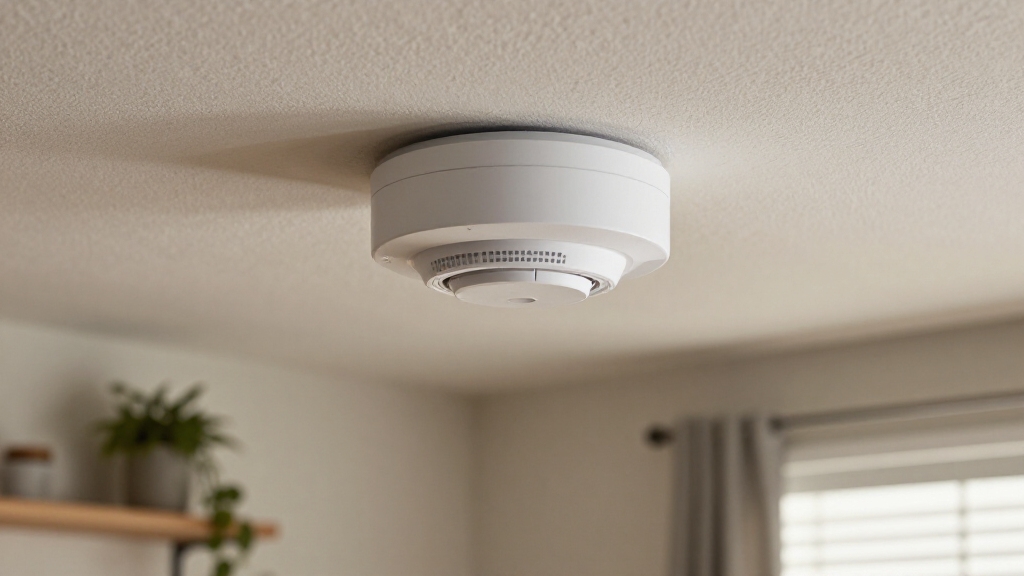
Although Google has stopped manufacturing the Nest Protect, your existing device will continue to function normally throughout its typical 10-year lifespan.
Google has ceased making Nest Protect, but your device will work reliably for its full 10-year lifespan.
“Discontinued” means Google no longer produces new units, but it doesn’t imply an immediate shutdown of your alarm. You can expect your Nest Protect to keep detecting smoke and carbon monoxide reliably until its built-in expiration.
Google also assures continued security updates and software support until the device reaches its end-of-life. However, you won’t see new features or hardware improvements for this model.
Availability is limited to remaining stock at retailers, so if you want a new unit, act quickly. This shift reflects Google’s broader move from first-party Nest devices toward partnerships with companies like First Alert for smart-home safety products.
For long-term safety, consider alarms with integrated 10-year sealed batteries to ensure maintenance-free power throughout the device’s lifespan.
How Long Will Your Nest Protect Keep Working?
With Google no longer manufacturing the Nest Protect, it’s natural to wonder how long your existing device will continue to operate effectively.
Rest assured, your Nest Protect is designed to last about 10 years from its activation date, aligning with standard smoke alarm lifespans.
Google will keep providing security updates and software support until your device reaches its end-of-life.
However, no new features are expected, and core functionality remains reliable through this period.
Here’s what to keep in mind about your Nest Protect’s longevity:
- Typical lifespan is approximately 10 years
- Security and software updates continue until expiration
- Device will keep detecting smoke and CO reliably
- No new feature enhancements planned
- Replacement urgency increases as the 10-year mark nears
This guarantees your safety remains intact while you plan for eventual replacement.
Additionally, the Nest Protect’s automated self-testing regularly checks sensor functionality and sound output to maintain dependable performance throughout its use.
Where Can You Still Buy a Nest Protect Alarm?
If you’re hoping to pick up a Nest Protect alarm, you’ll need to act quickly since Google has stopped manufacturing new units.
Your best bet is to check the Google Store and major retailers, but availability is limited and inconsistent.
Some retailers still have leftover stock, but once it’s gone, that’s it.
You might find units through third-party sellers or online marketplaces, though prices could be higher due to scarcity.
Keep in mind, the Nest Protect is being phased out in favor of a new First Alert model co-developed with Google.
If you rely on a Nest Protect, consider buying now to ensure you have a replacement before your current alarm reaches its 10-year lifespan and supply runs dry.
Newer models, like those from Ring, emphasize sensor degradation and recommend replacing the entire unit every 10 years to maintain reliable smoke detection.
Will Your Nest Protect Still Get Software Updates?
Since Google has discontinued manufacturing the Nest Protect, you might wonder about ongoing software support. Rest assured, your Nest Protect will still receive security and software updates until it reaches its built-in end-of-life, typically 10 years after activation. Google intends to keep the device secure and functioning throughout its lifespan, despite halting production.
Here’s what you can expect:
Continued security patches to protect against vulnerabilities
No new features or major updates planned
Software support aligned with device expiration
Stable core smoke and CO detection functionality
Management shifting from the Nest app to the Google Home app
This makes certain your existing Nest Protect remains reliable and secure, even as Google shifts focus to partner-made smart-home devices. Note that if you ever need to reset your device, the factory reset procedure must be done physically at each unit and cannot be performed through the Nest app.
How Is Nest Protect Support Changing With Google Home?
You’ll now manage your Nest Protect through the Google Home app instead of the Nest app. This change reflects Google’s shift in support, which is pretty significant.
While your device will continue to receive essential security updates, don’t hold your breath for new features or enhancements. It is important to regularly check for firmware updates to maintain security and performance.
Transition From Nest App
As Google phases out the Nest app for managing Nest Protect, you’ll need to switch to the Google Home app to control and monitor your smoke and carbon monoxide alarm.
This changeover centralizes your smart home devices under one platform, simplifying management but requiring you to adapt to a new interface.
The Google Home app supports core functions like status checks and alerts, but some Nest app-specific features may be missing or altered.
Key points to keep in mind:
You must migrate Nest Protect settings from the Nest app.
Google Home offers streamlined device control and notifications.
Some advanced Nest app features mightn’t transfer.
The shift aligns with Google’s broader smart-home strategy.
Support and updates continue through Google Home until device end-of-life.
For troubleshooting or resetting your Nest Protect, be aware that smart alarm reset procedures may differ from standard smoke alarms and require specific button sequences.
Continued Security Updates
Moving your Nest Protect management to the Google Home app changes how support and updates are delivered. However, it doesn’t affect the device’s core safety functions.
You’ll continue to receive essential security patches that protect your alarm from vulnerabilities. This ensures it stays reliable throughout its lifespan.
Google commits to providing these updates until the device reaches its built-in end-of-life, typically around 10 years. While you won’t see new features added, the ongoing software support helps maintain stable operation and integration within your smart home ecosystem.
This shift also streamlines control by consolidating Nest devices under one app. So, even though production has stopped, your Nest Protect remains a secure, supported part of your home safety system. Google Home handles the updates behind the scenes.
Additionally, maintaining timely software updates is crucial to patch vulnerabilities and ensure continued device security and stability.
Feature Availability Expectations
Although Nest Protect’s core safety features remain unchanged, support is shifting to the Google Home app. This affects how you access and manage certain functions.
You’ll no longer use the Nest app for device controls, so expect to adjust your routines accordingly. This change streamlines smart home management but may limit some legacy features.
Here’s what you can expect with the Google Home migration:
Device setup and notifications now route through Google Home.
Firmware updates continue automatically within the new app.
Some Nest app-specific history and settings won’t transfer.
Voice control integrates more deeply with Google Assistant.
No new features or major UI changes are planned for Nest Protect.
This shift focuses on integration over innovation, ensuring your alarm stays functional but without expanding its capabilities.
Note that, unlike some interconnected smoke detectors, Nest Protect’s wireless interconnectivity operates independently and may not sync with hardwired alarms.
Why Did Google Discontinue Nest Protect Manufacturing?
Why has Google decided to stop manufacturing the Nest Protect smoke alarm?
Google’s shift reflects a strategic move away from first-party smart-home hardware toward partnerships with established brands like First Alert.
By discontinuing Nest Protect production, Google can focus on integrating trusted, co-developed devices into its ecosystem without the overhead of in-house manufacturing.
This approach aligns with broader company trends to streamline hardware offerings and leverage partners’ expertise.
You should know existing Nest Protect units will continue functioning and receive security updates until their 10-year lifespan ends.
Google’s decision isn’t about ending support but optimizing product strategy.
Partnering with First Alert allows Google to offer a new smart smoke alarm that fits within its smart-home vision, even if that means phasing out legacy Nest Protect manufacturing.
First Alert’s smoke detectors focus solely on fire safety and do not include built-in cameras, emphasizing safety over surveillance.
What Features Will Change With the First Alert Replacement?
Google’s partnership with First Alert introduces a new smart smoke and carbon monoxide alarm that you’ll notice differs in several features compared to the Nest Protect.
While both devices focus on essential safety, the First Alert replacement shifts some design and functional priorities.
Both devices prioritize safety, but the First Alert model adjusts design and functionality priorities.
Here’s what you can expect to change:
- Integration primarily with Google Home, moving away from Nest’s dedicated app experience.
- Potentially fewer advanced sensors or voice alerts found in Nest Protect.
- Different alert tones and notification styles.
- A refreshed hardware design, possibly simpler and more cost-effective.
- Updated software support aligned with First Alert’s ecosystem, which may affect future feature rollouts.
These differences reflect Google’s broader move from first-party hardware to partner-driven products, balancing innovation with streamlined production. First Alert’s devices often feature dual-sensor technology combining photoelectric smoke detection with electrochemical carbon monoxide sensors for comprehensive hazard alerts.
When and Where Will the New First Alert Alarm Be Available?
You can expect the new First Alert alarm to launch soon in the US and Canada. It’s all part of Google’s smart-home ecosystem strategy, which is pretty exciting!
You’ll be able to find it at major retailers and online stores. Just keep in mind that exact dates and stock levels might vary from one place to another. So, staying updated on release info will really help you snag one as soon as it’s available!
Launch Timeline And Regions
Although the new First Alert smoke and carbon monoxide alarm co-developed with Google hasn’t launched yet, it’s expected to debut first in the United States and Canada. This strategic rollout aligns with Google’s existing smart-home ecosystem presence and First Alert’s market strength in these regions.
If you’re keen to upgrade, here’s what you should know about the launch timeline and regional availability:
- Initial launch focused on US and Canadian markets
- No confirmed release dates outside North America yet
- Early availability expected through select retailers and online
- Google and First Alert aiming for seamless smart-home integration
- Rollout may prioritize regions with higher smart-home adoption
Stay tuned for updates as Google and First Alert finalize their distribution and launch plans.
Availability In US Canada
The new First Alert smoke and carbon monoxide alarm co-developed with Google will initially be available in the United States and Canada. This reflects a focused rollout in markets where smart-home adoption is strongest.
You can expect this targeted launch to capitalize on established smart-home ecosystems and consumer familiarity. Availability will likely align with Google’s strategy to streamline hardware partnerships and reinforce its smart-home platform through trusted brands.
While exact release dates and distribution channels haven’t been fully detailed, the emphasis on these two regions suggests a controlled approach before broader expansion. If you live outside these areas, you might’ve to wait or look for imports.
This US-Canada focus also ensures support infrastructure and integration with Google Home remain robust during the shift from Nest Protect to the new First Alert device.
Retail And Online Options
When the new First Alert smoke and carbon monoxide alarm hits the market, it will primarily be available through major retail chains and online platforms favored by smart-home consumers.
You can expect to find it at well-known stores and websites that specialize in home safety and smart devices.
Availability will focus on the United States and Canada initially, aligning with Google’s smart-home ecosystem.
To prepare for your purchase, keep an eye on:
- Amazon and other leading e-commerce platforms
- Big-box retailers like Home Depot and Lowe’s
- Specialized smart-home product websites
- First Alert’s official online store
- Seasonal sales and promotional events
This approach guarantees you can easily upgrade once your Nest Protect nears its end of life or if you want the latest features.
What Should Nest Protect Owners Do Next to Stay Safe?
Since Google has discontinued Nest Protect production but continues support for existing units, you should focus on monitoring your device’s lifespan and functionality closely. Check the manufacture date to gauge remaining life and make certain your alarm receives all software updates.
Plan for replacement before the 10-year mark to avoid safety gaps. Consider migrating to the new First Alert smart alarm within Google’s ecosystem when ready.
| Action | Reason | Tips |
|---|---|---|
| Monitor manufacture date | Lifespan is typically 10 years | Find date on device or app |
| Check software updates | Maintains security and function | Use Google Home app regularly |
| Test alarm monthly | Verify proper operation | Follow manufacturer’s instructions |
| Plan replacement early | Avoid expired device risks | Research new smart alarms now |
| Stay informed | Updates on support or products | Follow Google and First Alert news |
Frequently Asked Questions
Can I Transfer My Nest Protect Data to the New First Alert Alarm?
You can’t directly transfer your Nest Protect data to the new First Alert alarm. Since the First Alert device is a different product co-developed with Google, it doesn’t support importing settings or history from Nest Protect.
You’ll need to set up the new alarm from scratch within the Google Home app. Still, your existing Nest Protect will keep working and receiving updates until its end-of-life. You can switch over at your own pace.
Are There Any Discounts for Upgrading From Nest Protect to First Alert?
Think of upgrading like planting a new seed in a trusted garden.
Currently, Google and First Alert haven’t announced any official discounts for switching from your Nest Protect to the new First Alert alarm.
You’ll likely need to purchase the replacement at full price through regular retail channels.
Keep an eye on promotions or bundles in the future, but for now, no special upgrade pricing exists to ease your changeover.
What Happens if My Nest Protect Fails Before the 10-Year Lifespan?
If your Nest Protect fails before its 10-year lifespan, you should replace it promptly to maintain your home’s safety.
Since Google no longer manufactures the device, you won’t find new Nest Protect units easily.
Consider switching to the new First Alert alarm that integrates with Google’s ecosystem.
Also, check if your device might be covered under warranty or support before replacing it.
But don’t delay acting on any failure.
Does the Nest Protect Work With Other Smart Home Platforms Like Alexa?
Wondering if your Nest Protect plays nice with Alexa?
While Nest Protect primarily integrates with Google Home, it doesn’t natively support Alexa or other smart home platforms directly.
You can still use IFTTT or third-party hubs to create limited cross-platform interactions, but it’s not seamless.
How Do I Recycle or Dispose of My Old Nest Protect Safely?
To recycle or dispose of your old Nest Protect safely, first remove the batteries and follow local electronic waste guidelines.
Smoke alarms contain small amounts of radioactive material, so avoid regular trash.
Check with your municipality or electronic waste centers for proper drop-off locations.
Some retailers or recycling programs accept smoke alarms.
Always handle the device carefully to prevent damage, and never dismantle internal radioactive components yourself.
Final Answer: Is Nest Smoke Alarm Being Discontinued?
While Nest Protect is being discontinued, your current alarm won’t fail overnight. Yet changes are coming. Software updates may slow, and support will shift as Google phases out manufacturing.
The First Alert replacement promises new features, but will it match Nest’s reliability? You’ll want to act soon to make certain your home stays safe. Don’t wait; discover what your next steps should be before it’s too late.