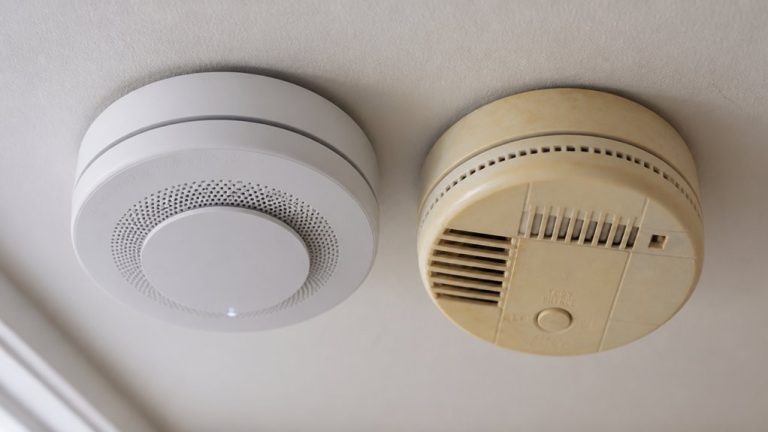

You can’t just swap First Alert smoke detectors without checking exact model compatibility and wiring.
Even within the same brand, interconnect function depends on matching specific models approved by the manufacturer.
Mixing incompatible alarms risks failure to trigger all units simultaneously, compromising safety.
Old mounting brackets and wiring harnesses usually won’t fit new models, so replacements often require updated hardware.
Understanding these details guarantees your system works correctly and alerts effectively. Explore further to get the full compatibility picture.
Key Takeaways
- First Alert smoke detectors are not universally interchangeable; compatibility depends on specific models and series.
- Only alarms from the same series or explicitly compatible models reliably interconnect and communicate.
- Sharing the brand name alone does not guarantee synchronized operation across different First Alert models.
- Using incompatible models risks failure of the interconnected system to trigger all alarms simultaneously.
- Always consult manufacturer compatibility lists to verify which First Alert models can interconnect properly.
Can First Alert Smoke Detectors Be Interchanged Safely?
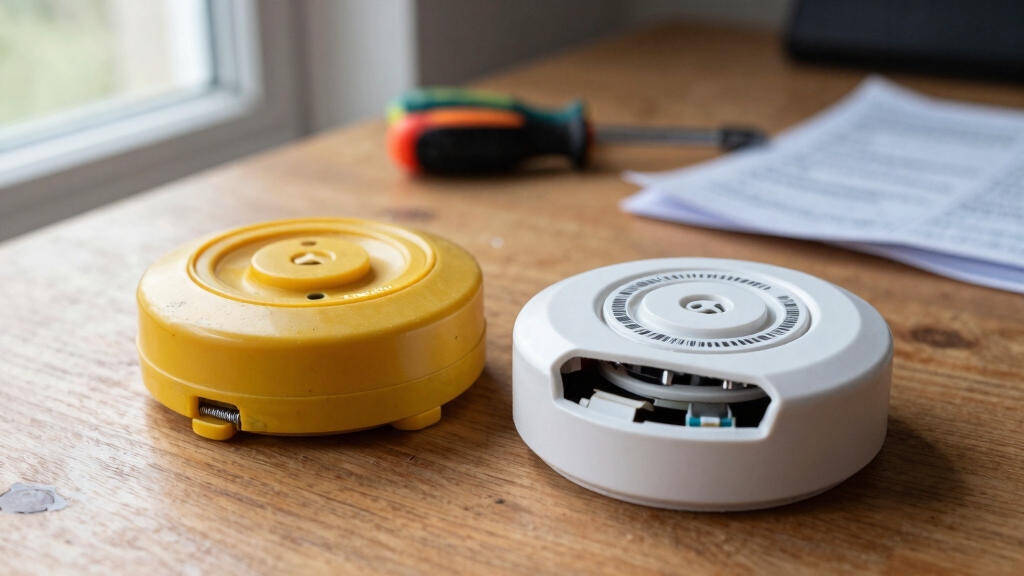
Although you might assume all First Alert smoke detectors can be interchanged safely due to their shared brand, compatibility depends heavily on the specific models you’re working with.
Not all First Alert smoke detectors are interchangeable; compatibility varies by specific model.
First Alert requires that interconnected alarms be from the same series or explicitly listed as compatible to guarantee proper communication.
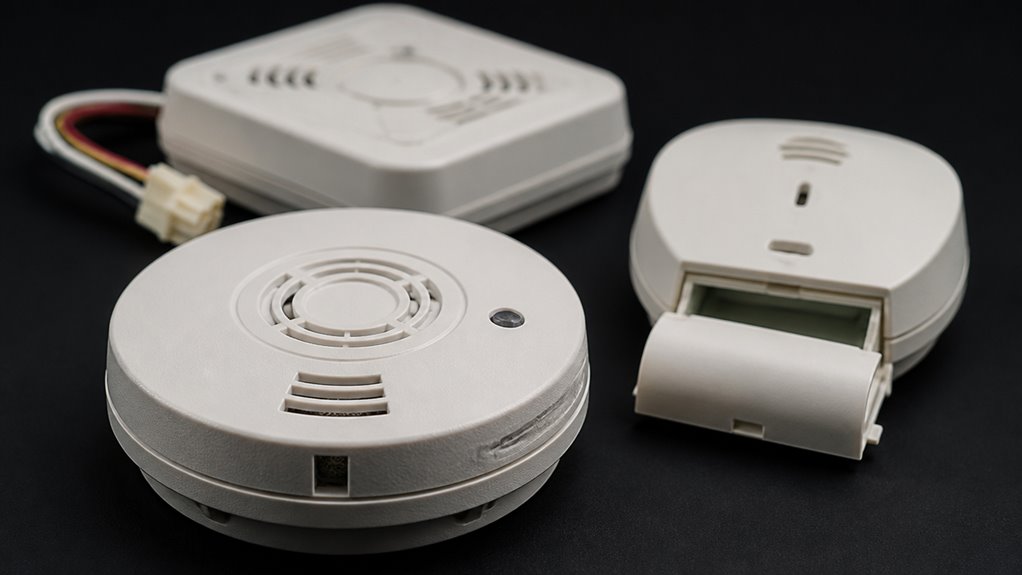
Merely sharing the brand name doesn’t guarantee synchronized operation. Different models may use distinct wiring harnesses and mounting brackets, complicating installation.
You must consult the manufacturer’s compatibility list, such as the SC5 interconnect page, to verify which models can function together.
Using incompatible alarms risks failure in the interconnected system, where one alarm’s trigger won’t activate others.
Additionally, physical fit and electrical connections vary between models, so you shouldn’t reuse old brackets or wiring without confirmation of compatibility.
It is also important to verify interconnected units during testing to ensure proper communication and functionality across compatible devices.
Why Model Compatibility Matters More Than Brand Name?
You can’t just go by the brand name when it comes to replacing or connecting First Alert smoke detectors. It’s really all about the specific models.
You see, the interconnect function—where alarms communicate with each other—only works with alarms that are designed for that purpose. Plus, the mounting brackets or wire harnesses can vary quite a bit between different models.
Additionally, some First Alert models like the SC5 offer smart connectivity features that affect compatibility and integration with other devices.
Model-Specific Interconnect Requirements
When selecting smoke detectors for an interconnected system, model compatibility takes precedence over simply matching the brand name. Each First Alert model is engineered with specific interconnect protocols, ensuring reliable communication and synchronized alarms.
Using incompatible models, even within the same brand, can disrupt signal transmission. This prevents all units from sounding during an emergency. First Alert’s compatibility lists highlight approved combinations, such as SC7010BV with SC5-series alarms. This emphasizes that interconnect functionality depends on precise model matching.
The wiring alone doesn’t guarantee interoperability; internal circuitry and signaling methods must align. You should always consult product manuals and manufacturer compatibility charts before installation.
Adhering strictly to model-specific interconnect requirements guarantees system integrity, peak performance, and compliance with safety standards. This helps avoid false alarms or missed alerts in critical situations. Additionally, routine testing and maintenance after installation is essential to ensure ongoing detector functionality and safety compliance.
Bracket And Harness Compatibility
Installing or replacing a smoke detector demands careful attention to bracket and harness compatibility, which often varies considerably between models even within the same brand.
You can’t assume the mounting bracket or wiring harness from an older First Alert unit will fit a new model, as physical dimensions and electrical connectors differ.
First Alert recommends replacing the bracket to make certain a secure fit and proper electrical connection. The wiring harness design is critical; mismatched connectors can prevent power or interconnect signals from functioning correctly.
Even within First Alert’s product lines, compatibility is model-specific, not brand-wide. To avoid installation issues or system failures, always verify the new detector’s bracket and harness requirements against the manufacturer’s specifications rather than relying on previous hardware.
This approach guarantees reliable operation and safe interconnect functionality. Additionally, regular maintenance such as battery replacement every six months or after low-battery alerts is essential to ensure the detector operates reliably.
Which First Alert Models Interconnect Properly?
Although First Alert produces a wide range of smoke detectors, only specific models interconnect properly to form a synchronized system. You must rely on First Alert’s compatibility lists to guarantee your alarms communicate correctly.
First Alert smoke detectors interconnect only when using specific compatible models for reliable, synchronized alerts.
Here are key points to take into account:
- Models like SC7010BV, SC9120B, SMCO600NV, and SMCO110V-AC are confirmed compatible for interconnect functionality.
- Compatibility extends to both smoke-only and combined smoke/CO alarms within designated product lines, guaranteeing all sound simultaneously during an alert.
- Cross-brand interconnects exist but are limited to tested model combinations. Always verify against manufacturer documentation to avoid improper connections.
Many First Alert models support wireless interconnectivity to provide simultaneous alerts throughout the home for enhanced safety.
Risks of Mixing Different First Alert Alarm Models
Mixing different First Alert alarm models can lead to some compatibility issues. Not all of them are designed to communicate with each other, which can be a real problem. If the models aren’t compatible, you might experience synchronization failures. This means that not all alarms will sound at the same time during an emergency, and that’s definitely not ideal. Ensuring your alarms support interconnectivity is essential for comprehensive home coverage and synchronized alerts.
Compatibility Issues
When mixing different First Alert alarm models, compatibility issues can arise that affect the interconnected system’s functionality. You might face problems with communication between units, physical mounting incompatibilities, or wiring mismatches. To avoid these issues, keep these points in mind:
- Model Compatibility: Only alarms listed as compatible in First Alert’s official documentation interconnect reliably. Mixing models outside this list can disrupt system-wide alerts.
- Mounting Brackets and Harnesses: Newer alarms often require updated brackets and specific wiring harnesses. Reusing old components can prevent proper installation or electrical connection.
- Interconnect Communication Protocols: Even within the same brand, different series use unique signaling methods. Make sure your alarms share the same protocol to maintain synchronized operation.
Following First Alert’s compatibility guidelines prevents functional failures and ensures your interconnected system performs as intended. Additionally, performing a proper reset procedure after installation or changes helps restore communication and power flow between units.
Synchronization Failures
Issues with model compatibility and mounting often lead directly to synchronization failures in interconnected First Alert alarm systems. When you mix models not listed as compatible, the alarms may fail to communicate, causing only one unit to sound during an emergency.
This risk arises because interconnect signals rely on specific wiring and communication protocols unique to approved models. Additionally, reusing old mounting brackets or wire harnesses can disrupt electrical connections, preventing proper synchronization.
To avoid these failures, you must verify that all alarms conform to the manufacturer’s compatibility list, such as that for the SC5 series, and replace mounting hardware as recommended. Ignoring these precautions compromises your system’s reliability, increasing the danger of uncoordinated alerts during fire or carbon monoxide events.
Ensuring proper interconnectivity also involves using devices with verified UL and CSA certifications to guarantee consistent alarm performance and communication.
Why Old Mounting Brackets and Wire Harnesses Usually Don’t Fit?
Although mounting brackets and wire harnesses might look similar across First Alert models, they often don’t fit interchangeably due to design changes and updated electrical configurations. You can’t assume older brackets or wiring setups will match newer alarms because First Alert frequently updates both physical and electrical designs.
Here’s why old brackets and harnesses usually don’t fit:
- Physical dimensions vary: New alarms may have different mounting hole patterns or shapes, making old brackets incompatible.
- Electrical harness redesign: Wiring connectors and pin configurations change to support new features or communication protocols.
- Safety and reliability: Using mismatched brackets or harnesses risks poor connections and system failure, so First Alert recommends replacing them with the new alarm.
Always match your mounting hardware and wiring to the specific model you’re installing. It’s also important to note that smoke alarms should be replaced every 10 years to maintain proper sensor sensitivity and safety standards.
How to Find Compatible Replacement Alarms for Your System?
Replacing a smoke alarm requires more than just matching the brand. You need to make certain the new unit is compatible with your existing system’s interconnect features and mounting setup.
Start by identifying your current alarm’s exact model number. Consult the manufacturer’s compatibility list, such as First Alert’s SC5 compatibility page. This ensures the replacement alarm can properly communicate with your interconnected units.
Next, verify that the mounting bracket and wiring harness match the new alarm’s requirements. Don’t assume old brackets or harnesses will fit. Review the installation manual for any specific interconnect wiring or physical fit details.
If your system uses hardwired interconnects, only models approved for interconnect use within the same product series or explicitly listed as compatible should be installed. This will maintain full system functionality.
Additionally, confirm the power source type and tamper-resist features to ensure proper installation and operation of the replacement alarm, as these can vary between models and affect compatibility with your existing system’s power source.
Do First Alert Alarms Interconnect With Other Brands?
Wondering if First Alert alarms can interconnect with other brands? The answer depends on specific model compatibility, not just the brand name.
First Alert alarms only interconnect reliably with other alarms that are tested and approved for compatibility. Here’s what you need to know:
- Cross-brand interconnect requires both brands to list compatible models designed to communicate properly.
- Kidde and First Alert each publish compatibility lists showing exactly which models interconnect across brands.
- Using alarms outside these approved lists risks failure to trigger all units simultaneously, even if wired together.
You should always consult manufacturer compatibility charts before mixing brands. Interconnect systems aren’t universally cross-compatible; only specified models guarantee synchronized alarm functionality.
Steps to Ensure Compatible Smoke Detector Interconnects at Home
When setting up or upgrading your home’s smoke detector system, you need to verify that all alarms are compatible for interconnection to guarantee reliable communication.
Start by consulting the manufacturer’s compatibility list. First Alert’s SC5 page, for example, details specific models approved for interconnect use.
Consult the manufacturer’s compatibility list to identify models approved for interconnect use, like First Alert’s SC5 page.
Make sure all devices belong to the same brand and series to avoid communication failures.
Next, replace old mounting brackets and wiring harnesses since new alarms often require matching hardware for proper fit and electrical connection.
Confirm that alarms support interconnected signaling, not just shared power wiring.
Finally, cross-check product manuals for installation instructions and compatibility notes.
Following these steps assures your interconnected smoke detectors will trigger simultaneously, safeguarding your home effectively.
Frequently Asked Questions
How Often Should I Test My Interconnected Smoke Detectors for Proper Functionality?
You should test your interconnected smoke detectors at least once a month to ensure they function properly.
Press and hold the test button until you hear the alarm sound from all connected units, confirming they communicate correctly.
Additionally, replace batteries yearly or when the low-battery warning sounds.
Regular testing helps detect malfunctions early, keeping your home safe and guaranteeing that all detectors respond simultaneously in an emergency.
Can Wireless First Alert Smoke Detectors Interconnect With Hardwired Models?
Wireless First Alert smoke detectors generally can’t interconnect directly with hardwired models. Their communication methods differ; wireless units use radio signals, while hardwired rely on electrical interconnect wiring.
However, some specialized First Alert systems offer compatible wireless modules designed to integrate with hardwired alarms. You’ll need to verify exact model compatibility through the manufacturer’s documentation to guarantee proper interconnect function between wireless and hardwired units.
What Is the Typical Lifespan of a First Alert Smoke Detector Before Replacement?
How long can you rely on your First Alert smoke detector before it becomes ineffective?
Typically, you should replace it every 10 years.
Over time, sensors degrade, and dust accumulation can reduce sensitivity.
Check the manufacturing date on the back of the unit to track its age.
Don’t ignore the test button. If alarms sound weak or inconsistent, it’s time for a new detector to guarantee peak safety.
Are There Any Special Tools Needed to Install First Alert Interconnected Alarms?
You don’t need special tools beyond common household tools to install First Alert interconnected alarms. A screwdriver, wire stripper, voltage tester, and drill for mounting holes are typically sufficient.
Always turn off power before wiring. Following the installation manual carefully secures proper connections and safety.
For complex wiring or if you’re unsure, consider consulting a licensed electrician to guarantee code compliance and reliable interconnect functionality.
How Do I Reset Interconnected Smoke Detectors After an Alarm Event?
Think of your interconnected smoke detectors as a choir that needs a conductor’s cue to stop singing after an alert.
To reset them, first silence the alarm by pressing the “Hush” or “Silence” button on the triggered unit.
Then, press and hold the “Test/Reset” button on each detector for about 15 seconds until the lights stop flashing.
This resets the system, ensuring all detectors are ready to alert you again.
Keep Your First Alert Alarm System Working Safely
Think of your First Alert smoke detectors like puzzle pieces. Even if they look similar, only the right pieces fit perfectly together.
Just as mismatched puzzle parts don’t complete the picture, mixing incompatible models can disrupt your home’s safety network. Studies show interconnected alarms cut response time by 50%.
Ensuring compatibility isn’t just technical—it’s lifesaving. Always verify model compatibility and wiring before swapping detectors to keep your system seamless and secure.