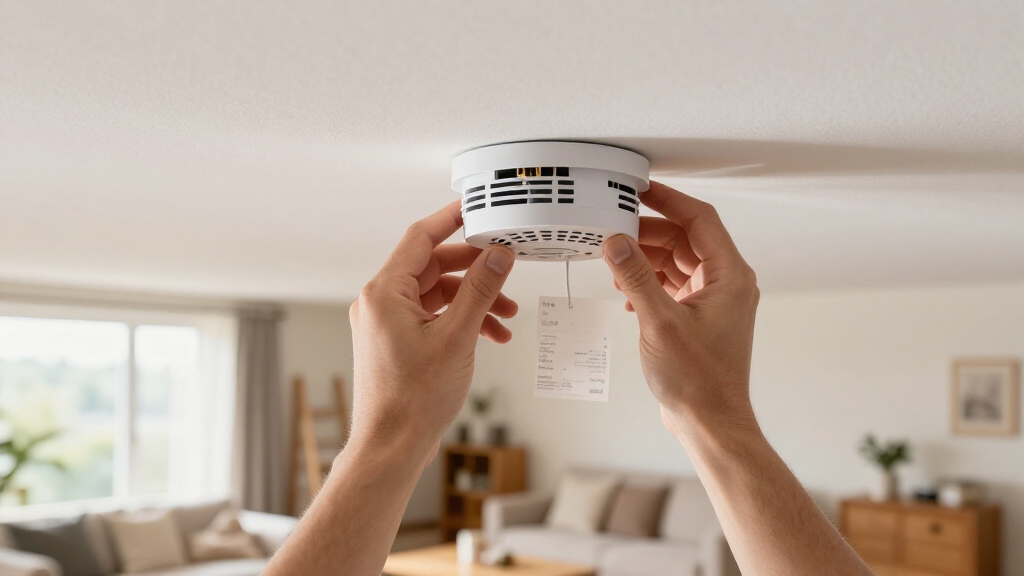

You can expect to pay between $70 and $150 per smoke detector for professional installation, depending on whether you choose battery-operated, hardwired, or smart models.
Battery units are less costly and quicker to install, while hardwired and smart detectors increase labor time, wiring needs, and overall price.
Additional expenses like permits, wiring upgrades, and combination smoke/CO detectors can raise costs further.
Understanding these factors helps you plan effectively, with deeper insights available for multi-unit setups and cost-saving strategies.
Key Takeaways
- Professional installation of smoke detectors typically costs between $70 and $150 per unit, with smart or combination units reaching $400 or more.
- Battery-operated smoke detectors cost $10–$50 per device and have minimal installation labor, usually about one hour per unit.
- Hardwired smoke detectors range from $30 to $150 per device and require more labor, often 1 to 3 hours per unit, increasing total costs.
- Additional expenses like wiring upgrades, permits, and materials can add $150 to $300+ per unit, especially for hardwired or complex systems.
- Labor rates vary from $50 to $100+ per hour, with smart detector setups requiring extra time for connectivity testing and configuration.
How Much Does Smoke Detector Installation Cost?
When you install smoke detectors, expect to pay between $70 and $150 per unit for professional installation. Costs vary based on the type of device and complexity of the job.
Professional smoke detector installation typically costs between $70 and $150 per unit, depending on device type and job complexity.
Basic battery-operated detectors usually cost less, often near the lower end of this range. Hardwired and smart detectors tend to be pricier due to additional hardware and labor requirements.
Labor alone can range from $50 to $100 per hour, with installation typically taking about an hour per unit for simpler models. More complex setups, especially hardwired systems, may require extra time and increase total costs.
While device prices vary—from $10 for basic models to over $300 for advanced units—the bulk of your expense will come from professional installation to guarantee safety and code compliance.
Many hardwired smoke detectors also include backup batteries to ensure continuous operation during power outages, adding to installation considerations.
Key Factors That Affect Installation Price
When it comes to installing smoke detectors, the type you choose really impacts the price. For instance, battery-operated units are generally more budget-friendly compared to hardwired or smart models.
But that’s not all! The complexity of the installation matters too. If you’re going for a hardwired system or need new wiring, expect it to take more time and skill, which can drive up labor costs. Additionally, ensuring proper interconnected alarms functionality may require extra setup and testing, influencing the overall installation price.
Device Type Impact
Although smoke detectors serve the same essential safety function, the type you choose greatly influences installation costs. Battery-operated units are the most affordable, usually costing between $10 and $50 each, with simple installation.
Hardwired detectors require electrical connections, raising prices to $30–$150 per device, plus higher labor costs. Smart detectors, with advanced features like Wi-Fi alerts, can cost $50 to $300 or more per unit, increasing both material and installation expenses.
Combination smoke and carbon monoxide detectors typically carry a premium as well.
Key cost drivers include:
- Device complexity and technology
- Required wiring or electrical work
- Additional features like connectivity
- Whether it’s battery-operated or hardwired
Choosing the right type helps you budget accurately for installation. Additionally, hardwired detectors often require battery backups to ensure continuous operation during power outages, which can affect maintenance costs and compliance.
Labor Complexity
Since labor accounts for a significant portion of your smoke detector installation cost, understanding the factors that influence complexity can help you plan your budget.
Labor varies based on whether you install battery-operated, hardwired, or smart detectors. Battery-operated units usually require minimal time, often about an hour per device.
Hardwired systems involve more labor, especially if new wiring, attic access, or electrical panel work is necessary. This can extend installation to three hours per unit.
Smart detectors add complexity due to setup and connectivity testing. Electricians typically charge between $50 and $100 per hour, so labor alone can range from $40 to over $260 per unit.
Knowing these variables allows you to anticipate labor costs accurately and avoid surprises during your smoke detector installation project.
Always ensure compliance with local electrical codes to maintain safety and avoid costly rework.
Comparing Battery-Operated, Hardwired, and Smart Smoke Detectors
When it comes to smoke detectors, battery-operated models are usually the most affordable and the easiest to install. You can just pop in some batteries and mount them where you need them—simple as that!
On the other hand, hardwired smoke detectors involve a bit more work. They require wiring and installation, which means you’ll likely be paying more for both the device and the labor. So, if you’re considering these, keep that extra cost in mind.
Now, if you want to go high-tech, smart smoke detectors are the way to go. They come with features like Wi-Fi alerts, which can be super handy. But here’s the catch: they do tend to be pricier, and installation can be a bit more complex, too.
Remember to replace smoke alarms every 10 years or according to the manufacturer timeframe to ensure reliable detection and safety.
Cost Differences Overview
When comparing smoke detector options, the cost differences primarily stem from installation complexity and device features.
Battery-operated models are the most affordable, typically ranging from $10 to $50 per unit with minimal labor costs.
Hardwired detectors cost more, generally between $30 and $150 for the device, plus higher installation fees due to electrical connections.
Smart detectors command the highest prices, $50 to $300 or more, because of advanced technology and integration features.
Here’s what you should consider:
- Battery-operated units minimize upfront and labor costs.
- Hardwired systems require professional installation, increasing total expenses.
- Smart detectors add value but elevate device and installation costs.
- Labor charges vary widely based on wiring and setup complexity.
Additionally, hardwired detectors often include battery backups to maintain operation during power outages, enhancing safety but potentially impacting installation cost.
Installation Complexity Factors
Understanding how installation complexity varies among battery-operated, hardwired, and smart smoke detectors helps you anticipate labor requirements and costs.
Battery-operated units are the simplest to install. They usually just require mounting and inserting batteries, which keeps labor minimal and affordable.
Hardwired detectors require connecting to your home’s electrical system, often demanding more time, skill, and potential rewiring, especially in older homes.
This increases labor costs and complexity markedly. Smart smoke detectors add another layer by integrating wireless connectivity and sometimes app setup.
This may require additional configuration and testing beyond basic wiring. While smart models often build on hardwired or battery-operated bases, their installation complexity depends on your home’s infrastructure and the device’s communication features.
Hardwired detectors typically require professional installation to ensure compliance with electrical codes and system reliability.
Knowing these factors helps you plan for realistic costs and choose the right system for your needs.
Feature and Technology Impact
Although all smoke detectors serve the critical function of alerting you to fire hazards, their features and technology markedly influence installation costs and overall performance.
Battery-operated units are the simplest and cheapest to install, typically costing less than $150 per unit including labor. Hardwired alarms require more labor and wiring expertise, often raising costs to $150–$300 per unit.
Smart smoke detectors integrate Wi-Fi and app connectivity, adding to both device and installation expenses, sometimes reaching $400 or more.
Consider these key differences:
- Battery-operated detectors are low-cost, easy to install, and require minimal maintenance.
- Hardwired systems offer reliable power but need professional wiring and more labor time.
- Smart detectors provide advanced alerts and integration but demand complex setup.
- Combination units (smoke and CO) increase device and labor costs accordingly.
Choose based on your budget and desired functionality.
Regular maintenance, including battery replacement every 6 months, is essential to ensure battery-operated detectors remain reliable and functional.
How Combination Smoke and CO Detectors Affect Costs?
Adding combination smoke and carbon monoxide (CO) detectors to your home setup can bump up both device and installation costs compared to smoke-only alarms.
These units integrate two essential safety features, raising the price due to added sensors and complexity. While they offer space-saving convenience and all-encompassing protection, expect to pay more per unit.
Here’s a breakdown of typical costs:
| Device Type | Approximate Price Range |
|---|---|
| Smoke-only battery-operated | $10 – $50 |
| Combination smoke & CO battery | $30 – $80 |
| Smoke-only hardwired | $30 – $150 |
| Combination smoke & CO hardwired | $50 – $200+ |
Choosing combination detectors means higher upfront device costs and potentially longer installation times due to wiring and calibration needs. Many models include dual-sensor technology that detects both smoke and carbon monoxide hazards for comprehensive home safety.
Labor Costs for Smoke Detector Installation
When you hire a professional to install smoke detectors, labor costs can substantially influence the total expense. Electricians typically charge between $50 and $100 per hour, with installations taking about one hour per unit for basic setups. More complex jobs, especially hardwired systems, may require 1 to 3 hours per alarm, increasing labor fees.
Here’s what to take into account:
- Labor rates generally range from $30 to $130 per hour depending on location and complexity.
- Simple battery-operated detector installs are quicker and less costly.
- Hardwired alarms demand more labor time due to electrical connections.
- Labor can account for $40 to $260+ of the final installed cost per unit.
Understanding these factors helps you budget more accurately for professional installation.
Wiring Upgrades and Their Impact on Installation Price
Because wiring upgrades often involve running new cables, accessing attics, or updating electrical panels, they can greatly increase the cost of smoke detector installation.
When your home’s existing wiring is outdated or insufficient, electricians must spend extra hours installing new circuits or upgrading panels, which drives labor costs higher.
You should expect this to add $150 to $300 or more per alarm, especially if attic access is limited or walls need opening.
Hardwired smoke detectors require these connections, so if your system isn’t pre-wired, your installation budget must accommodate these upgrades.
Planning for wiring improvements guarantees your new detectors are safely and reliably integrated.
However, it also means you’ll pay appreciably more than just the device and basic labor costs.
Following a methodical approach and prioritizing safety during installation is essential to ensure reliable operation and home protection.
Additional Installation Costs: Permits, Inspections, and Materials
Wiring upgrades can markedly raise your installation costs, but they’re not the only factors to take into account.
Beyond labor and devices, additional expenses often arise from permits, inspections, and necessary materials. These elements guarantee your installation meets local codes and operates safely.
Consider these key additional costs:
- Permits: Required by many municipalities, typically costing $50 to $200 depending on your location.
- Inspections: Professionals verify compliance, sometimes included in permit fees or charged separately.
- Materials: Mounting brackets, wiring accessories, and junction boxes can add $20 to $100 or more.
- Additional Hardware: Upgrades like interconnection modules or battery backups may increase costs further.
Planning for these will help you avoid surprises and guarantee a compliant, safe smoke detector installation.
Budgeting for Multi-Detector Installations in Your Home
Several factors influence the total cost when installing multiple smoke detectors throughout your home.
The price per unit varies widely, from $70 to $150 for standard professional installation, but can rise to $400 or more for smart or combination detectors.
Labor is a significant component, especially with hardwired systems that require electrical connections. This often costs $150 to $300 per unit.
Installation complexity, such as wiring upgrades and attic access, further impacts your budget.
For a modest setup using wireless devices, expect $180 to $500 total. Hardwired multi-detector systems typically run between $500 and $1,200.
Larger homes with multiple zones and permits can see costs climb to $3,500.
Planning carefully around these variables helps you allocate funds efficiently for a safe, compliant smoke detector system.
Tips to Lower Your Smoke Detector Installation Expenses
Managing the costs of installing smoke detectors doesn’t have to be overwhelming. You can reduce expenses by making strategic choices and planning carefully.
Here are four tips to help you lower your installation costs:
- Choose battery-operated models if possible. They’re cheaper and simpler to install, avoiding costly electrical work.
- Purchase detectors in bulk or during sales to reduce per-unit prices.
- Prepare your home for installation by ensuring easy attic or panel access. This minimizes labor time.
- Consider hiring licensed electricians with transparent hourly rates and clear estimates to prevent unexpected charges.
Frequently Asked Questions
How Often Should Smoke Detectors Be Replaced?
You should replace smoke detectors every 10 years to guarantee reliable performance. Over time, their sensors degrade, increasing the risk of failure during a fire.
Even if they seem to work, old detectors mightn’t respond correctly. Check the manufacture date on the back and plan replacements accordingly.
Regularly test them monthly and replace batteries yearly or as needed to keep your home safe and compliant with safety standards.
What Maintenance Is Required for Different Smoke Detector Types?
You might be surprised how maintenance varies by smoke detector type.
Battery-operated units need you to replace batteries yearly and test monthly.
Hardwired detectors require the same tests, plus occasional wiring inspections to guarantee safety.
Smart detectors demand regular software updates alongside battery or power checks.
Don’t skip cleaning any detector yearly to remove dust that can trigger false alarms or hinder detection.
Staying vigilant keeps your home truly protected.
Can Smoke Detectors Be Installed in Any Room of the House?
You can install smoke detectors in most rooms, but avoid kitchens and bathrooms because steam or cooking fumes trigger false alarms.
Install detectors inside bedrooms, outside sleeping areas, and on every level of your home, including the basement. Hallways and living rooms are also good spots.
Follow manufacturer guidelines and local codes for ideal placement. Proper positioning guarantees early warning and maximizes your safety during a fire emergency.
Are There Specific Smoke Detectors for People With Hearing Impairments?
Just like a lighthouse guides ships through fog, specialized smoke detectors help those with hearing impairments stay safe.
Yes, you can find smoke alarms designed with flashing lights, bed shakers, or vibrating pads to alert you during emergencies.
These devices make certain you’ll never miss a warning, even without sound.
Look for models certified for hearing-impaired users, often combining multiple alert methods to keep your home secure and accessible.
How Do Smoke Detectors Connect With Home Security Systems?
Smoke detectors connect to home security systems through wired or wireless links, allowing centralized monitoring and alerts.
When smoke triggers the detector, it sends a signal to your security panel, which can notify you via phone, app, or emergency services.
Smart smoke alarms often integrate seamlessly, using Wi-Fi or Z-Wave protocols. You’ll want compatible devices and professional setup to guarantee reliable communication and prompt response during emergencies.
Final Answer: How Much to Install Smoke Detectors?
Installing smoke detectors is an investment that pays off like a safety net for your home.
By understanding costs, from device types to labor and permits, you can budget wisely without surprises.
Remember, opting for smart or combination detectors might cost more upfront but offers greater protection.
Keep wiring upgrades in mind, especially in older homes.
With careful planning and a few cost-saving tips, you’ll secure your home efficiently and effectively.
This ensures peace of mind for years to come.