
You’ll find gas stations usually keep camera footage for 30 to 90 days, depending on storage capacity and system setup.
Smaller stations often retain footage for less than 30 days due to limited storage.
Franchises commonly maintain 30 to 90 days or more.
Legal requirements, company policies, and incident reports can extend retention, especially when footage is needed for investigations.
Understanding these factors can clarify why retention periods vary so much across different stations.
Key Takeaways
- Gas stations typically retain camera footage between 30 and 90 days, with 30 days being the common commercial baseline.
- Smaller independent stations often keep footage for less than 30 days due to limited storage capacity.
- Franchise locations usually follow brand policies, retaining footage 30 to 90 days, with upgraded systems extending to 60-90+ days.
- Incident-related footage is preserved longer, often locked and stored until investigations or legal matters conclude.
- Storage capacity, camera quality, and legal requirements significantly influence how long gas stations keep camera footage.
Typical Gas Station Camera Footage Retention Periods
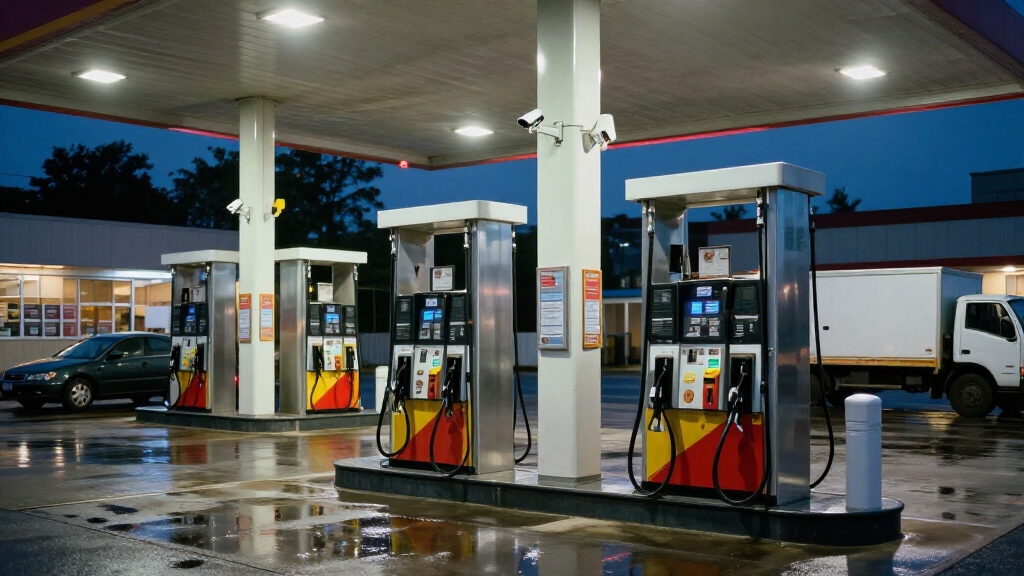
Typically, gas station camera footage is stored for anywhere between 30 and 90 days, with many systems defaulting to a 30-day retention period.
You’ll find some setups overwrite footage after just a few days, especially in smaller stations with limited storage.
Larger franchise locations often keep recordings longer, reflecting their capacity and policy requirements.
When an incident occurs, footage related to that event is usually preserved beyond the standard period to support investigations.
Routine, unused footage tends to follow the shorter retention cycle.
You should expect that retention periods reflect a balance between operational needs and regulatory compliance, with evidence-related clips receiving special consideration for extended storage.
Understanding these typical windows helps you anticipate how long footage will remain available for review or legal purposes.
Additionally, many gas station systems use NVR setups that support event-triggered recording to efficiently manage storage and retain important footage longer.
How Storage and Equipment Affect Footage Retention?
Because storage capacity directly limits how much footage a gas station can keep, your choice of equipment plays a crucial role in retention duration. Higher resolution cameras produce larger files, demanding more storage. The number of cameras exponentially increases storage needs.
Modern digital recorders with larger hard drives extend retention. In contrast, older equipment with limited storage shortens it. Efficient compression technology also affects how long footage remains accessible before being overwritten.
| Equipment Factor | Impact on Retention |
|---|---|
| Camera Resolution | Higher resolution = larger files |
| Number of Cameras | More cameras = higher storage demand |
| Storage Capacity | Larger drives = longer retention |
| Compression Method | Efficient compression saves space |
| Recording System Type | Digital systems offer extended storage |
Additionally, planning cable routes to minimize distance to the recording system can improve signal quality and ensure reliable footage storage by reducing transmission errors related to long or exposed wiring cable routing best practices.
Understanding these factors helps you optimize footage retention effectively.
Legal and Policy Factors Affecting Retention Timeframes
Although storage and equipment set the technical limits, legal requirements and company policies ultimately define how long gas station footage must be retained.
You’ll find that many jurisdictions impose privacy guidelines restricting footage retention to only what’s necessary. Typically, you’ll see standard periods ranging from 48 hours to 30 days for routine surveillance, with 30 days often serving as a commercial baseline.
Company policies, especially at franchises, may mandate longer retention, sometimes up to 90 days, to comply with insurer or permit conditions. These policies balance legal compliance with operational needs, ensuring footage isn’t kept indefinitely.
Retention periods can also be influenced by factors such as recording settings and storage capacity, which affect how long footage is technically feasible to keep.
How Incidents Influence Footage Retention and Access?
When you report an incident, gas stations usually keep that relevant footage for longer than they normally would. This is to ensure that any evidence stays intact. Pretty important, right?
Typically, this extended preservation lasts until the investigations are wrapped up or any legal requirements are fulfilled. So, knowing how incident reporting can trigger this longer access is really helpful for managing footage effectively. It’s all about making sure everything is handled properly!
Retention periods vary based on local policies and legal contexts, which can significantly influence how long footage is preserved after an incident.
Incident Reporting Effects
Once an incident is reported at a gas station, the retention of relevant camera footage typically shifts from routine deletion schedules to extended preservation.
This change guarantees footage remains accessible for investigations, insurance claims, or legal proceedings. You’ll notice that:
- Incident-related footage is often locked to prevent overwriting until the case resolves.
- Law enforcement or insurance requests can legally require longer storage periods.
- Written policies frequently mandate separate handling and controlled access to evidence clips.
Extended retention and controlled access help ensure compliance with legal and policy requirements during incident reviews.
Extended Evidence Preservation
Since incidents demand thorough investigation, gas stations extend the retention period of relevant camera footage well beyond routine schedules. When an incident occurs, the involved footage is flagged and preserved, often until legal or insurance matters conclude.
This means the usual 30- to 90-day window can stretch indefinitely depending on the case’s complexity. You’ll find that evidence clips are stored separately, ensuring they aren’t overwritten during regular data cycling.
Additionally, law enforcement requests can mandate further extensions, overriding standard retention policies. Storage capacity and internal protocols influence how long this extended preservation lasts.
Proper planning for footage storage and management is essential to maintain evidence integrity during extended retention periods.
Retention Differences Between Small and Franchise Gas Stations
When you look at small gas stations versus franchise ones, storage capacity really makes a difference in how long they keep footage.
Smaller stations often have shorter retention periods because they just don’t have the space.
On the other hand, franchise locations usually have to stick to strict brand-wide policies.
These policies often require longer storage times and more detailed handling of incident footage.
It’s interesting to note that evidence related to incidents tends to be preserved beyond the usual timeframe, especially in franchises that have comprehensive security protocols in place.
Additionally, ongoing expenses like cloud storage can influence how long footage is retained due to monthly cost considerations.
Storage Capacity Impact
Many gas stations differ markedly in how long they keep camera footage, largely due to variations in storage capacity. When you consider retention, storage limits are essential because footage size and camera quantity directly affect how long data stays accessible.
Here are three key storage capacity factors impacting retention:
- Number of Cameras: More cameras generate more data, reducing how long footage stays before being overwritten.
- Camera Resolution: Higher-quality video creates larger files, consuming storage faster and shortening retention periods.
- Storage Hardware: Smaller or older storage systems common in small stations limit footage retention compared to larger, upgraded systems at franchise locations.
Understanding these factors helps you anticipate why small stations often keep footage for under 30 days. Franchises with robust storage can retain video for 60 to 90 days or more. Employing loop recording systems is common, meaning older footage is overwritten once storage is full, which directly impacts retention time.
Brand-Wide Retention Policies
Although individual gas stations tailor their camera footage retention based on storage and local factors, franchise locations typically enforce brand-wide policies that standardize retention periods across all sites. This guarantees consistent compliance with corporate guidelines and legal requirements.
For you, this means franchise stations often maintain footage for 30 to 90 days. This reflects centralized decisions balancing storage capacity, legal mandates, and incident management protocols. In contrast, smaller independent stations may retain footage for shorter periods, sometimes only a few days, due to limited storage and less formalized policies.
You should expect that franchise policies are regularly reviewed and updated. Small stations rely heavily on owner discretion. Overall, brand-wide policies provide predictability and uniformity that you won’t usually find in smaller, independently operated gas stations. Ensuring regular maintenance and precise configuration of security cameras can help these stations optimize storage and footage quality.
Incident Footage Handling
Gas stations handle incident footage retention with notable differences between small independents and franchise locations. When an incident occurs, footage is preserved beyond routine cycles, but how long depends on resources and policies.
Small stations often face storage limits, so they keep incident videos for shorter periods, typically 30 days or less. Franchise locations usually follow strict, brand-wide policies, extending retention up to 90 days or until legal matters conclude.
Key distinctions include:
1. Storage Capacity
Small stations have limited space, influencing shorter retention.
2. Policy Enforcement
Franchises implement consistent, longer retention tied to corporate standards.
3. Legal Obligations
Both types hold incident footage longer when law enforcement requests arise, but franchises tend to have more formalized procedures.
You’ll notice franchises prioritize detailed incident footage management more consistently than smaller stations. Proper data retention policies are essential to comply with legal regulations and protect privacy.
Why Gas Station Footage Retention Ranges From 30 to 90 Days?
Because storage capacity and legal requirements vary widely, you’ll often find gas station footage retention periods ranging from 30 to 90 days.
Storage limits depend on camera quality, number of cameras, and available hardware, directly impacting how long footage remains accessible.
Smaller stations with limited storage tend to keep recordings closer to 30 days or less, while larger franchises with more robust systems typically extend retention to 60 or 90 days.
Legal and insurer mandates also influence these timeframes, requiring some locations to retain footage longer for compliance.
Additionally, policies usually prioritize preserving footage linked to incidents or investigations beyond standard cycles.
Ultimately, this retention range balances technical constraints with regulatory and operational needs, ensuring necessary footage remains available without overwhelming storage resources.
Frequently Asked Questions
Can Customers Request Copies of Gas Station Camera Footage?
Yes, you can request copies of gas station camera footage, but access often depends on the station’s policies and local laws.
Typically, you’ll need to contact the station manager or owner promptly since footage is stored temporarily.
If the footage involves an incident, they may preserve it longer and cooperate with law enforcement.
However, many stations don’t release footage directly to customers without official requests or legal procedures.
How Is Camera Footage Securely Stored to Prevent Tampering?
You might suspect footage is vulnerable, but gas stations secure it rigorously.
They encrypt video files and restrict access through password-protected systems.
Footage is stored on tamper-resistant servers or cloud platforms with audit trails tracking every access.
Some use write-once-read-many (WORM) technology to prevent alterations.
Regular backups and controlled physical access to hardware further guarantee integrity.
This layered security stops tampering and maintains trustworthy evidence when you need it most.
Are Gas Station Cameras Monitored in Real-Time by Staff?
You typically won’t find gas station cameras monitored in real-time by on-site staff.
Most systems record continuously and store footage for later review, relying on motion detection alerts to flag unusual activity.
Larger or franchised stations may have remote monitoring centers or security teams watching feeds live, but smaller locations depend on periodic checks.
Real-time monitoring is rare due to cost and staffing constraints, so response usually happens after reviewing recorded footage.
What Happens to Footage After the Retention Period Expires?
Once the retention period expires, the footage vanishes like sand slipping through your fingers, automatically overwritten by newer recordings.
You won’t find it stored indefinitely; systems recycle storage space to handle fresh data efficiently.
However, if an incident has been flagged, that specific footage is locked down and preserved beyond the usual cycle.
In routine cases, expired clips are systematically erased, ensuring storage capacity and compliance with policies and laws.
Do Gas Stations Notify Customers About Surveillance Recording?
You’ll often find signs at gas stations alerting you to surveillance recording, as many places legally require clear notification.
These signs inform you that cameras monitor the area for security purposes, helping protect both customers and property.
However, the exact rules vary by location, so not every station may post explicit warnings.
Still, it’s common practice and smart business to notify you about being recorded while on the premises.
What to Do If You Need Gas Station Security Footage?
You’ll find most gas stations keep camera footage between 30 to 90 days, with 45 days being the common average.
This range reflects a balance between storage limitations and legal requirements.
Footage linked to incidents can be retained longer for investigations.
Understanding this timeframe helps you know how long evidence remains accessible.
This knowledge can be essential if you need to request footage after a dispute or accident at the station.