
You’re paying more for smoke detectors because hardwired models require complex wiring, backup batteries, and professional installation. This drives up labor and material costs.
Advanced features like smart connectivity, combined sensors, and long-life batteries add intricate electronics and higher manufacturing expenses. Strict electrical codes often mandate interconnected systems, increasing the number of units needed and installation complexity.
These factors raise both upfront costs and installation fees. Exploring further reveals how each element influences overall pricing.
Key Takeaways
- Hardwired smoke detectors with backup batteries and interconnected features cost more due to complex circuitry and installation requirements.
- Smart smoke detectors include expensive wireless communication chips and require sophisticated software development and ongoing updates.
- Installation labor by licensed electricians, involving wiring through walls and compliance with codes, significantly increases overall costs.
- Regulatory mandates for hardwired, interconnected alarms with battery backup raise installation complexity and device quantity needs.
- Use of durable materials, advanced sensors, and 10-year sealed batteries increase manufacturing costs and final retail prices.
Battery vs Hardwired Smoke Detectors: Price Comparison
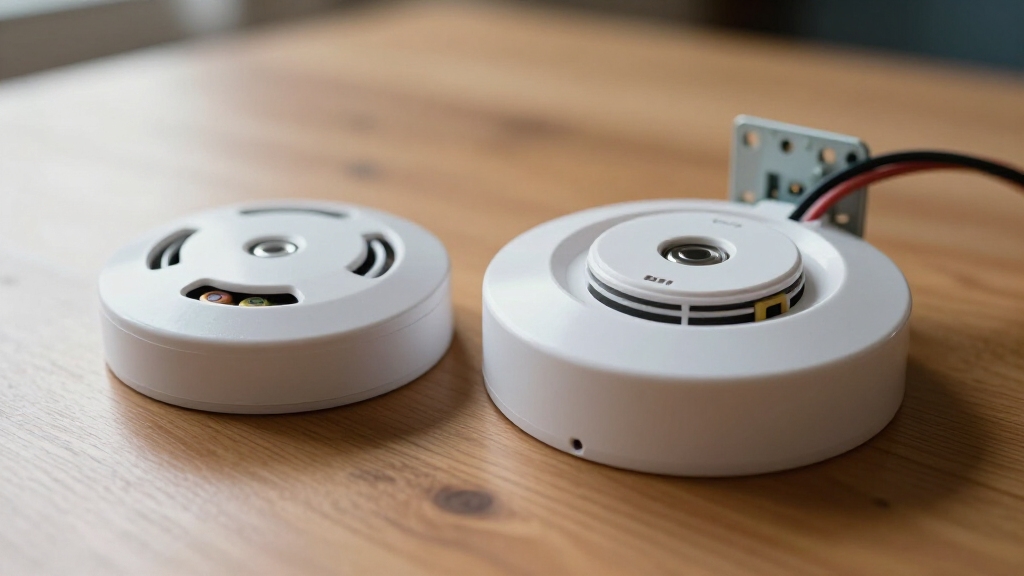
When comparing battery-powered and hardwired smoke detectors, you’ll find that battery units generally cost less upfront, typically ranging from $15 to $25.
In contrast, hardwired models average around $60. Battery-powered alarms operate independently, using replaceable or sealed batteries, which simplifies design and reduces manufacturing costs.
Hardwired detectors integrate with your home’s electrical system, requiring additional components like backup batteries and wiring connectors. This integration enhances reliability but increases the unit price due to more complex circuitry and materials.
Additionally, hardwired devices often feature interconnected capabilities, allowing simultaneous alerts across multiple units, which adds to their cost.
Your choice depends on balancing initial expense, ongoing maintenance, and desired safety features. Battery units offer straightforward installation, while hardwired alarms provide enhanced reliability and system integration at a higher price point.
Moreover, hardwired smoke detectors are required by building codes to have battery backups to ensure continuous operation during power outages.
Why Installation Labor Makes Smoke Detectors Cost More?
You know, one of the main reasons smoke detectors can be pricey is due to installation labor.
When it comes to hardwired smoke detectors, there’s a bit of a challenge. They need some serious wiring that runs through walls and ceilings.
This is where the costs really add up. To ensure everything is safe and up to code, you really need to hire licensed electricians. And let’s be honest, their expertise doesn’t come cheap!
Now, if you live in an older home, things can get even trickier. You might’ve to deal with plaster walls or outdated wiring, which can make the installation process take longer. Plus, there could be extra repairs needed, which just adds to the overall labor time and expense. So, it all adds up, doesn’t it?
Additionally, following proper electrical safety standards during installation is critical to prevent hazards and ensure reliable operation.
Complex Wiring Requirements
Because hardwired smoke detectors require extensive wiring through walls and ceilings, installation labor markedly increases their cost. You’ll often need to run new electrical lines or extend existing ones, which demands precision and care to avoid damage.
Complex wiring involves:
- Routing walls, ceilings, and sometimes floors to conceal cables while maintaining structural integrity.
- Connecting detectors to the home’s main electrical system with backup batteries for reliability.
- Interconnecting multiple units so all alarms trigger simultaneously, increasing safety but adding wiring complexity.
- Adapting installations to older homes with plaster or outdated wiring, requiring extra caution and time.
This intricate wiring setup elevates both labor time and technical expertise needed, directly impacting the overall cost of hardwired smoke detector installation. Additionally, verifying interconnected alarms during installation is essential to ensure all units sound simultaneously for maximum protection.
Professional Labor Costs
Although the complexity of installing hardwired smoke detectors drives much of the cost, the labor performed by licensed electricians substantially contributes to the overall expense.
You’ll find that professional installation involves running wiring through walls and ceilings, guaranteeing code compliance, and testing interconnected systems.
Electricians typically charge between $50 and $150 per hour, and installation time varies based on home specifics.
This labor premium reflects the skill and certification necessary to guarantee safety and functionality.
Additionally, professional installation ensures the system’s continuous power assurance by properly integrating backup batteries and mains power.
| Labor Aspect | Cost/Details |
|---|---|
| Hourly rate | $50 – $150 |
| Wiring installation | $75 – $200 per unit |
| Code compliance | Required by licensed electricians |
| Testing & setup | Guarantees proper interconnection |
| Surface repair | May add to labor time and cost |
Home Structure Challenges
When installing smoke detectors in existing homes, the structure itself often complicates the process and increases labor costs.
Running wiring through walls and ceilings takes more time and skill, especially if the surfaces are finished.
Older materials like plaster or outdated wiring require extra caution. Here are key structural challenges impacting installation labor:
- Accessing concealed wiring paths often means cutting and repairing drywall or plaster.
- Homes without existing wiring require complete new circuits, raising complexity.
- Integrating detectors with the electrical system demands compliance with safety codes.
- Hiring licensed electricians becomes necessary to ensure proper, safe installation.
These factors drive up labor hours and increase your overall installation expenses. Additionally, ensuring the use of UL-listed devices and adherence to local electrical codes is crucial for safe and compliant installations.
How Wiring Adds to Smoke Detector Installation Costs?
Installing hardwired smoke detectors isn’t just about picking up a unit and putting it on the wall. You’ve got to run complex wiring through walls and ceilings, and that definitely adds to the labor and time costs.
Plus, you need to consider electrical code compliance. This means hiring licensed electricians who know what they’re doing and can ensure everything’s installed safely and up to standard. When you factor all of this in, the overall expense goes beyond just the cost of the smoke detector itself. It can really add up! Proper installation also requires following key safety practices to prevent electrical hazards and ensure reliable operation.
Complex Wiring Requirements
Because hardwired smoke detectors must connect to your home’s electrical system, the wiring involved markedly increases installation complexity and cost. You’ll face challenges beyond simply mounting the device, as the installation demands proper integration with existing circuits and compliance with electrical codes.
Key wiring complexities include:
- Running wiring through walls and ceilings without damaging finished surfaces.
- Ensuring interconnection wiring links all detectors for simultaneous alarms.
- Installing backup batteries alongside house power for reliability.
- Adapting wiring to older homes that may have outdated or fragile electrical infrastructure.
These wiring tasks require precision and often professional expertise. This adds specialized components and increases the overall expense of hardwired smoke detector installation compared to battery-only models. Proper installation and maintenance by a certified technician help ensure safety and code compliance.
Labor and Time Expenses
The complexity of wiring hardwired smoke detectors directly impacts labor and time expenses during installation.
Since wiring must be routed through walls and ceilings, you’ll often face extended work hours, especially in existing homes where finished surfaces require careful opening and restoration.
You’ll likely need a licensed electrician, which adds hourly fees typically ranging from $50 to $150.
If no suitable wiring exists, installing new circuits can cost an additional $75 to $200 per device.
Interconnected systems demand meticulous setup and testing to guarantee reliability, further increasing labor time.
Older homes with plaster or outdated electrical infrastructure require extra care, complicating the process and raising costs.
Understanding these factors clarifies why professional installation labor materially drives up the total expense of hardwired smoke detectors.
Additionally, ensuring compliance with local codes for wiring and interconnection adds necessary but time-consuming steps to the installation process.
Electrical Code Compliance
Although wiring smoke detectors might seem straightforward, adhering to electrical code compliance substantially influences installation complexity and cost.
You must make certain the wiring meets local codes, which often mandate hardwired, interconnected alarms with battery backup. This requires professional installation to guarantee safety and functionality.
Here’s how wiring adds to your costs:
- Running wires through walls and ceilings increases labor time and may require opening finished surfaces.
- New wiring installation can cost $75 to $200 per unit if existing wiring is inadequate.
- Licensed electricians are typically required to certify compliance, charging $50 to $150 per hour.
- Interconnected systems need additional setup and testing to ensure all units communicate properly.
These factors collectively escalate both material and labor expenses during installation. Additionally, smoke detectors require dedicated 120V circuits separate from general-purpose outlets to assure uninterrupted power and code compliance.
Which Features Increase Smoke Detector Prices?
When you choose a smoke detector, several key features directly influence its price. Hardwired models cost more due to their complex installation, requiring house-wide wiring and often a licensed electrician.
Battery-only alarms are cheaper but less reliable. Units with 10-year sealed batteries or combined smoke and carbon monoxide sensors raise prices due to enhanced functionality.
The detector’s sensor type also matters: photoelectric sensors typically cost more than ionization types because of improved detection accuracy.
Durable, fire-resistant materials and advanced manufacturing processes, like conformal coatings or insect-proof designs, add to costs as well.
Interconnected alarms need additional wiring and testing, increasing installation complexity. Finally, compliance with local codes can raise the number of detectors required, further raising overall expenses.
Additionally, models with battery backup options ensure continuous operation during power outages, which adds to the overall cost.
Why Smart Smoke Detectors Cost More?
Beyond traditional features, smart smoke detectors introduce advanced technology that substantially impacts their cost. When you opt for a smart model, you pay for enhanced connectivity and integration capabilities.
Here’s why they cost more:
- Wireless Communication: They use Wi-Fi or Bluetooth chips to connect with your smartphone or home system, adding expensive components.
- Interconnected Alerts: Smart detectors link multiple units so when one senses smoke, all alarms activate simultaneously, requiring complex firmware.
- App Integration: You get real-time notifications and remote testing, which demand sophisticated software development and ongoing updates.
- Additional Sensors: Many smart units combine smoke, carbon monoxide, and even humidity sensors, increasing hardware complexity and cost.
These technical advancements require more expensive materials and engineering, driving the price well above traditional detectors.
How Safety Codes and Regulations Affect Smoke Detector Costs?
Since safety codes and regulations dictate the placement and type of smoke detectors required in a home, they directly influence the overall cost you’ll face.
Codes often mandate detectors in bedrooms, hallways, and sleeping areas, increasing the number of units needed.
Safety codes require smoke detectors in bedrooms, hallways, and sleeping areas, increasing the total units needed.
You’ll also find that hardwired, interconnected systems—favored by many regulations for reliability—cost more due to the complexity of wiring and installation.
Compliance requires professional installation by licensed electricians, which adds labor expenses, especially in older homes needing wiring upgrades or surface repairs.
Additionally, interconnected alarms must be properly tested and configured to meet code.
By following these standards, you guarantee safer, code-compliant installations.
However, you should expect higher upfront costs driven by regulatory demands and necessary professional services.
How Product Design Impacts Smoke Detector Prices?
How Product Design Impacts Smoke Detector Prices
Product design directly influences smoke detector prices by determining the complexity and quality of materials used. When you choose a smoke detector, the design affects both manufacturing costs and final retail prices.
- Materials: Durable, fire-resistant casings and conformal coatings increase production expenses.
- Sensor Technology: Photoelectric sensors cost more due to advanced detection capabilities compared to basic ionization sensors.
- Battery Life: Sealed 10-year batteries raise costs versus replaceable battery designs.
- Features: Interference resistance, insect-proofing, and smart connectivity add complexity and price.
These design elements combine to create a wide price range. Higher-quality components and sophisticated features result in more expensive smoke detectors.
This reflects their improved reliability, longevity, and compliance with safety standards.
Frequently Asked Questions
How Often Should Smoke Detectors Be Replaced for Optimal Safety?
You should replace smoke detectors every 10 years for peak safety. Over time, sensors degrade, reducing sensitivity to smoke and fire.
Check the manufacturer’s instructions for specific guidance and replace units if they’re damaged or malfunctioning.
Regularly test detectors monthly and replace batteries annually unless you have a sealed 10-year battery model.
Keeping detectors updated guarantees reliable performance and compliance with safety standards.
Can Smoke Detectors Be Recycled or Disposed of Safely?
Imagine holding your old smoke detector, its plastic shell worn but still housing sensitive components inside.
Yes, you can recycle it, but you need to handle it carefully.
Smoke detectors often contain small amounts of radioactive material or batteries that require special disposal.
Contact your local hazardous waste facility or recycling center to make certain of safe disposal.
Don’t toss it in regular trash; proper recycling protects both the environment and complies with safety regulations.
Do Smoke Detectors Require Regular Maintenance or Testing?
Yes, you need to test smoke detectors monthly to ensure they function properly.
Replace batteries at least once a year unless you have sealed 10-year batteries.
Clean units regularly by vacuuming around them to remove dust and debris that can impair sensors.
Replace the entire detector every 10 years, as sensors degrade over time.
Following these maintenance steps guarantees reliability and compliance with safety standards.
Are There Smoke Detectors Specifically Designed for People With Hearing Impairments?
Ever wonder if smoke detectors cater to people with hearing impairments? Yes, they do.
You can find specialized alarms featuring strobe lights and vibrating pads that alert users visually or through touch instead of sound.
These devices often integrate with standard alarms for full safety coverage.
If you or someone you know has hearing challenges, consider models compliant with ADA standards.
This ensures reliable, accessible fire detection tailored to specific needs.
How Do Environmental Factors Affect Smoke Detector Performance?
Environmental factors like humidity, dust, and temperature directly impact your smoke detector’s performance.
High humidity or steam can trigger false alarms, while dust accumulation blocks sensors, reducing sensitivity.
Extreme temperatures may impair battery life or sensor function.
You should install detectors away from kitchens, bathrooms, or vents to minimize interference.
Regular cleaning and maintenance help guarantee reliable detection under varying environmental conditions.
Balance Smoke Detector Cost With Home Safety
When you consider why smoke detectors cost so much, remember it’s not just the device itself but also installation labor, wiring complexities, and safety regulations driving the price up.
Features like smart technology add another layer of expense, much like how the telegraph once revolutionized communication.
Understanding these factors helps you see that investing in a quality smoke detector is essential for reliable safety and code compliance, ensuring your peace of mind over time.