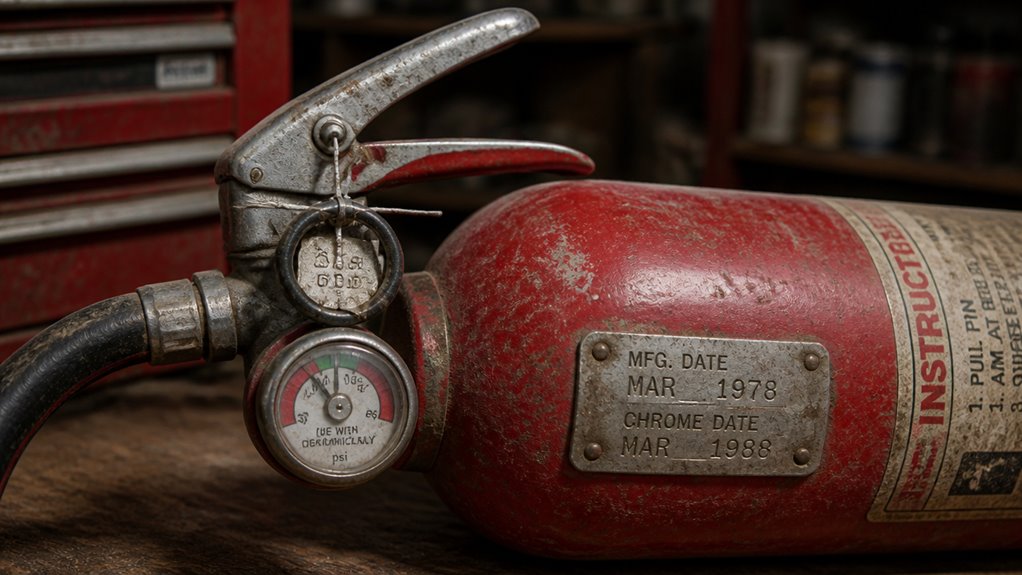

You can tell if a fire extinguisher is expired by checking the inspection tag and service records for current monthly and annual maintenance.
Look at the pressure gauge; if it’s outside the green zone, there’s an issue.
Inspect for rust, dents, cracks, or corrosion that compromise integrity.
A broken seal or missing pin also signals prior use or tampering.
Without clear, up-to-date hydrostatic testing and service history, replacement is safest.
More detailed criteria can guide your next steps.
Key Takeaways
- Check the hydrostatic test date; stored-pressure extinguishers require testing every 12 years, others every 5 years.
- Verify the manufacture date to estimate if the extinguisher exceeds the recommended service life.
- Inspect the inspection tag for the most recent monthly and annual maintenance records.
- Look for physical damage, rust, dents, or corrosion compromising cylinder integrity.
- Confirm the pressure gauge needle is in the green zone, indicating proper internal pressure.
How To Read A Fire Extinguisher’s Inspection Tag?
You should always start by examining the inspection tag on a fire extinguisher to determine its service status.
Check for current monthly visual inspections and the date of the most recent annual maintenance.
Ensure monthly visual checks are up to date and verify the latest annual maintenance date for reliability.
An overdue or missing inspection tag is a clear indication the unit may no longer be safe or compliant.
Pay close attention to the cylinder manufacture date, as it dictates the hydrostatic testing interval, which is critical for safety.
If the tag is unreadable or outdated, treat the extinguisher with caution.
Without a verifiable service history, assume the unit requires replacement rather than risking failure.
Accurate interpretation of the inspection tag guarantees the extinguisher is ready and reliable for emergency use, reflecting strict adherence to maintenance and regulatory standards.
Scheduling regular inspections and hydrostatic testing helps avoid unexpected failures and costly repairs.
Risks Of Missing Or Outdated Service Labels
It’s really important to check the inspection tags on fire extinguishers to confirm their service status. I mean, if the labels are missing or hard to read, you won’t know the maintenance history. That makes it riskier to use an extinguisher that mightn’t be safe.
And let’s not forget about outdated service dates. They’re a clear sign that the extinguisher mightn’t meet safety standards anymore. In that case, it should definitely be replaced or retested right away. Staying on top of this can make all the difference! Regular professional servicing by certified technicians ensures all components are checked and maintained according to safety standards.
Importance Of Inspection Tags
Inspection tags play a critical role in confirming a fire extinguisher’s readiness and safety for use.
You must check that the inspection tag shows current monthly visual checks and annual maintenance dates. An outdated or missing tag indicates the extinguisher might’ve exceeded its safe service interval, risking failure during an emergency.
The recorded service history validates compliance with inspection protocols and hydrostatic test intervals, which are essential for operational reliability. If the tag is unreadable or absent, you can’t confirm proper maintenance, making the extinguisher’s condition uncertain.
In such cases, replacing the unit is safer than assuming compliance. Always prioritize the date on the cylinder for hydrostatic testing over recent visual checks, as this guarantees structural integrity and effective performance under pressure.
Regularly reviewing the inspection tags for timely maintenance ensures the extinguisher remains reliable and compliant with safety standards.
Consequences Of Missing Labels
Missing or outdated service labels create significant uncertainty about a fire extinguisher’s maintenance status and operational reliability.
Without clear, current labels, you can’t verify if the unit has undergone necessary monthly inspections or annual maintenance.
This lack of documentation increases the risk that the extinguisher is overdue for service, potentially compromising its effectiveness during emergencies.
You also lose critical information regarding hydrostatic test intervals, which are essential for evaluating cylinder integrity.
Operating or storing a unit without verified service records exposes you to liability and safety hazards, as the extinguisher may have undetected internal damage or pressure issues.
When service labels are missing or illegible, the safest course often is replacement, ensuring compliance and readiness rather than assuming the extinguisher remains safe to use.
Additionally, attaching a durable, weather-resistant service tag after maintenance is crucial for tracking the extinguisher’s inspection history and safety status.
Identifying Outdated Service Dates
Frequently, outdated service dates on fire extinguishers indicate that critical maintenance has been neglected, compromising the unit’s reliability.
You need to examine the inspection tag and verify the latest maintenance date. If these dates are missing, illegible, or clearly outdated, the extinguisher may be unsafe to use.
Relying solely on visual checks isn’t enough; the manufacturing or last hydrostatic test date determines serviceability.
Units without a verifiable service history should be replaced rather than risk failure during an emergency.
Missing or outdated labels often signal overdue inspections or ignored hydrostatic tests, both critical for ensuring pressure integrity and agent effectiveness.
Always prioritize extinguishers with current, clear service documentation to maintain compliance with safety standards and guarantee operational readiness when needed.
Regular hydrostatic testing every 5 to 12 years is essential to verify the extinguisher’s structural integrity and safe operation.
What The Fire Extinguisher Pressure Gauge Tells You?
The pressure gauge on a fire extinguisher provides an immediate visual indicator of its readiness.
The pressure gauge instantly shows whether a fire extinguisher is ready for use.
When you check the gauge, the needle should rest firmly within the green zone, signaling peak pressure for discharge.
If the needle falls into the red zone, it indicates underpressure or overpressure, both compromising functionality.
Underpressure means the extinguisher may fail to expel agent effectively, while overpressure risks structural integrity.
Keep in mind, a green reading doesn’t substitute for mandatory inspections or hydrostatic testing.
Regularly verify the gauge during monthly checks to detect pressure loss early.
If the gauge shows abnormal pressure, service or replacement is necessary to guarantee reliable performance during emergencies.
Always rely on the pressure gauge as a key factor when evaluating an extinguisher’s operational status.
Additionally, adhere to manufacturer and NFPA testing intervals to ensure your extinguisher remains safe and effective over time.
Identifying Fire Extinguisher Damage That Requires Replacement
When inspecting a fire extinguisher, it’s essential to take a close look at the cylinder. You’ll want to check for any rust, dents, or signs of corrosion. These issues can really compromise the structural integrity, which is a big deal when it comes to safety.
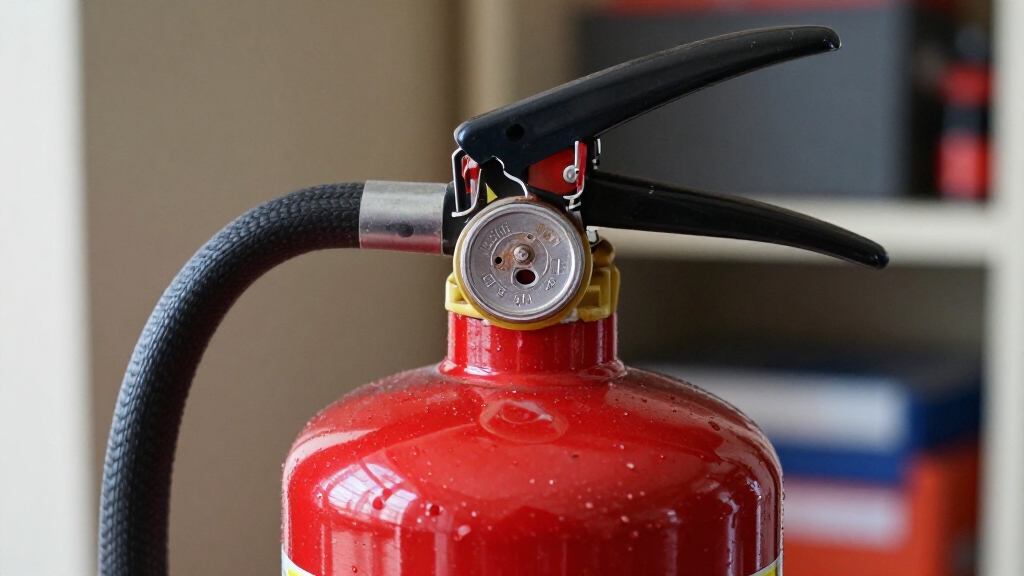
Next, let’s talk about the safety seal and pin. Make sure they’re intact. If you find that either is missing or broken, it could mean the extinguisher has been used or tampered with. That’s definitely a red flag.
Don’t forget to examine the hose and nozzle, too! Look for any cracks, blockages, or damage that might prevent proper discharge in an emergency. It’s all about ensuring everything is in top shape when you need it most.
Additionally, regular hydrostatic testing is necessary to confirm the extinguisher’s structural integrity and pressure retention over time.
Cylinder Condition Check
Inspect the extinguisher’s cylinder thoroughly for any signs of rust, corrosion, dents, cracks, or deformities. These physical defects compromise the structural integrity and safety of the unit, often necessitating immediate replacement.
Pay particular attention to deep rust or heavy corrosion that may weaken the metal and cause leaks. Significant dents or deformities can affect pressure retention and hydrostatic test results.
Visible cracks or pitting are critical failure indicators. If you identify any of these conditions, the extinguisher is likely unsafe and should be removed from service.
Even minor damage can signal internal issues or potential agent loss. Maintaining a cylinder in optimal condition assures reliability during emergencies and compliance with safety standards.
Regular hydrostatic testing is essential to ensure the structural integrity and safety of the extinguisher over time.
Seal and Pin Status
Examine the seal and pin carefully to determine if the extinguisher has been compromised or previously discharged. A broken or missing safety seal indicates that the extinguisher may have been used or tampered with, which compromises its reliability.
Similarly, a missing safety pin suggests prior activation or mishandling, rendering the unit potentially unsafe for immediate use. Both components are critical to maintaining pressure integrity and preventing accidental discharge.
If you find either the seal or pin damaged or absent, the extinguisher should be removed from service and either fully inspected or replaced. Don’t overlook these signs; they provide key evidence of possible internal damage or agent loss, which can severely impair performance during an emergency.
Always make sure seals and pins are intact to guarantee operational readiness. Regular monthly inspections help identify these issues early to maintain extinguisher safety and function.
Hose and Nozzle Integrity
After confirming the integrity of the seal and pin, attention should shift to the hose and nozzle.
Damage in these areas can directly impede the extinguisher’s function.
You must inspect for cracks, splits, or brittleness in the hose, which can cause leaks or blockages.
Check the nozzle for clogs or deformation that could restrict agent flow.
Make certain the hose attachment is secure and free from corrosion or wear that might weaken its connection.
Key points to assess include:
- Hose condition: Look for cracks, splits, or signs of aging.
- Nozzle integrity: Confirm it’s clear of obstructions and damage.
- Attachment security: Verify the hose is firmly connected and corrosion-free.
If you find any defects, replacement is necessary to guarantee reliable performance.
Additionally, regular pre-service inspections by a certified technician help ensure these components remain functional and safe.
What A Broken Seal Or Missing Pin Means For Safety?
A broken seal or missing safety pin immediately signals potential compromise in the extinguisher’s readiness.
These components are vital safety features designed to prevent accidental discharge and confirm the extinguisher remains unused.
If the seal is broken or the pin is missing, the extinguisher may have been discharged, tampered with, or mishandled, reducing its reliability in an emergency.
You must treat such units as suspect until verified by a qualified inspection.
Additionally, a compromised seal or missing pin can allow contaminants into the valve assembly, impairing proper function.
Always make certain these elements are intact and securely fastened before considering the extinguisher safe for use.
Ignoring this warning risks deploying a unit that may fail when you need it most.
Why Hydrostatic Test Dates Matter For Fire Extinguisher Safety?
Tracking hydrostatic test dates is super important because it helps verify the structural integrity of your extinguisher’s cylinder. This means you can be confident it can safely handle pressure.
Now, testing intervals can vary depending on the type of extinguisher you have, usually ranging from every 5 to 12 years. If you miss these tests, you’re not just risking safety; you might also be stepping into legal trouble.
Ignoring those hydrostatic test deadlines can lead to some serious consequences during an emergency. So, staying compliant with these tests isn’t just a good idea—it’s absolutely essential!
Importance Of Hydrostatic Testing
Understanding the importance of hydrostatic testing is essential for ensuring your fire extinguisher remains safe and effective. This test checks the integrity and strength of the cylinder to prevent catastrophic failure under pressure.
Hydrostatic testing dates matter because they determine when a unit must be removed from service or undergo mandatory inspection.
You need to focus on these critical points:
Safety assurance: The test detects corrosion, cracks, or weaknesses that visual inspections might miss.
Regulatory compliance: Meeting the hydrostatic test intervals keeps your extinguisher within legal and insurance requirements.
Service life extension: Passing the test validates continued use, avoiding unnecessary replacement costs.
Ignoring hydrostatic test dates compromises safety and reliability, putting you and others at significant risk during an emergency.
Testing Intervals Explained
Hydrostatic testing alone doesn’t guarantee ongoing safety without adhering to prescribed testing intervals. You must track these intervals carefully because they determine when a fire extinguisher’s cylinder integrity is verified under pressure.
For stored-pressure dry chemical extinguishers, hydrostatic tests are typically required every 12 years. CO2, water, foam, and wet chemical units demand testing every 5 years.
These intervals count from the manufacture date or the last hydrostatic test, not the annual inspection. If you lack a prior test record, use the cylinder’s manufacture date as your reference. Ignoring these intervals risks undetected cylinder degradation or failure.
Consistently following the correct hydrostatic test schedule is essential to confirm an extinguisher’s structural safety and ensure it performs reliably during emergencies.
Consequences Of Missed Tests
When fire extinguishers miss their scheduled hydrostatic tests, their structural integrity can deteriorate unnoticed. This markedly increases the risk of failure during critical use.
You must understand that these tests are essential to verify the cylinder’s ability to withstand pressure without leaking or rupturing. Ignoring hydrostatic test dates compromises safety and compliance.
Missing these tests can lead to:
- Undetected corrosion, dents, or cracks that weaken the extinguisher’s shell, risking catastrophic failure under pressure.
- Loss of certification, making the extinguisher illegal to use in many jurisdictions.
- Increased likelihood that the extinguisher won’t discharge properly during an emergency, potentially causing injury or property damage.
Always track hydrostatic test intervals based on manufacture or last test date to ensure reliable, safe fire protection equipment.
When Rust Or Corrosion Means You Should Replace Your Fire Extinguisher?
Exhibiting rust or corrosion on your fire extinguisher’s cylinder signals a compromised structural integrity that can jeopardize its performance and safety.
Corrosion weakens the metal, increasing rupture risk under pressure. Rust often indicates prolonged exposure to moisture or neglect.
You must inspect the extinguisher thoroughly and replace it if you observe any significant damage.
| Condition | Risk Level | Action Required |
|---|---|---|
| Surface rust | Moderate | Monitor closely, clean |
| Heavy corrosion | High | Immediate replacement |
| Pitting or cracks | Critical | Remove from service |
| Dents or deformities | High | Inspect hydrostatically |
| Leaks or holes | Critical | Dispose and replace |
Never compromise safety; rust or corrosion means it’s time to replace the extinguisher.
Fire Extinguisher Lifespan And Expiration
Rust and corrosion clearly indicate when a fire extinguisher needs replacing, but understanding the overall lifespan and expiration criteria is equally important to guarantee reliable performance.
You must track the extinguisher’s manufacture date and hydrostatic test intervals to determine its serviceability. Typically, dry chemical units require hydrostatic testing every 12 years; other types like CO2 or foam need it every 5 years. Ignoring these timelines risks failure during emergencies.
To assess lifespan and expiration, consider these critical factors:
- Inspection tags and maintenance records: Make sure monthly and annual checks are up to date. Outdated or missing tags signal expiration.
- Physical condition: Dents, cracks, or corrosion indicate compromised structural integrity.
- Pressure gauge readings: A needle outside the green zone suggests internal pressure issues affecting functionality.
Replace any extinguisher failing these criteria to maintain safety compliance.
What To Do If You Can’t Find Service Or Test Records?
Locating complete service or test records can be challenging but is essential for verifying a fire extinguisher’s reliability.
If you can’t find these records, start by inspecting the extinguisher’s inspection tag and maintenance dates. Missing or outdated tags signal potential noncompliance.
Check the pressure gauge to confirm it reads within the green zone, but remember this doesn’t replace required testing.
Physically examine the cylinder for rust, dents, or corrosion, as damage compromises safety.
Verify the manufacture date to estimate hydrostatic test intervals; absence of test records means you must rely on this date.
Without service history, err on the side of caution and assume the extinguisher may be unsafe.
Prioritize replacement over uncertain compliance to ensure emergency readiness and regulatory adherence.
When To Repair Or Replace Your Fire Extinguisher?
If you find that your fire extinguisher shows signs of damage, outdated inspection tags, or lacks proper service records, you need to decide whether to repair or replace it.
Prioritize safety and compliance by evaluating these critical factors:
- Physical condition: Rust, dents, corrosion, or leaks usually indicate replacement is necessary, as these impair structural integrity and reliability.
- Inspection and testing: An extinguisher with expired hydrostatic test intervals or missing inspection records should be replaced to guarantee safe operation.
- Component integrity: Broken seals, damaged hoses, or faulty pressure gauges often require repair, provided the cylinder passes hydrostatic testing and shows no major damage.
When in doubt, replacement is the safer, more reliable choice to guarantee your extinguisher will perform effectively in an emergency.
Frequently Asked Questions
How Do I Properly Dispose of an Expired Fire Extinguisher?
To properly dispose of an expired fire extinguisher, first fully discharge it in a safe, open area following manufacturer guidelines.
Then, remove the head and separate components if possible.
Contact your local hazardous waste facility or fire department to confirm disposal procedures, as many areas require specialized handling.
Never throw extinguishers in regular trash or recycling.
Proper disposal prevents environmental harm and guarantees compliance with safety regulations.
Can I Bring My Fire Extinguisher on an Airplane?
Bringing a fire extinguisher on an airplane is like carrying a ticking safety device you can’t take onboard.
You generally can’t bring fire extinguishers in carry-on or checked luggage due to strict hazardous material regulations.
Airlines and TSA prohibit them because they contain pressurized chemicals and could pose safety risks.
If you need to transport one, contact the airline beforehand or use specialized shipping services that comply with hazardous materials rules.
Are There Different Extinguisher Types for Various Fire Classes?
Yes, there are different extinguisher types for various fire classes.
You’ll use Class A extinguishers for ordinary combustibles like wood and paper.
Class B is for flammable liquids, Class C for electrical fires, Class D for combustible metals, and Class K for kitchen grease fires.
Choosing the correct extinguisher guarantees effective suppression and safety. Always match the extinguisher type to the specific fire class you may encounter.
How Often Should I Train on Using a Fire Extinguisher?
You should train on using a fire extinguisher annually, regularly, and realistically.
Annual training guarantees you refresh critical skills. Regular sessions keep your knowledge current with evolving standards. Realistic drills prepare you for actual emergencies.
Focus on understanding extinguisher types, operating techniques, and safety protocols. Consistent training builds confidence, improves response time, and reduces panic during fires.
Don’t skip training; it’s essential for safety and effectiveness.
Can Expired Extinguishers Still Be Used in Non-Emergency Situations?
You shouldn’t use expired extinguishers even in non-emergency situations. Their pressure, agent effectiveness, and mechanical integrity degrade over time, risking failure or incomplete discharge.
Attempting use can cause damage or injury due to leaks, blockages, or faulty components. Instead, rely on properly maintained units for training or demonstration.
Always replace expired extinguishers to guarantee safety and compliance with fire safety standards.
Expired vs Damaged Fire Extinguishers: What to Look For
Just like a smoke alarm’s silence can spell danger, an expired or damaged fire extinguisher can leave you defenseless when seconds count.
Don’t let outdated tags or hidden corrosion betray your safety. Regularly check pressure gauges, seals, and service labels, and act immediately if anything’s off.
By staying vigilant and informed, you make certain your extinguisher is always ready. In fire safety, hesitation can cost lives. Don’t wait until it’s too late.